

Twenty to thirty years ago, when refrigerators were still a rarity in Taiwan, the traditional sweetened ices of China were regarded as a special treat by children. Even though refrigerators are almost universal in households today, people still look forward to eating the ices as summer approaches. With many additions being available to the traditional scraped ice of earlier times, the familiar dessert has become a delicacy entirely suited to modern times.
Before the advent of refrigerators, ice had to be taken from frozen rivers and lakes in winter and buried deep in the ground to await the summer. During the Chou dynasty, this ritual became so important that a special official known as a Ling Jen supervised its operation. First of all, the ice was buried in an underground cavern on the shady side of the mountain. The compartment was covered with earth, and a pavilion was constructed to provide further protection from the sun. At that time, the ice was considered a treat suitable only for members of the imperial court or their guests. In the Ching dynasty, however, ordinary people would gather ice for later resale to streetside stalls or fish markets. The only problem was that the ice became impure from its long internment.
Since the introduction of the refrigerator in 1920, the eating of ice desserts is no longer a luxury available to only a few people. The traditional ices became universally popular 20 or 30 years ago when the ice was scraped by chisels or wooden implements. The task was made easier by the introduction of hand operated and electrical ice scrapers.
A traditional Chinese scraped ice dessert consists of three main ingredients: the ice, sugar syrup, and flavorings such as fruit, beans and vegetables. The most popular are the mixed fruit ices, and the "Eight Treasures Ice" which saves people from having to make a choice of flavorings.
The ices are divided according to their texture, either large and crunchy or small and moist. The syrup can be either thick or thin and made from either white or brown sugar according to taste.
Flavorings include Ai Yu, Hsien Tsao jelly, corn, almond paste, kidney beans, red beans, taro, oats and barley. The Ai Yu ice is made with honey, sugar syrup and lemon, while the Hsien Tsao jelly, made from soda lime and sweet potato flour, has a slightly sour flavor. The sour plum ice, which has a subtle sweet and sour flavor, is popular with young lovers. The sour plums used in the dish are steeped in salt for four months, after which sugar, honey and spices are added.
In preparing the various kinds of beans used in the dishes, the most important consideration is the heat of the flame and the cooking time. Red beans must initially be cooked on high heat with three parts of water to one part of beans, after which they are simmered for two hours, and another hour after sugar is added. This ensures that the paste is soft without being syrupy.
Recently, there have been several changes in the form of the ices. In particular, the juice and the ice are often shaken or whipped together. As people have become more artistic, molded ices have appeared. A typical example is the "sighting of the moon" ice which is made in the shape of a cone from ice flavored with chocolate and milk, with the yolk of an egg placed in the middle. The "rocket capsule" is made by piling ice high with pudding mixed in. The "snowy mountain with a red peak" is a mountain of ice topped with strawberries.
With all these choices, it is no wonder that the traditional ices of China are still a favorite even in these modern times.
[Picture Caption]
1. Colorful Strawberry ice. 2.3. Whipped ice. 4. Ice with corn. 5. "Sighting of the moon" ice. 6. Mixed ice. 7. Potato ice. 8. Oatmeal ice. 9. The abundant contents of mixed fruit ice.
1. Peanut ice. 2. Kidney bean ice. 3. Menu boards in an ice shop. 4. Eight-treasure ice. 5. Green pea ice. 6. "Red beans with milk" ice. 7. The many colorful ingredients used to make ices. 8. Taro root ice. 9. A pudding pyramid on sale in an ice shop.
1. Ai Yu, almond paste, and sour plum sauce. 2. Red and white beans made of rice. 3. Convenient to use electric ice scraper. 4. Hand operated ice scraper. 5. Black plum ice. 6. Pineapple ice. 7. Brightly colored ice. 8. "Saigon style tapioca" ice. 9. Vermicelli ice. 10. Shien Tsao ice. 11. Fruit Jelly is a favorite ingredient.
1. Sweet and sour plum ice. 2. Self-serve ice stalls are convenient for students. 3. Children absorbed in eating ices. 4. Glass container full of fruit. 5. Starfruit ice. 6. Traditional pineapple ice.
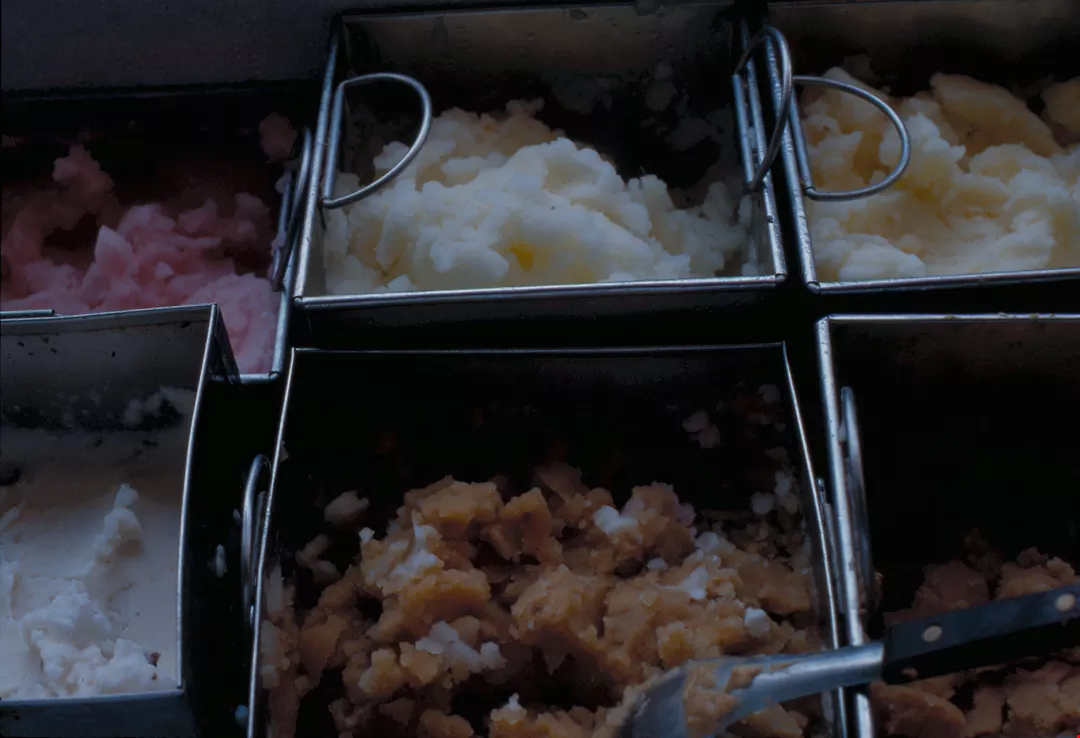
2.3. Whipped ice.
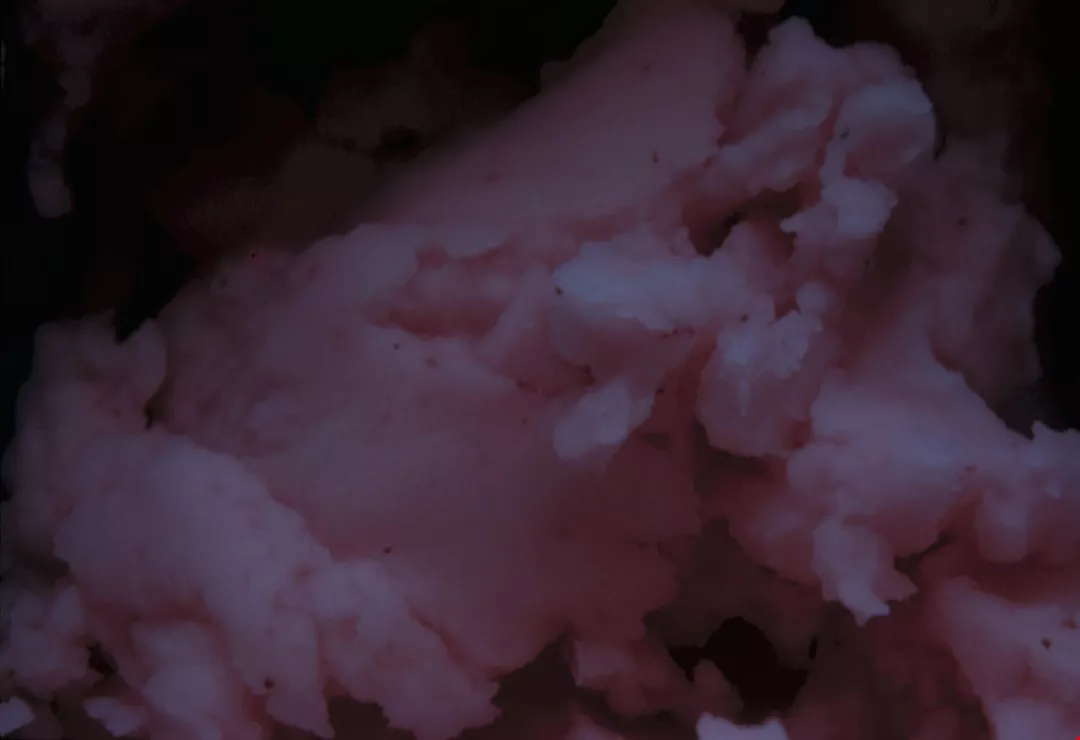
2.3. Whipped ice.
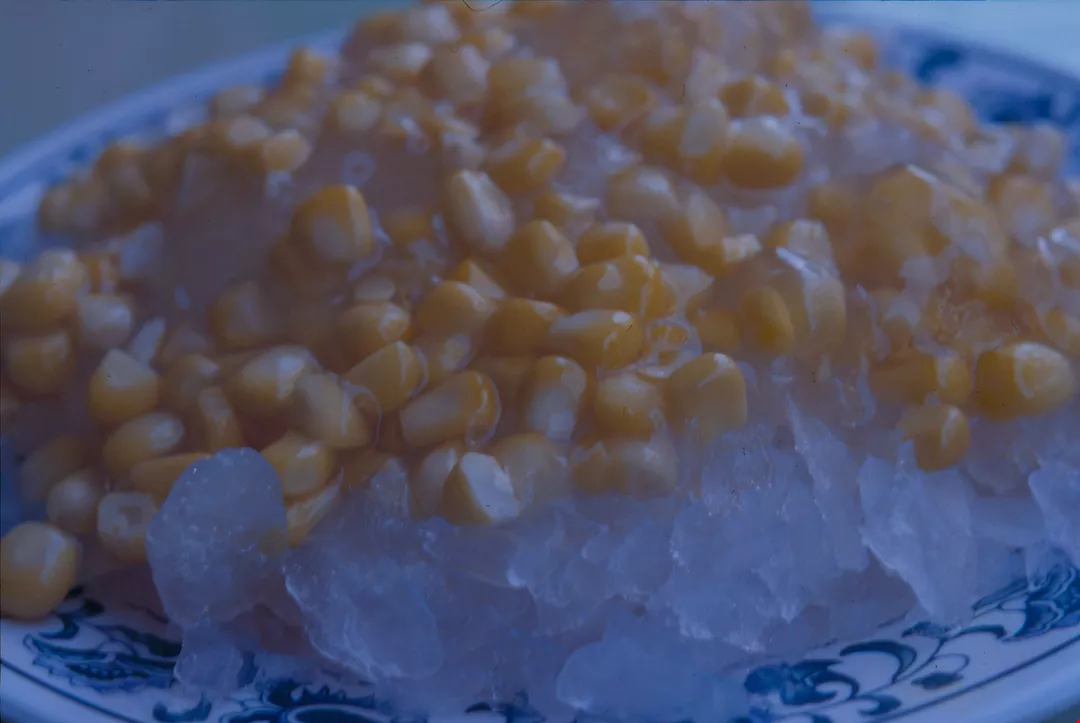
4. Ice with corn.
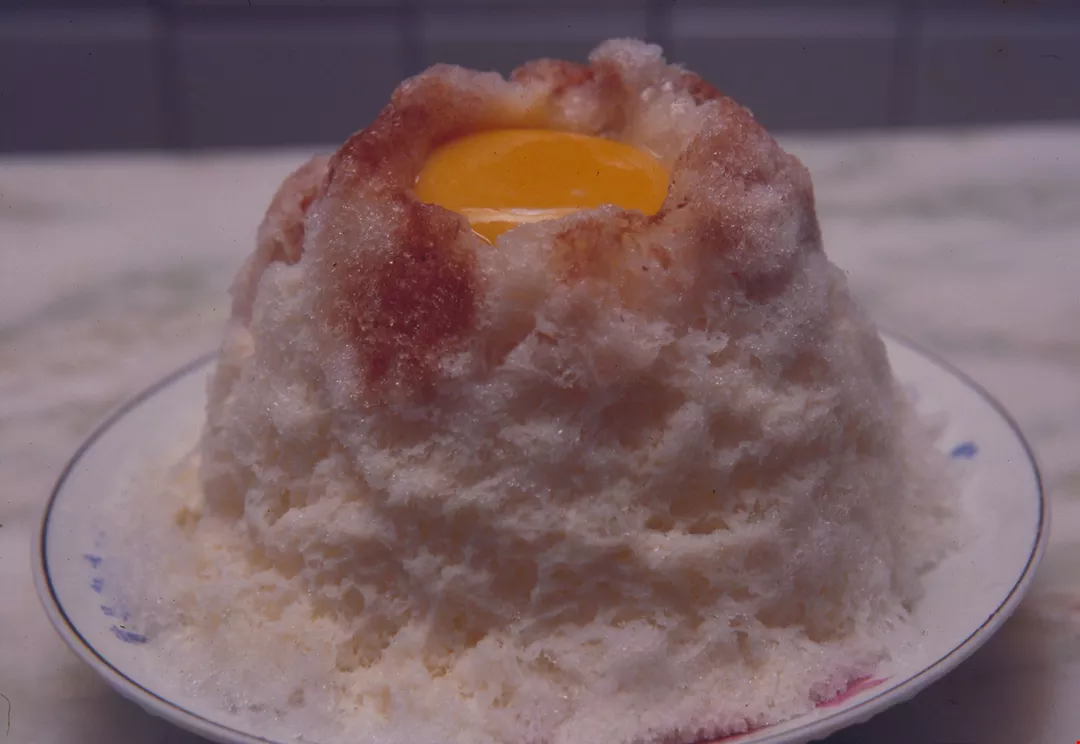
5. "Sighting of the moon" ice.
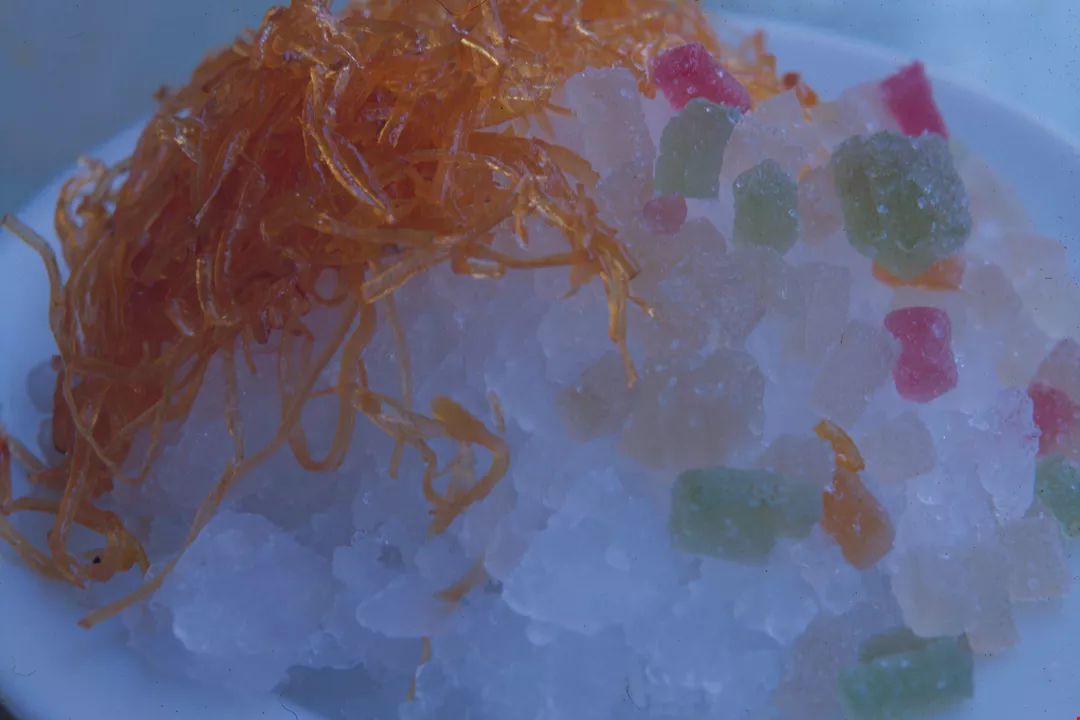
6. Mixed ice.
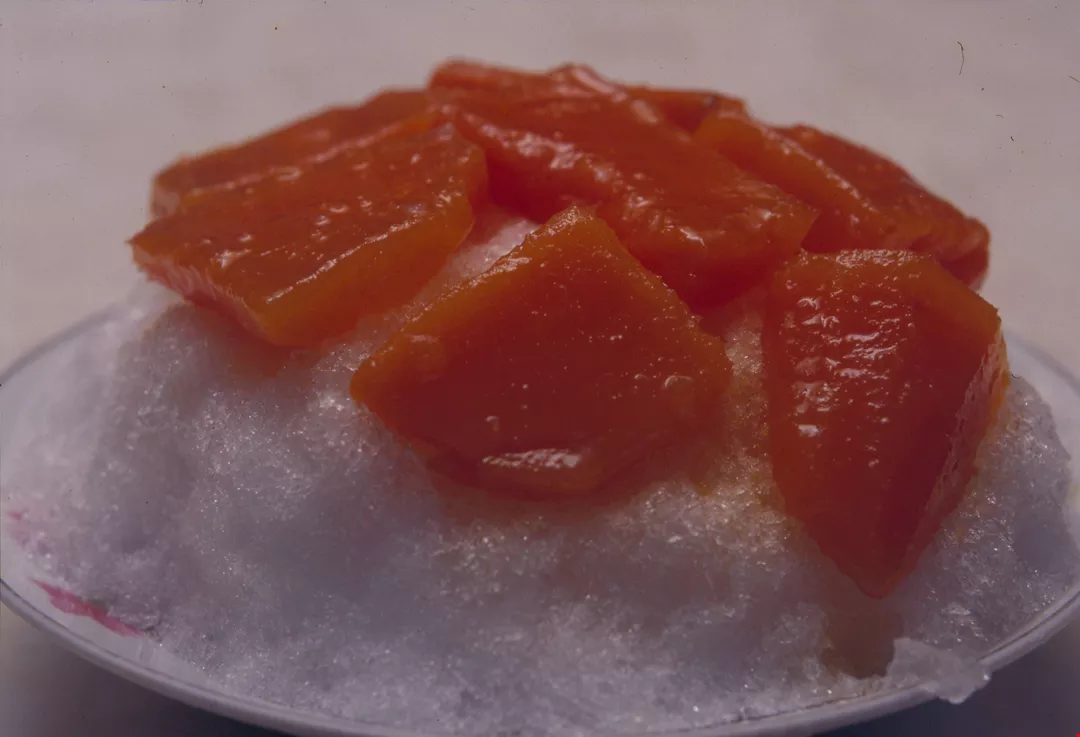
7. Potato ice.
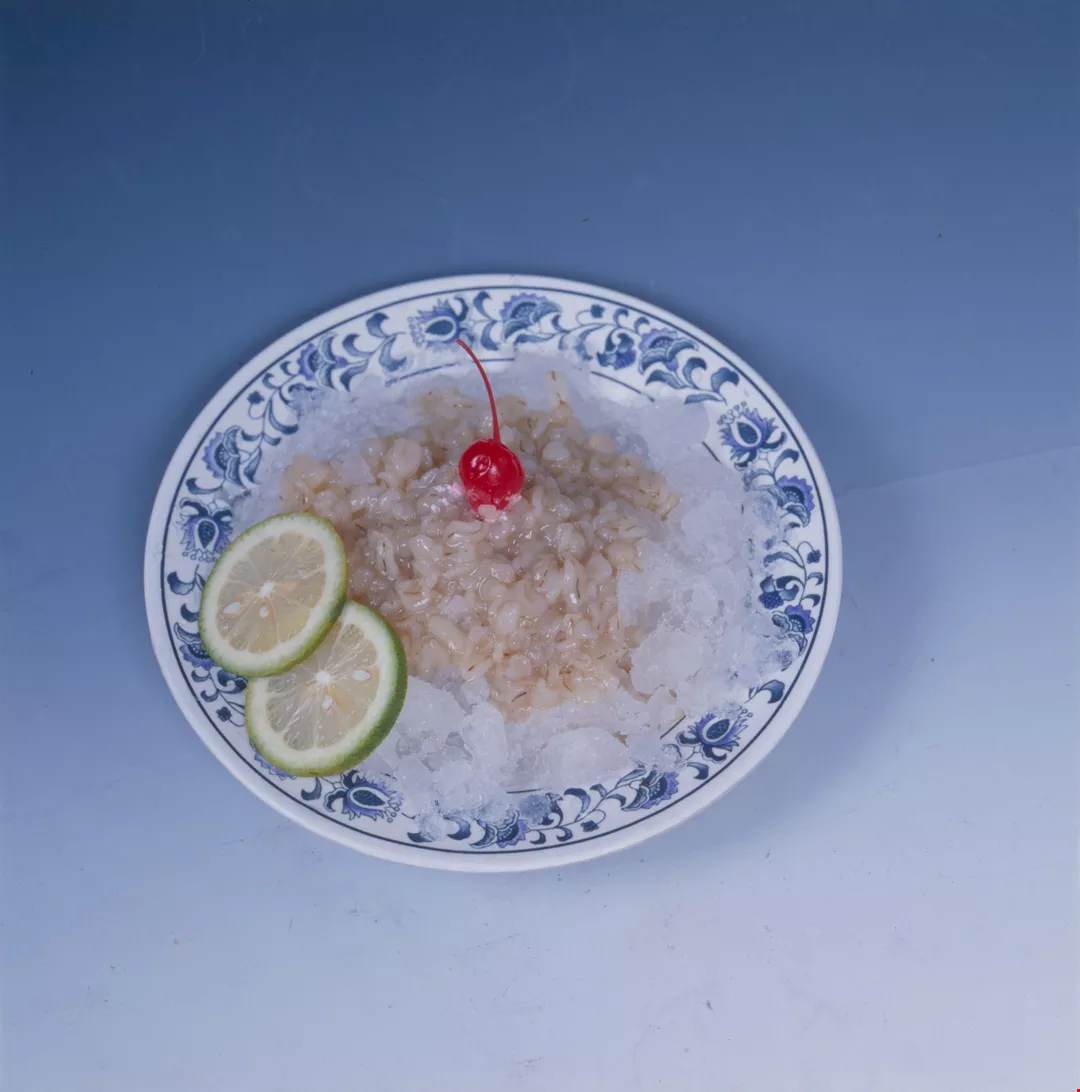
8. Oatmeal ice.
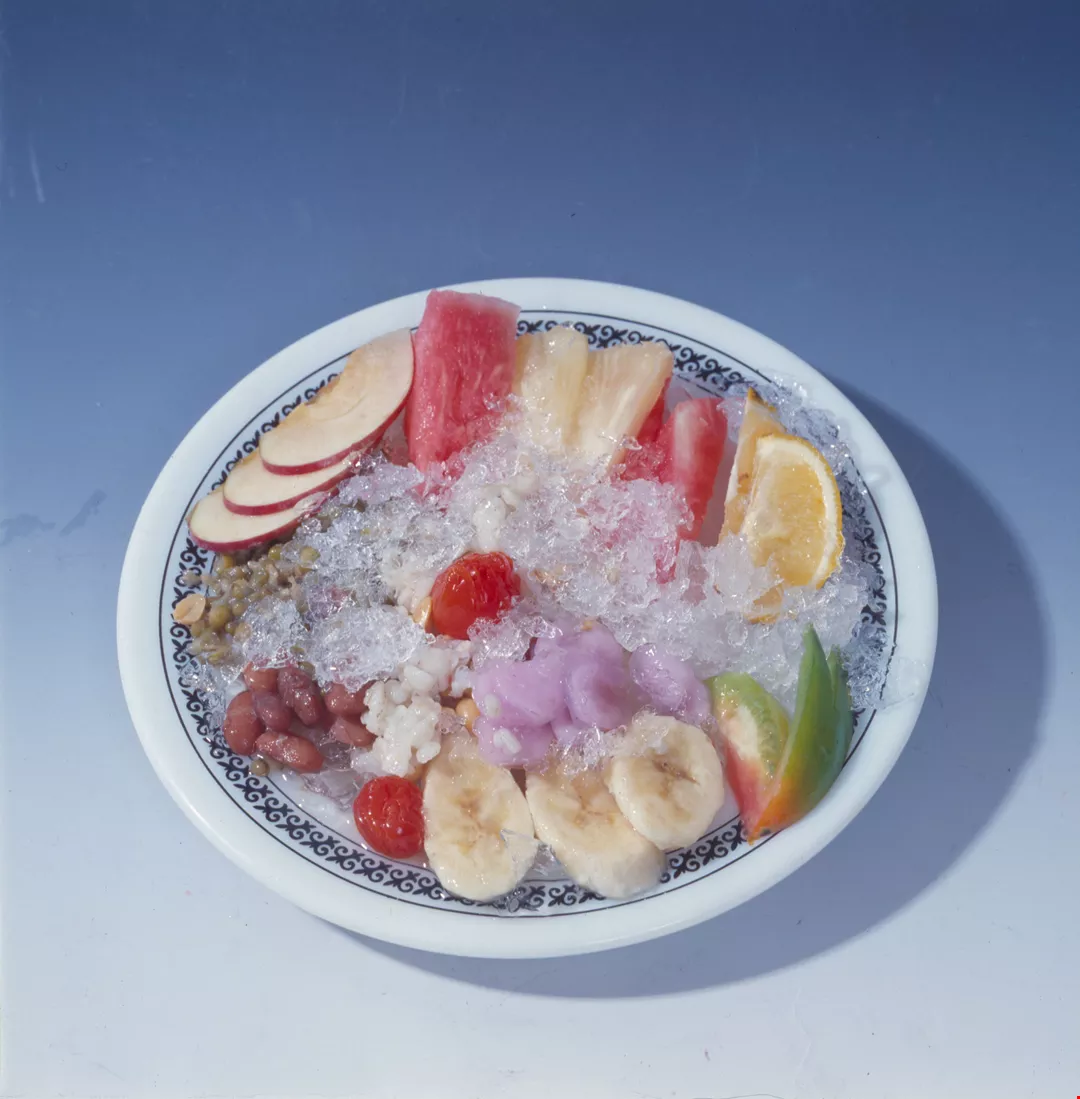
9. The abundant contents of mixed fruit ice.
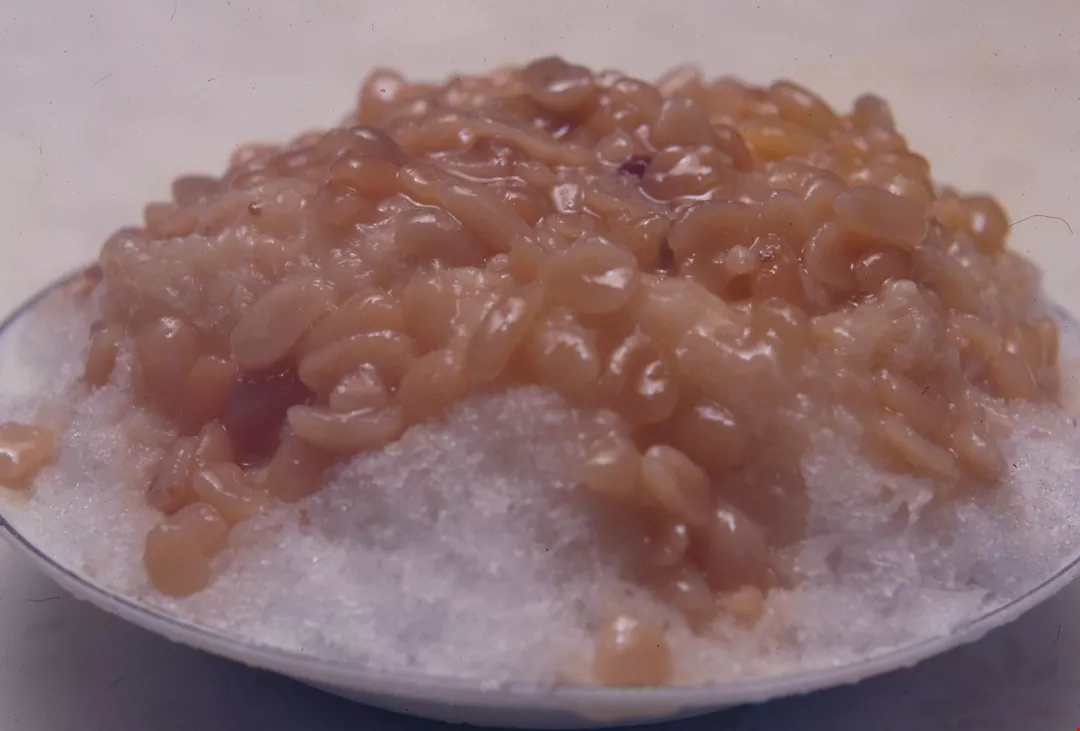
1. Peanut ice.
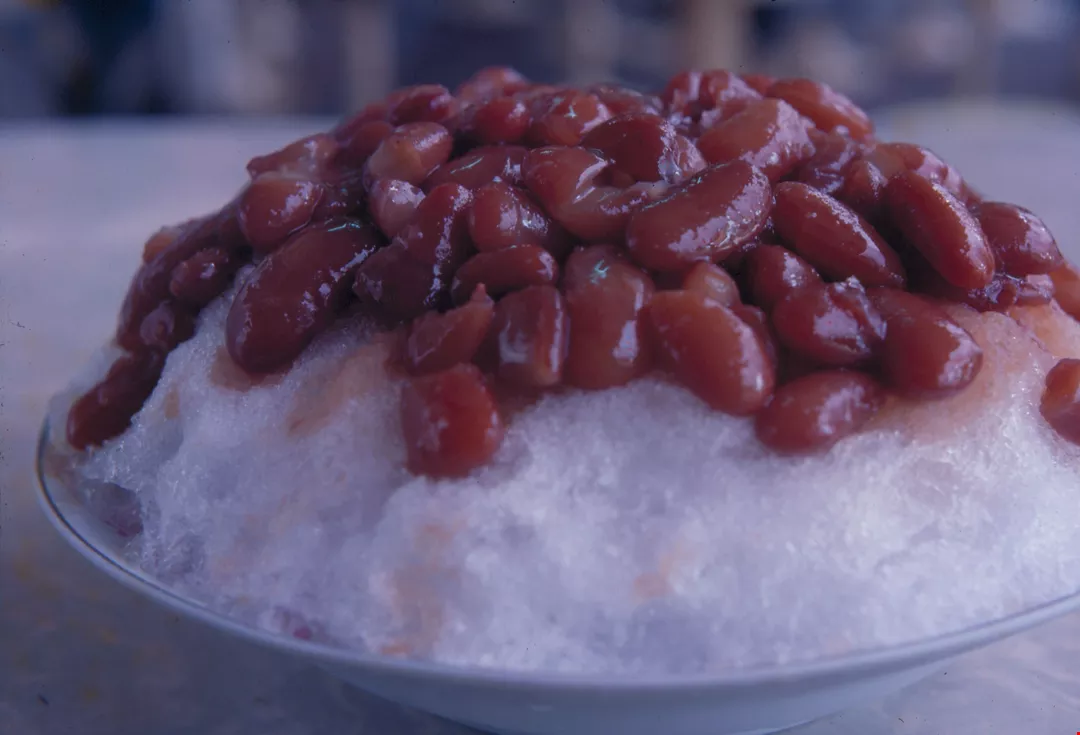
2. Kidney bean ice.
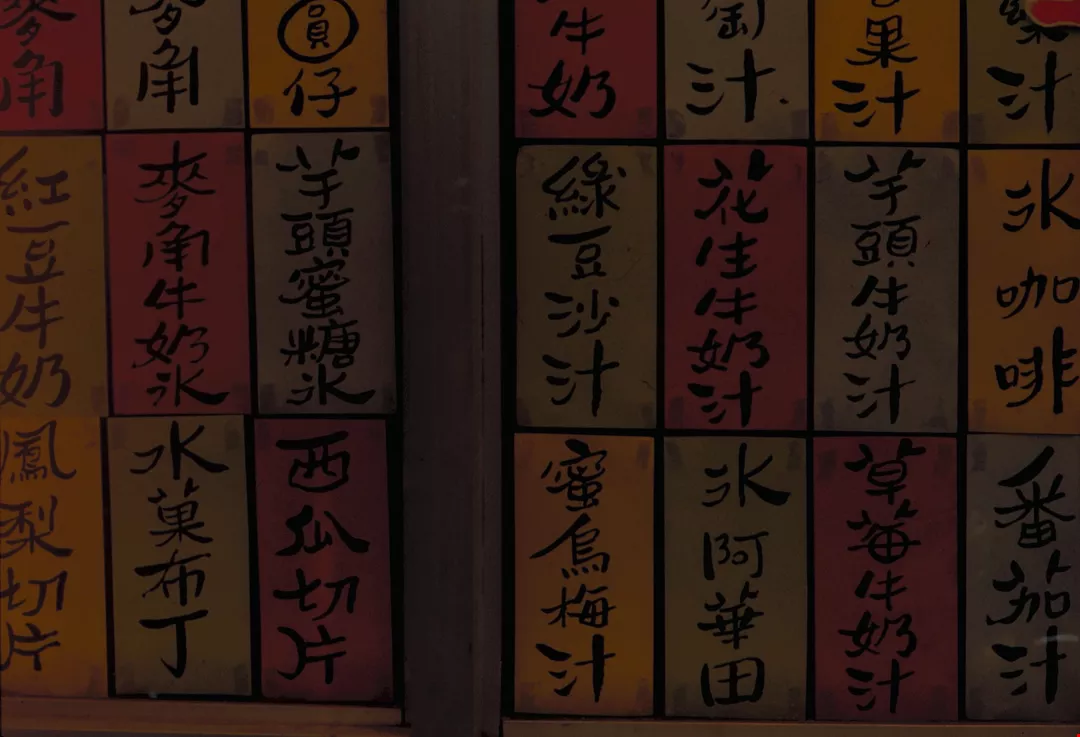
3. Menu boards in an ice shop.
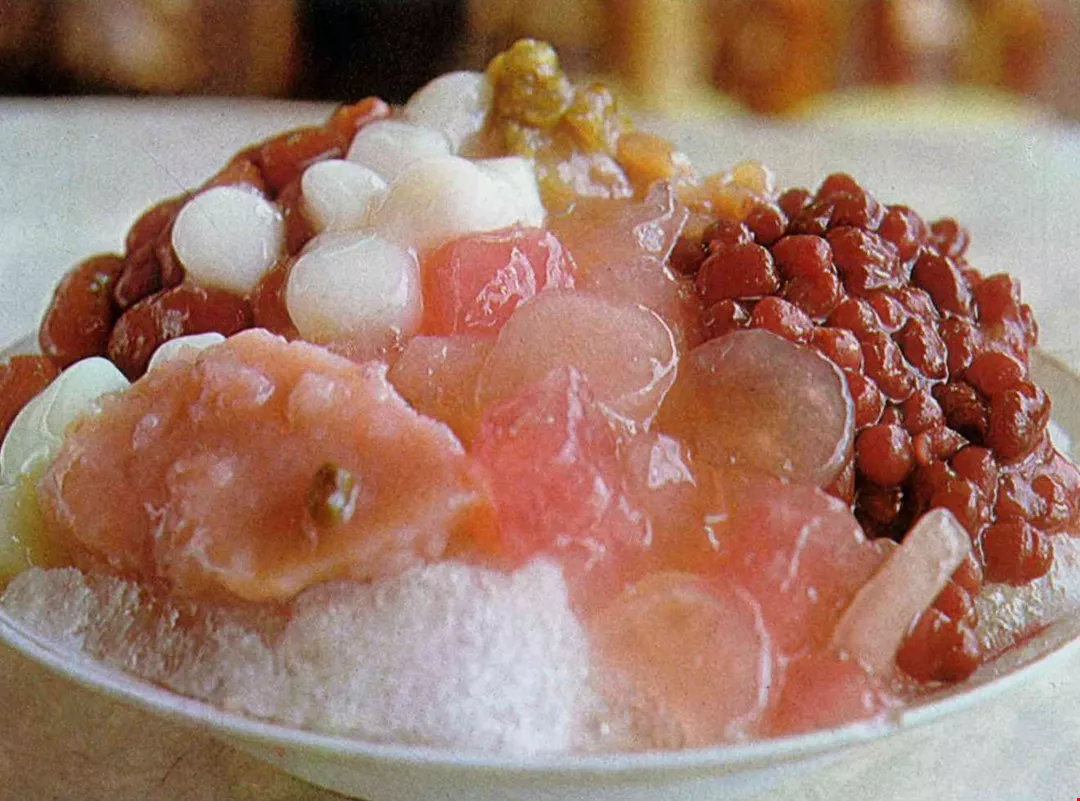
4. Eight-treasure ice.
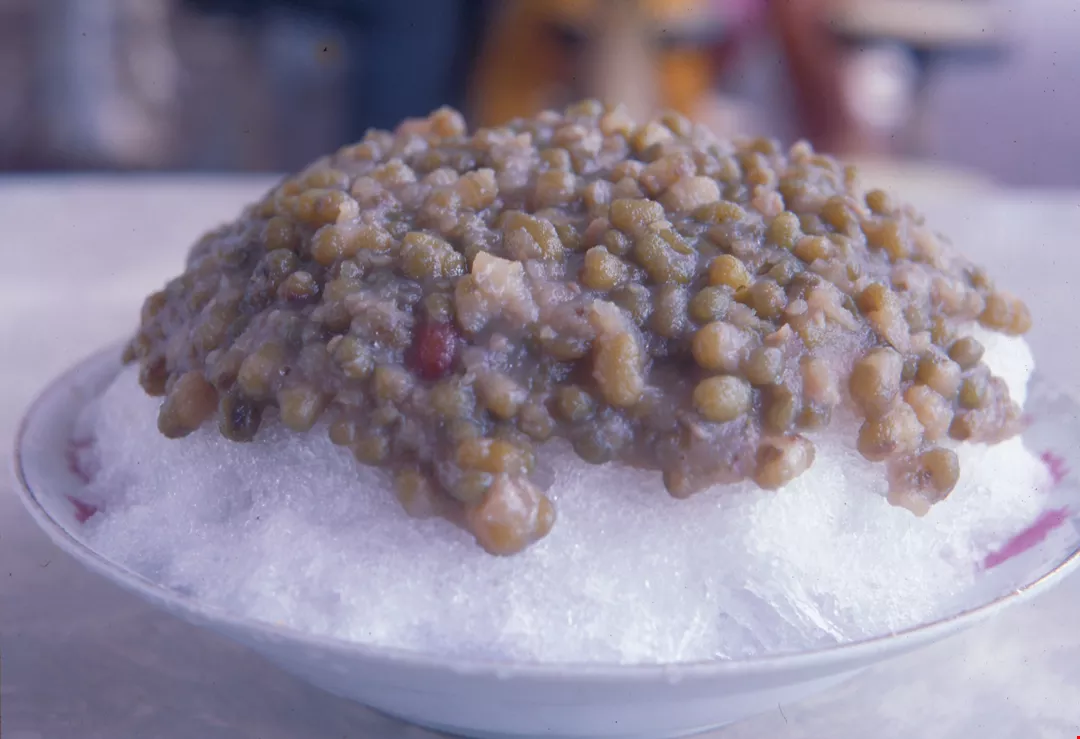
5. Green pea ice.
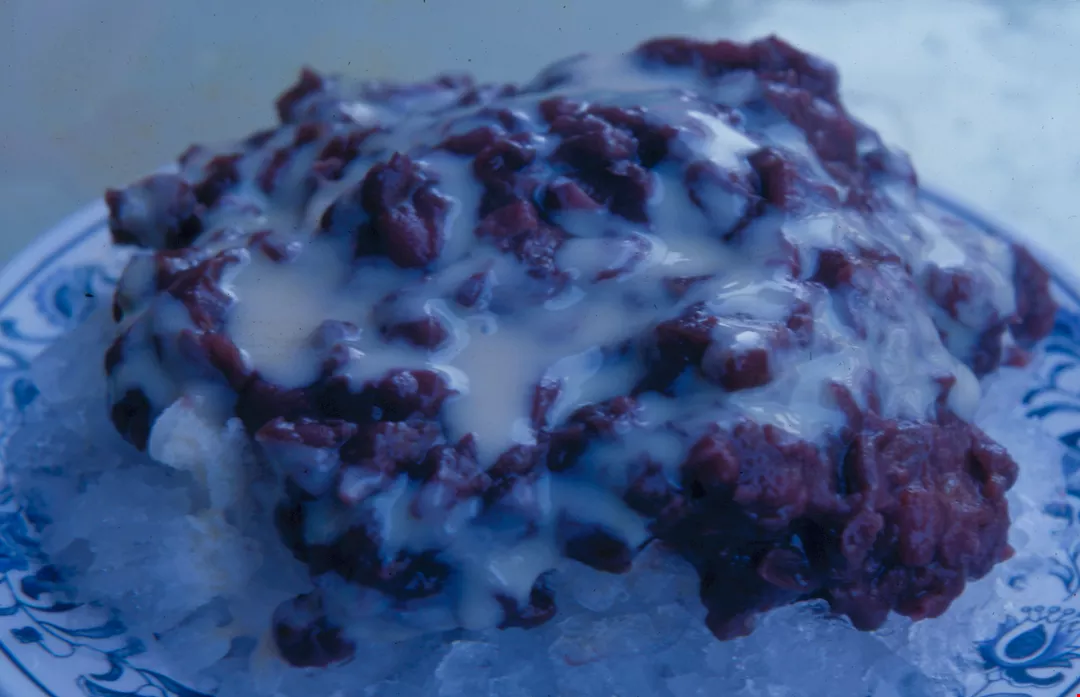
6. "Red beans with milk" ice.
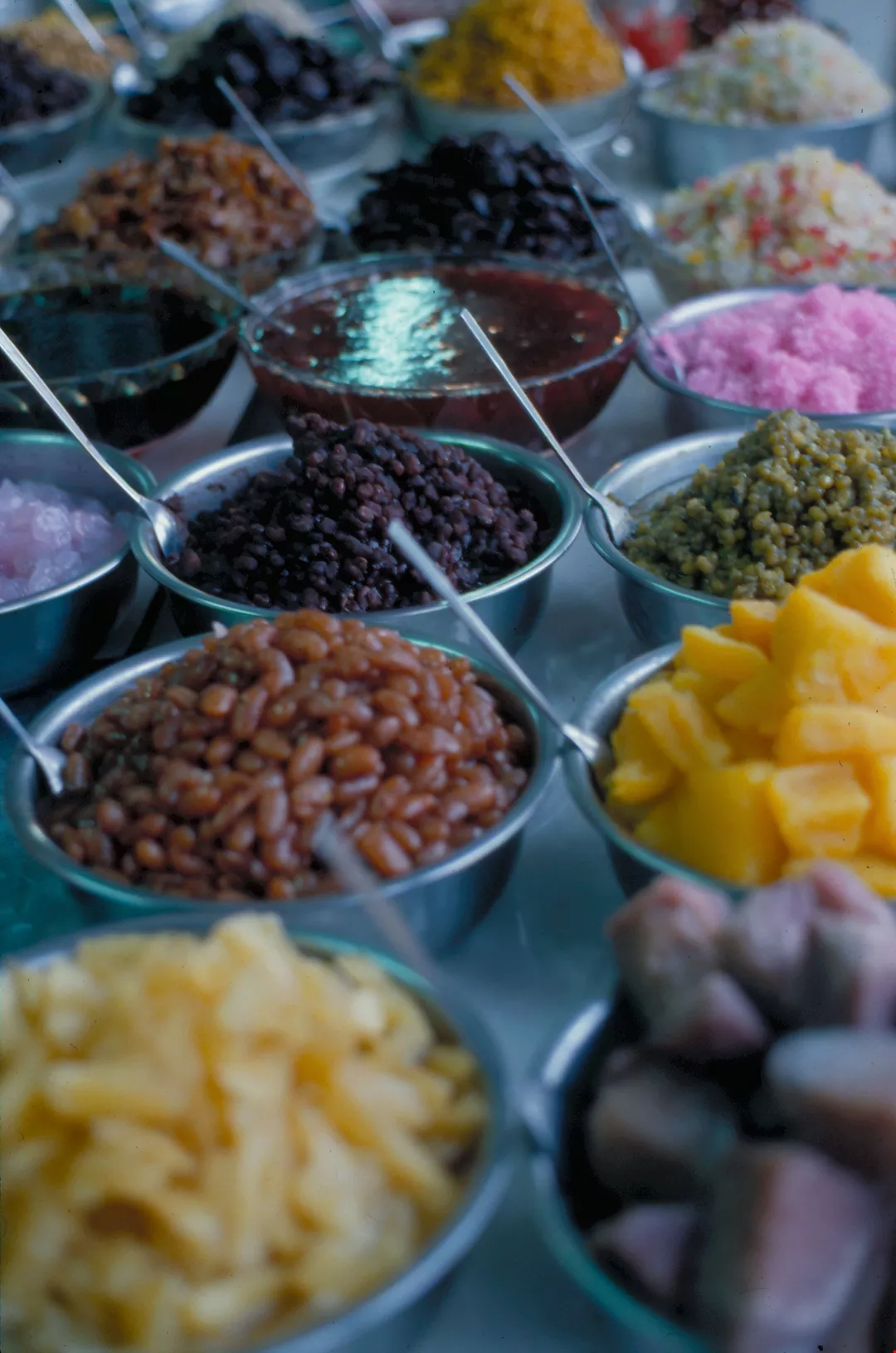
7. The many colorful ingredients used to make ices.
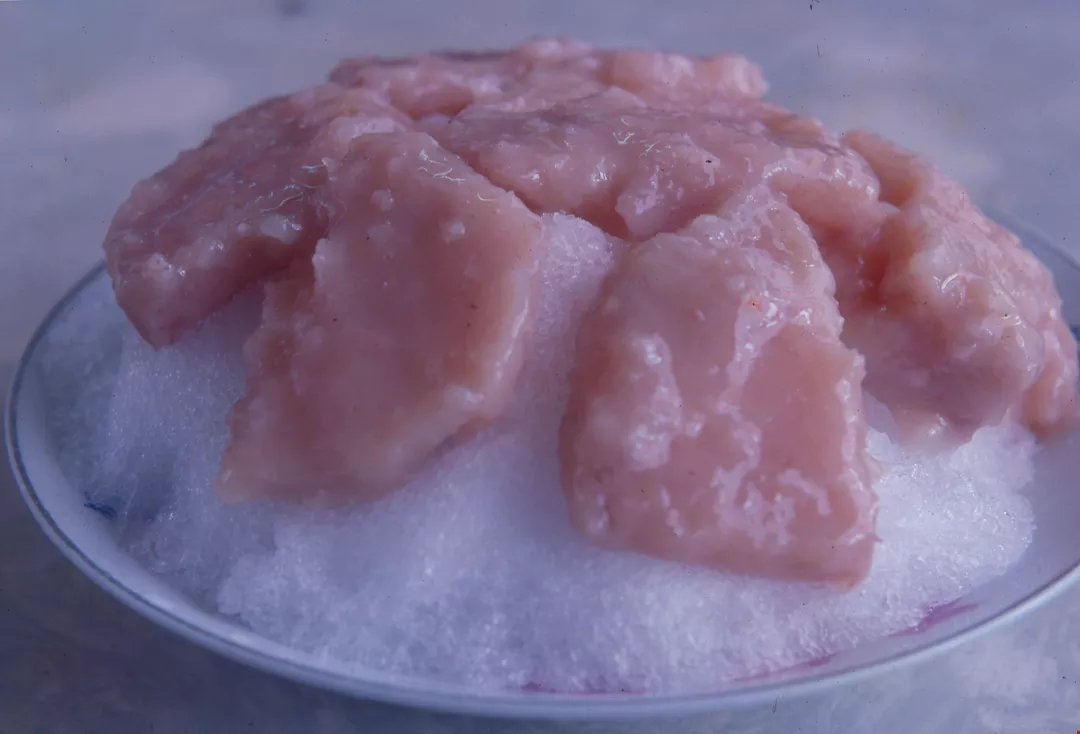
8. Taro root ice.
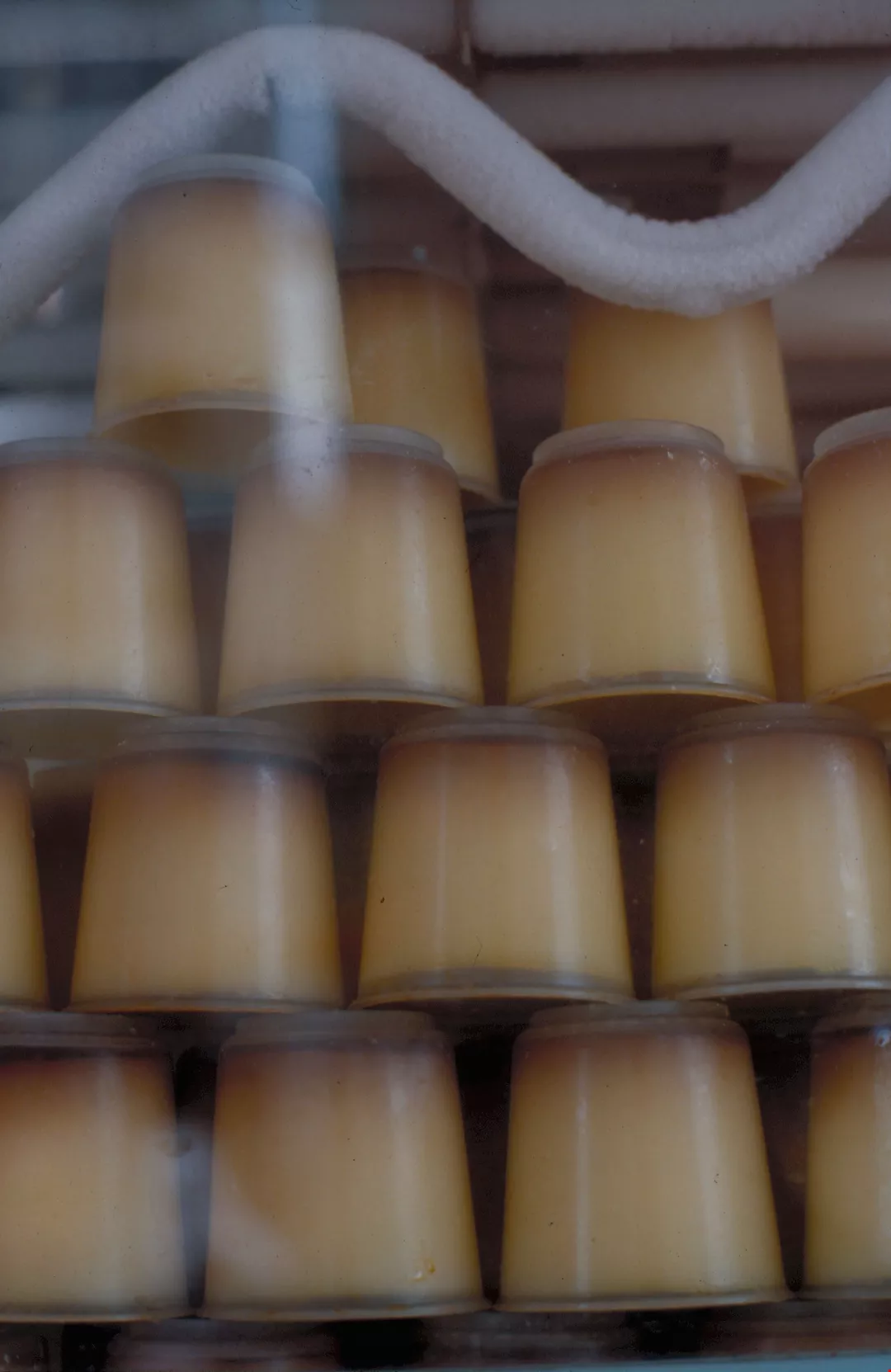
9. A pudding pyramid on sale in an ice shop.
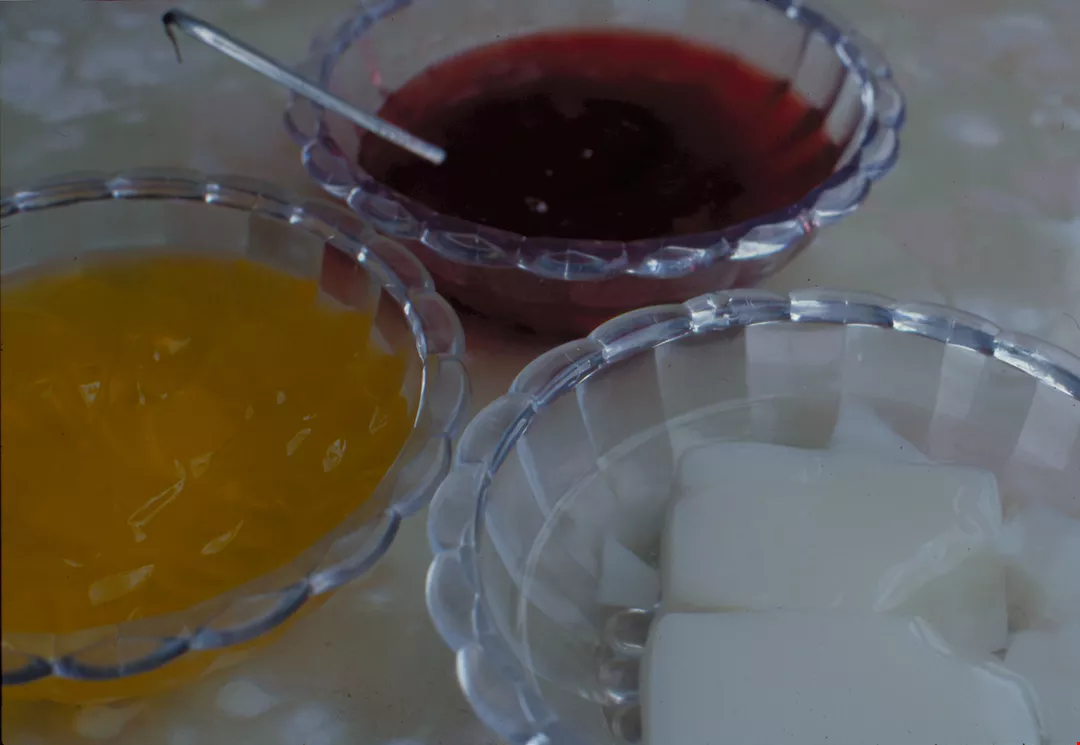
1. Ai Yu, almond paste, and sour plum sauce.
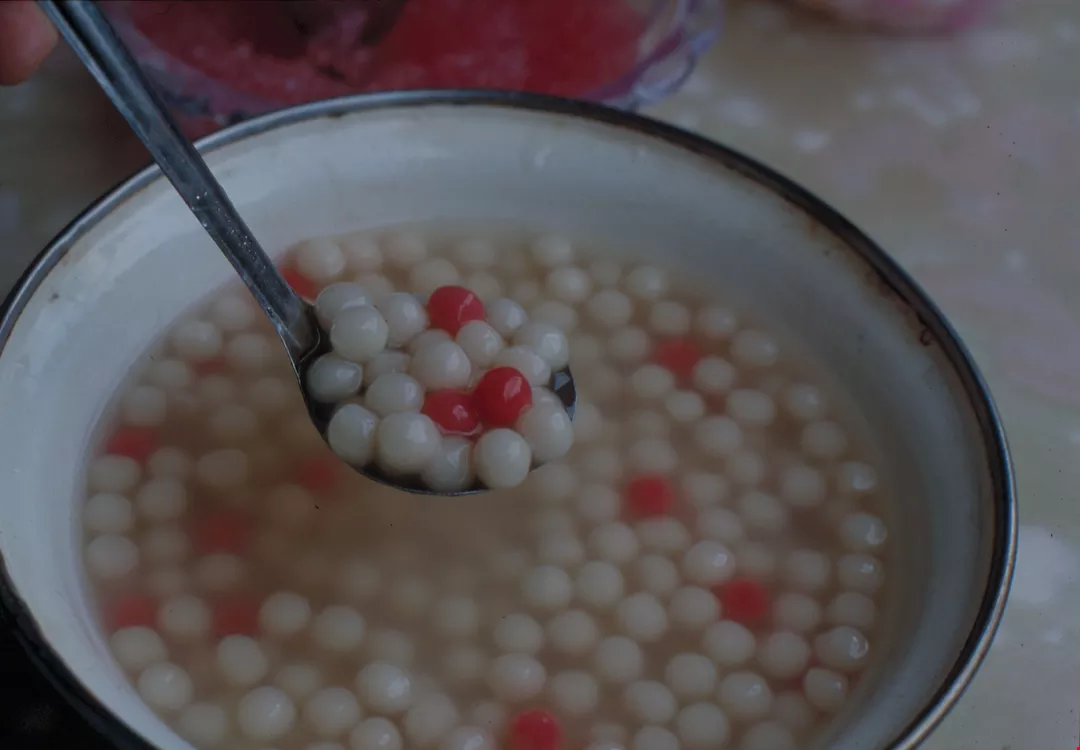
2. Red and white beans made of rice.
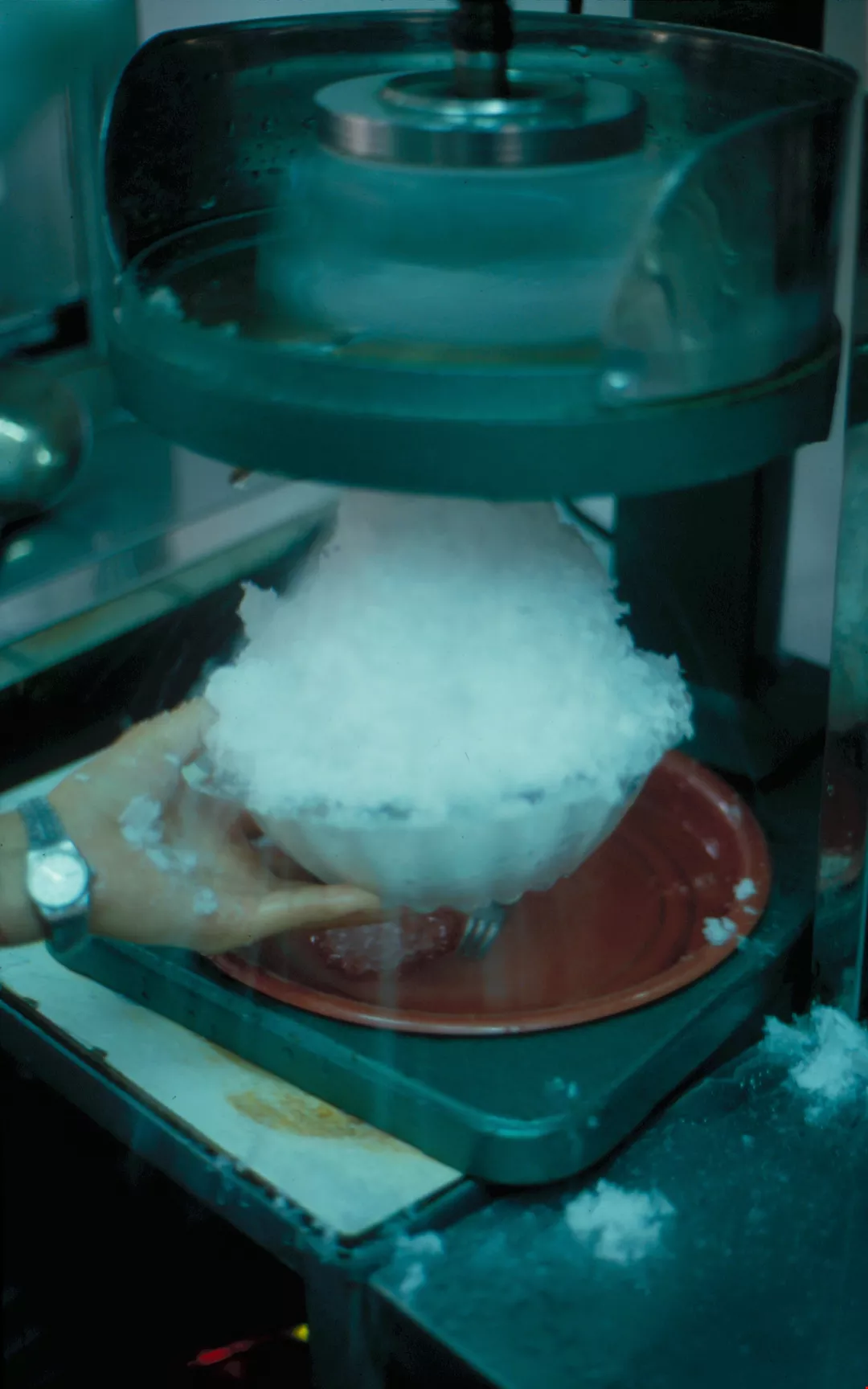
3. Convenient to use electric ice scraper.
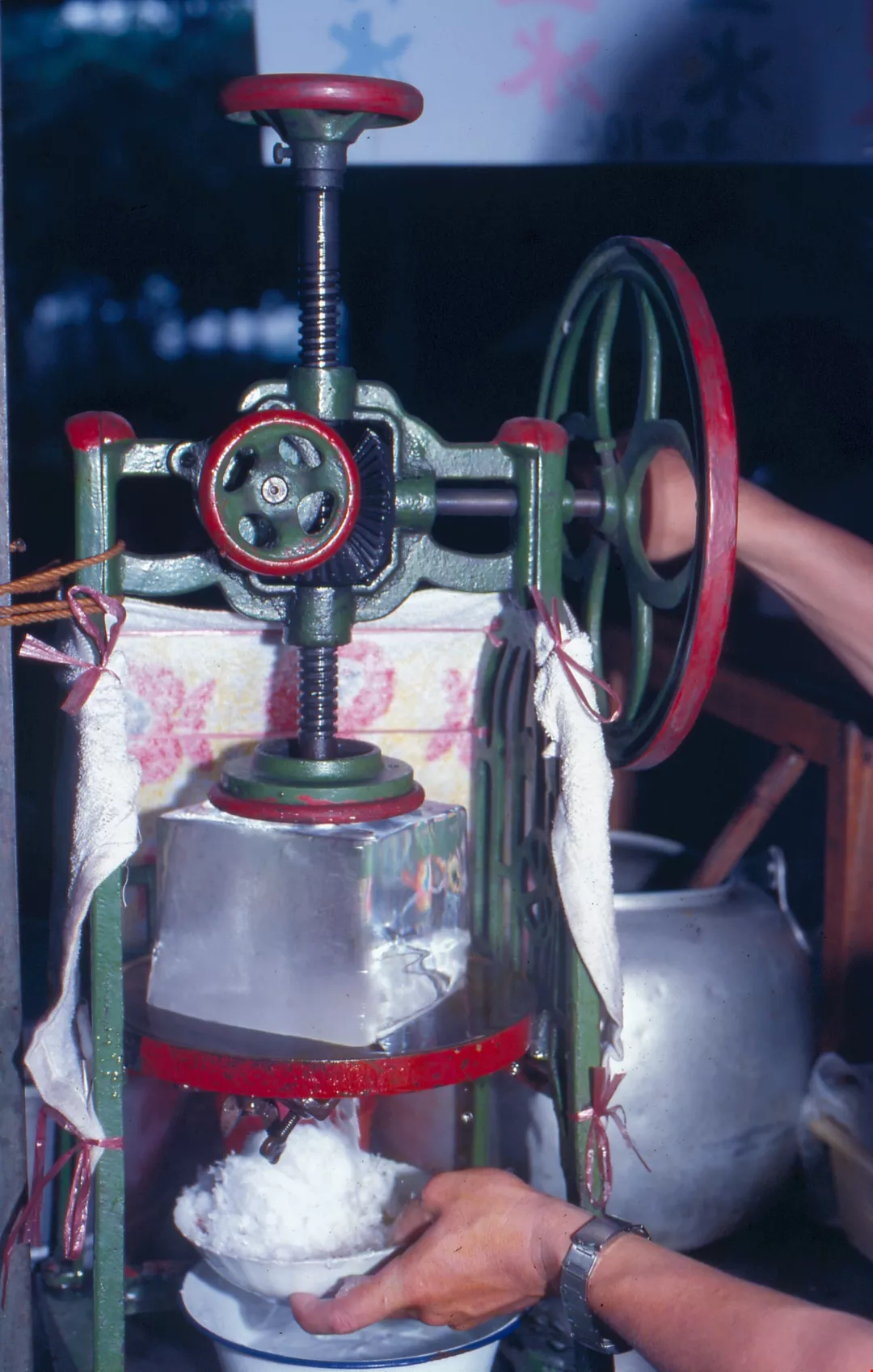
4. Hand operated ice scraper.
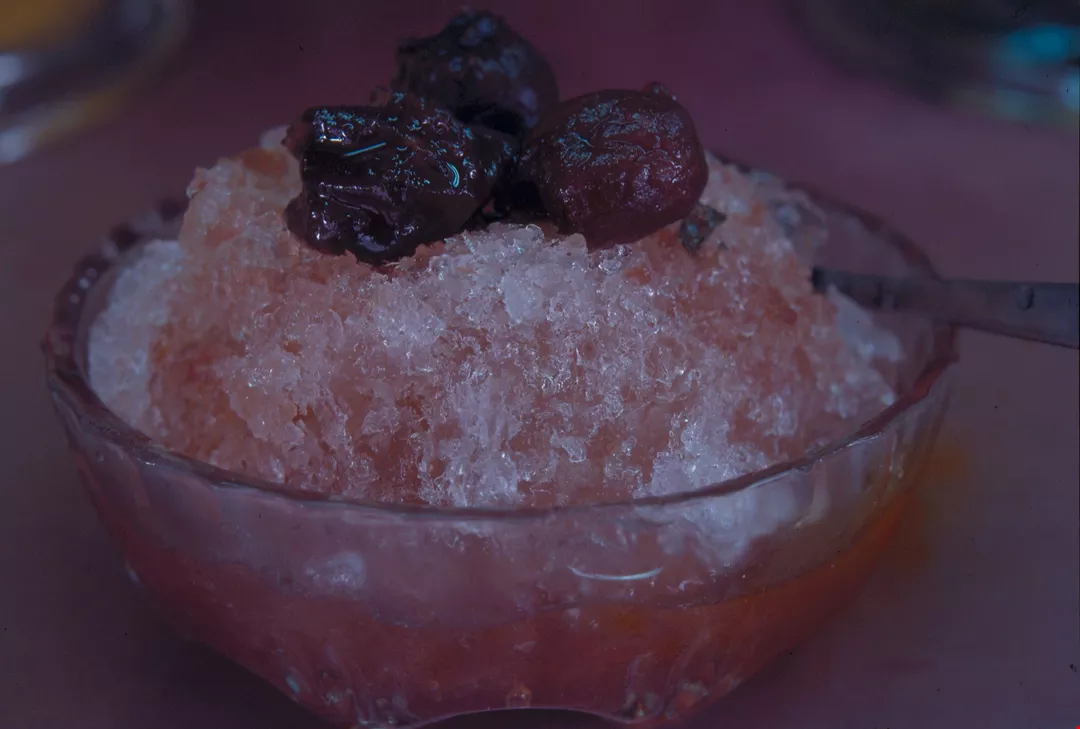
5. Black plum ice.
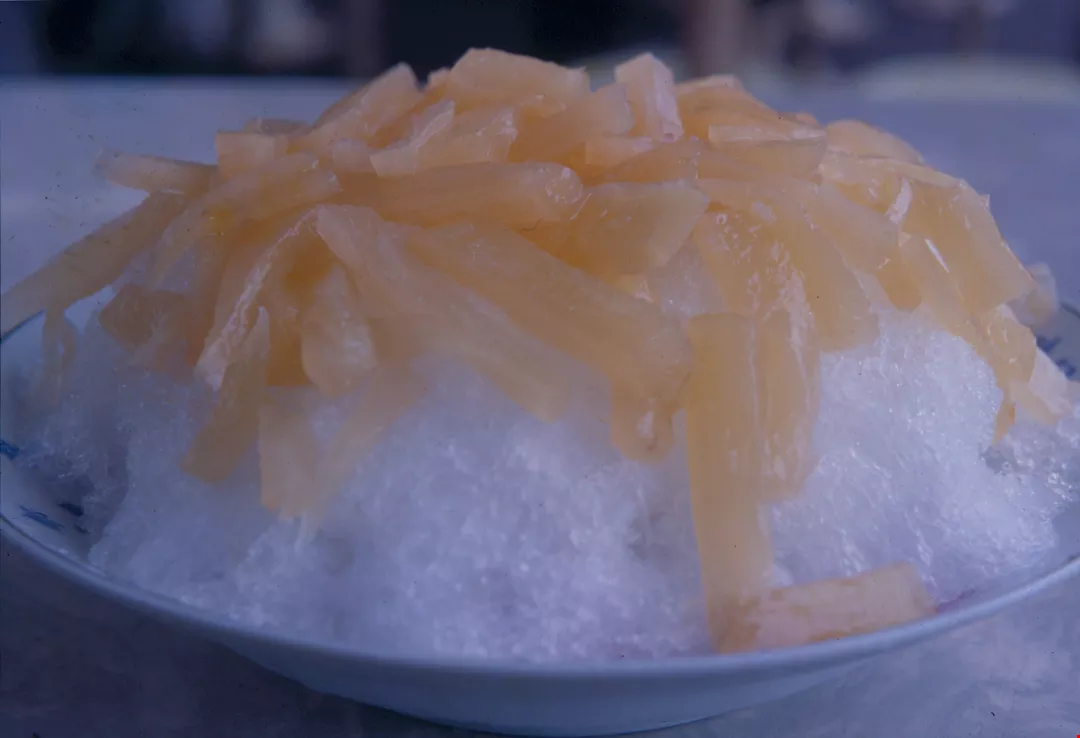
6. Pineapple ice.
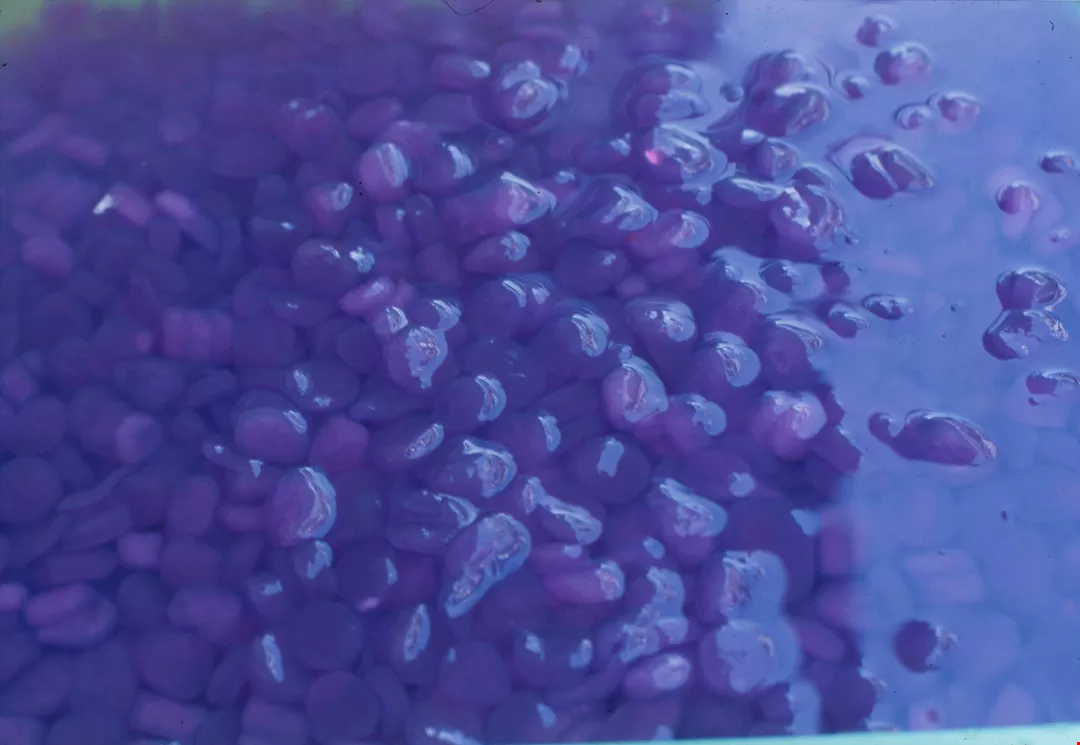
7. Brightly colored ice.
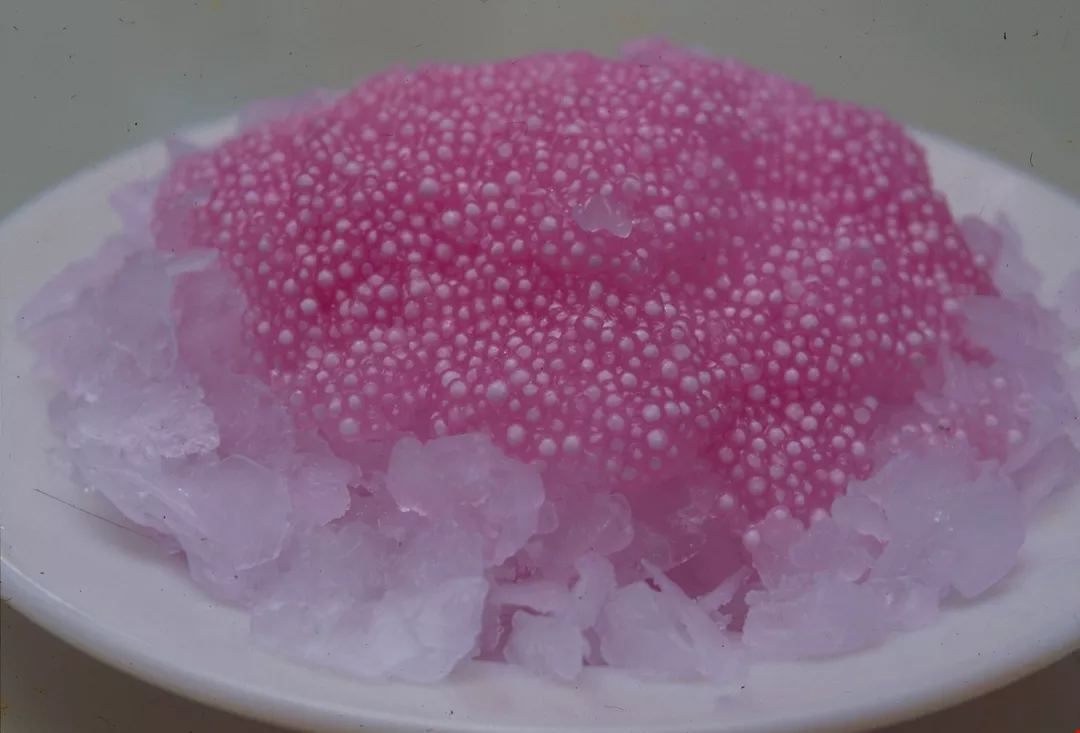
8. "Saigon style tapioca" ice.
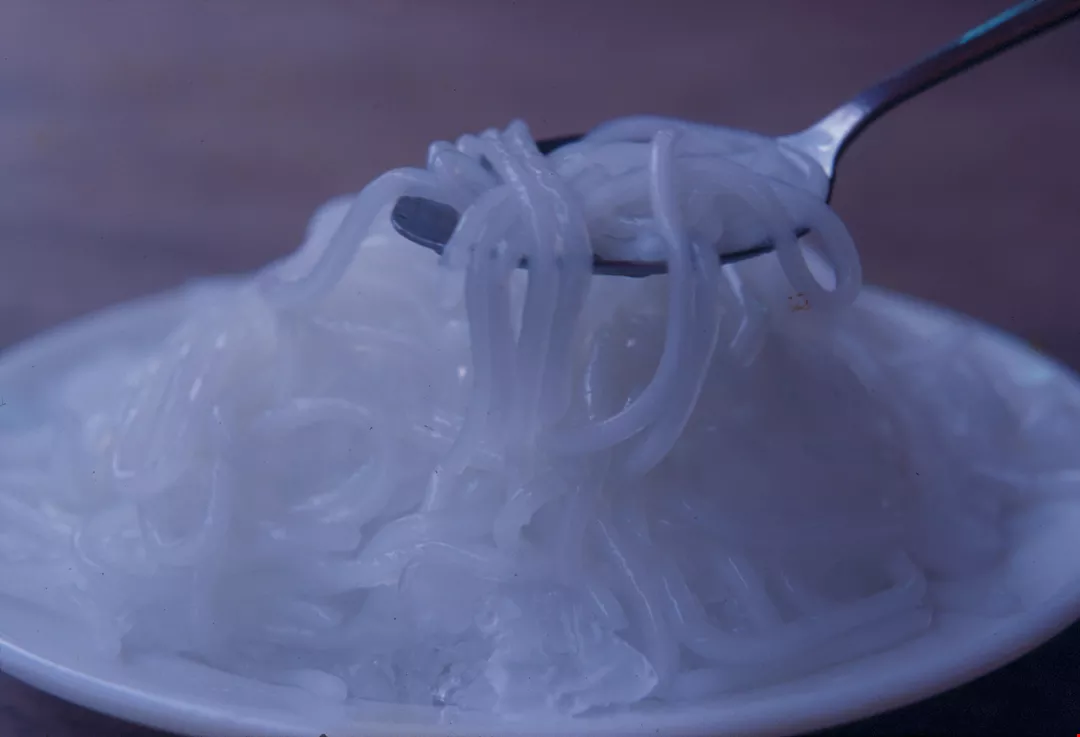
9. Vermicelli ice.
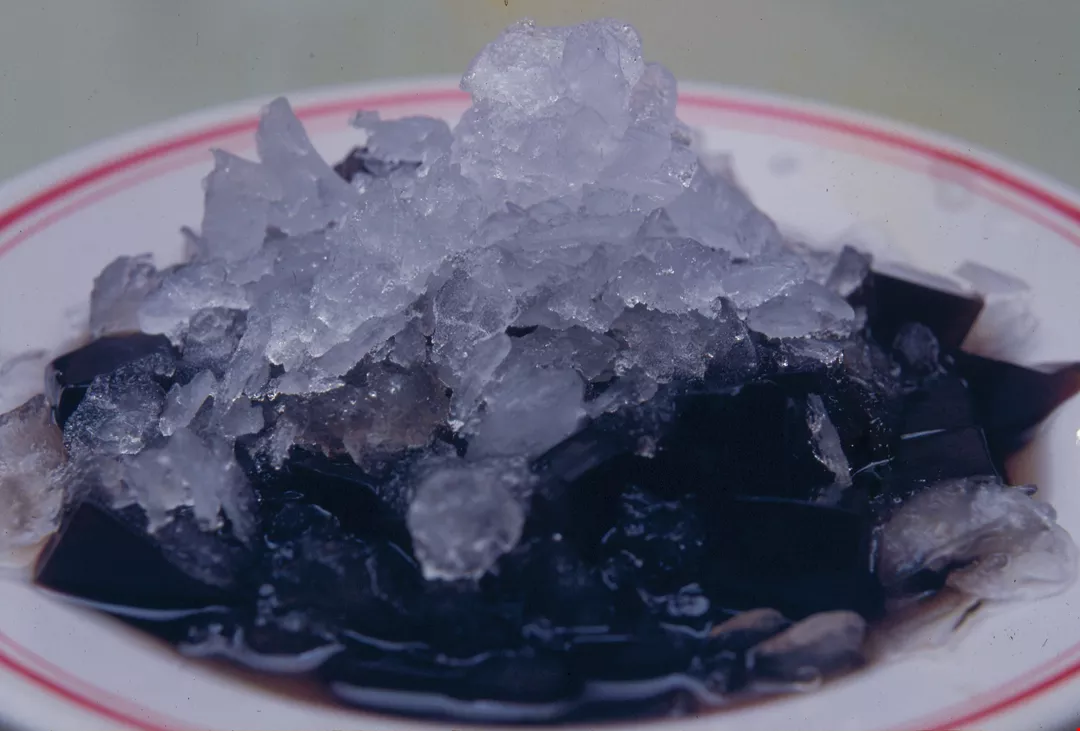
10. Shien Tsao ice.
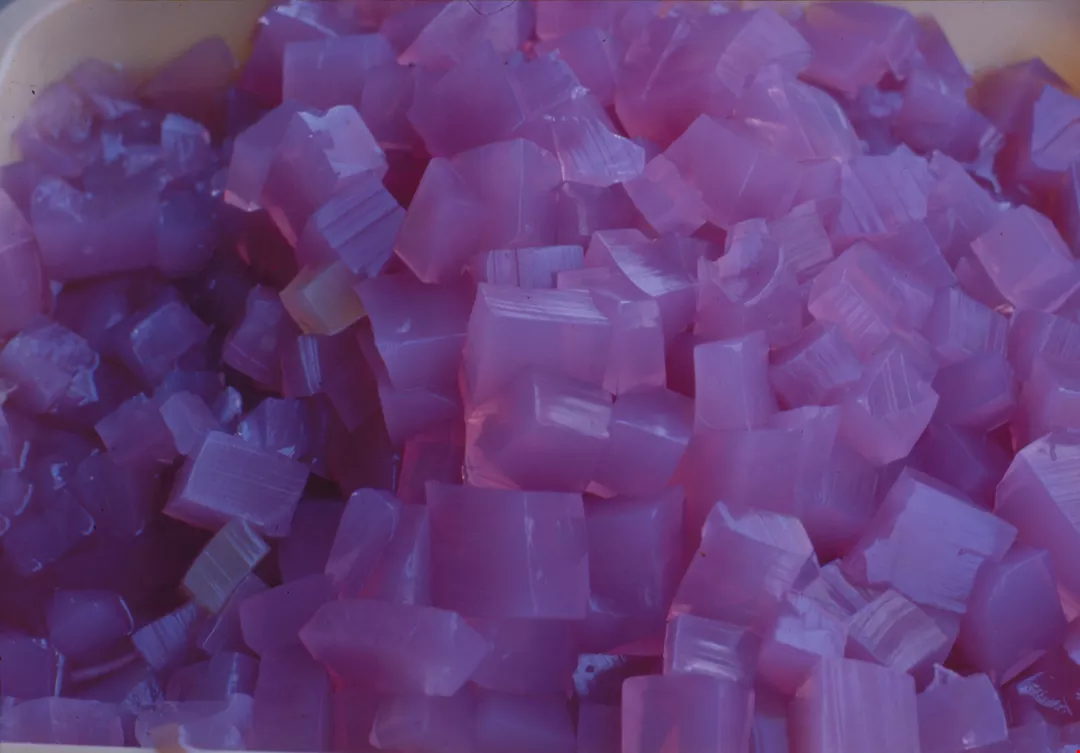
11. Fruit Jelly is a favorite ingredient.
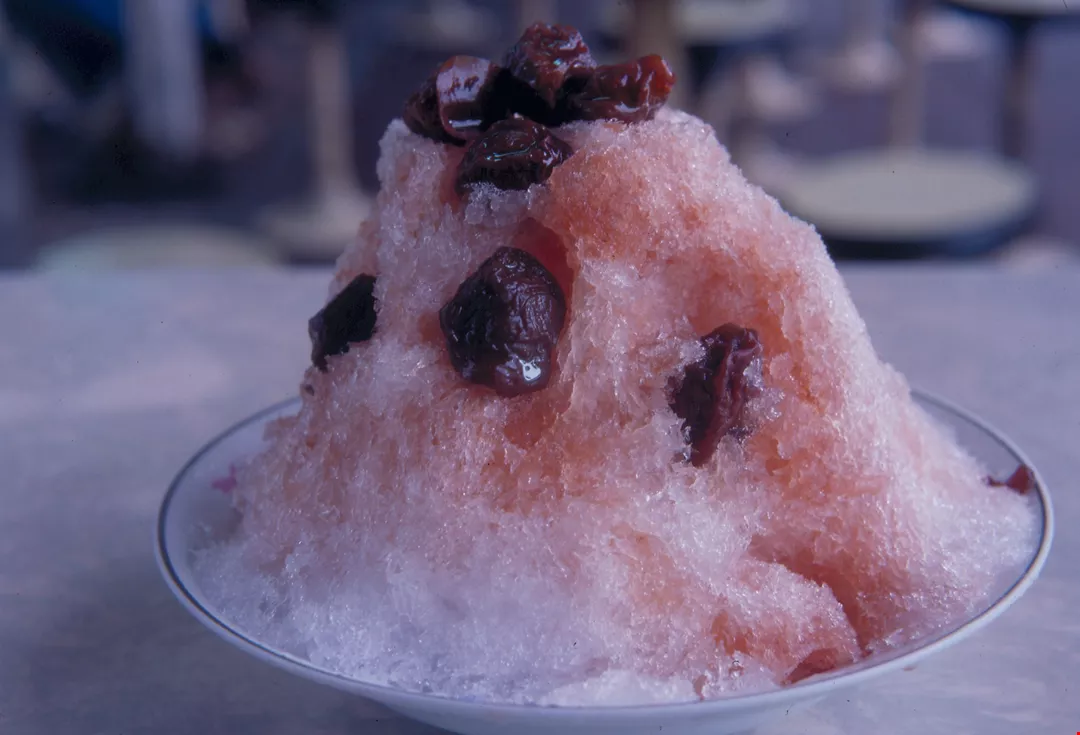
1. Sweet and sour plum ice.
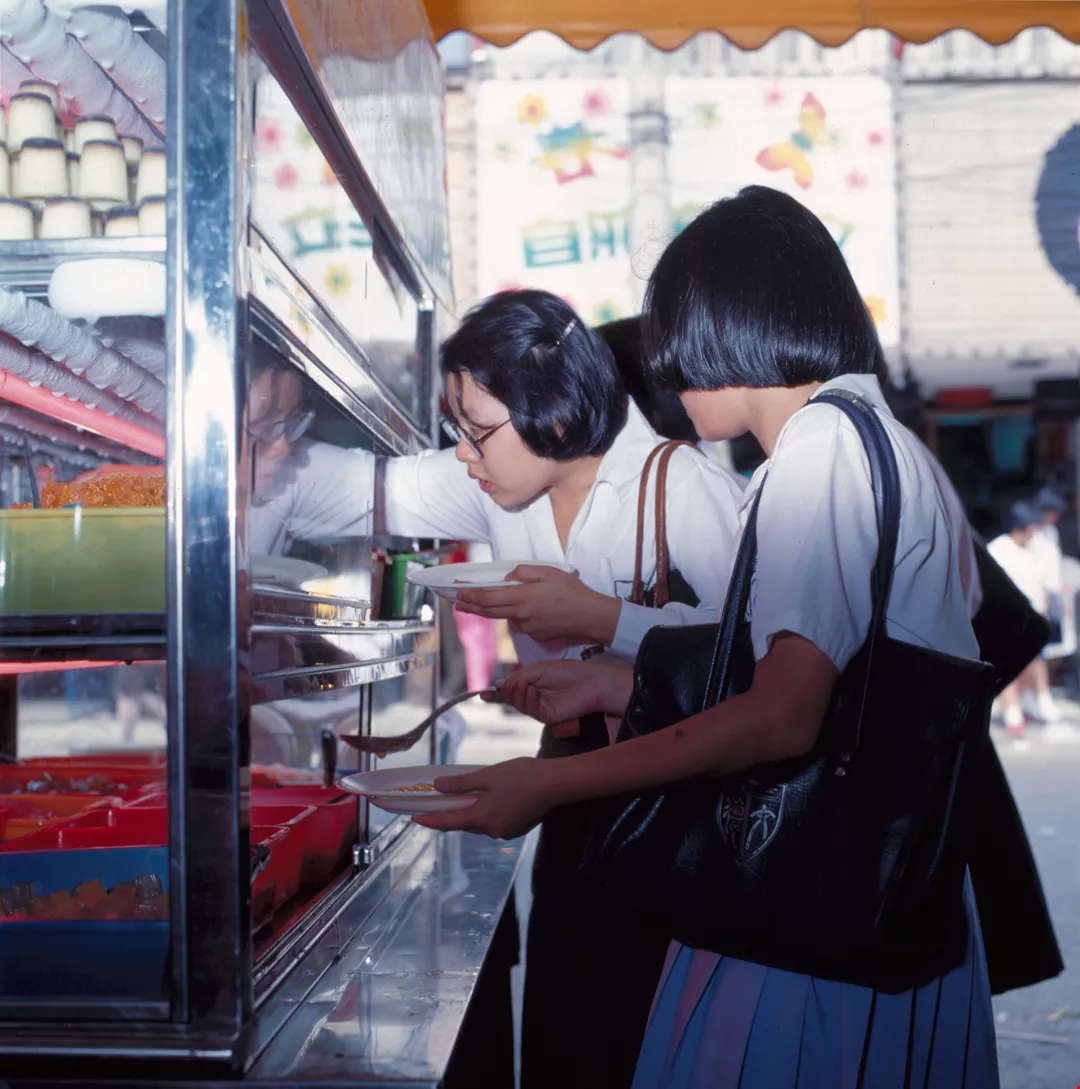
2. Self-serve ice stalls are convenient for students.
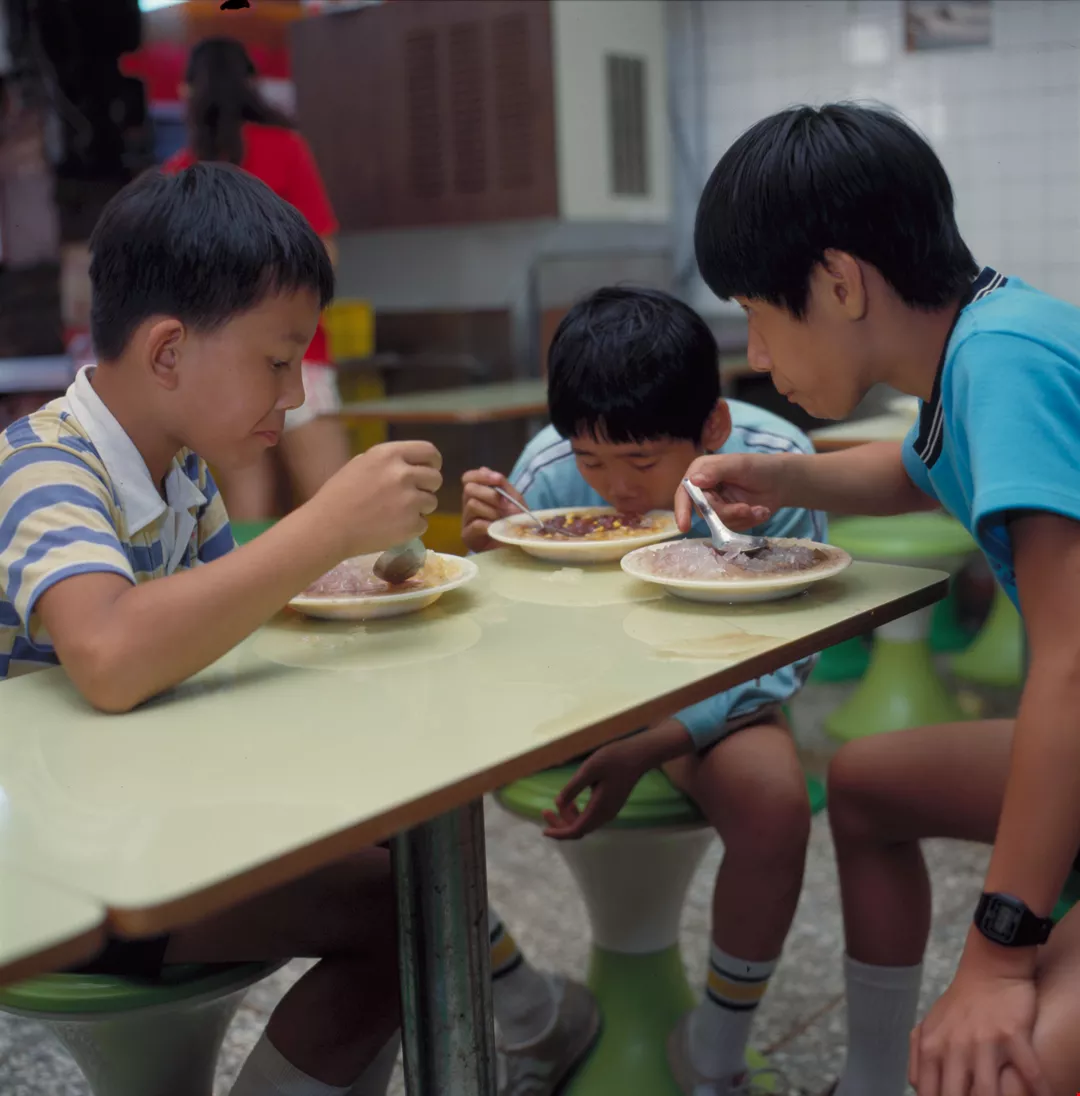
3. Children absorbed in eating ices.
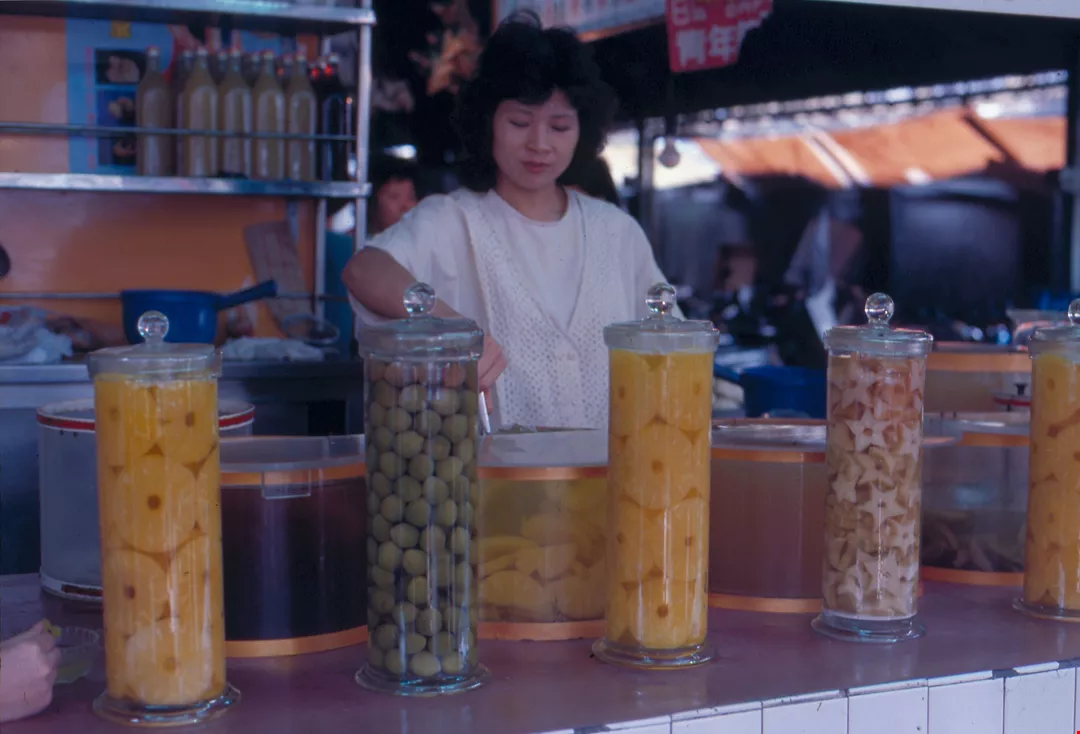
4. Glass container full of fruit.
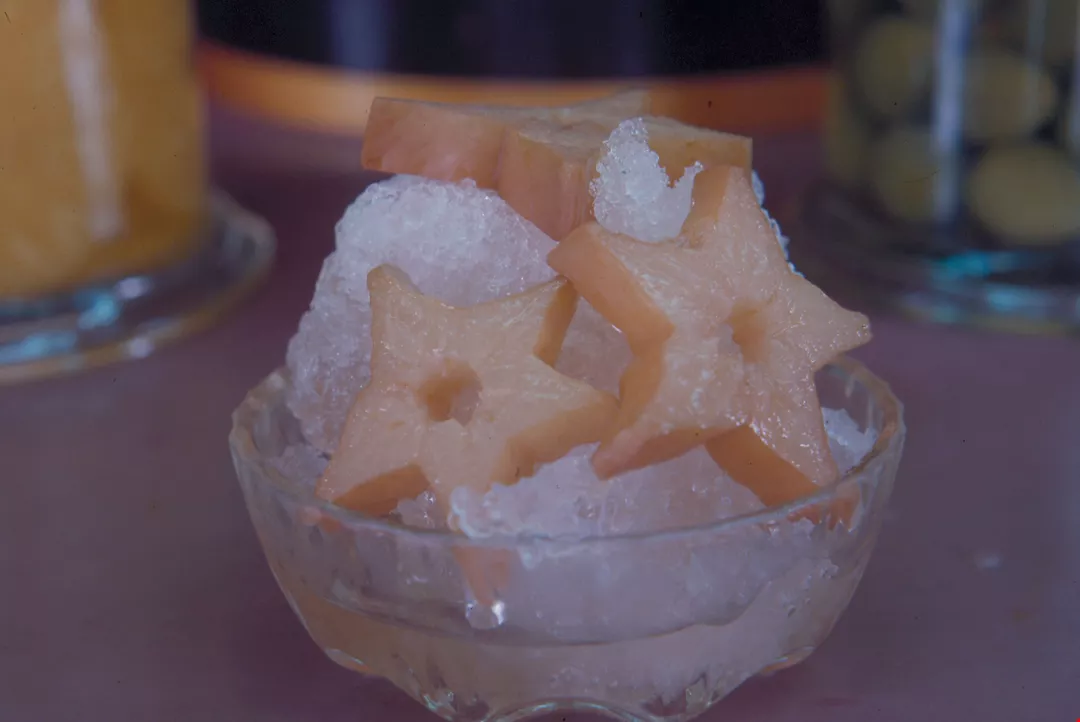
5. Starfruit ice.
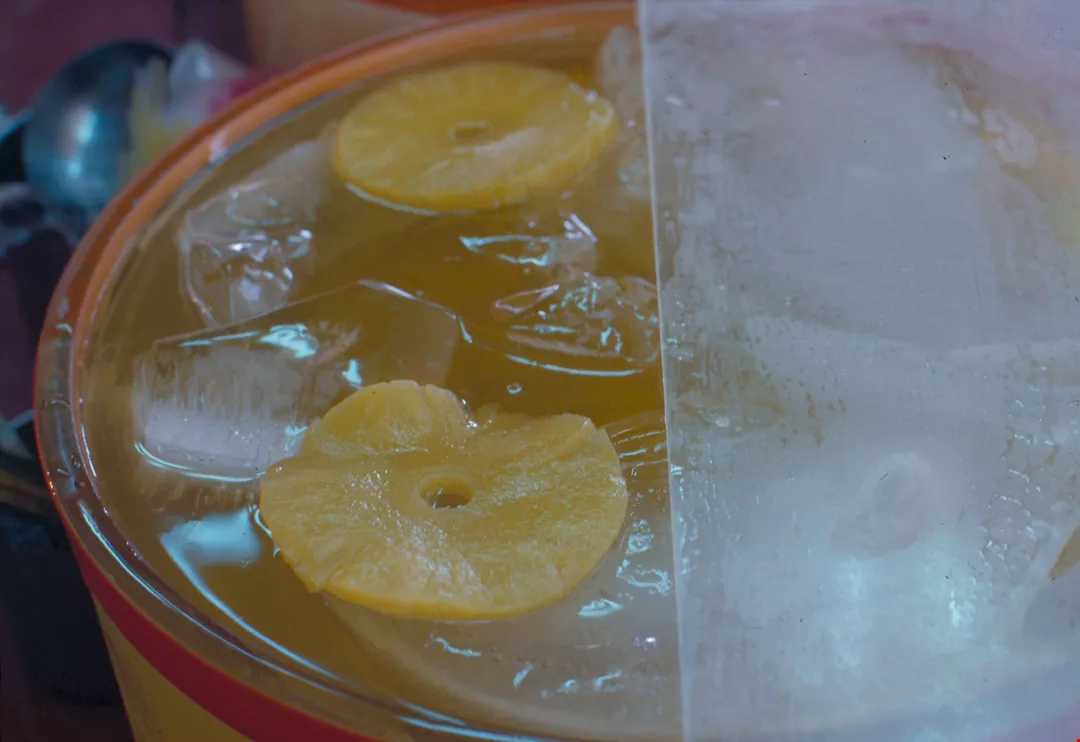
6. Traditional pineapple ice.

@List.jpg?w=522&h=410&mode=crop&format=webp&quality=80)


