Notes on the Underground--Earthquakes
Gypsy chang / photos Fu Chun / tr. by Mark Halperin
January 1986


Every year the earth experiences 30,000 earthquakes. Some are too minor to be even noticed, while others level cities. Fortunately, most are of the former variety. Many people who live in high risk areas never feel a major quake. For those who do, however, it can be a shattering experience, leaving its mark well after the rubble has been cleared. The catastrophic Kanto earthquake of 1923 destroyed most of Tokyo, and earthquake alarms in the following years terrified city residents, fearful of another disaster.
Striking with no warning and leaving as suddenly as they arrive, earthquakes are a phenomenon which have never lacked for human explanation. According to Chinese myth, under the earth lived a great buffalo. When the buffalo swished its tail, small tremors would result. When the animal rolled over, it produced a large quake. The Japanese claimed the animal was a catfish, not a buffalo, and when it moved its whiskers, the earth shook. Such naturalistic interpretations are not found in Western thought, but the Bible in several places mentions earthquakes as being produced by inexplicable divine forces.
Theories later became more scientific. In 1910 the German scientist Alfred Lothar Wegener disclosed his theory of continental drift, which has won widespread acceptance. He conceived of the earth's crust as being composed of six large geological plates and a host of smaller ones. 150 million years ago they were attached, like a seamless shell. Later, though, this configuration began to break up, resulting in the shattered surface of today.
Below the crust lies the asthenosphere, on which the plates rest, moving slowly, four to five centimeters a year. The plates are in constant motion, crowding here and rubbing there. Should their movements be of exceptional quickness and scope, they shake the surface and produce serious earthquakes.
The eastern part of Taiwan, resting on the junction of the Alpide and Philippine plates, is the most vulnerable part of the island. Experts predict the disappearance of this area in about 40,000 years. The Philippine plate is pushing against the Alpide plate, but the latter refuses to yield, meaning the former has nowhere to go but beneath it. The overall effect will be to put the of over 3000 meters and create earthquakes for years to come.
In the course of studying earthquakes, man learned much earlier how to predict their location than to gauge their severity. The first device was invented in China in 132 A.D. by Chang Heng, a former court historian. According to records of the time, the device was made of fine copper and round in shape, measuring about eight feet in circumference and resembling a wine urn.
Most earthquake instruments used today were invented in Meiji Japan. The Japanese invited several physicists and mechanical technicians to Japan. None had lived in an earthquake-prone region. Finding the experience unusual, they cooperated in inventing several measuring instruments. Nevertheless, these early efforts were quite crude and had problems during serious tremors. Now devices can gauge a number of things, such as the location and speed of quakes, and the sway of the building. Some measure only small, imperceptible tremors, while others are designed for major quakes. These precisions instruments share the quality of being extremely sensitive. Excessive noise disturbs them, and they must be installed in quiet, remote places.
Taiwan, located on the Pacific Rim, one of the world's three most volatile areas, on an average day experiences four earthquakes. Geologists foresee that, gen the configuration of the earth's geological plates, six areas in the next ten years can expect major quakes. Taiwan and its vicinity head the list. Prediction, rather than measurement, is of paramount importance to people who live in earthquakeprone areas, but as yet, seismologists have not found a means to predict accurately the intensity, location, or time of quakes.
This inability does not mean people have not tried. Chinese histories are full of omens which heralded the coming of earthquakes. Many are in fact preceded by a high-pitched sound, similar to the tearing of paper. One record stated that 2000 years ago, "Earthquakes in Ninghsia usually come in the spring and winter. When they do, the well water becomes agitated, and the dogs bark, as if to ward off the disaster." Aberrant behavior by animals often presages a quake.
Regarding research in Taiwan, efforts were made as early as 1960, but they suffered for lack of resources. A big step, however, was taken in 1971 when a group of returned scholars from abroad with the aid of the National Science Council set up the Earthquake Research Center, which later became the Earth Science Research Department of the Academia Sinica. At present, earthquake-related research is being conducted at a number of universities in the Republic of China. The Academia Sinica has 23 separate measuring locations employing 70 seismographs, which together constitute a veritable network of seismic information. For larger projects, the organization prefers to work with other research bodies, both foreign and domestic.
The eastern seacoast represents the trouble spot for earthquakes in Taiwan. In June 1984 a joint project involving researchers from the ROC and the U.S. installed ten seismographs on the east coast ocean floor in an effort to measure the "temper" of the fissure between the Alpide and Philippine plates. Other experiments have been performed to gauge the speed of quakes and anticipate their possible effects on dams, bridges, and nuclear reactors. The results of such tests will have an important impact on nuclear power development in the ROC The first four plants are constructed on solid rock, but the next will have to be built on softer soil. Scientists last year at Lotung installed two protective screens, the sort which are used to safe guard nuclear plants, to see how they fare under such conditions.
Others devote their energies to damage control in case of earthquakes. At a meeting not long ago in Taipei, Chinese, Japanese, and Americans discussed such measures. IBM design consultant Chang Yi-kuang proposed a method of protecting mainframe computers, in which the computer room would rest on a spring-like material, allowing the machines to float with the quake and continue functioning. Others spoke of ways to protect communication, electric, and gas lines. Earth quakes often sever oil, gas, and water pipes, causing fires and preventing people from controlling them. Water purification facilities become damaged, which raises the specter of epidemics.
The Kanto earthquake left an indelible mark on Japan, and Japanese earthquake damage measures consequently are very thorough. Taiwan, despite its perilous location, lacks overall coordination among its plans. The last earthquake of note (7.1 on the Richter scale) struck Hsinchu in what seems long ago during the Japanese occupation.
One place to begin damage control measures is with construction materials. Chinese often used bamboo, wood, straw, and reeds in their housing. Bamboo, being flexible and light, could withstand well the shock and stress of earthquakes. In the northern part of mainland China, however, such materials are rare. Historical excavations show that earthquakes of a magnitude of over 7.0 struck several times in ancient China, each time resulting in the death of over 100,000 people. The 1976 Tangshan quake was particularly horrendous, killing over 700,000.
Although tall structures toppled like dominoes in the earthquake last September in Mexico City, experts still maintain that standard concrete buildings reinforced by steel girders, built along the principles of sound construction, have the best chance at surviving serious earthquakes. Mexico City itself is situated on what was once a lakebed, with a high sand and moisture content, producing a weak foundation. In the face of such adverse conditions, a strong building is not enough and special precautions must be taken.
Taipei's major structures are equipped with seismographs, but so far they have not been tested in a major degree. Last October, however, a quake measuring 6.2 struck Japan, affecting over 30 million people. No one died and no buildings cracked. Said Prime Minister Nakasone proudly, "Japan has passed the earthquake test." Japanese makers are said to test building materials for their resistance to quake-like stress.
Taipei, like Mexico City, is built on what was once a lakebed. Ch'en Ch'ing ch'un, director of National Taiwan University's Earthquake Engineering Research Center, reports that one manager of a aluminum door and window frame company recently came to him asking advice on how to manufacture earthquake-proof products. Such attitudes should be commonplace in the ROC and other countries which live under the constant threat of earthquakes.
What To Do In Case Of Earthquake:
1. To protect against fire, turn off immediately all gas and electricity sources. Earthquakes often break water pipes, making fire-fighting extremely difficult.
2. Run to an open area. If one cannot get outdoors, hide under a strong, short piece of furniture to avoid injury from falling debris.
3. People living in tall buildings should not stampede toward the exits, lest they fall and be trampled to death. Those that cannot get out should avoid windows and stay under a large support beam.
4. Do not take cover in alleys, near walls, or beside rivers, dikes, or cliffs. Tiles and signs fall easily. Brick, mud, and stone walls are prone to collapse. River banks and cliffs often break apart.
5. People living by the seashore should seek higher ground to avoid tidal waves, which usually take place within two hours of the quakes.
6. People living downstream from dams should seek higher ground immediately.
7. After the major quake may come smaller aftershocks. Although less severe than the initial tremor, precautions still should be taken.
8. After the quake, residents should listen to the news for damage measures and reports.
[Picture Caption]
The 1935 Hsinchu earthquake registered 7.0 on the Richter scale, creating a crack which extended over 10 kilometers. (Photo supplied by Lo Wen-According to experts, the six areas most likely to experience serious earthquakes are, from left to right, Turkey, India, Taiwan, Japan, California, and Mexico.
Most earthquakes in Taiwan took place in the eastern part of the country .
Dr. Hsu Ming-t'ung has been studying earthquakes for over 20 years.
"If the needle begins to move irregularly, it means earthquake," explains Yeh Yung-t'ien of the Academia Sinica Earth Science Research Center.
Chang Heng and his earthquake location prediction device. No remains of this instrument have ever been found, and the sketch above is based on accounts from ancient histories. (Photo courtesy of Newton magazine)
The bigger the structure, the greater the need for quake-proof construct ion.
Brick-and-tile buildings suffered the most in the Hsinchu earthquake. (Photo supplied by Lo Wen-hsien.)
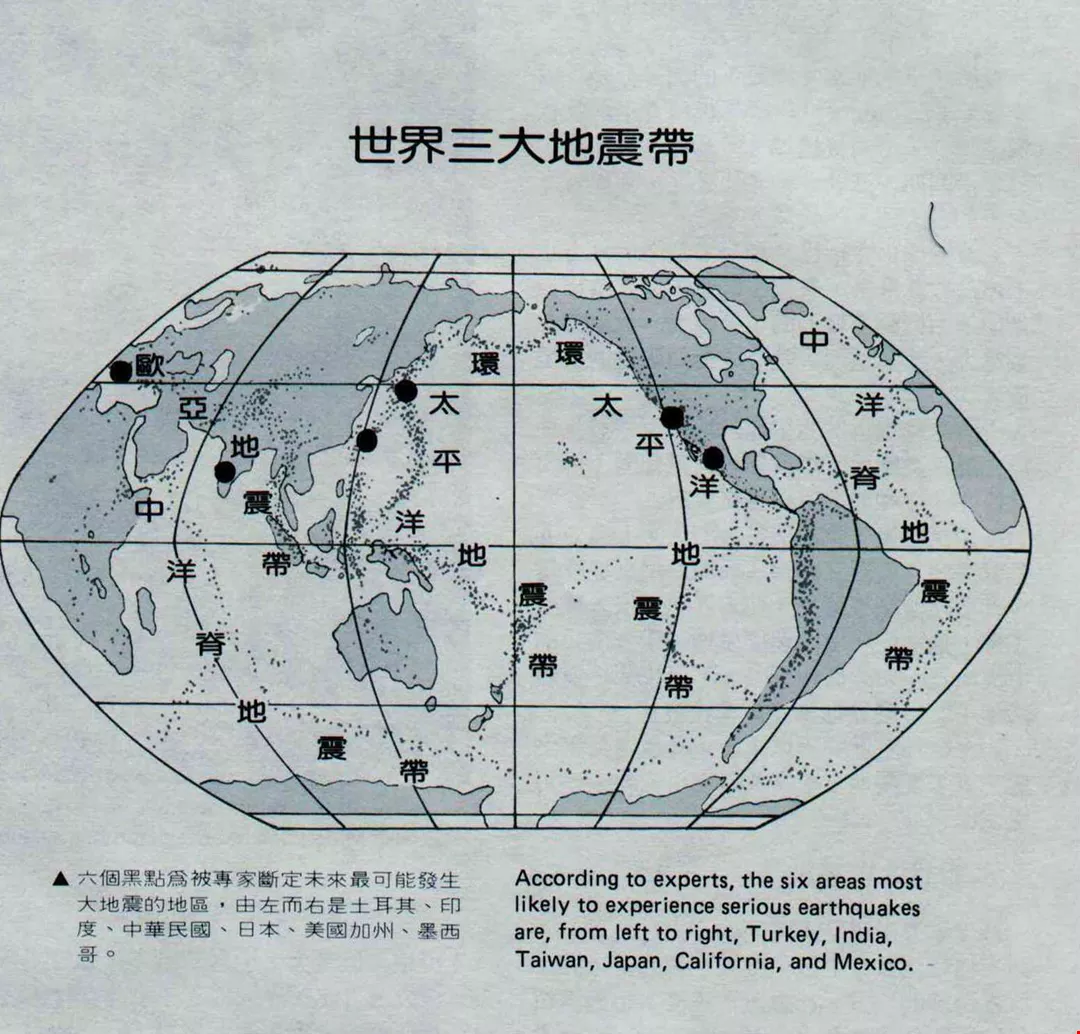
According to experts, the six areas most likely to experience serious earthquakes are, from left to right, Turkey, India, Taiwan, Japan, California, and Mexico.
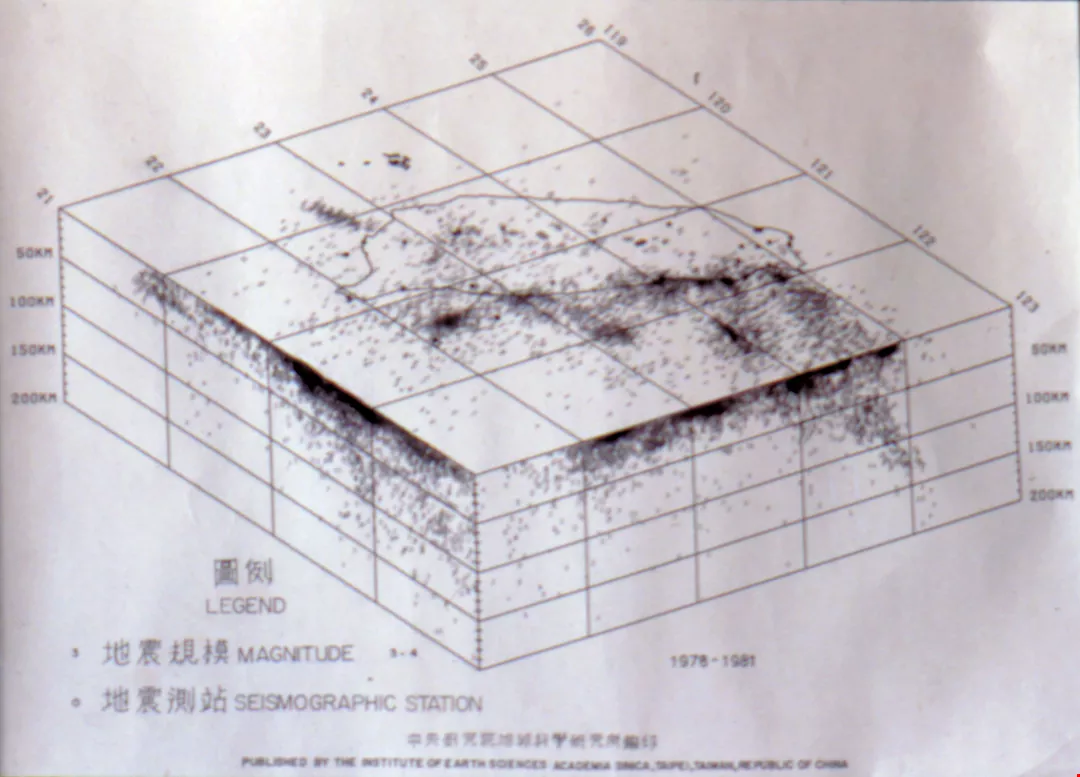
Most earthquakes in Taiwan took place in the eastern part of the country .
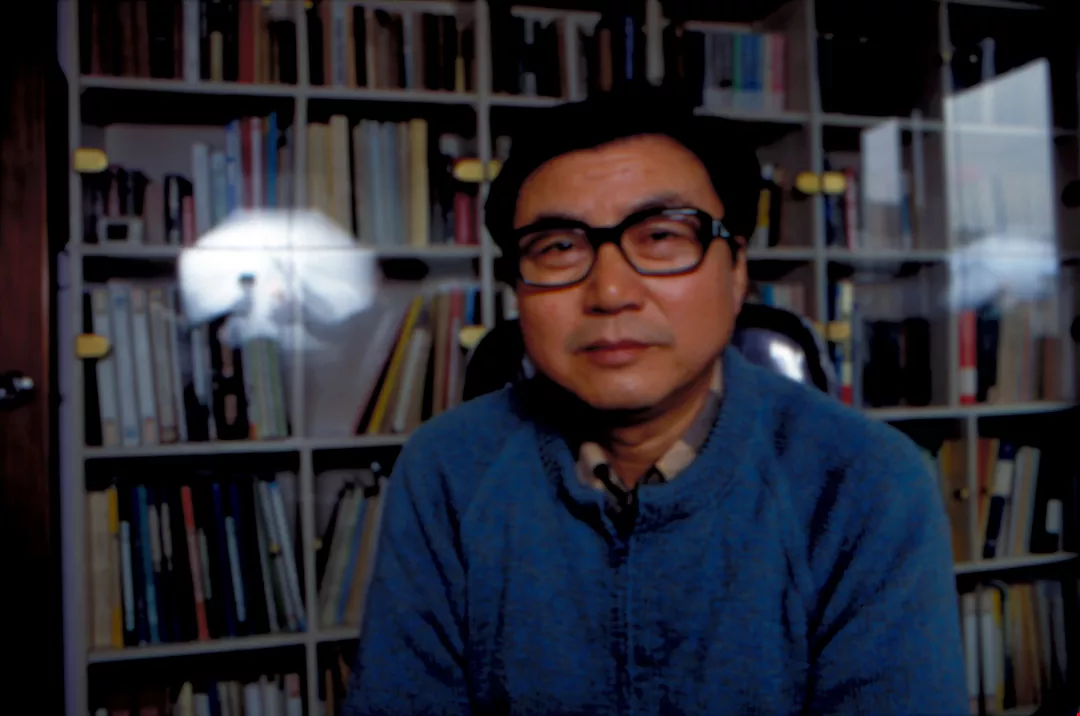
Dr. Hsu Ming-t'ung has been studying earthquakes for over 20 years.

earthquake degree of Taiwan in 1986.
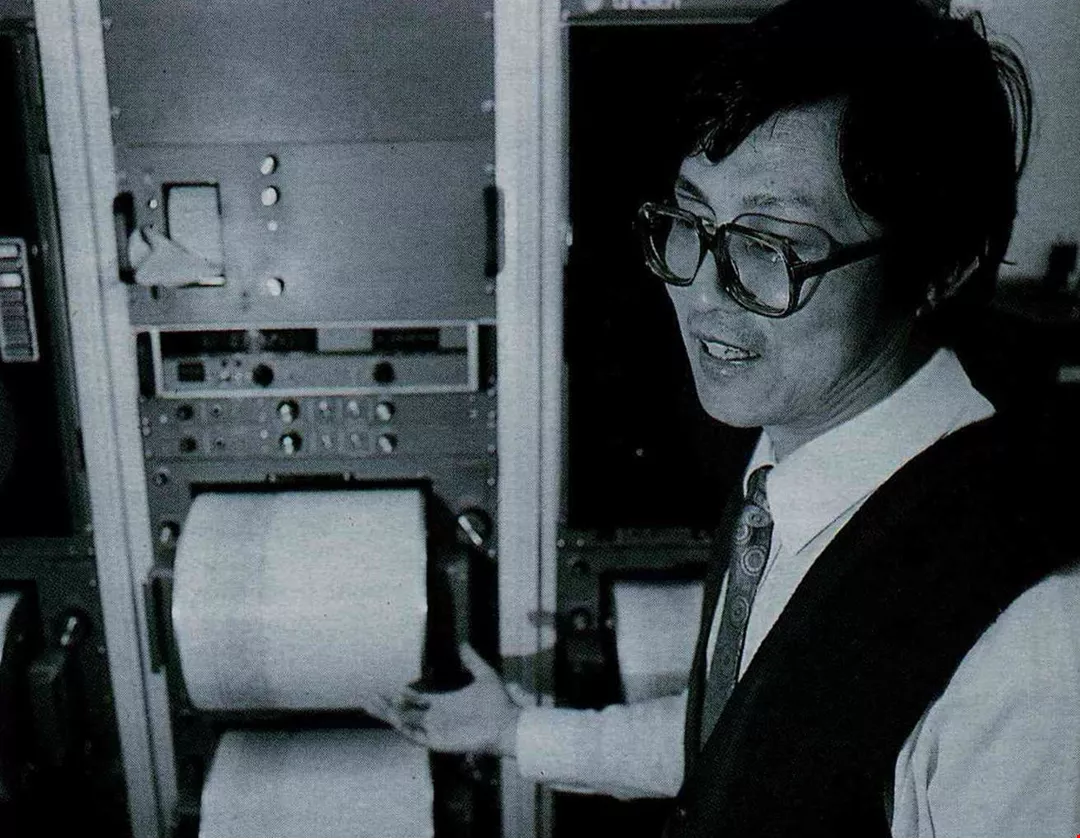
"If the needle begins to move irregularly, it means earthquake," explains Yeh Yung-t'ien of the Academia Sinica Earth Science Research Center.
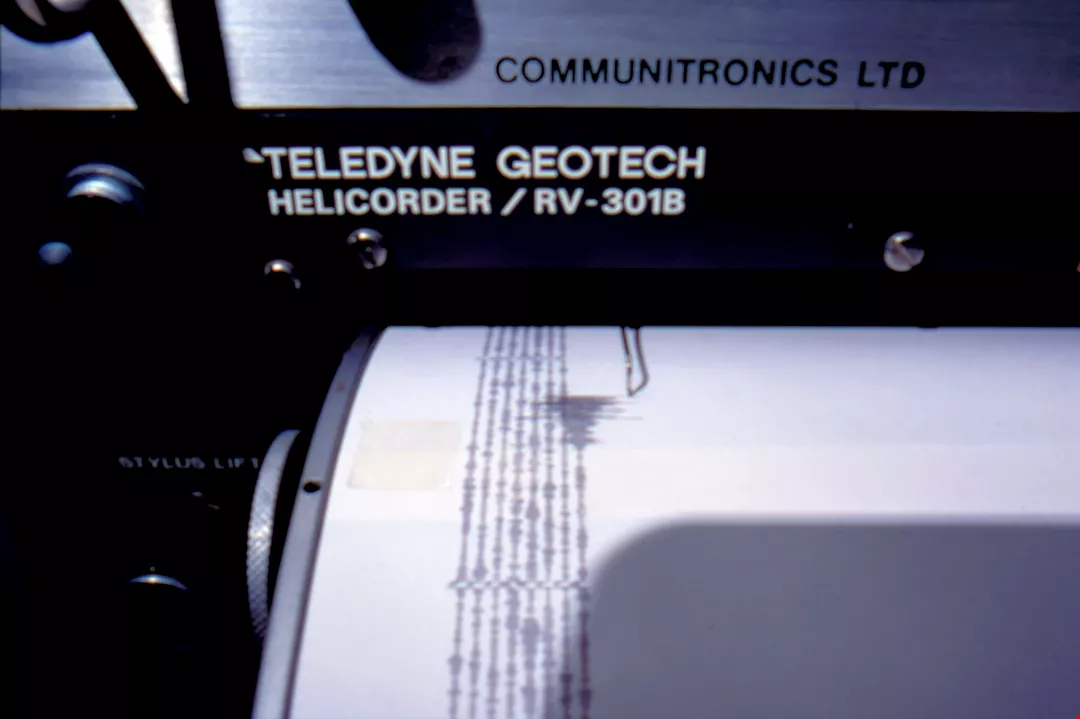
"If the needle begins to move irregularly, it means earthquake," explains Yeh Yung-t'ien of the Academia Sinica Earth Science Research Center.

Chang Heng and his earthquake location prediction device. No remains of this instrument have ever been found, and the sketch above is based on accounts from ancient histories. (Photo courtesy of Newton magazine)
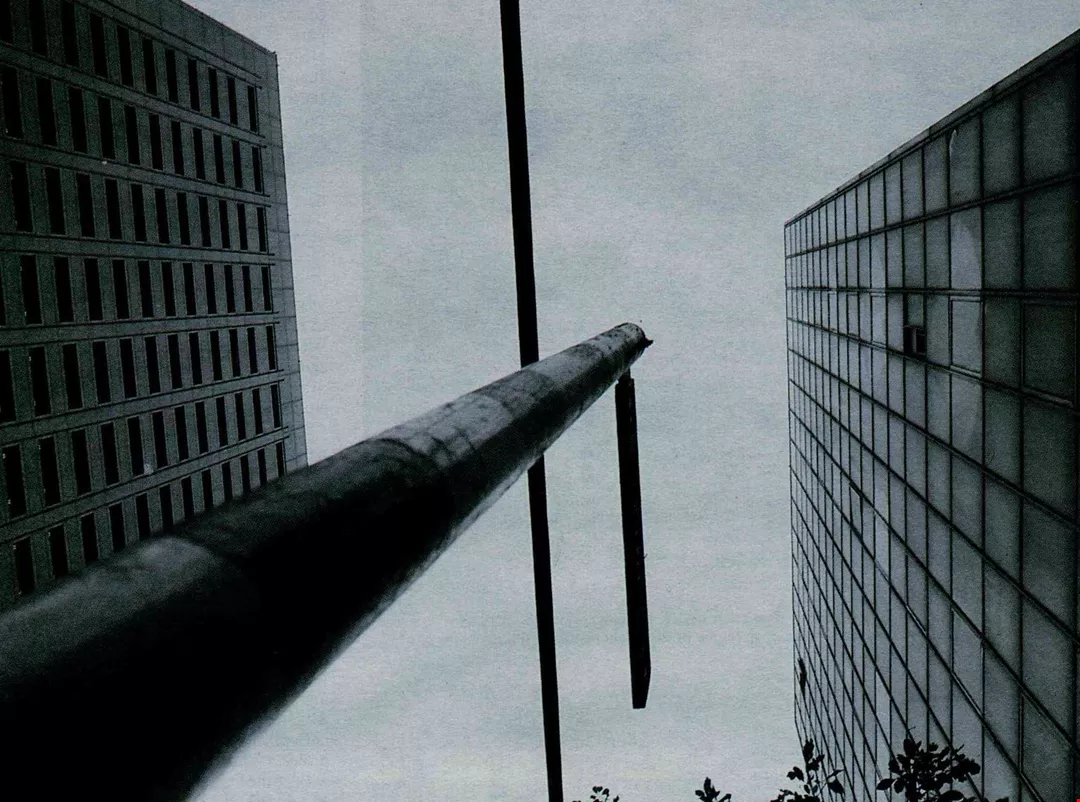
The bigger the structure, the greater the need for quake-proof construct ion.
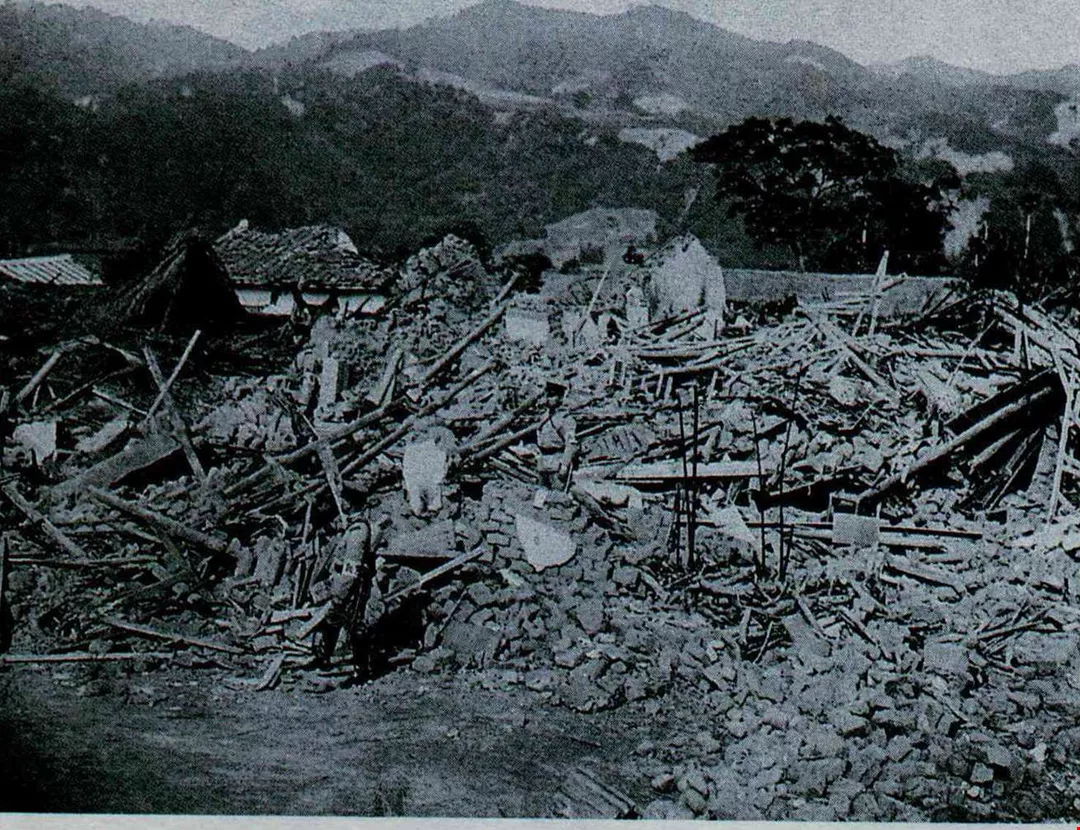
Brick-and-tile buildings suffered the most in the Hsinchu earthquake. (Photo supplied by Lo Wen-hsien.)


@List.jpg?w=522&h=410&mode=crop&format=webp&quality=80)


