The Chinese are noted for their ability to bear hardships and work untiringly and this is expressed literally in Chinese as "swallowing bitterness". But when it comes to gastronomy, the Chinese are especially fond of swallowing bitterness in the form of the Momordica charanta; otherwise known as the bitter gourd. Most people prefer the sweet to the bitter, yet the Chinese, who consider cuisine an art, are particularly fond of the bitter gourd. According to connoisseurs, a unique sweetness follows the initial bitter taste of the bitter gourd.
Although the gourd resembles a melon, it does in fact belong to the gourd family. With at least four hundred years of history in China, the bitter gourd thrives in the southern provinces of China as well as Taiwan. In Taiwan, Changhua County and the southern cities of Liuying and Pingtung are major centers where the bitter gourd is grown all year round. However, there are more consumers during the summer months. And the demand from Chinese communities throughout the world is so great that Taiwan exports this extraordinary delicacy.
The leaf of the bitter gourd resembles a hand, while its flower is bright yellow. The gourd itself is shaped like a spindle and its skin is covered with small bumps. Unripe bitter gourds are tender and the skin is a light green color. As it ripens, its color becomes lighter until it turns orange. The degree of bitterness can be gauged by the gourd's color - the light green bitter gourd is indeed bitter, and while the orange bitter gourd is not very bitter, its flesh is too tough to eat. Thus experts recommend eating the bitter gourd when it has begun to fade but before it becomes too tough.
In imperial times the literati of China were intrigued by the bitter gourd. During the Ching dynasty a monk by the name of Shih Tao was also known as Bitter Gourd Monk. According to legend, this nickname had deep political significance. The green skin of the bitter gourd symbolized the Ching Dynasty, while the red flesh symbolized the Ming Dynasty which had been overthrown by the invading Manchus. Thus the name Bitter Gourd Monk has been taken to mean that his loyalty was still with the Chinese Ming dynasty. However, historians discount this romantic legend because Shih Tao intended the nickname to be sarcastic about himself.
The bitter gourd consists mainly of water and its calorie content is quite low; 100 grams contain only 13 calories. It also has very little fat, protein or sugar, though it does have small amounts of calcium, phosphorus, and vitamins A and C. Oriental and occidental concepts of nutritional value often differ. From the western point of view the bitter gourd is not particularly nutritious, but the Chinese believe that it is "cool" and can neutralize "acidity". They also believe that it can cleanse the blood.
But apart from numerous different ways to prepare the bitter gourd for the table, it can also be used to make bitter tea and bitter gourd juice. Bitter tea, using the gourd's root and other Chinese herbs, is a traditional Chinese beverage. The Chinese believe that bitter tea assists digestion and quenches thirst. Bitter gourd juice, it is said, cures boils because according to Chinese medicine, boils are caused by an excess of "acid" in the body and the bitter gourd neutralizes the "acidity". But whatever the theory, Chinese children are as receptive to bitter gourd juice as Western children are to castor oil. Recently, however, bitter gourd juice proponents have made the medicine more palatable by adding honey, milk and crushed ice.
Another use for the bitter gourd is as a dye. The red skin of the gourd's seeds are the ingredient of a very popular natural dye.
According to medical research reports, the bitter gourd has cancer inhibiting properties. Says Lin Jong-yao, professor of biochemistry at the National Taiwan University, "Certain elements in bitter gourd seeds have been found effective in controlling the spread of cancer in guinea-pigs." This is a significant discovery, but applications for humans still require research.
The unique bitter taste of the bitter gourd is subject to debate because some people cannot agree on the merit of bitterness. And the appearance of the bitter gourd is also controversial: some consider the gourd ugly while others see aesthetic value in its bumpy skin. In fact the National Palace Museum in Taipei boasts of a jade sculpture of a bitter gourd, which shows the beauty of the bitter gourd.
Although the bitter gourd makes appearances in the cuisines of foreign countries - the Indians, for example, pickle the bitter gourd to reduce its bitterness - the Chinese are the only people who know how to appreciate and take full advantage of the bitter gourd.
[Picture Caption]
1. The strange shaped bitter gourd is said to be cool and refreshing. 2. Bitter gourds for sale at the market. 3. Shih Tao styled himself the "bitter gourd monk". This is one of his paintings of bitter gourds. 4. Bitter gourds going to market. 5. A dish made with bitter gourd. 6. Pork fried bitter gourd. 7. Five flavored bitter gourd.
1. A white jade bitter gourd from the National Palace Museum collection. 2. After cooking, bitter gourd's outside turns white and its inside turns red. Beautiful. 3. Bitter gourd vines and blossoms. 4. Dried bitter gourd seeds are used for medicinal purposes. 5. Ripe bitter gourds.
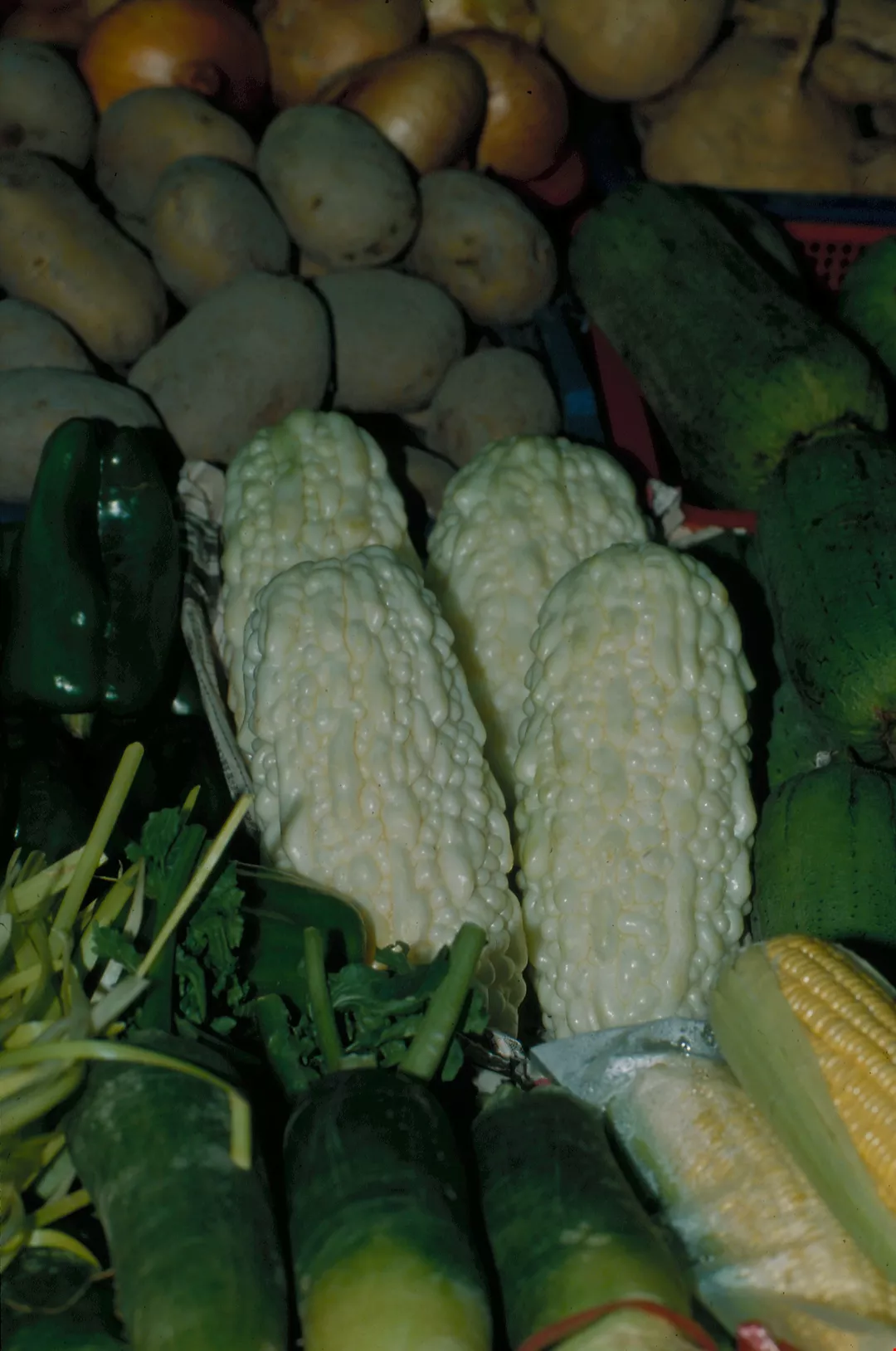
2. Bitter gourds for sale at the market.
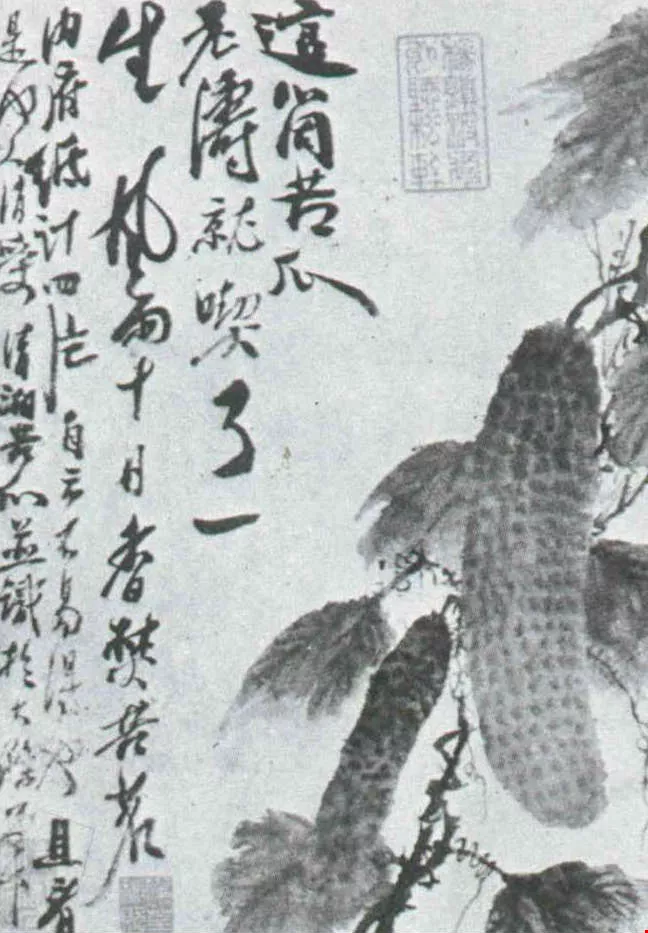
3. Shih Tao styled himself the "bitter gourd monk". This is one of his paintings of bitter gourds.

4. Bitter gourds going to market.
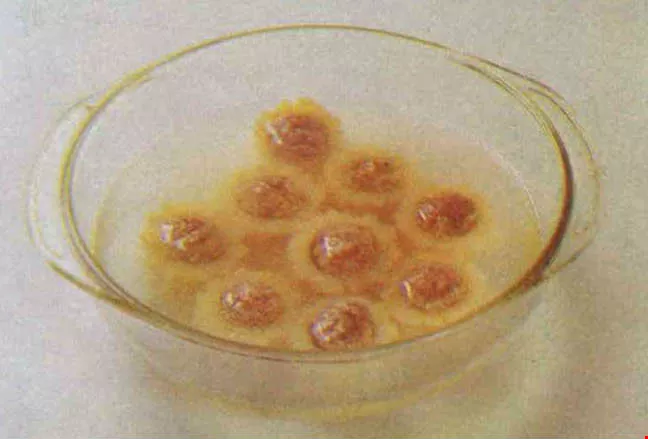
5. A dish made with bitter gourd.
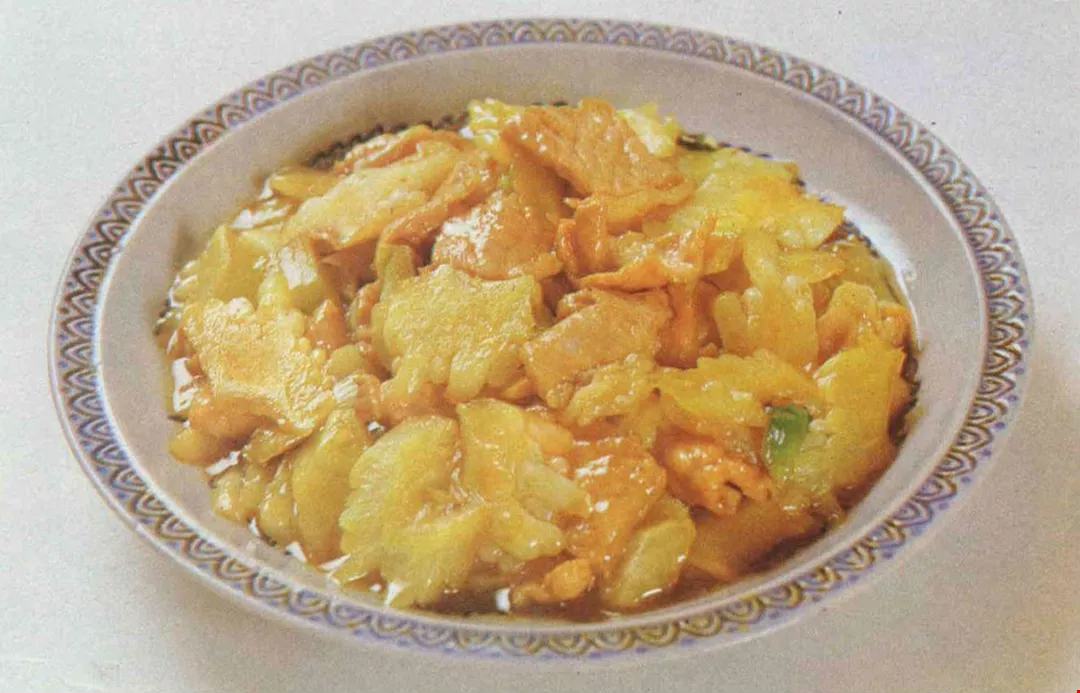
6. Pork fried bitter gourd.
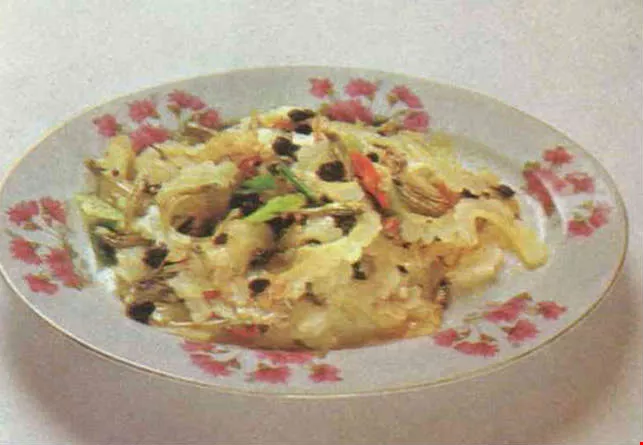
7. Five flavored bitter gourd.
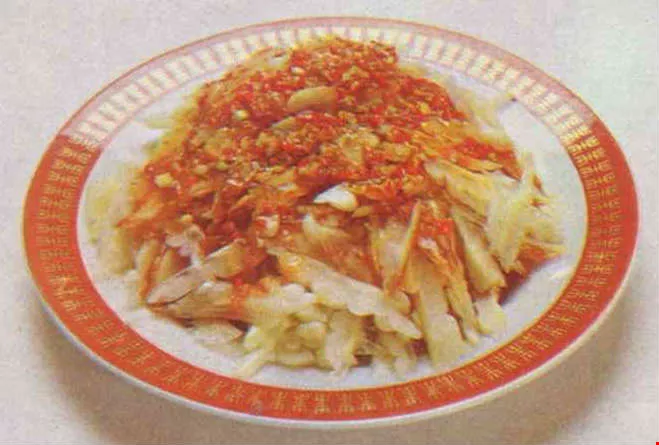
Five flavored bitter gourd.
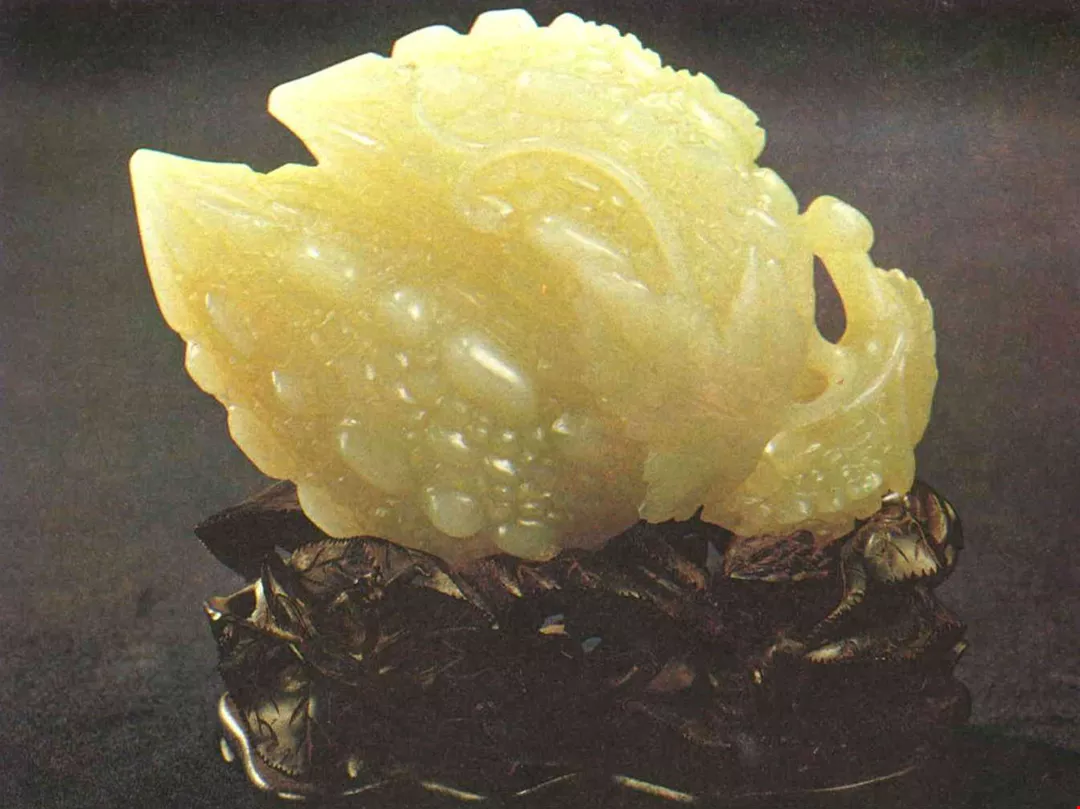
1. A white jade bitter gourd from the National Palace Museum collection.
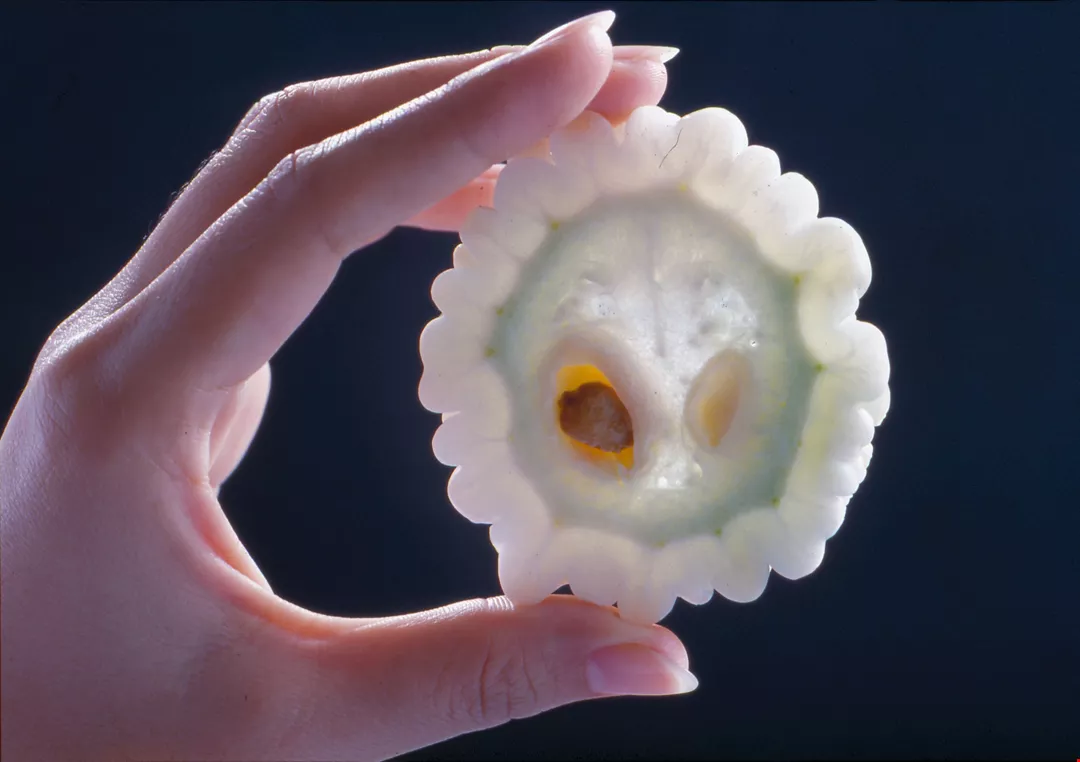
2. After cooking, bitter gourd's outside turns white and its inside turns red. Beautiful.
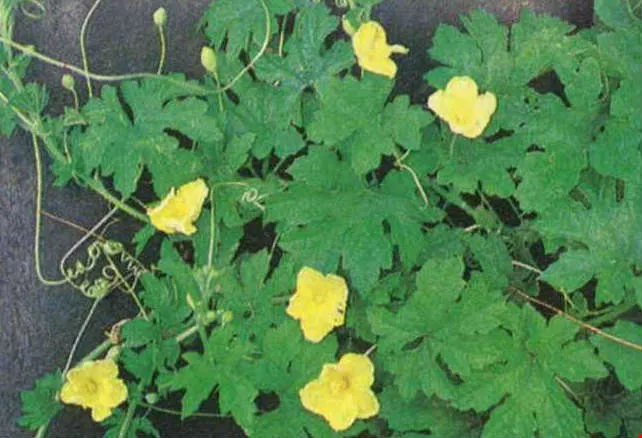
3. Bitter gourd vines and blossoms.
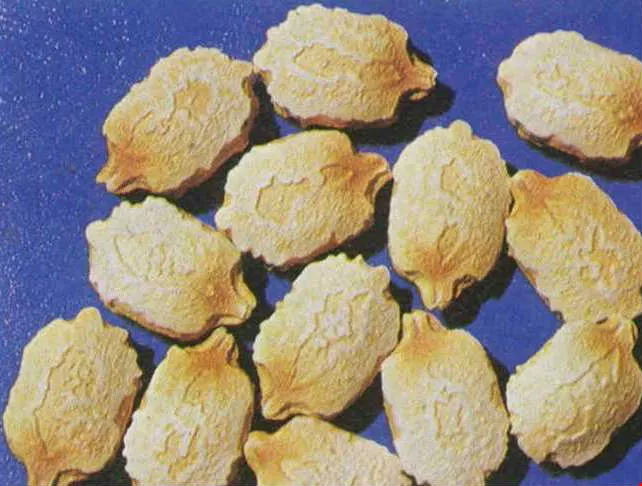
4. Dried bitter gourd seeds are used for medicinal purposes.



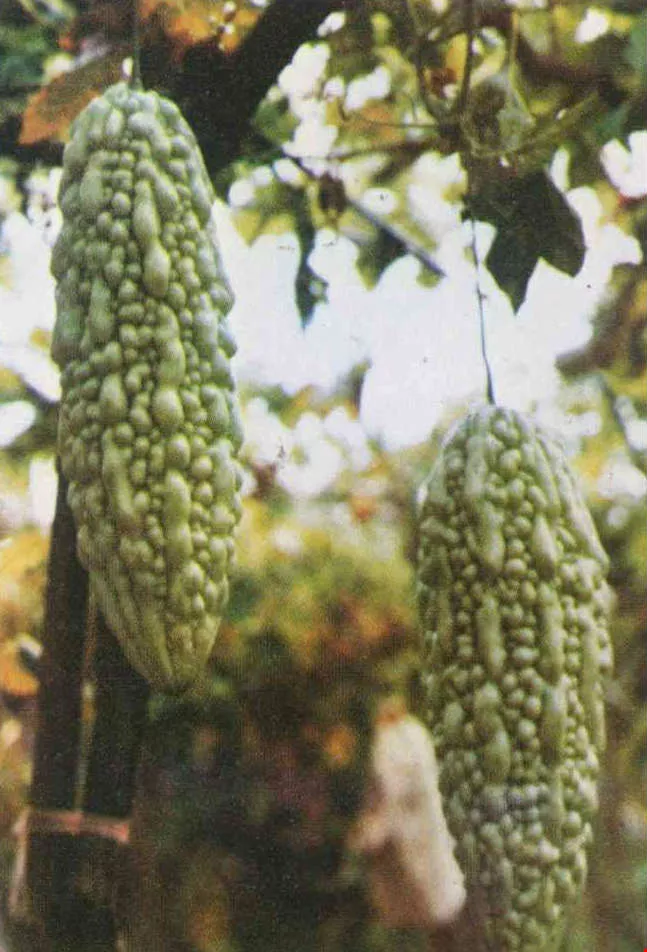
@List.JPG?w=522&h=410&mode=crop&format=webp&quality=80)


