Light in the Darkness
Stories of Human Rights, the Ocean, and Starry Skies on Green Island
Kent Chuang / photos by Kent Chuang
September 2026



-27.jpg?w=1080&mode=crop&format=webp&quality=80)




Keyword:
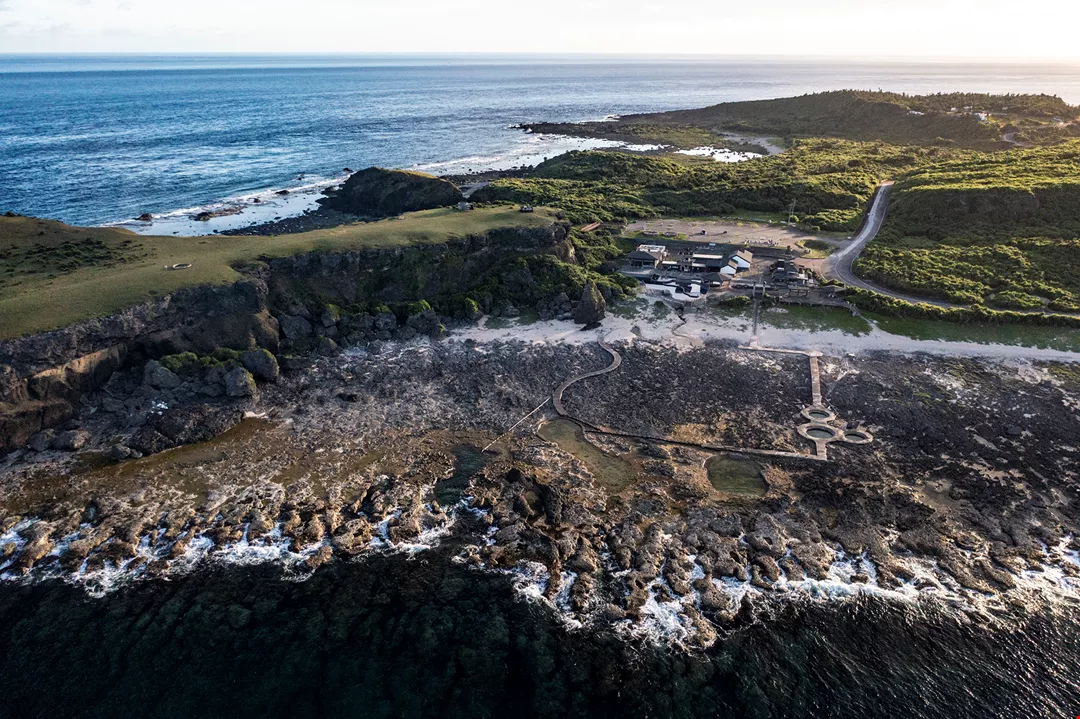
Green Island Taiwan history and tourism
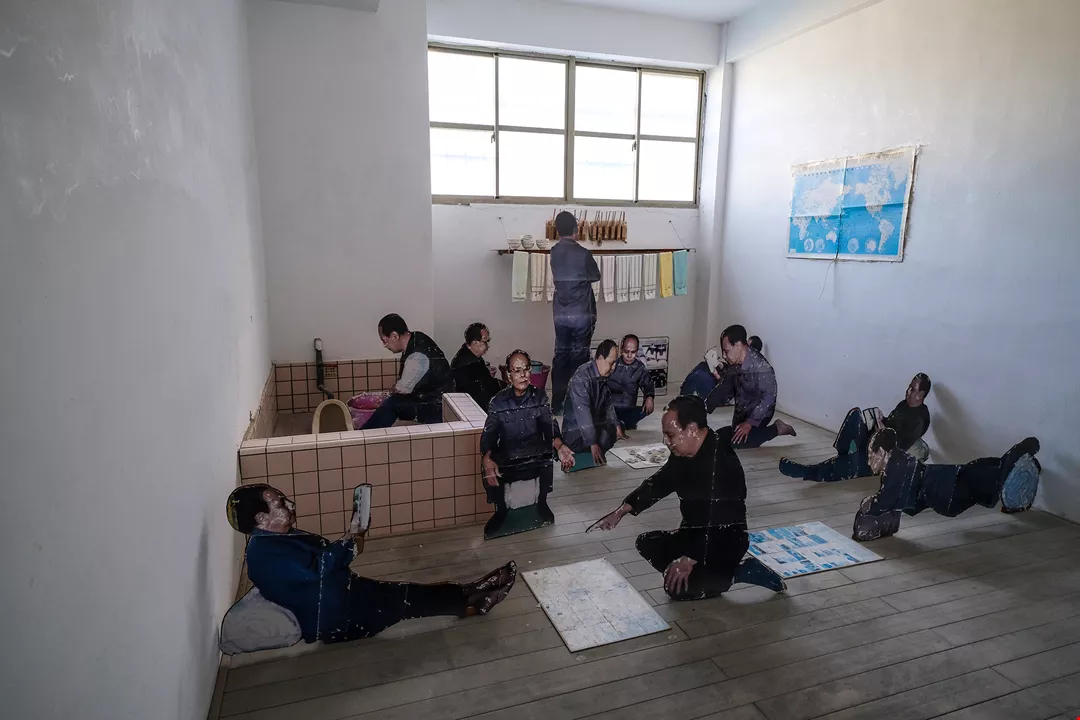
Green Island White Terror Memorial Park
New Life Correction Center Green Island
scuba diving in Green Island Taiwan
Green Island Blue Cave snorkeling
Green Island saltwater hot spring
Green Island dark sky stargazing
Perseid meteor shower Green Island
Green Island marine conservation
sustainable tourism in Green Island Taiwan

@List.jpg?w=522&h=410&mode=crop&format=webp&quality=80)


@List.jpg?w=522&h=410&mode=crop&format=webp&quality=80)
@List.jpg?w=522&h=410&mode=crop&format=webp&quality=80)

@List.jpg?w=522&h=410&mode=crop&format=webp&quality=80)


