Old operas, new listeners
Wang believes that the elegance and charisma of actors come from regular, routine self-cultivation. Therefore, when she teaches she not only teaches technique, but proper conduct. She also leads by example in all things, so that, for instance, she is never late for class and always dresses properly.
In recent years she has continued to collaborate with artists like Hsiao Mi (a prominent performer) and Ko Ming-feng (a veteran musician) to explore novel formats and broadcast platforms for Taiwanese Opera. One example is a Taiwanese Opera web series called Sister A Niau’s Century Old Store, which is available on YouTube. The aim is to make this genre accessible to more young people.
As our interview draws to a close, Wang says she is in a race against time to record every inspiration and pass along the techniques of Taiwanese Opera singing and recitation to the next generation. So long as people continue to learn these skills and perform classic scripts, Taiwanese Opera will live on into the future.

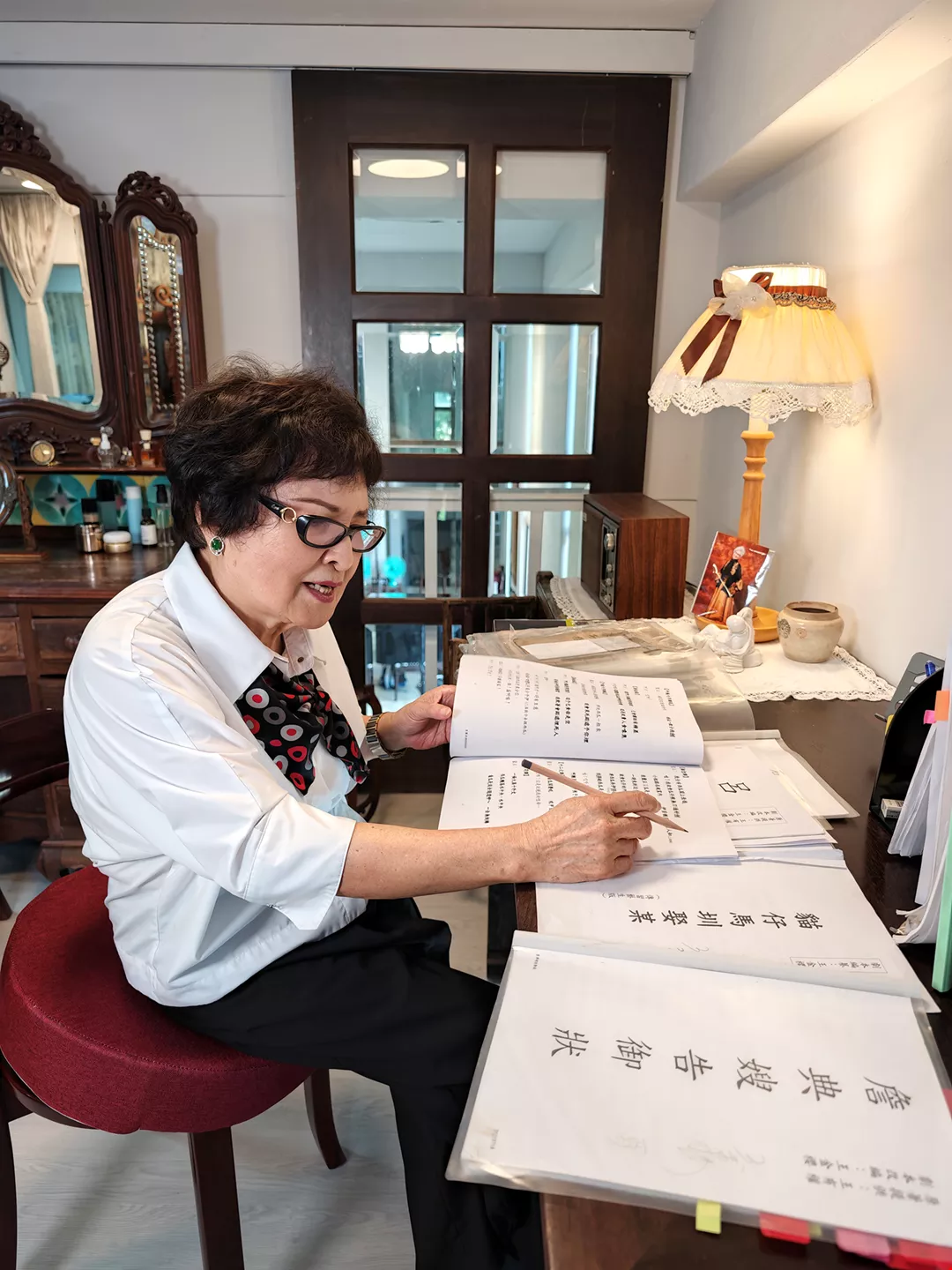
Wang only began learning to write at the age of 70. Today she can often be found at her desk editing old scripts or writing new ones, leaving a valuable legacy for Taiwanese Opera. (photo by Jimmy Lin)

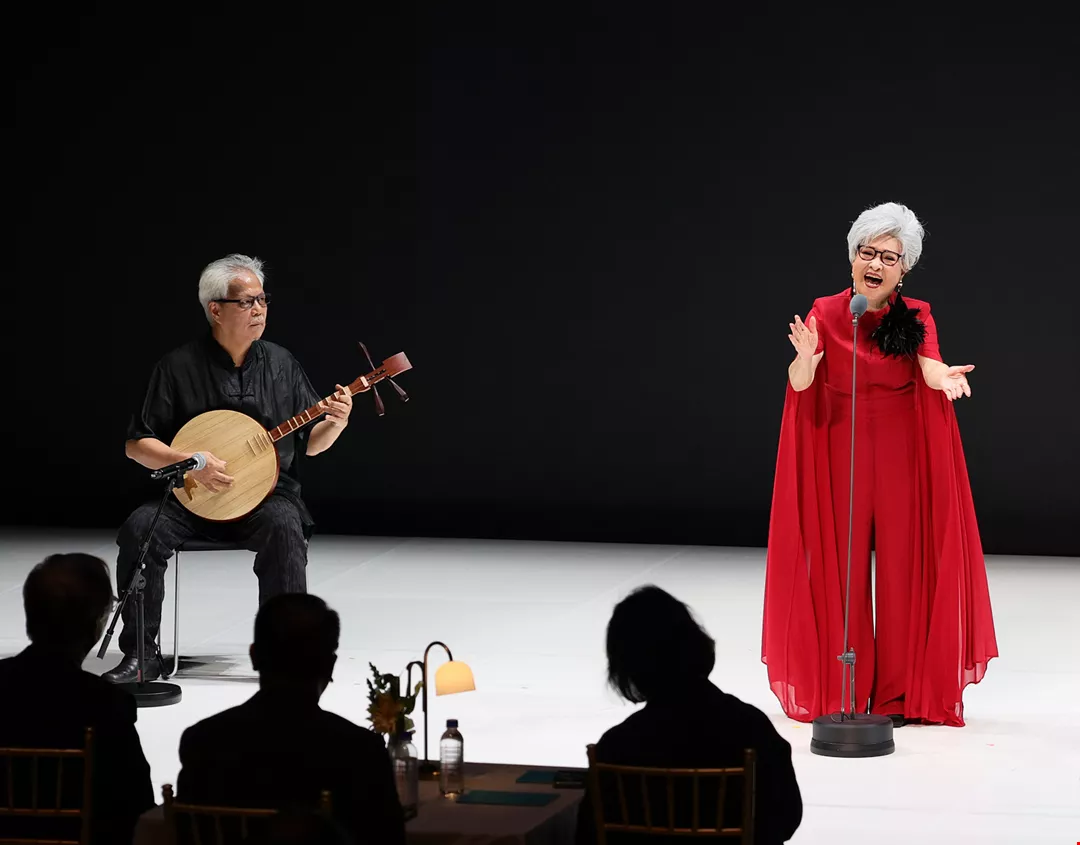
At the presentation ceremony for the 2026 National Awards for Arts, Wang sang out her acceptance speech in quatrains, accompanied by Ko Ming-feng on the yueqin (moon lute). (photo by Jimmy Lin)