Railway station and hot spring museum
Building on the endeavors of their predecessors, Beitou residents today, with their strong sense of community, remain devoted to local prosperity.
The original Xinbeitou Station was closed in 1988 with the closure of the Taiwan Railways Administration’s Tamsui Line. (The route was later used to build the Tamsui Line of the Taipei Metro, including a new Xinbeitou branch line.) The old wooden station building was sold for a nominal fee of NT$1 and moved in its entirety to the Taiwan Folk Village in Changhua. With cultural heritage preservation garnering wider public attention, academics, residents, and local historians began to advocate for this historic building to be returned to Beitou. Their efforts paid off in 2013. The edifice was reassembled and restored near its original site. Reopened in 2017, it continues to attest to the history of rail transport in Taiwan over the past century.
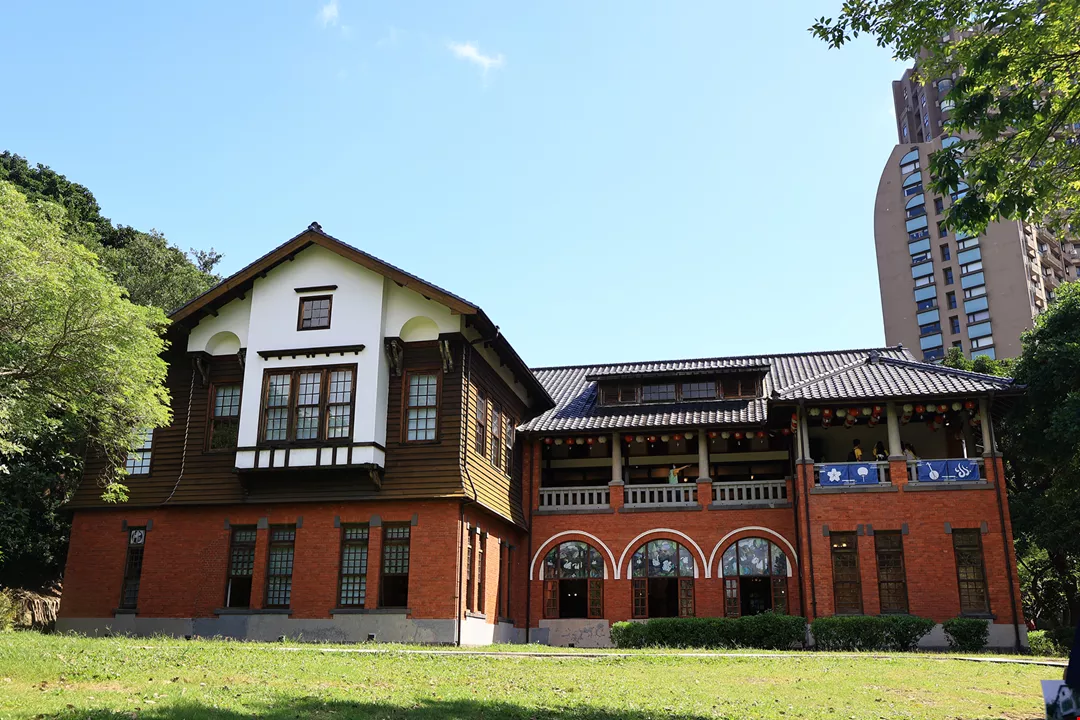
The Beitou Public Bathhouse was another site threatened with demolition. “As children, we used to say this building was haunted,” Lin Chih-hai recalls. Fortunately, the controversies surrounding the Beitou Cable Car Link Project raised local awareness of its cultural importance, and the former bathhouse has been given a new lease of life as the Beitou Hot Spring Museum.
Designed by Japanese architect Matsunosuke Moriyama, the Beitou Public Bathhouse represents a marriage of Japanese and Western architectural styles. Its second floor has a Tatami Lobby, where visitors could relax after bathing. From the balcony next to the lobby they could admire Mt. Guanyin and its famous sunset. The Large Bath on the first floor features columns inspired by Roman architecture. We can imagine how light used to penetrate the stained glass windows along the adjacent arcade and cast a prismatic spell upon this steamy space, creating a surreal atmosphere.
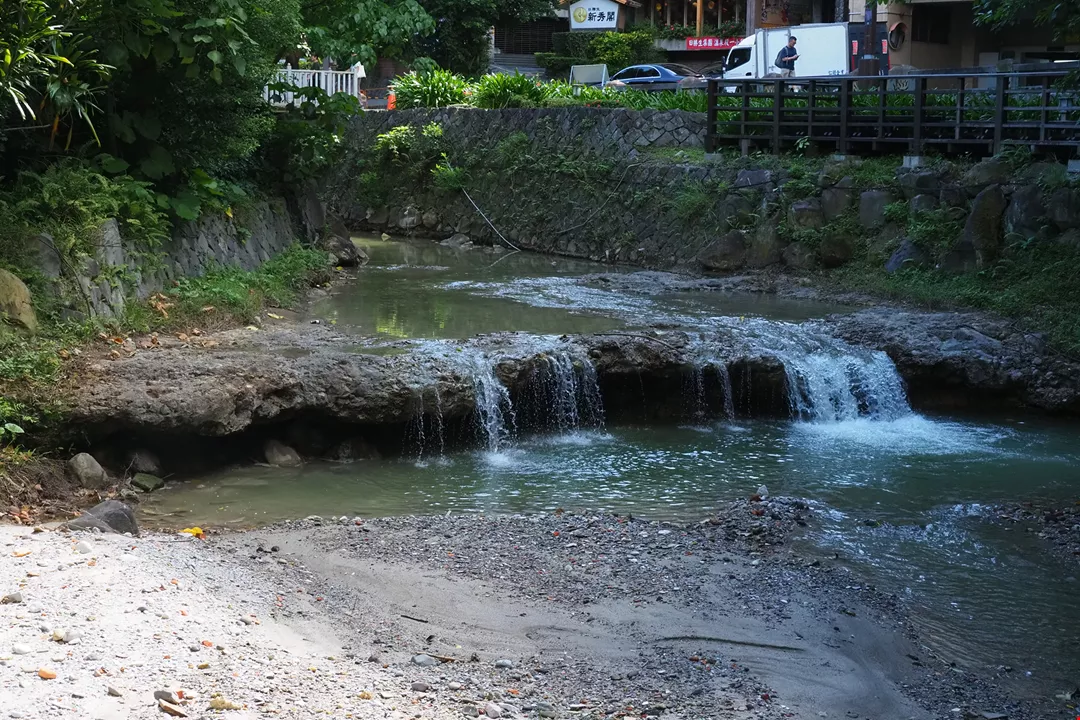
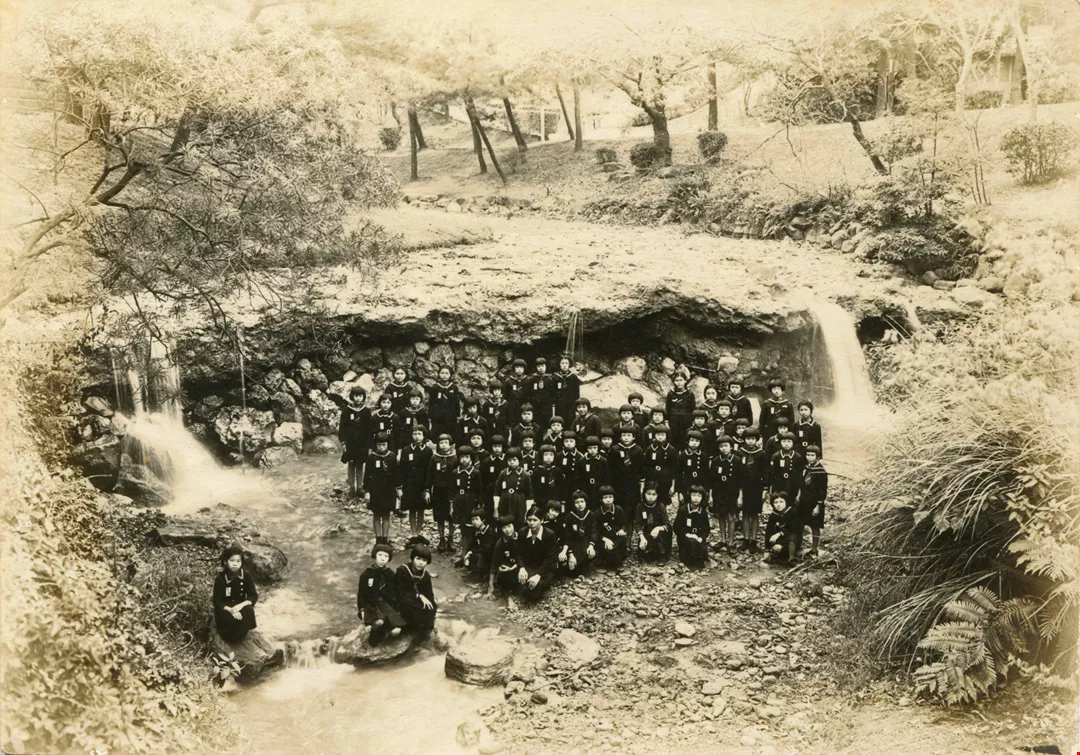
Although the building no longer functions as a bathhouse, visitors to the museum can learn about the evolution of Beitou’s hot spring industry. Here they also get to examine the rare Beitou Stone (hokutolite), which comes from Beitou Creek. Containing radioactive radium, this is the only mineral in the world that is named after a place in Taiwan, hokuto being the Japanese pronunciation of Beitou.
Soaking in a hot spring reinvigorates our bodies and souls, and the pleasure lingers on and on. Come and explore what Beitou has in store for you and be part of its deeply alluring story.
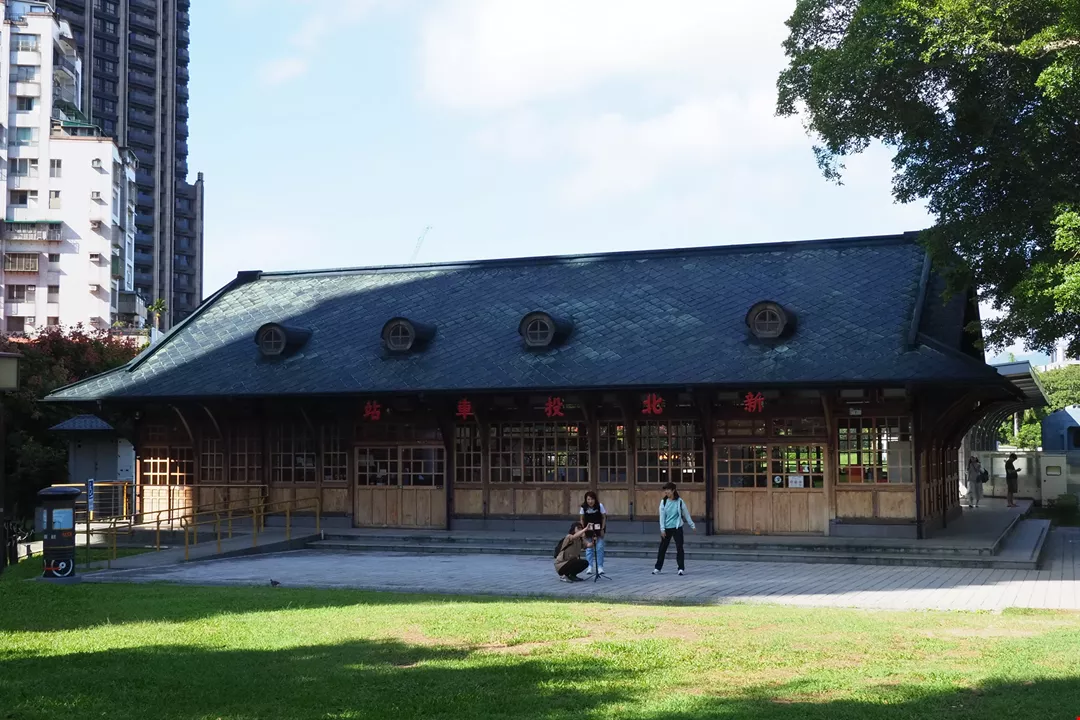
The building of the erstwhile Xinbeitou Station has been reassembled and restored after a checkered history. The only surviving station building of the old Tamsui Line, it attests to Taiwan’s history of rail transport over the past century.








@List.jpg?w=522&h=410&mode=crop&format=webp&quality=80)


@List.jpg?w=522&h=410&mode=crop&format=webp&quality=80)
@List.jpg?w=522&h=410&mode=crop&format=webp&quality=80)