

Everybody in the Republic of China is well aware that Hsu Ch'ing-chung, special advisor to the president, has been enthusiastically urging people to eat more sweet potatoes. His theme: "Every day I eat a bowl of sweet potato soup; not only is it delicious, it's also rich in nutrition. It's not easy to find such fiber and carotene in other foods."
The sweet potato belongs to the family Convolvulaceae, a group of vines that includes the morning glory, and the potato is part of the plant's root. Every part of the sweet potato can be eaten; the leaves are also a vegetable, edible after cooking.
The original home of the sweet potato was the tropical regions of the Americas, but no one knows when it was introduced to China. Towards the end of the Ming dynasty, while Holland was occupying Taiwan, it was brought to Taiwan from Fukien Province on the mainland.
Sweet potatoes can grow on salty seashores, arid mountains, or flooded paddy fields--an exceptionally easy crop to raise, requiring virtually no special conditions. So they have become a crop for regions with poor soils, replacing rice and wheat as the staple food of many poor farmers.
During the Japanese occupation of Taiwan, rice was always in short supply since it was expropriated by the Japanese government; sweet potatoes mixed with some rice became the staple of most people on Taiwan. The poor would eat slices of sweet potato three times a day, until they couldn't stand the taste. After economic conditions improved, and people became more prosperous, many eagerly gave up this nutritious food, abandoning it to use as pig feed.
Sweet potato slices are added, after cooking, to leftovers to make pig feed. Since their use as pig feed still requires that farmers grow sweet potatoes, according to statistics of the agriculture department of the Taiwan provincial government, in 1968 the area under sweet potato cultivation reached its peak--about 240,000 hectares. Production was about 3,720,000 metric tons.
After 1972, there were rapid advances in science and technology in Taiwan, one result being that pig breeders in Taiwan began using balanced, imported pig feeds. This resulted in less use of sweet potatoes. Moreover, irrigation works improved, and crop-rotation schemes were altered. Many who once grew sweet potatoes could switch to more profitable crops, so the acreage under sweet potato cultivation went down year by year. The lowest point was reached in 1979, at 74,000 hectares.
The rapid reduction in the sweet potato crop reflects two phenomena: First, the movement of the rural population to the cities. Even though the sweet potato does not require much care, its planting and harvesting still require lots of manpower. Second, although many poor-land fields were left unused, in rice-growing areas some paddy fields are used for both rice and sweet potatoes to make the most of natural conditions. Sweet potatoes can be grown between the two growing periods of paddy rice, getting full use out of a field.
In order to get full use out of agricultural land, stem the movement of rural manpower to the cities, and promote a nutritious food, the Taiwan provincial department of agriculture and the Taiwan Small Grains Foundation, as well as other interested groups, have been touting the sweet potato. They hope people will change their opinions, taking the sweet potato more seriously, eating it often, and bringing about higher production.
Their efforts are beginning to have effect. People in the cities are changing their attitudes toward the sweet potato; it is becoming a more popular food. Besides the roast sweet potatoes sold in roadside stalls, and candies with small sweet potato pieces inside, families consume sweet potatoes in various dishes made at home. The sweet potato is rich in carotene, which the body can turn into vitamin A. Sweet potatoes can be canned, made into baby food, and processed in other ways.
Chiang Wen-chang, assistant professor of agricultural chemistry at National Taiwan University, has been experimenting with using sweet potato flour in bread. He calculates that this could save US$30,700,000 in wheat import costs, not only reducing cash outflow, but increasing self-sufficiency in food resources. (Taiwan's climate is not suited to growing the wheat needed to make bread.) It would also increase farm income, and encourage people to remain in farming.
Professor Chiang has tried a number of experiments, and has found that color, as well as taste, is an important factor. The greatest obstacle remains the appearance and taste of sandwich bread made of sweet potato flour. But his continuing experiments have recently begun to show more favorable results. Plans are now being made for the production of breads in which sweet potatoes are included.
There are many other potential sweet potato products--sweet potato noodles, sweet potato chips, and sweet potato french fries, for example. Dried sweet potatoes are believed to have good export potential: right now they are only produced in small-scale factories in the Chushan area as a local specialty product.
The sweet potato on Taiwan certainly has a growing future.
[Picture Caption]
The sweet potato, rich in nutrition and delicious.
Sweet potatoes can be made into every flavor of food. 1. Sugary sweet potatoes. 2. Sweet potato rice porridge. 3. Sweet potato soup. 4. Sweet potato candies and "Hualien potato" candies. 5. Roast sweet potatoes.
Every kind of processed-sweet-potato food product. 1. Sweet potato salad. 2. Chinese ravioli made with sweet potato flour. 3. Sweet potato bread, sweet potato chips, sweet potato french fries, and Chinese-style dumplings made of sweet potato flour.
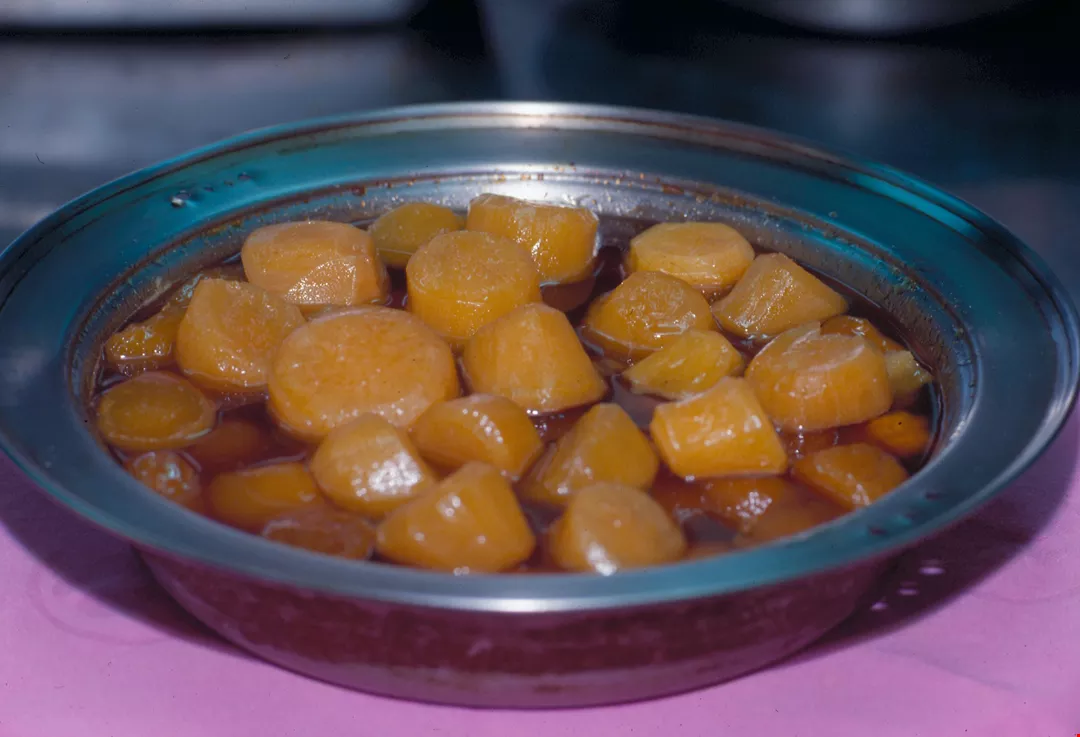
Sweet potatoes can be made into every flavor of food. 1. Sugary sweet potatoes.
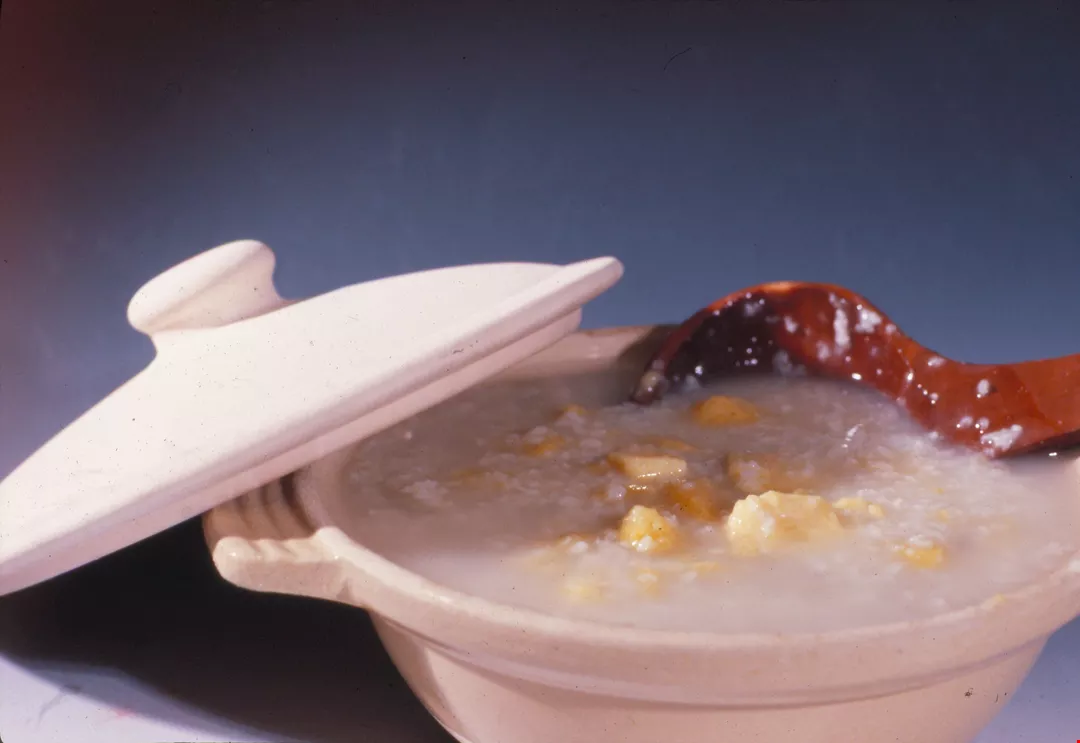
2. Sweet potato rice porridge.
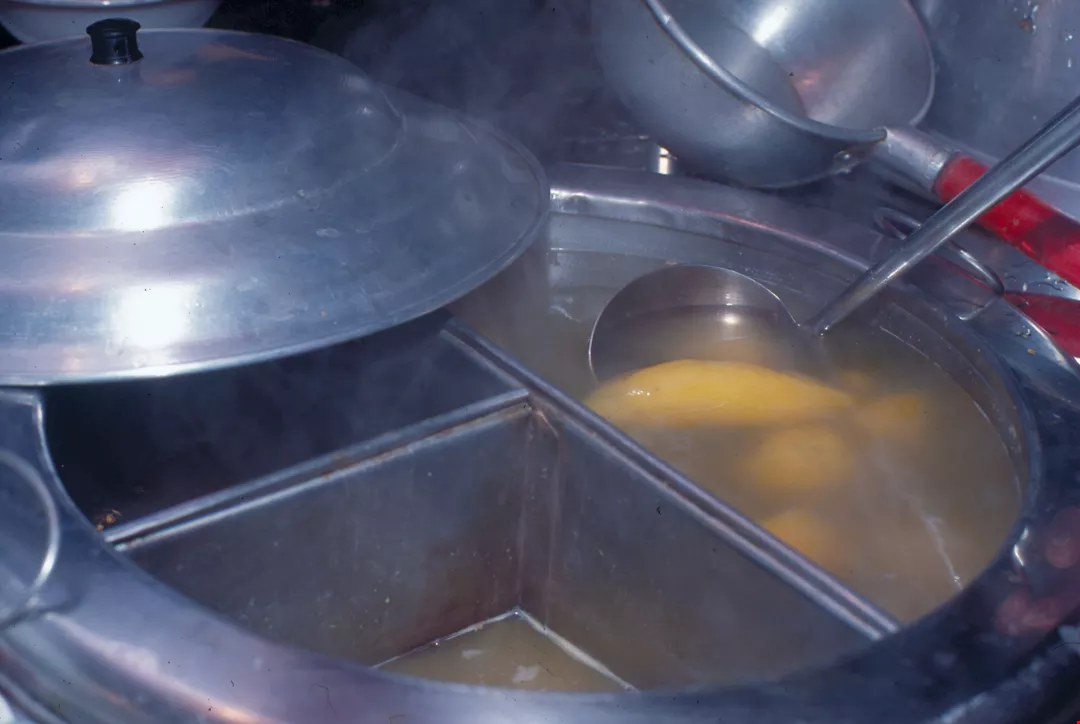
3. Sweet potato soup.
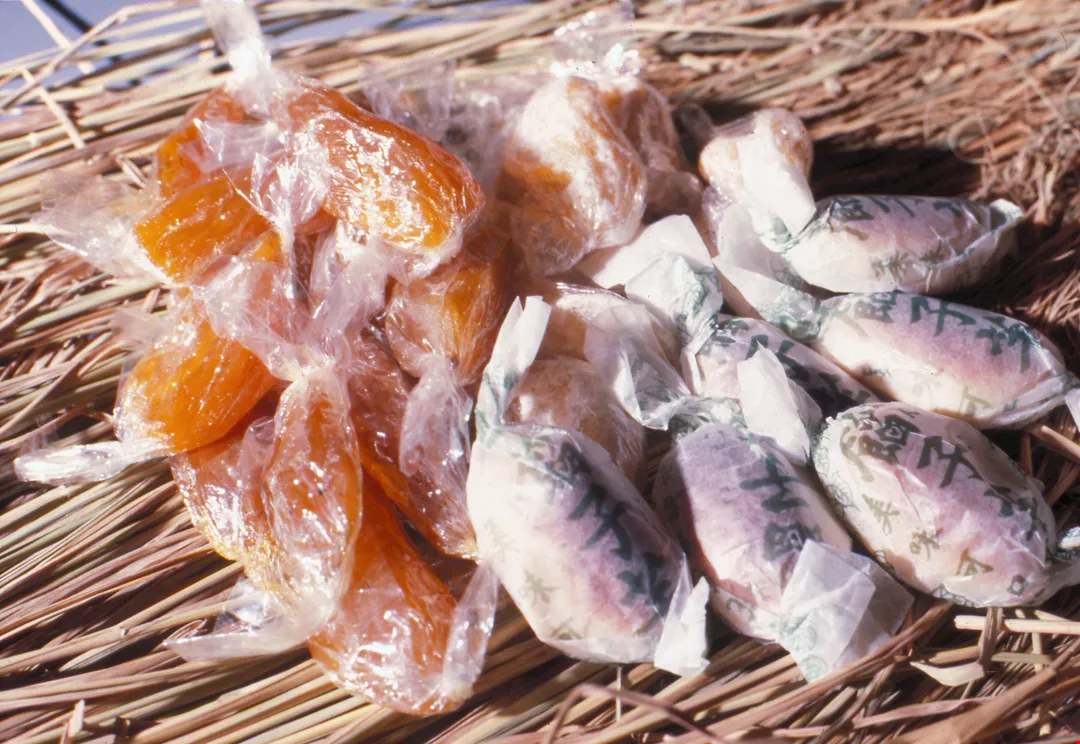
4. Sweet potato candies and "Hualien potato" candies.
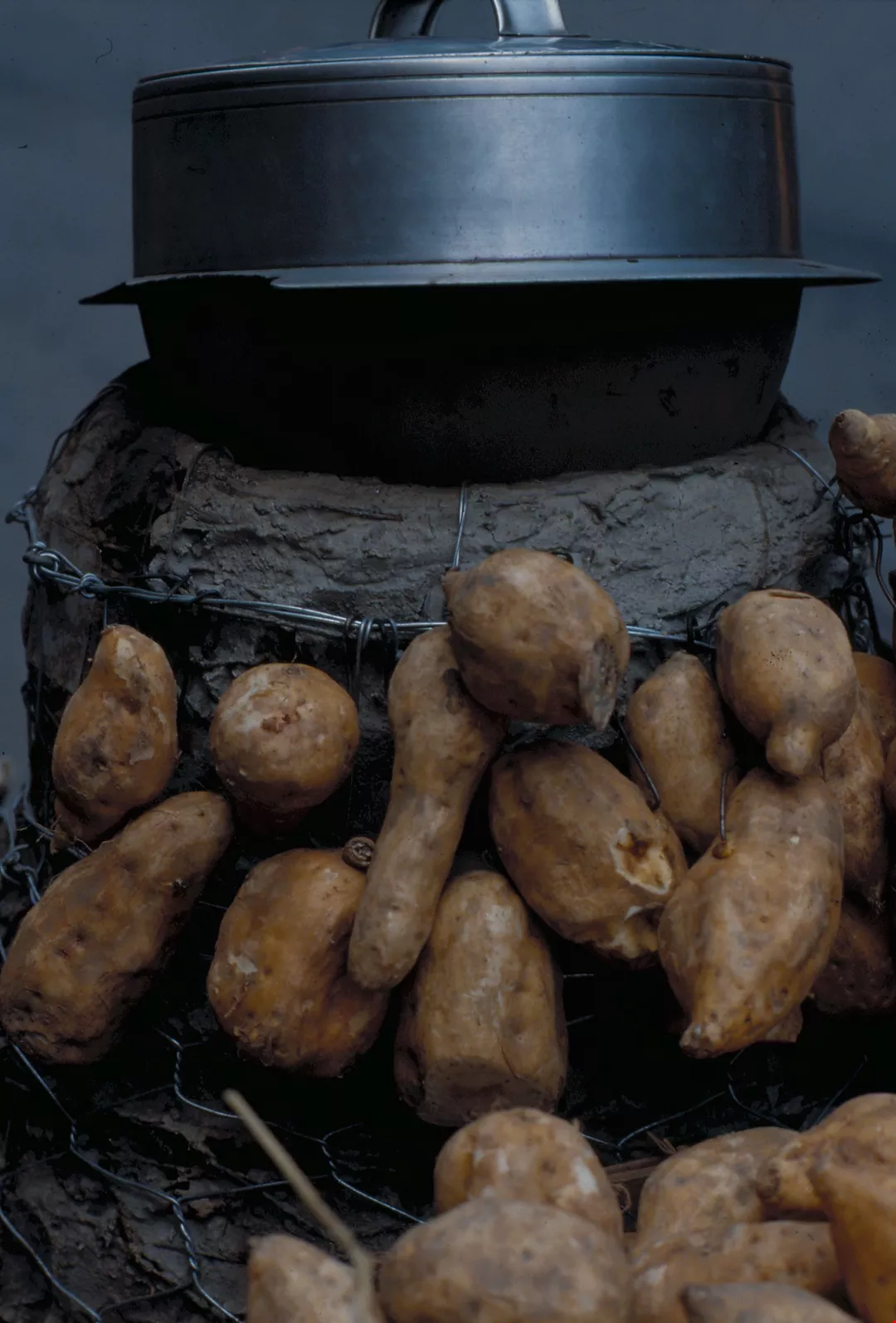
5. Roast sweet potatoes.
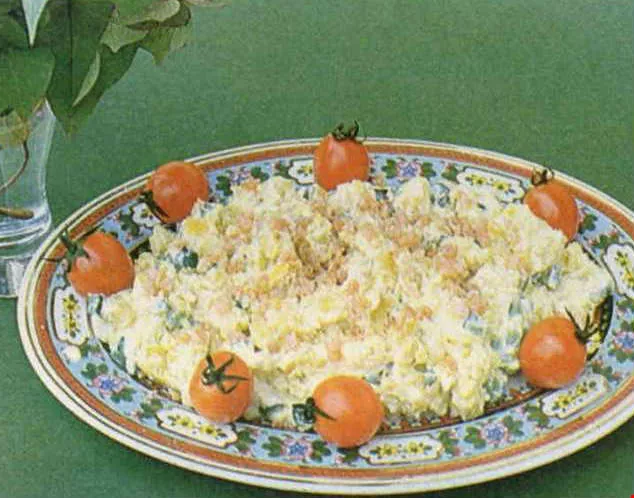
Every kind of processed-sweet-potato food product. 1. Sweet potato salad.
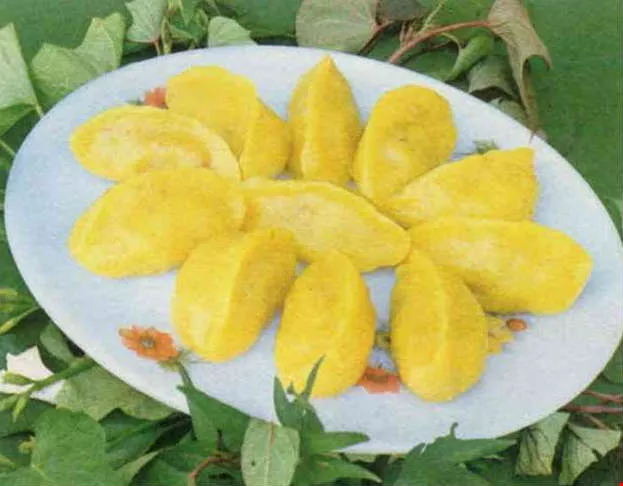
2. Chinese ravioli made with sweet potato flour.
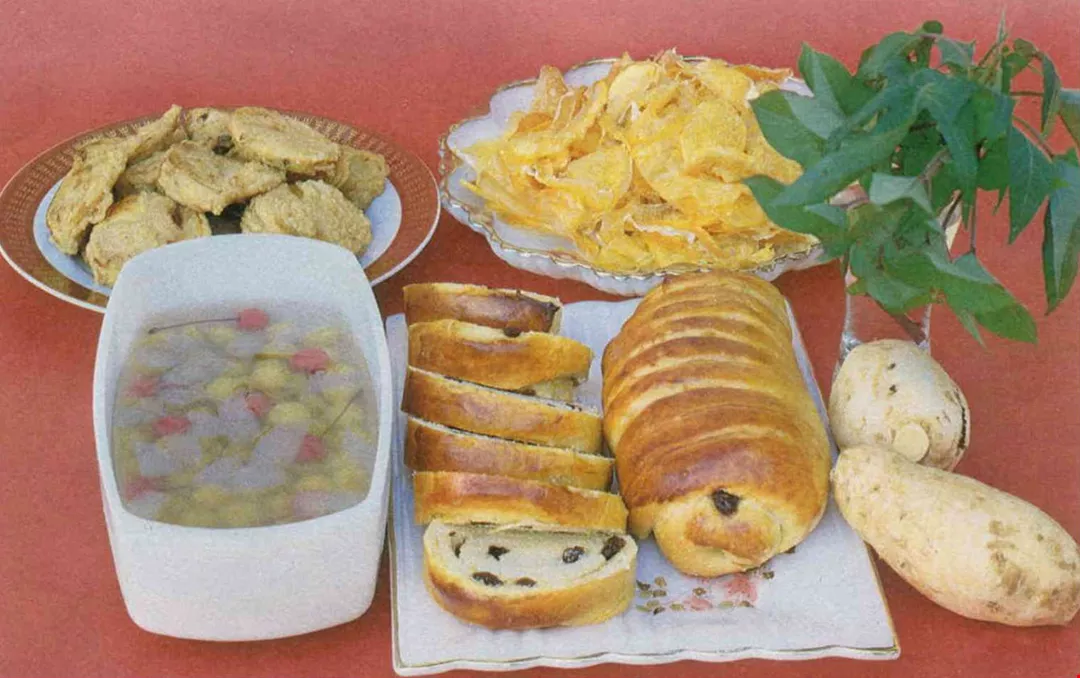
3. Sweet potato bread, sweet potato chips, sweet potato french fries, and Chinese-style dumplings made of sweet potato flour.

@List.jpg?w=522&h=410&mode=crop&format=webp&quality=80)


