

The roots, stems, leaves, petals and fruit of many plants have been traditionally used by the Chinese to make herbal medicines. Suan kan cha, or sour orange tea, is a good example.
Suan kan cha is a special medicine produced by the Hakka people around Mei Hsien in Kwangtung province, where tea and oranges are major products. The sour orange, though of attractive appearance and large size, has a thick skin and sour flavor, and is of low economic value. It was therefore used to make a medicine to combat such illnesses as fevers, coughs and colds.
Sour orange tea was introduced to Taiwan by immigrants from Fukien and Kwangtung provinces about 100 years ago. Today, only a handful of old Hakka residents knows how to make the brew, and it is available in only a few herbal medicine and tea shops.
Wu Chao-wen, a shareholder in the Tung Chan Tea Co. in Miaoli County in central Taiwan said he used to make large quantities of suan kan cha each year for his family and many interested buyers who came from all over the island. Wu recalled that when he was a child, his grandfather used to gather sour oranges and dry them in the sun or round the fireplace. "He used to tell me that the brew was good for sunstroke, coughs and tonsillitis," Wu said.
To start the manufacturing process, Wu first uses a cylinder-shaped metal utensil to open the top of the sour orange. He then scoops out the pulp and mixes it evenly with tea leaves before putting it back in the skin. The orange is then reclosed, and fastened with thread to display petal-shaped indentations.
Then the oranges are placed between two pieces of wood to flatten them and sterilized in steam. The cooked oranges are dried in the sun until the skin is dark brown and the pulp as hard as a stone. After this, they can be stored indefinitely.
According to tradition, sour oranges should be gathered when they are about 70 percent ripe. Before they are processed, the fruit should be left for a few days to allow the skins to become more supple. The drinker should decide on the strength of the tea and how much rock candy should be added. Orange tea should only be taken in moderation to prevent bowel upsets, Wu warned.
Last year, Wu won the championship in a tea brewing skills contest in Miaoli County, and has since been honored as a model young entrepreneur. He expressed his intention to pass on the art of manufacturing suan kan cha to the next generation.
[Picture Caption]
The first stage of manufacturing sour orange tea comprises using a cylinder-shaped metal utensil to open the top of the orange (1), scooping out the pulp (2) and mixing it evenly with tea leaves before putting it back in the skin (3).
The second part of the manufacturing process includes reclosing the orange, and fastening it with thread (1) to display petal-shaped indentations. After being flattened between two pieces of wood (2), sterilized and dried in the sun, the skin is dark brown and the pulp as hard as a stone (3). Wu and members of his family (4).

scooping out the pulp.
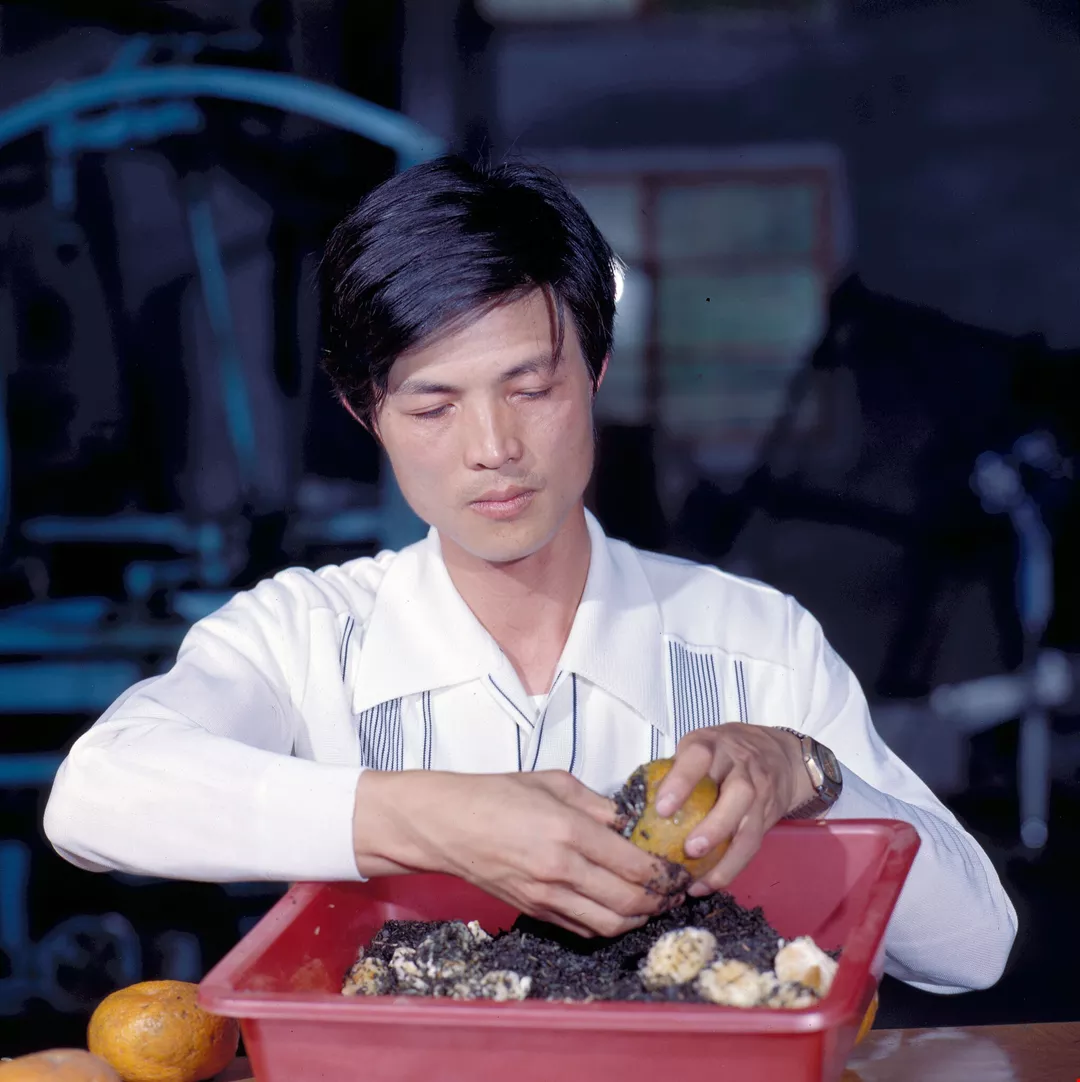
and mixing it evenly with tea leaves before putting it back in the skin.
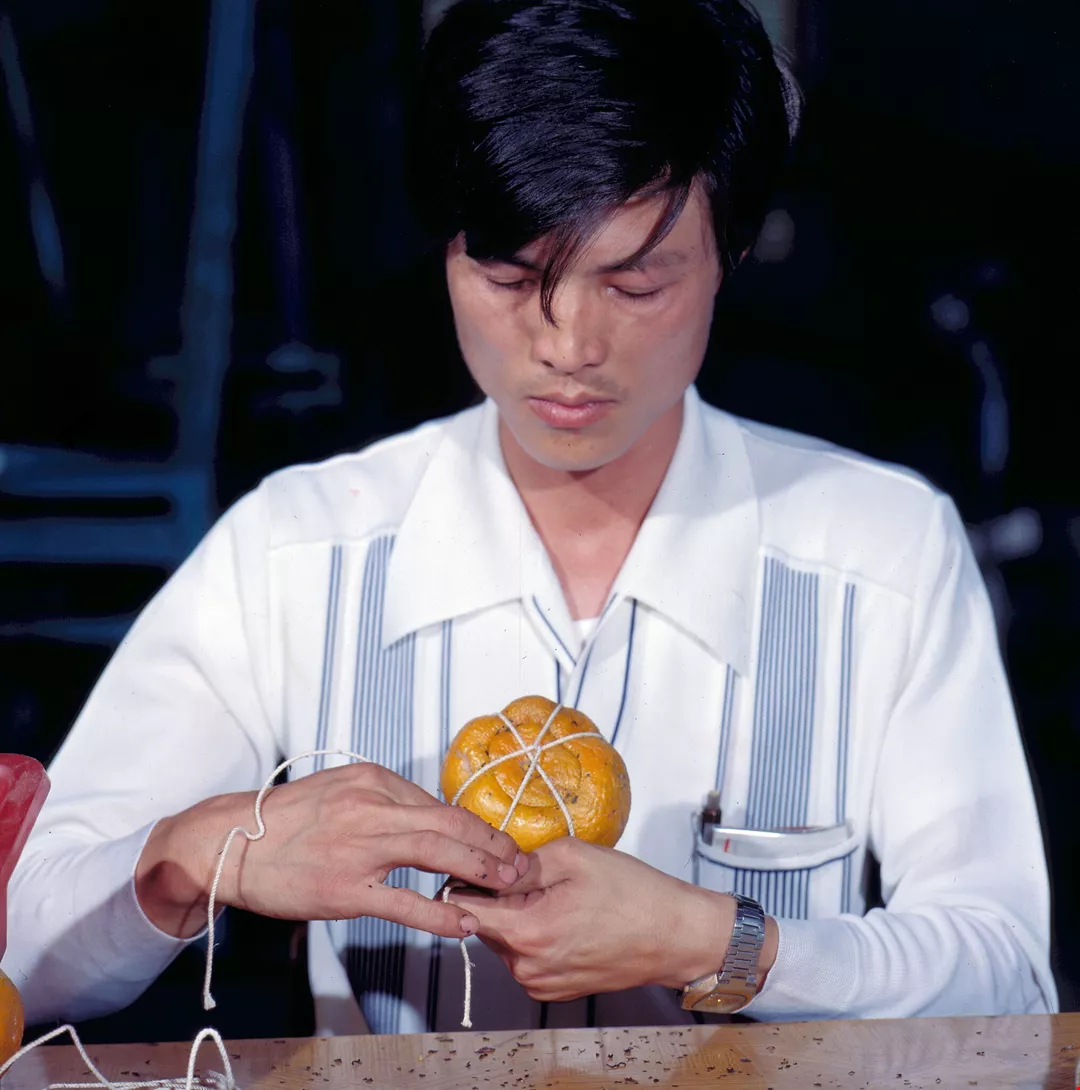
The second part of the manufacturing process includes reclosing the orange, and fastening it with thread.
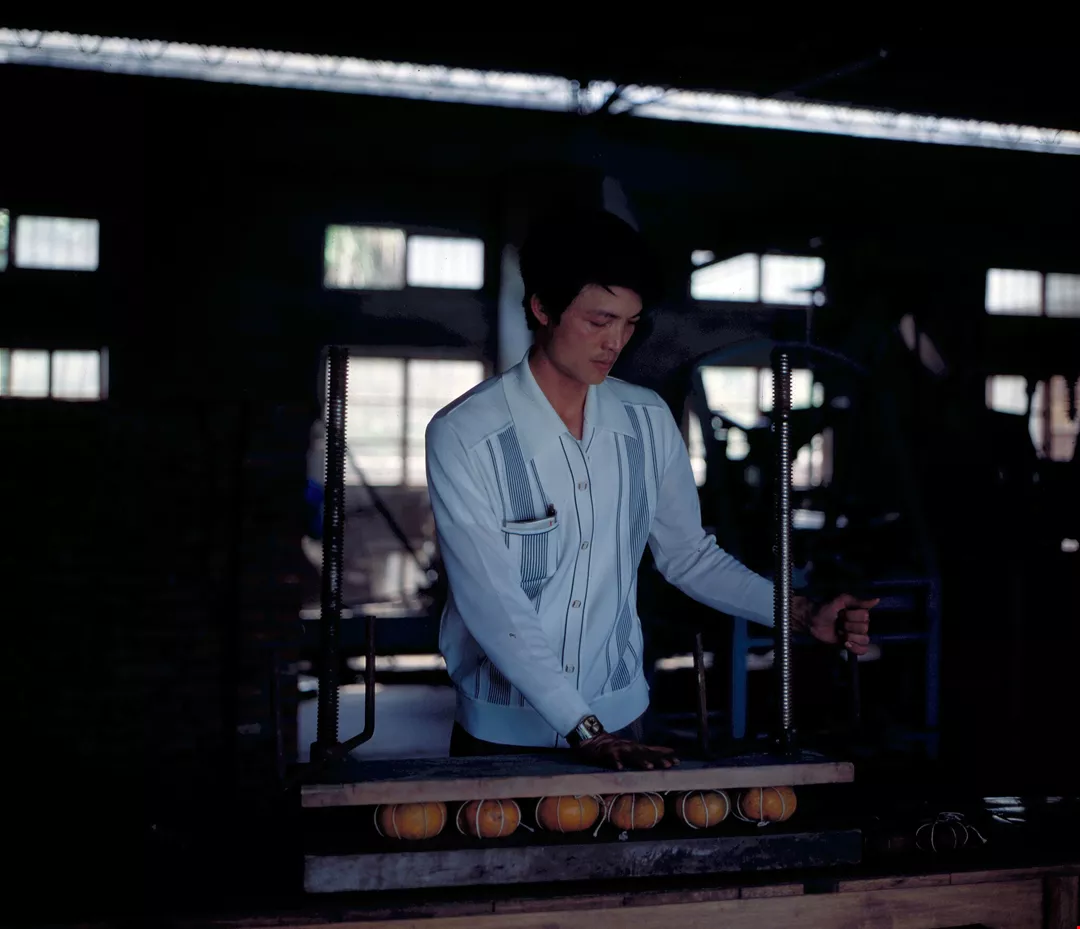
to display petal-shaped indentations. After being flattened between two pieces of wood.
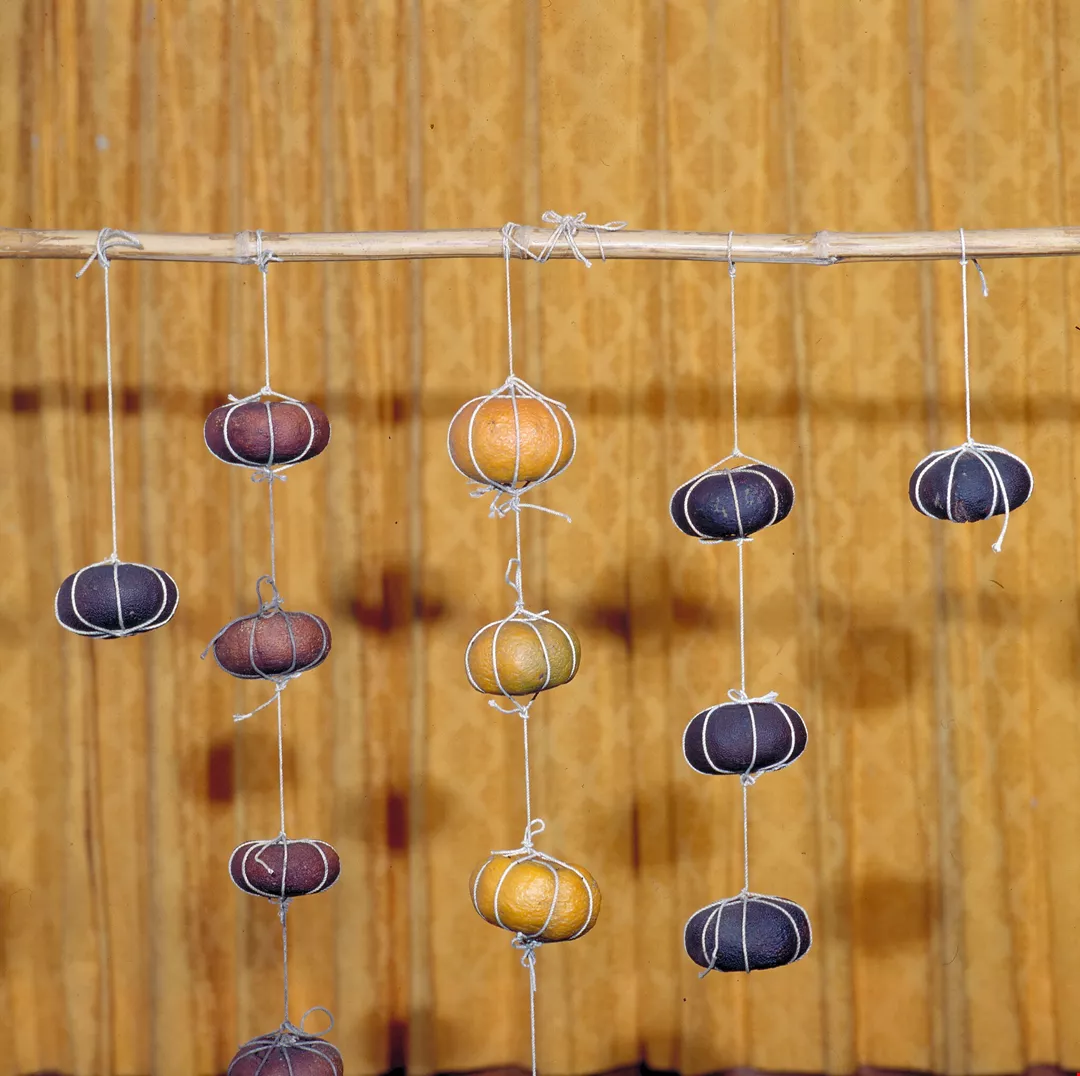
sterilized and dried in the sun, the skin is dark brown and the pulp as hard as a stone (.
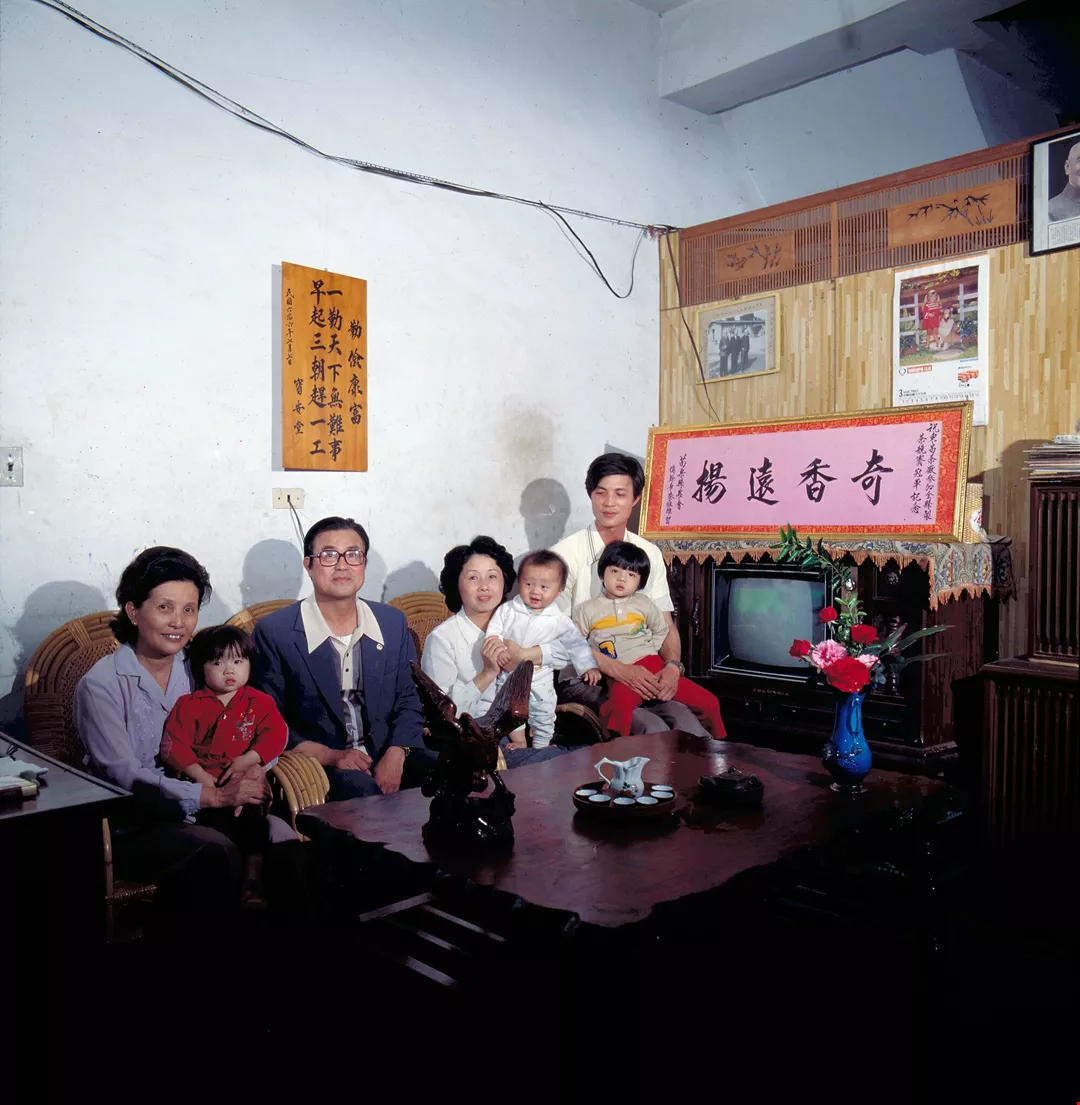
Wu and members of his family.


_DSC2938@List.jpg?w=522&h=410&mode=crop&format=webp&quality=80)


@List.jpg?w=522&h=410&mode=crop&format=webp&quality=80)
