Hsinchu 300 Expo
New Directions for a Historic City
Cathy Teng / photos Lin Min-hsuan / tr. by Robert Green
October 2018
With its elegant Yingxi Gate, two-centuries-old City God Temple, and Dongmen Market (once the largest traditional market in Taiwan), Hsinchu is a city that lends itself to reveling in the past. Yet with the Industrial Technology Research Institute and the Hsinchu Science Park, the city is known the world over for its modern present. Hsinchu blends the old and the new and also welcomes newcomers from all over to settle down there, participate in its bubbling creativity and help write the next chapter of the city’s history.
This year marks the 300th anniversary of Hsinchu’s founding, and the Hsinchu City Government is celebrating with the Hsinchu 300 Expo to highlight the city’s past and the hopes for its future.
Today the old city breathes with new life. In 1999 the area around Yingxi Gate was turned into a plaza for public use just as it was in bygone days. In 2018 the city restored the long-neglected Long’en Canal, making it one of Hsinchu’s loveliest, most pleasant walking paths.
Hsinchu is also a city trying to further incorporate the old with the new. While the city’s landscape includes both old lanes and modern thoroughfares like the 50-meter-wide road that passes through the science park, the city’s old inhabitants and newcomers rarely interact. In recent years a younger generation has been striving to help the city better understand itself, welcome diversity, and breathe new life into the city’s storied fabric.

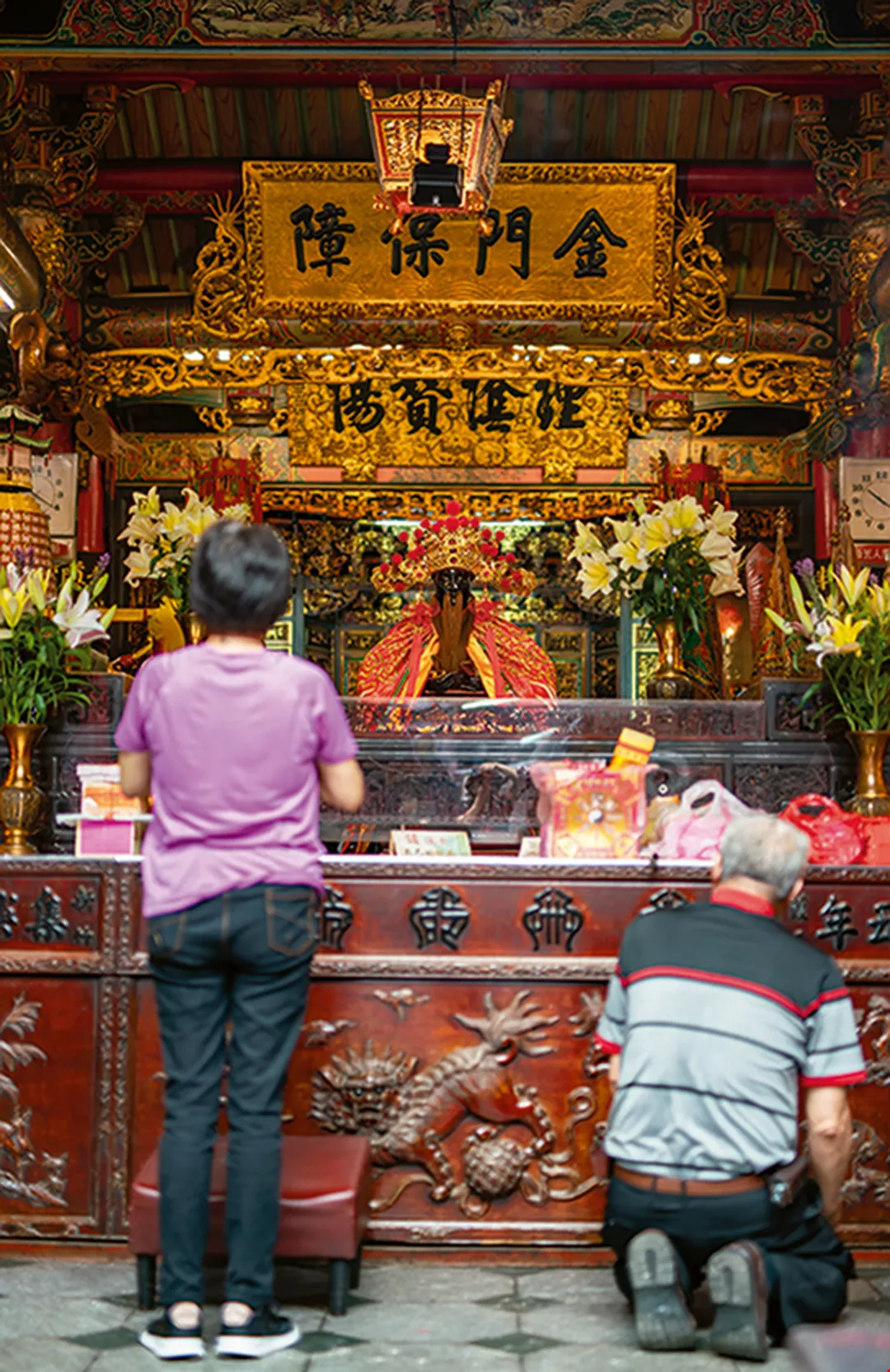
The City God Temple lies at the heart of religious life in Hsinchu.
Viewing the old city through a new lens
In 2014 a group of students from National Tsing Hua University (NTHU) founded CitiLens studio because they had discovered that local residents lacked a thorough understanding of their city and that its cultural value was grossly underestimated. Participants in the initiative thought of new ways to introduce the city to the people.
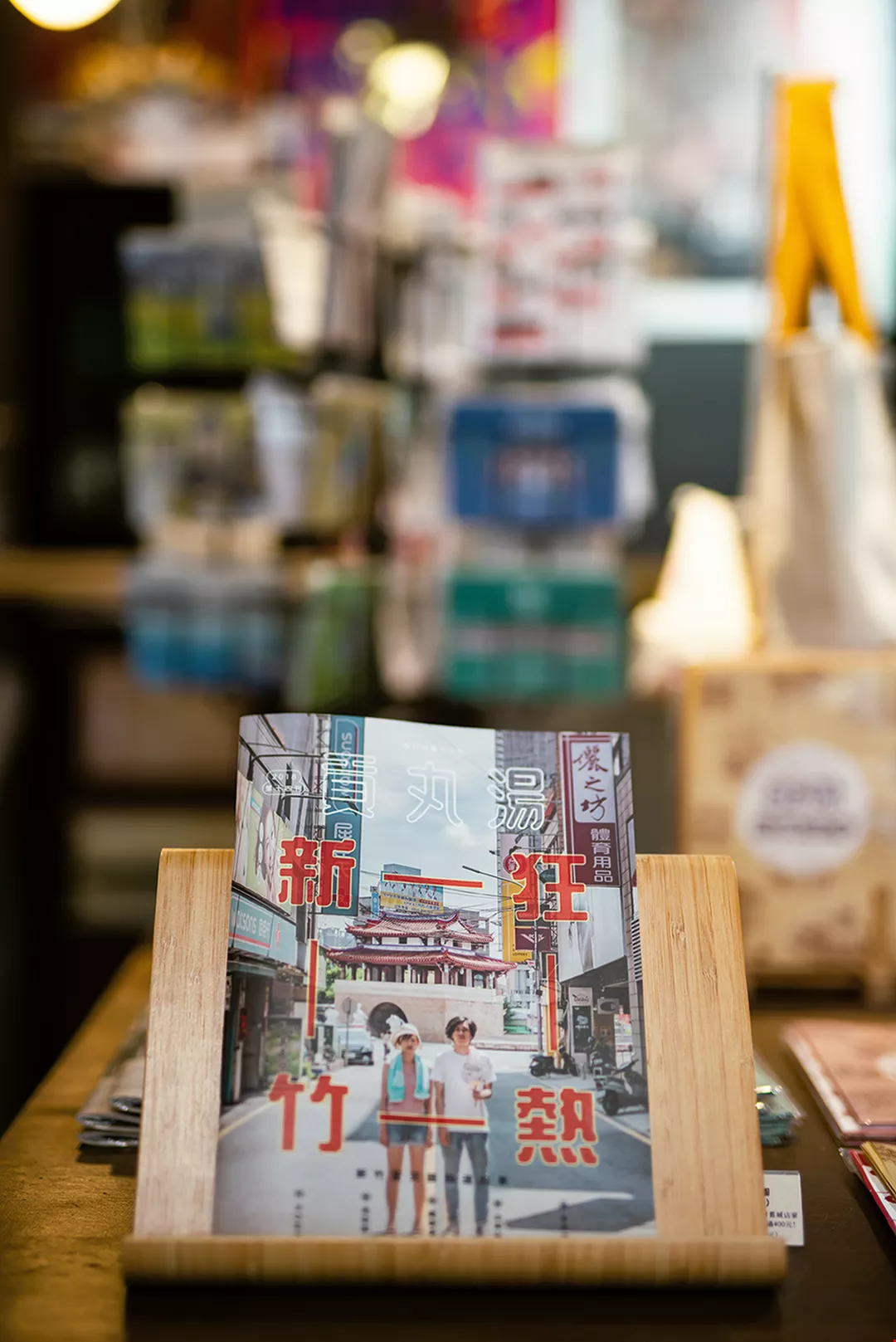
Since then they have turned Hsinchu’s famous pork ball soup into something that can be both eaten and read. CitiLens began to publish Pork Ball Soup, a magazine that introduces life in Hsinchu from interesting angles.
City walking tours are another selling point. Arden Wang, one of CitiLens’s founders, gave us a tour of Beimen North Street, once the busiest street in the city. On it we came across the Zhou Yiji House, which was the family home of Zhou Minyi (1906‡1951). Today Zhou Youda, Minyi’s grandson, is trying to have it officially recognized as a historic site so that neither the history of the place nor the family are forgotten.
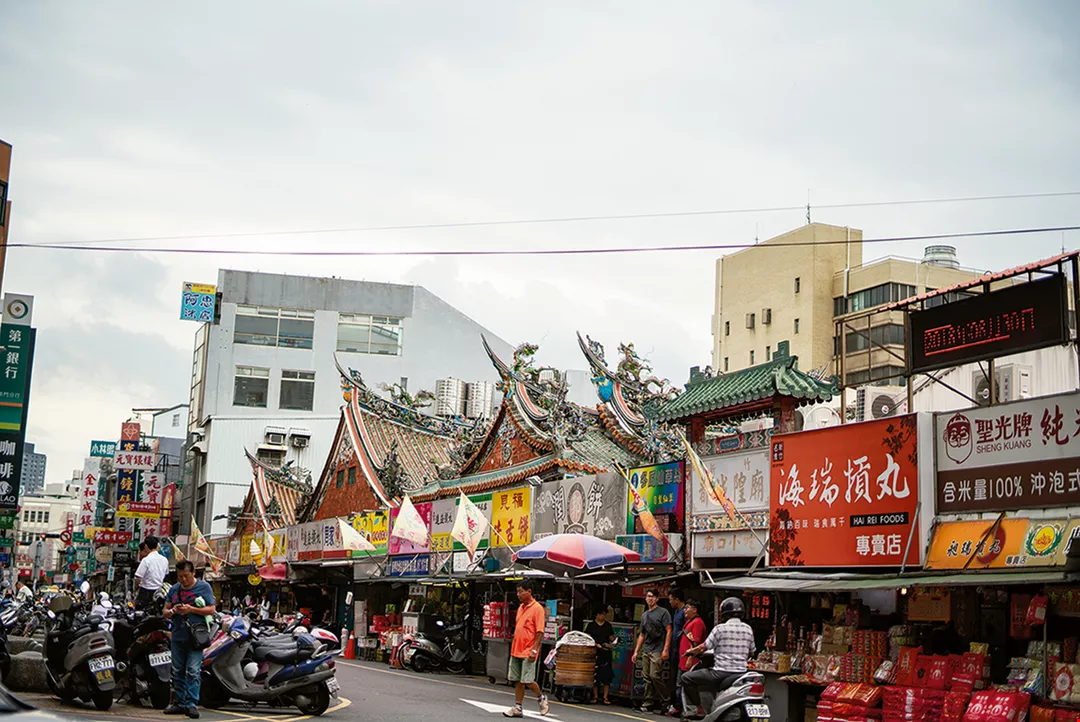
On another stretch of Dongmen Street sits the Hong An Tang apothecary. In generations past, people would go there after visiting Changhe Temple, located across the street, to get a prescription by divination. Today the apothecary is run by the fourth generation of the original proprietors. The shop retains its original wooden medicine cabinets and trays. Going through into the small courtyard at the back of the shop we enter another world: a simple old dwelling house in the Southern Fujianese style. Painted on the doors of the house is a verse from the Tang-Dynasty poem “Wu Yi Yan Pai” that indicates that the family name of the apothecary’s owners is Xie. Each of these old buildings has its own history, ensuring that Hsinchu is never short of stories to tell.
When asked how best to sum up Hsinchu, Arden Wang says that defining the city is an ongoing process. He hopes that the residents will come up with their own ideas for Hsinchu’s future by exploring their city and discussing its history.

The City God Temple lies at the heart of religious life in Hsinchu.
Resurrecting a century-old market
Dongmen Market, first constructed in 1900, was rebuilt in 1977 as a modern structure with a basement and three floors above ground. It was once Taiwan’s largest market building and had Hsinchu City’s first escalator. As times changed, however, its popularity waned.
In 2015, a group of NTHU students entered the desolate market and tried to figure out a way to reopen the many shuttered stalls.
“The market’s decline was in part caused by its inability to attract new customers,” says Chen Hung-wei, founder of KhuiMng Studio. “So I thought why not invite a team of freethinking individuals to examine it with their own eyes and come up with ideas to resurrect the market through solutions that fit our times.”
The team explored all manner of possibilities to repurpose the market space. They ran camps, lecture series, workshops, concerts, and film screenings, and made documentary films. In short they held all kinds of events that the old vendors would never have imagined taking place in the market.
Planning for most of the events takes place in the living room of KhuiMng Studio, located in Room 3114 of the market’s third floor. When the studio first moved into the market, the vendors were skeptical. “But we did many things to attract people to the market who would have never come before,” Chen says. As the market became more popular, the vendors warmly welcomed the new visitors.
By 2016 shuttered market stalls began to reopen. First studios began to open in the market, and then food vendors set up shop on the first floor, lending it the atmosphere of a night market-cum-traditional fair. As a result it became a popular spot for young people to grab a bite to eat and check in on Instagram.
Since the KhuiMng Studio moved into the market, 17 once-shuttered stalls have reopened. Each of these tiny shops, roughly 100 square feet in floor area, provides an opportunity to create something new in the space.
.jpg?w=1080&mode=crop&format=webp&quality=80)
CitiLens studio hopes to introduce the wonders of historic Hsinchu through its city tours. (courtesy of CitiLens)
A home for arts and issues
Since its founding over five years ago, Jiang Shan Yi Gai Suo, a multiuse space that serves as a local arts center, coffeehouse and event space, has gradually become a place where people go to discuss important local issues.
It was founded by Chang Deng-yao. Although he was born in 1984, Chang’s sagacious bearing matches his old-soul spirit. He likes arts and culture and is concerned with local history, society and the environment.
There are many things that Chang is interested in that were not to be found in Hsinchu. “I decided to create a space to cultivate these interests on my own,” he says. “Through this space we can introduce local people to many activities that they don’t come into contact with in their daily lives.”
After its founding, Jiang Shan became a place where people could listen to jazz and all types of experimental music, attend book club meetings and poetry readings, and listen to lectures. The space might be tiny, but it overflows with activity.
Chang would also like the space to be used as a forum for local people to discuss local issues. He hopes that city policy planning will accommodate more input from local residents so that the people and the government can find creative ways to work together on initiatives and by doing so strengthen local identity.

The CitiLens publication Pork Ball Soup presents Hsinchu from quirky angles.
The people’s plaza
One can experience Dongmen Plaza firsthand by walking through it on the weekend. Young couples pushing strollers stop for picnics. Teenagers practice dance moves to the sound of music, and children run about laughing.
Within the open oval space there was once the site of bronze statues of political figures and a clock tower erected by the Lions Club. In 1999 architect Jay Chiu renovated the plaza. This included removing unnecessary structures and reconnecting pedestrian flow to the area within the roundabout, a lonely island surrounded by traffic, by constructing an underground passage to the nearby Hsinchu Moat Park. “My design was intended to ease pedestrian access to this historic space, thus letting the old and new mingle,” says Chiu.
Since the plaza’s renovation people have easy access to the historic site. Chiu’s design also lowered the ground level in the center of the plaza, lending it the appearance of a Roman amphitheater. The historic site thus became a stage on which visitors played the lead roles.
In another part of the city, the Long’en Canal, a feature of Hsinchu for more than three centuries, underwent renovations from Fieldoffice Architects. They made subtle changes to the canal that made it once again a more visible part of the city.
“The city was in need of more walking space,” says Yu Tsai-yu of Fieldoffice. They therefore enlarged the embankments to at least four meters in width and leveled the surface, creating a safe place for walking and other activities.
By connecting the walking paths on opposite sides of the canal, the architects were able to provide access to lanes, shops and schools that were once cut off from each other.
Comparing today’s canal with maps from the Japanese colonial era, its route has hardly changed at all. With this history in mind, Yu took care to create extra opportunities for people walking the path to approach and cross the waterway, and to view it from many different perspectives.
“Young architects strive for minimalist designs,” explains architect Huang Shengyuan, Fieldoffice’s founder. In a frenetic urban environment people need a place to get away from the hustle and bustle. The canal provides a green space for people to stroll and chat, get lost in their thoughts and enjoy the solitude.
This age-old city’s future will be shaped not by idle dreams but by the combined efforts of those creating change. And the change they seek is an even brighter tomorrow.
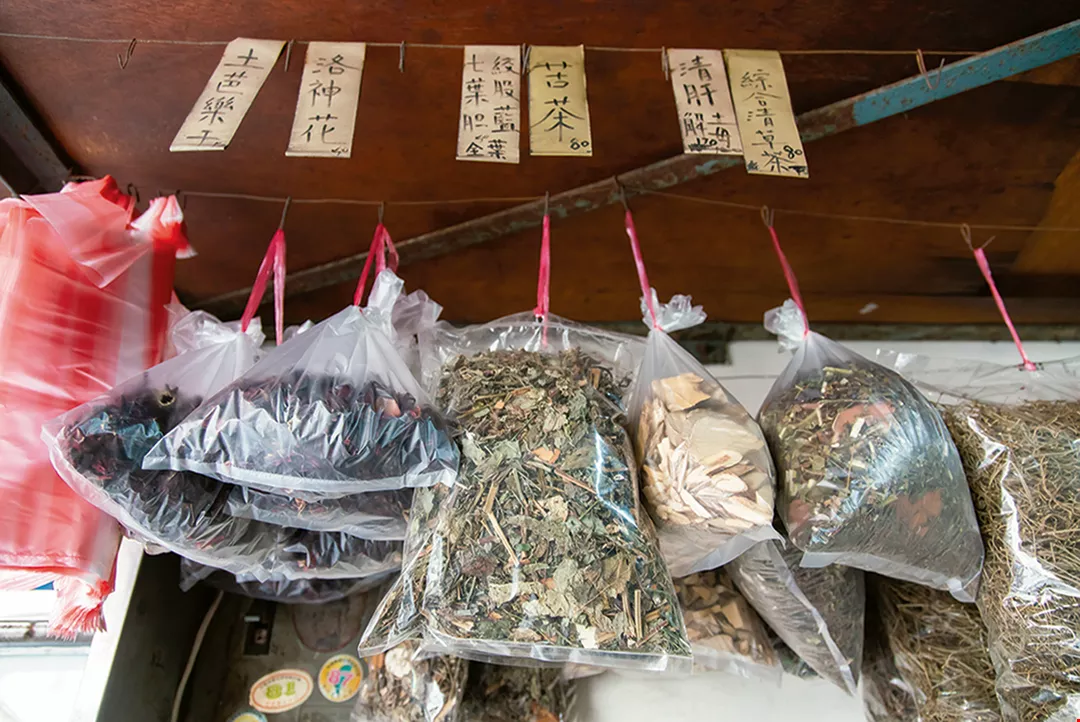
Traditional Chinese apothecaries are an indispensable feature of historic towns.
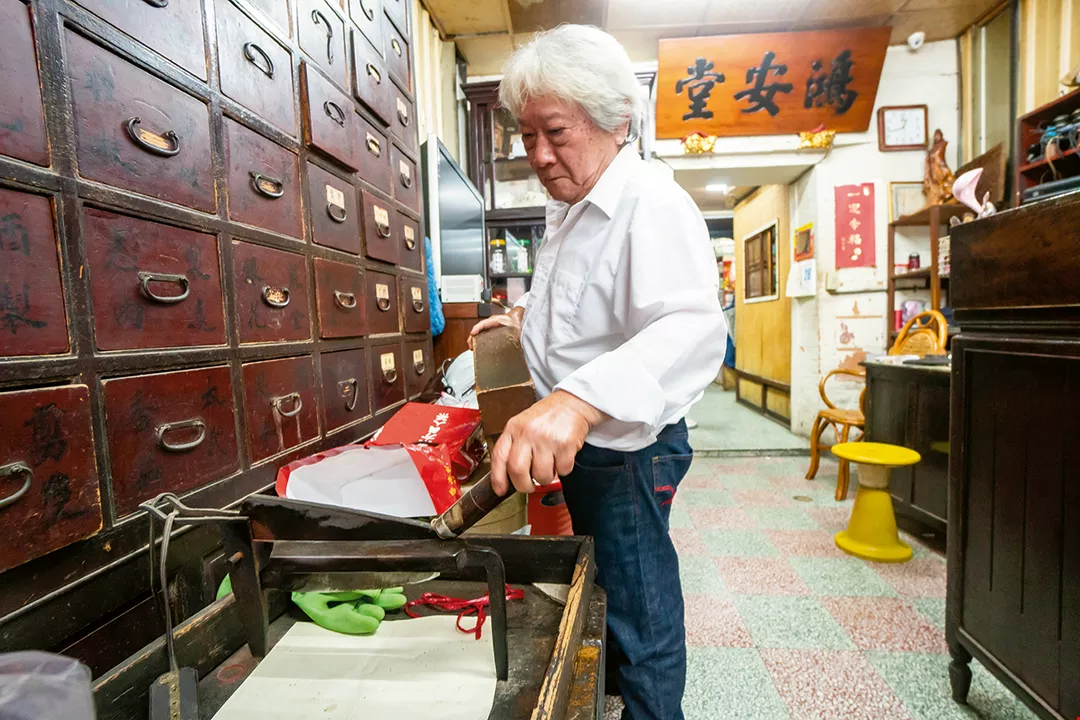
The Hong An Tang apothecary has been a part of local life for nearly a century. Within lie treasures from the past.
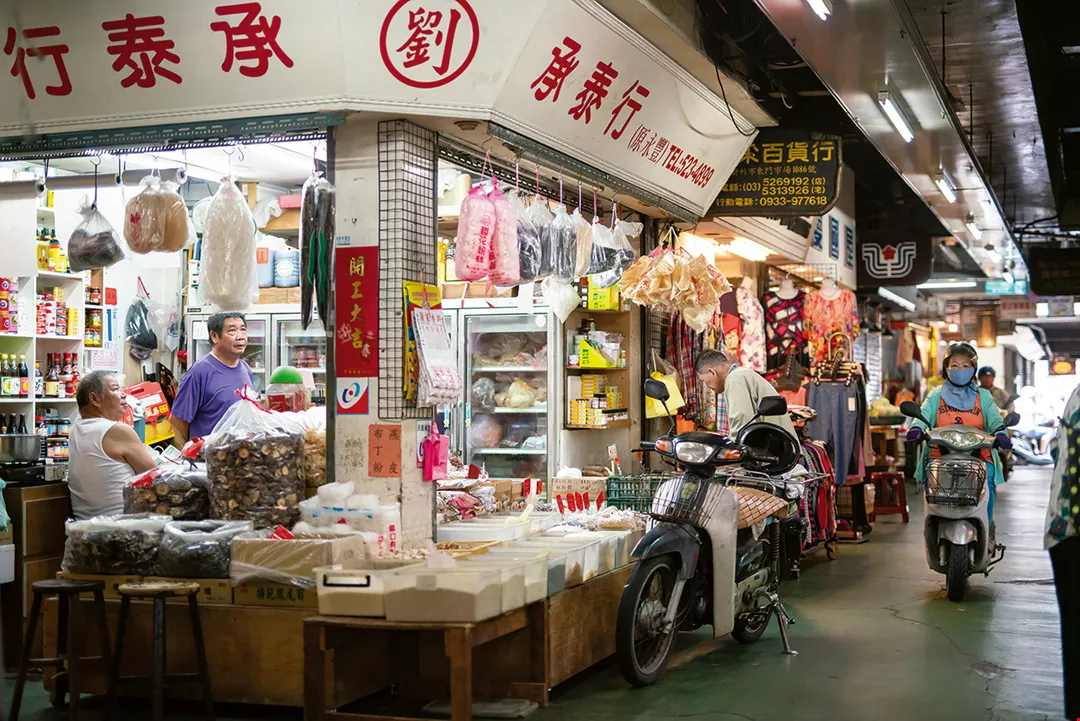
The storefronts at the Dongmen Market conjure memories of times past.
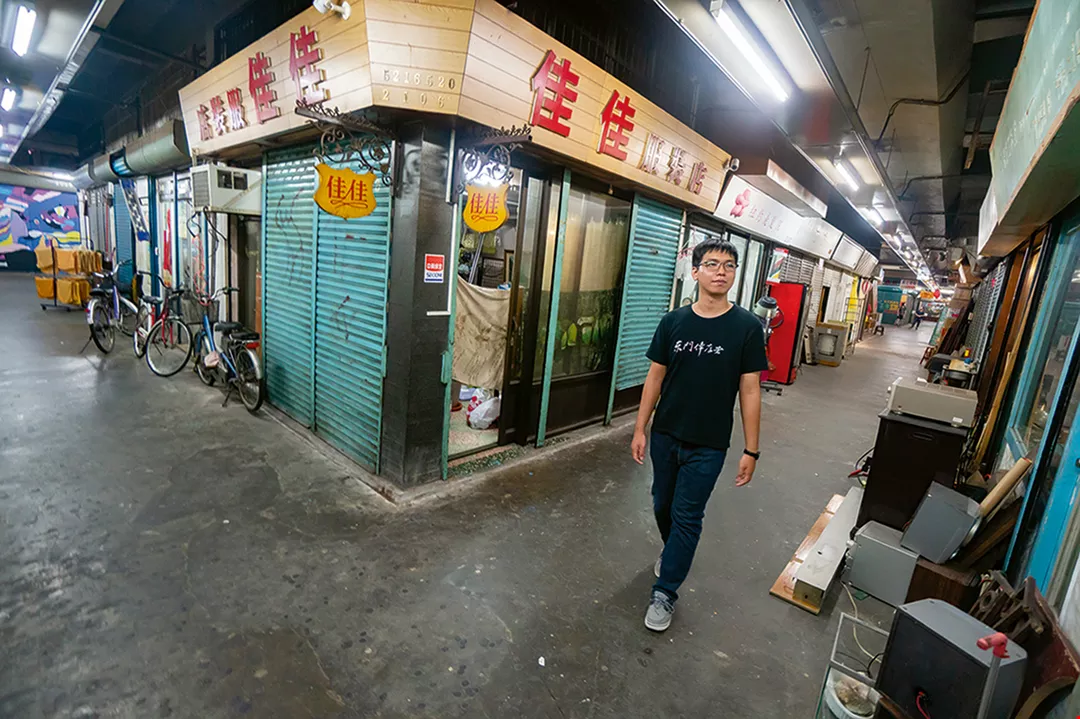
After Chen Hung-wei and other members of KhuiMng Studio set up shop in Dongmen Market, they created a new feel for the old market by adding contemporary artwork and organizing various activities.
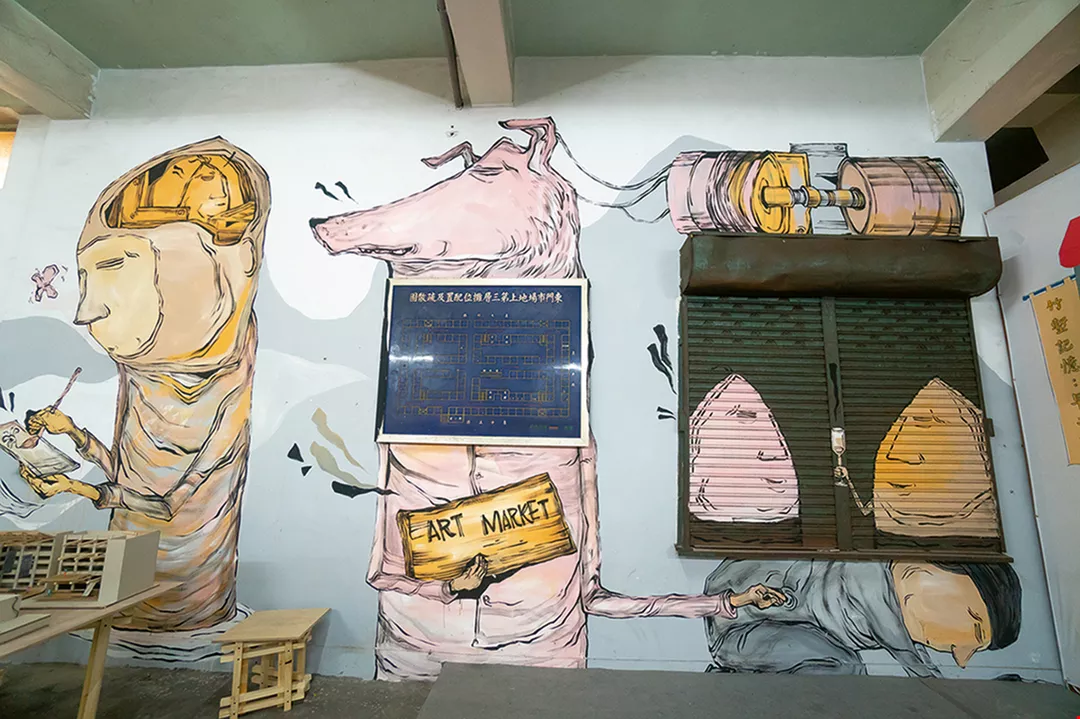
After Chen Hung-wei and other members of KhuiMng Studio set up shop in Dongmen Market, they created a new feel for the old market by adding contemporary artwork and organizing various activities.
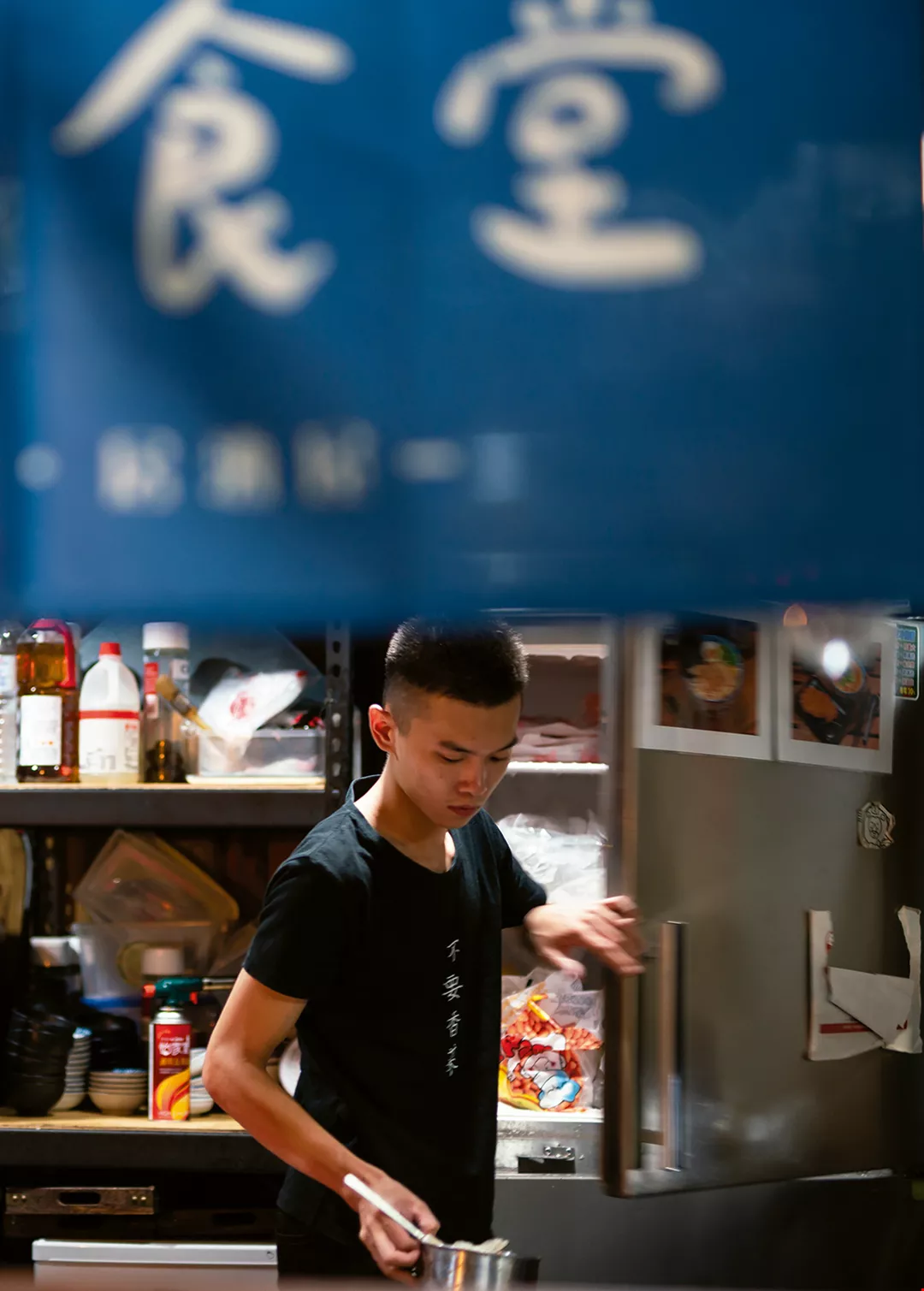
In the evening, the first floor of Dongmen Market becomes a food paradise.
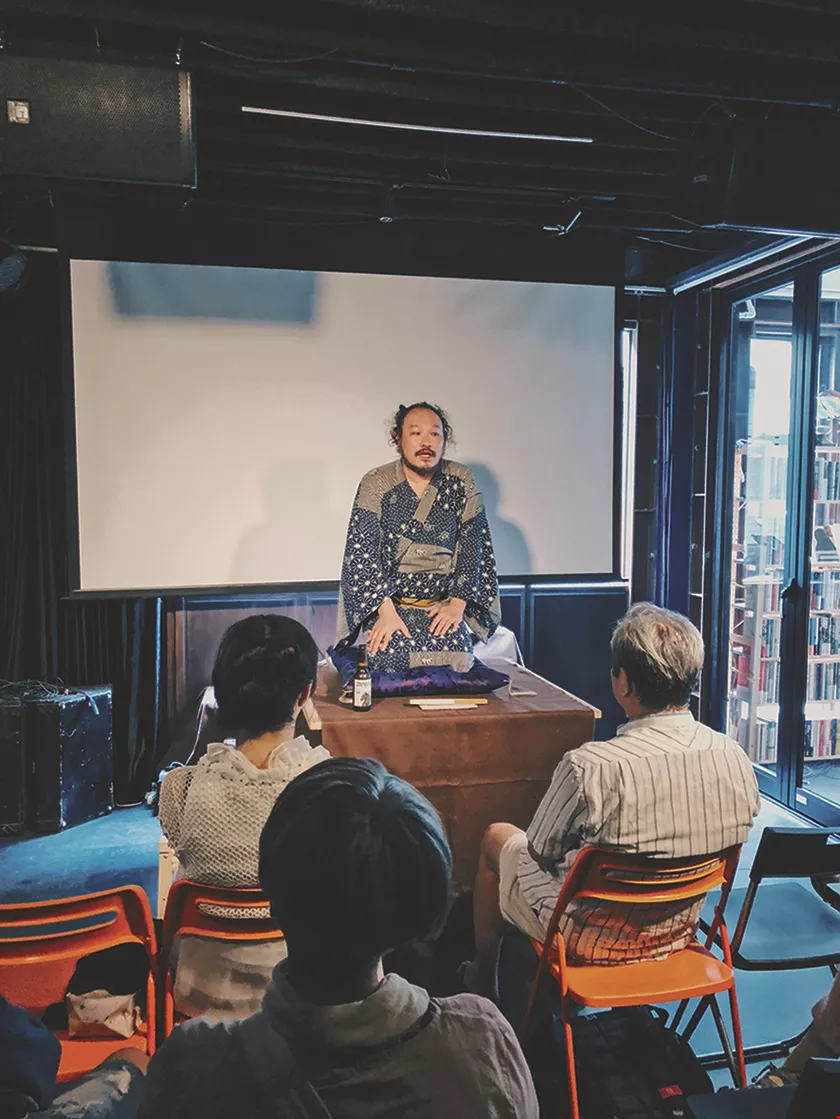
Jiang Shan Yi Gai Suo has added new facets to Hsinchu’s cultural landscape, including experimental art and performances. (courtesy of JSYGS)
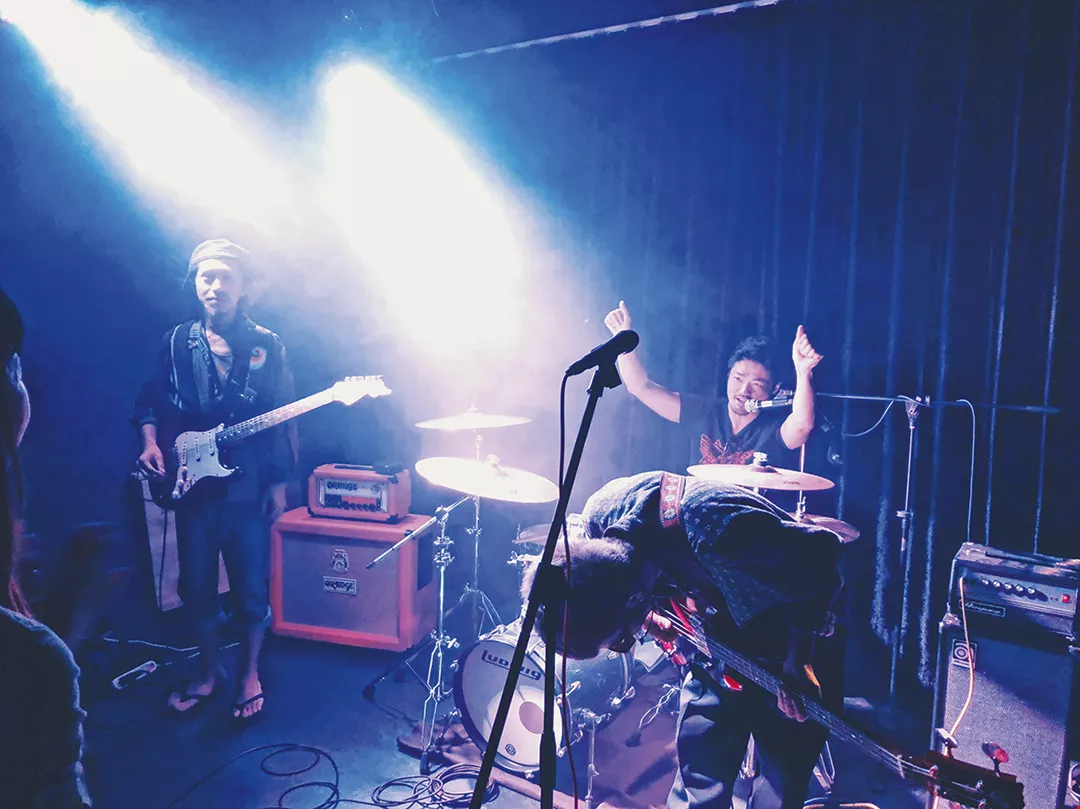
Jiang Shan Yi Gai Suo has added new facets to Hsinchu’s cultural landscape, including experimental art and performances. (courtesy of JSYGS)
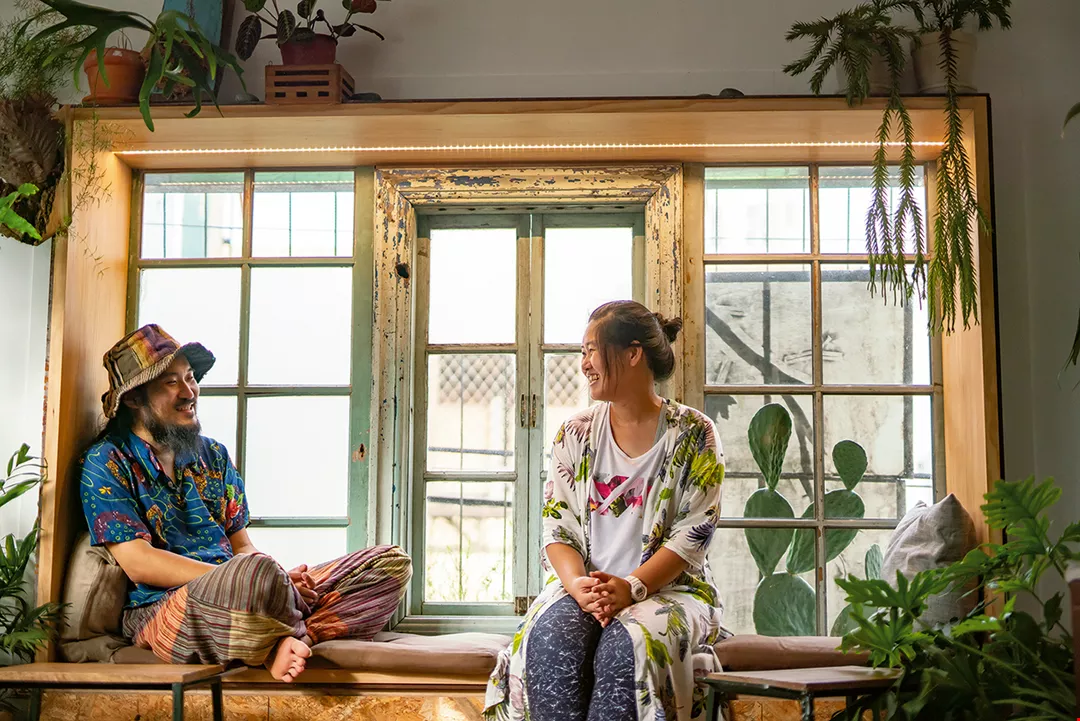
Chang Deng-yao and his wife, You Yachun, have brought their passions to life in Hsinchu. (photo by Lin Min-hsuan)
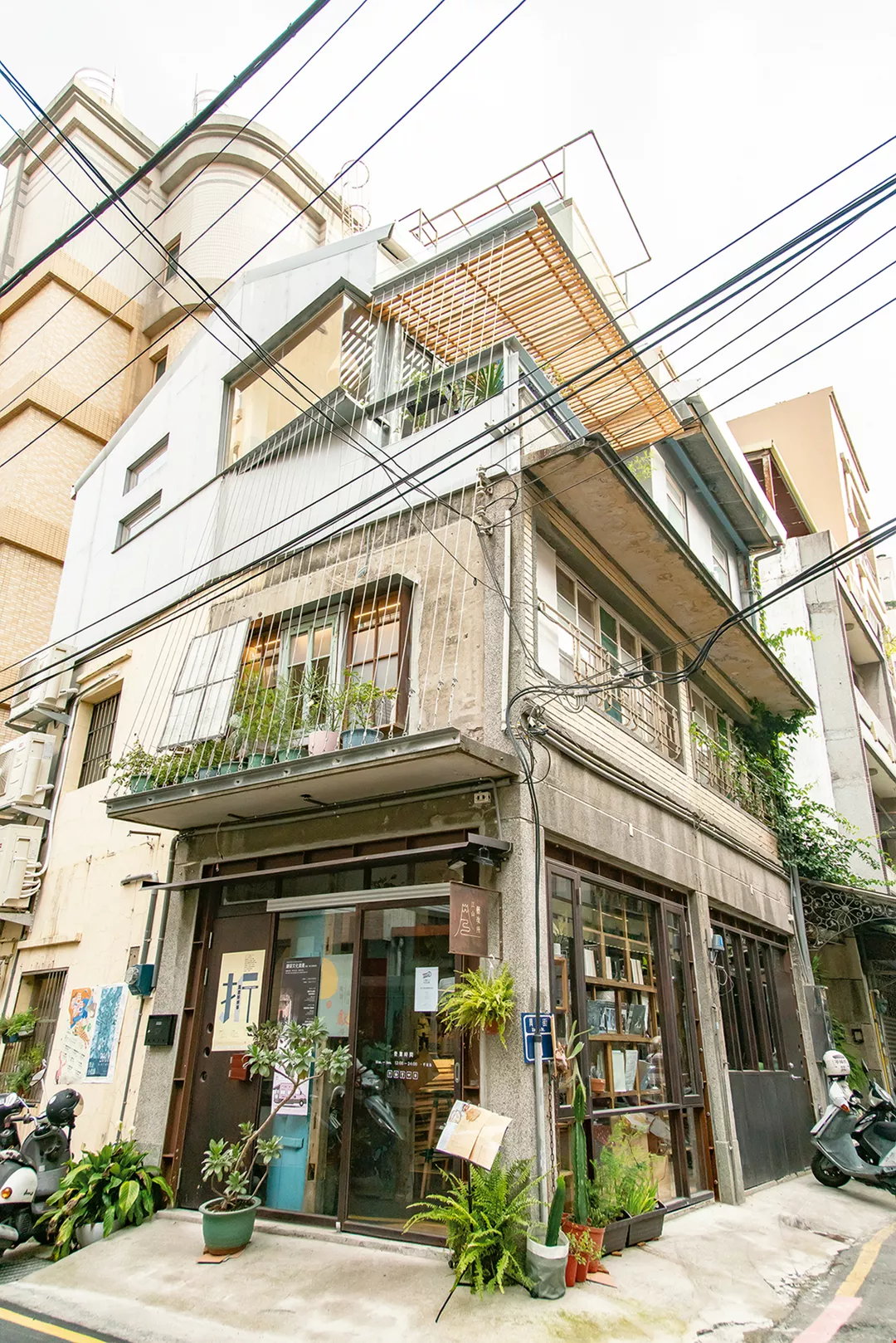
Jiang Shan Yi Gai Suo is located in an old house on Xingda Street in Hsinchu’s East District.
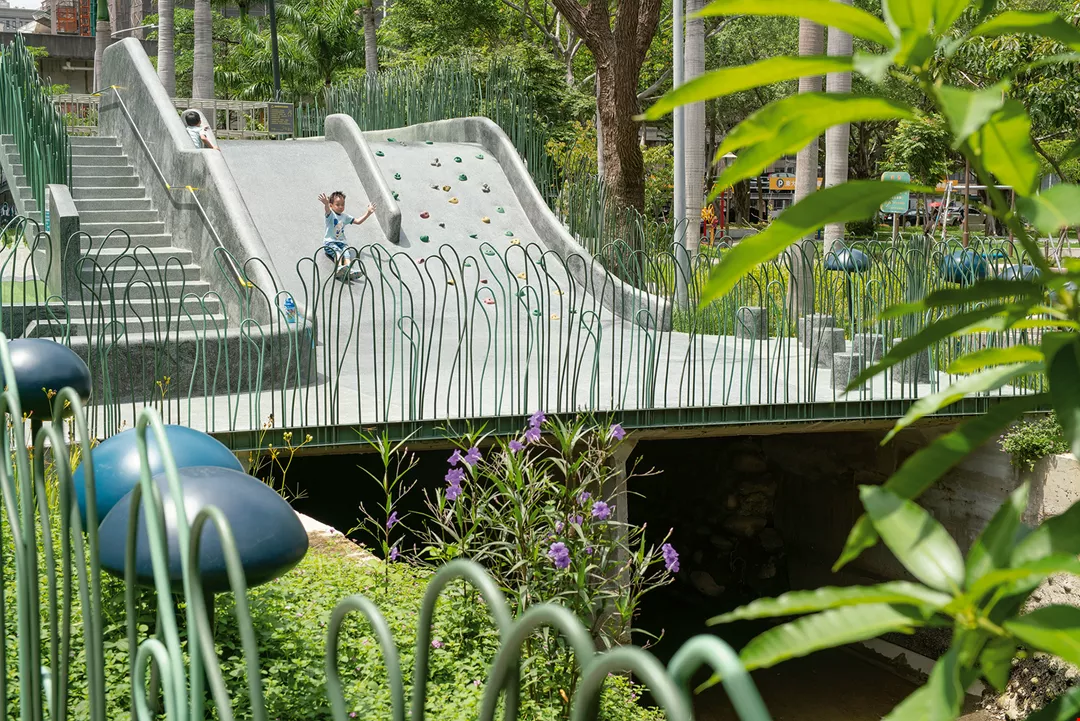
The new public space created along the Long’en Canal gives the public a place to enjoy sunshine, gentle breezes and the sound of gently flowing water.
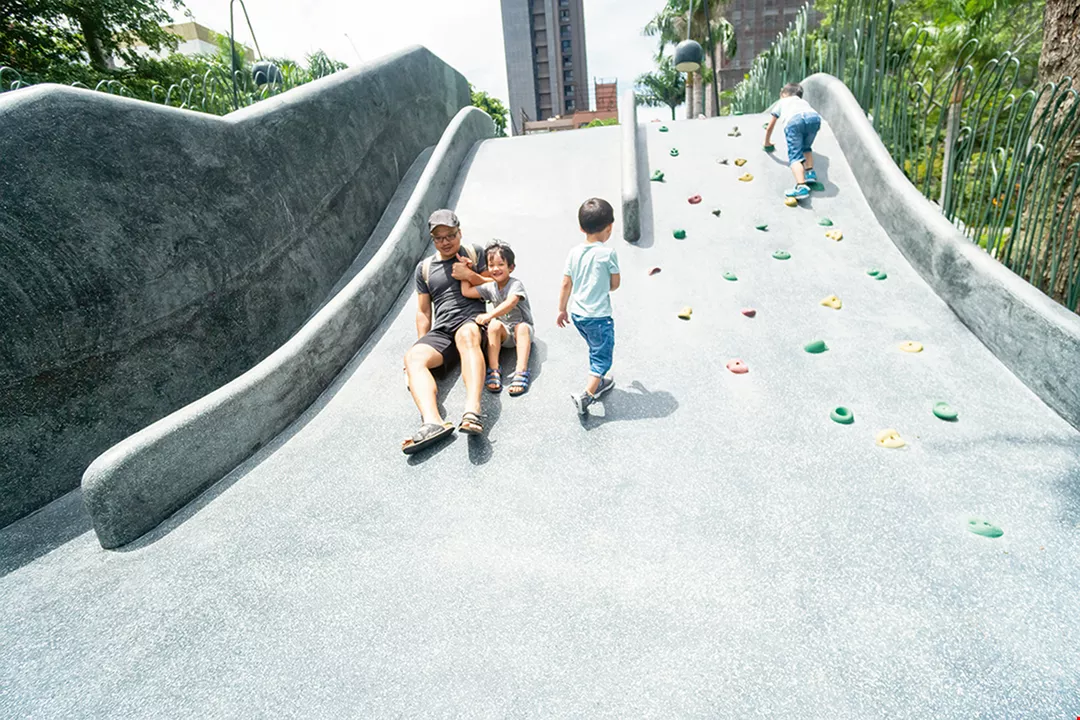
The new public space created along the Long’en Canal gives the public a place to enjoy sunshine, gentle breezes and the sound of gently flowing water.
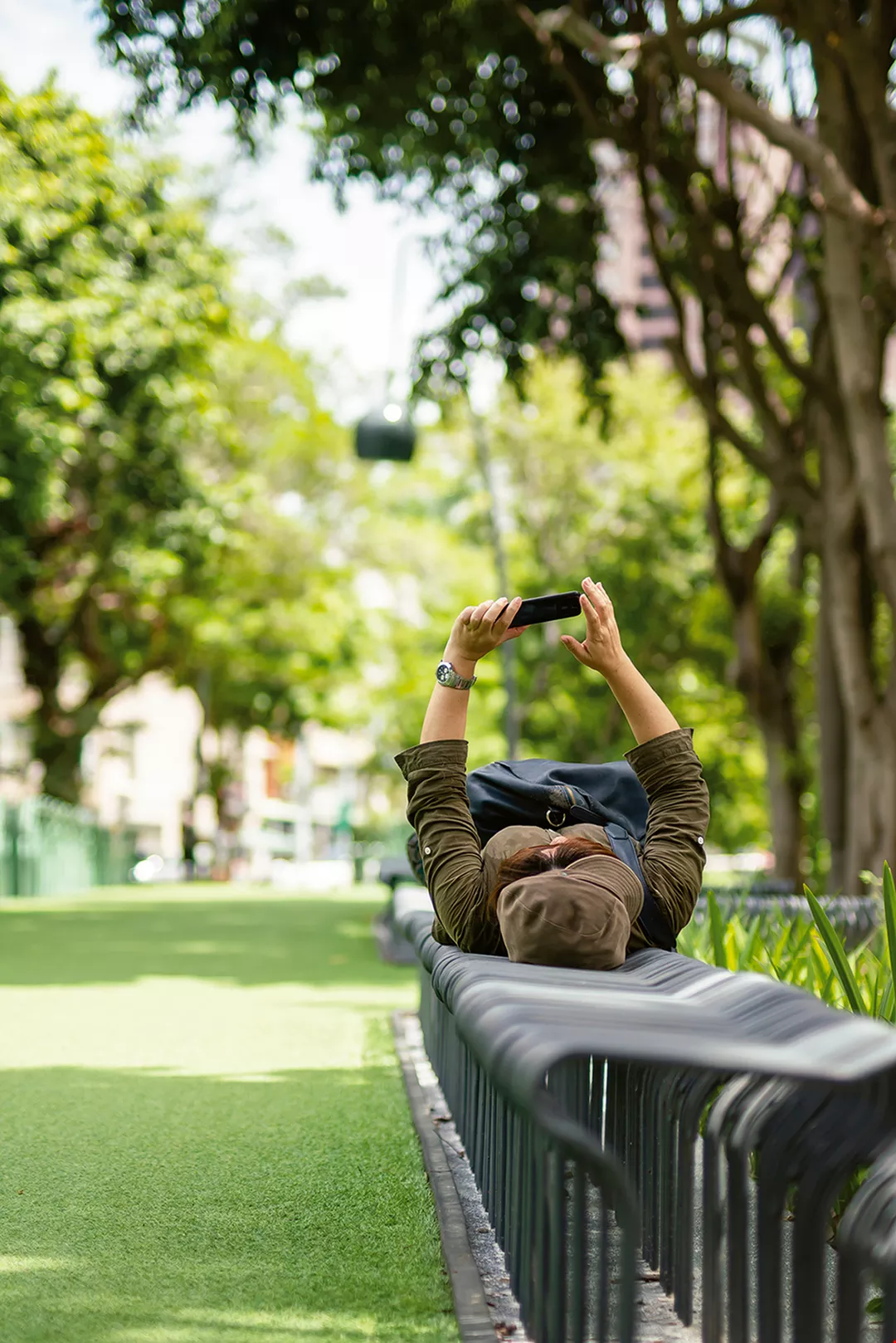

The new public space created along the Long’en Canal gives the public a place to enjoy sunshine, gentle breezes and the sound of gently flowing water.