Fenglin: The Soul of Slow
Cathy Teng / photos Chuang Kung-ju / tr. by Geoff Hegarty and Sophia Chen
August 2016
Chung Soon-long has created a food brand which he calls Good Eats. He starts his day pulling weeds on his peanut farm, then in the afternoon he wanders around the village with his camera, hoping to get some good shots.
Chen Kengyan, owner of Yan Tou Organic Farm, gets up around 5 a.m., works the farm till nine, then goes home for a shower and a nap. On waking, he browses organic farming information on the net, and is back at work on the farm by 2 p.m.
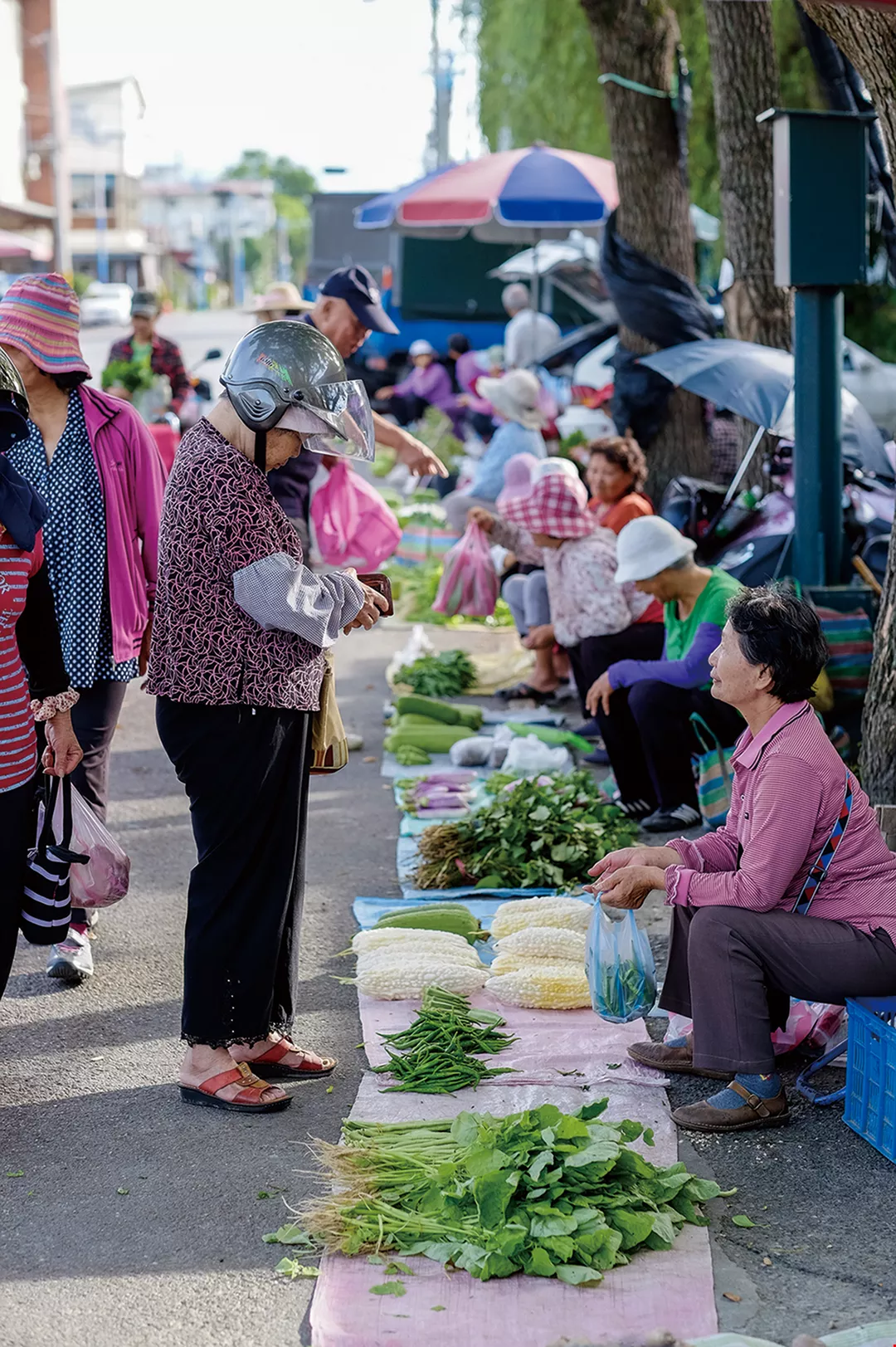
By around 6 a.m., there are a number of older residents selling home-grown organic vegetables on Guangfu Road. They sometimes exchange produce, a bunch of bok choy for a bunch of Chinese kale.
These are moments from the lives of the people of Fenglin Township, Hualien County. Although their daily routines and work habits vary, they have one thing in common—spiritual freedom.
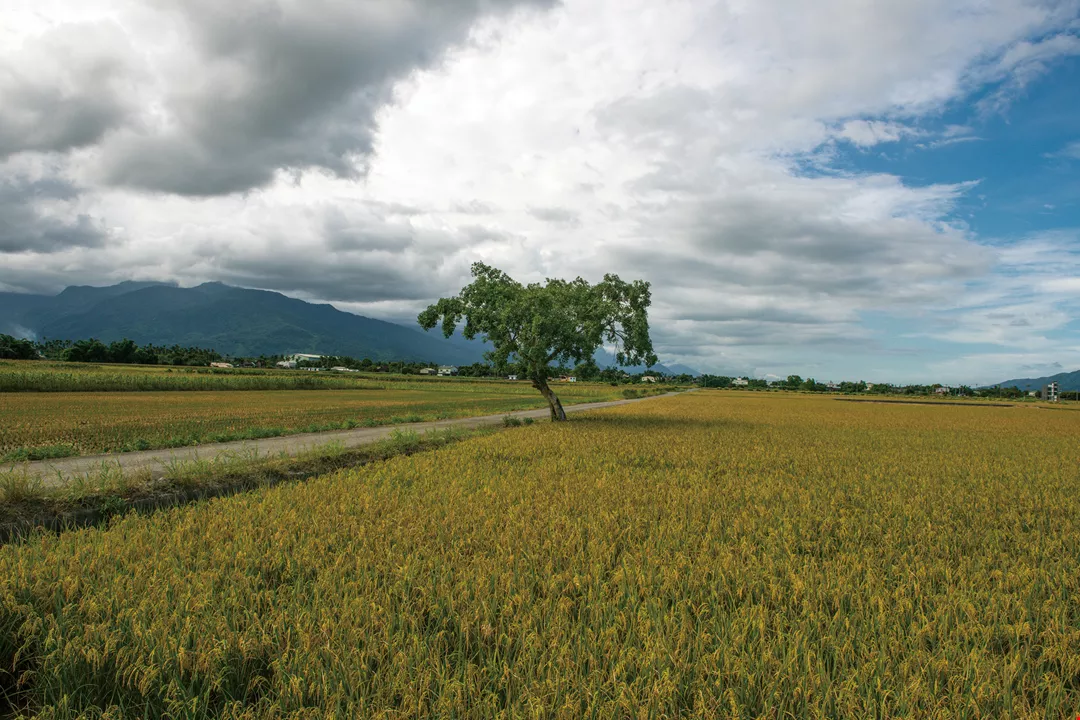
Fenglin Township is a small community located in the East Rift Valley in Eastern Taiwan. In April 2014, they applied to the “slow city” organization Cittaslow International, headquartered in Orvieto, Italy, to become a member. The following month, Fenglin’s application was approved, and it became Taiwan’s first slow city. Fenglin really didn’t need to put in any extra effort to gain this honor; the town just demonstrated what it is best at. “It was simply a matter of course,” says Liu Qingsong, director of the Fenglin Culture and History Association.

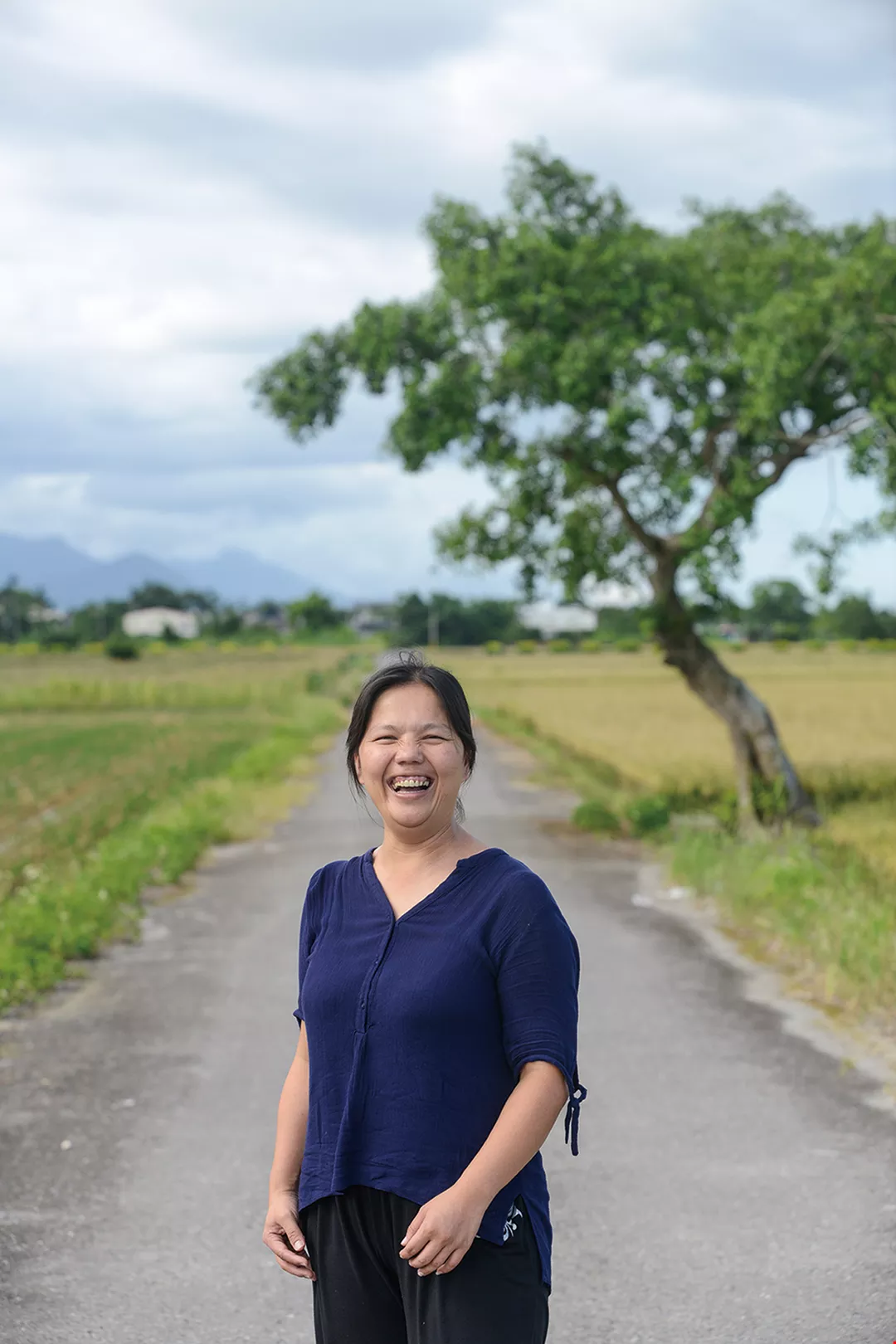
Lee Mei-ling, director of Fenglin’s Beilin Third Village Community Development Association, always has a bright smile.
Different paths
Lee Mei-ling, director of Fenglin’s Beilin Third Village Community Development Association, says: “It’s interesting that Fenglin actually got left behind in the rush to develop.” Fenglin didn’t keep up with Taiwan’s general economic development in the 1960s and 70s, so the town has taken a different path. They no longer want to build factories or wider roads. They want to maintain the slow pace of life that used to be the norm in the countryside, and they’re very proud of this achievement.
About 60% of Fenglin’s population belongs to the Hakka ethnic group, whose styles of farming, methods of food preservation, and trait of cherishing all aspects of life fit in well with the ideal of a slow city. If you see peanuts drying in the sun in someone’s garden, chances are that they were not grown by that household. They were probably gathered from the fields of one of the local farms after mechanical harvesting. Farmers like sharing their produce with the locals, and the locals cherish every morsel. It’s all a part of the Hakka people’s character: to work hard, look after their families, appreciate their gifts and waste nothing.

The early morning market on Guangfu Road rings to the sounds of voices and laughter. There’s a strong sense of camaraderie in what is surely one of Fenglin’s most pleasant scenes.
Local power
Sometimes known as “School Principal Central” because of the number of local people who have become school principals, Fenglin is a cultural hub among East Rift Valley communities. Through the efforts of community workers and various associations, the town has gently developed and maintained a “slow city” temperament. At the same time, upholding the Hakka maxim of “Don’t think too much, just do it!” many locals have put a great deal of effort into preserving Fenglin’s culture and history, and developing the community.
Liu Qingsong has worked as a volunteer for the Fenglin Culture and History Development Association and a local dye workshop after retiring from a position in the public service. He also manages a Facebook fan page where Fenglin’s culture and history can be discussed and local stories are aired. He has personally written more than 50,000 words about the town to date.
Lee Mei-ling originally came to Hualien to study, but then married a local and settled in Fenglin. She loves being a part of the local community, and participates in community work, including preservation of culture and history, caring for older people, and counseling the young. For over a decade she has put her roots deep into local society, and has gained the trust of the community.
Chang Yu-pei represented Fenglin at the 2014 “Slow City” General Assembly in the Netherlands, where she received their certification as a slow city. According to Chang, “The biggest change for Fenglin was the increased awareness of what we had in our township.”
This change made easier the work of community volunteers like Liu and Lee in promoting local sustainability. People started to accept the slow lifestyle of Fenglin. They accepted the fact that while nobody was likely to become very rich, they would be able to maintain their high quality of life, in the hope that their children would one day return to reap the benefits.

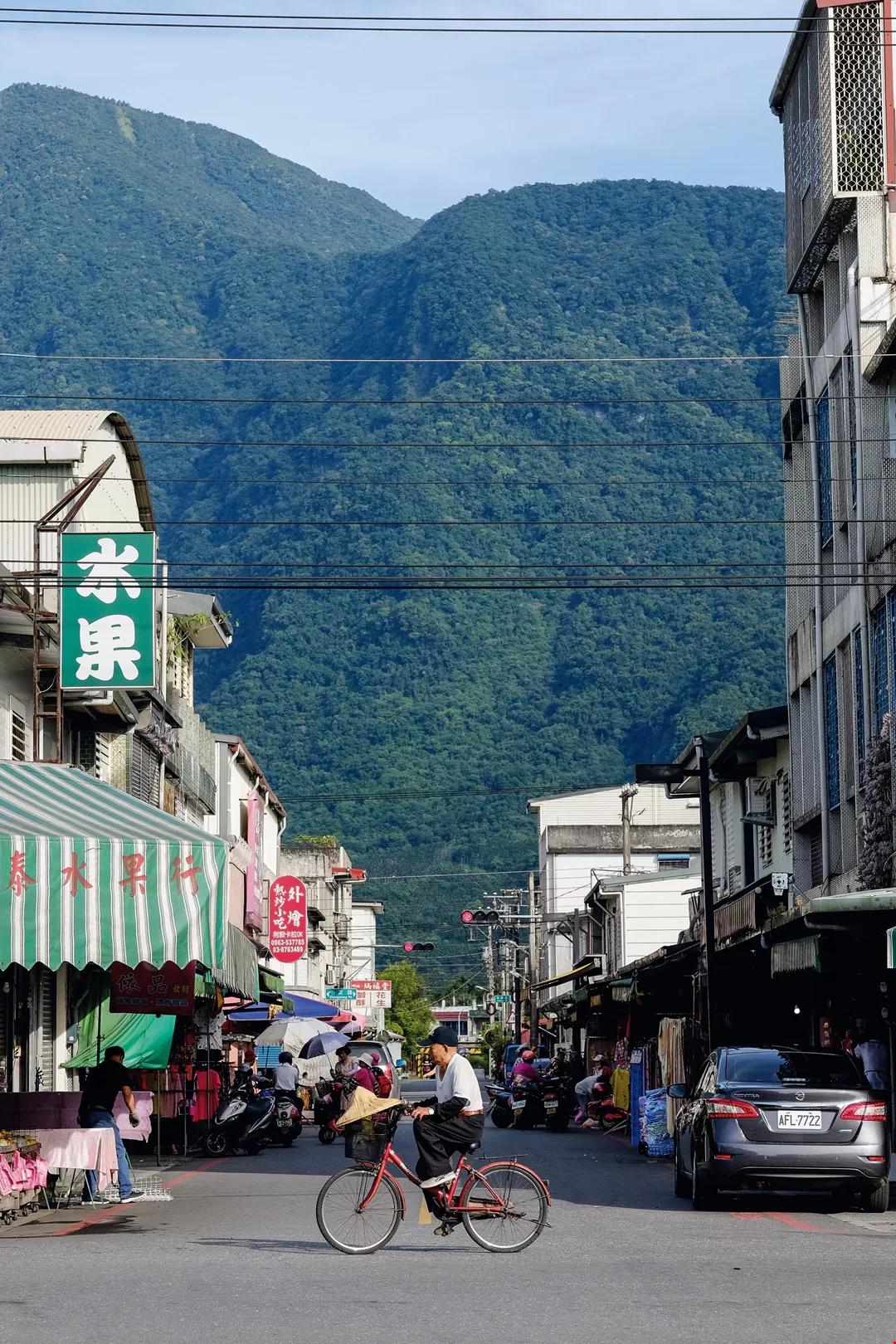
The pace of life in Fenglin is relaxed and unhurried.
Beauty and sadness in Fenglin
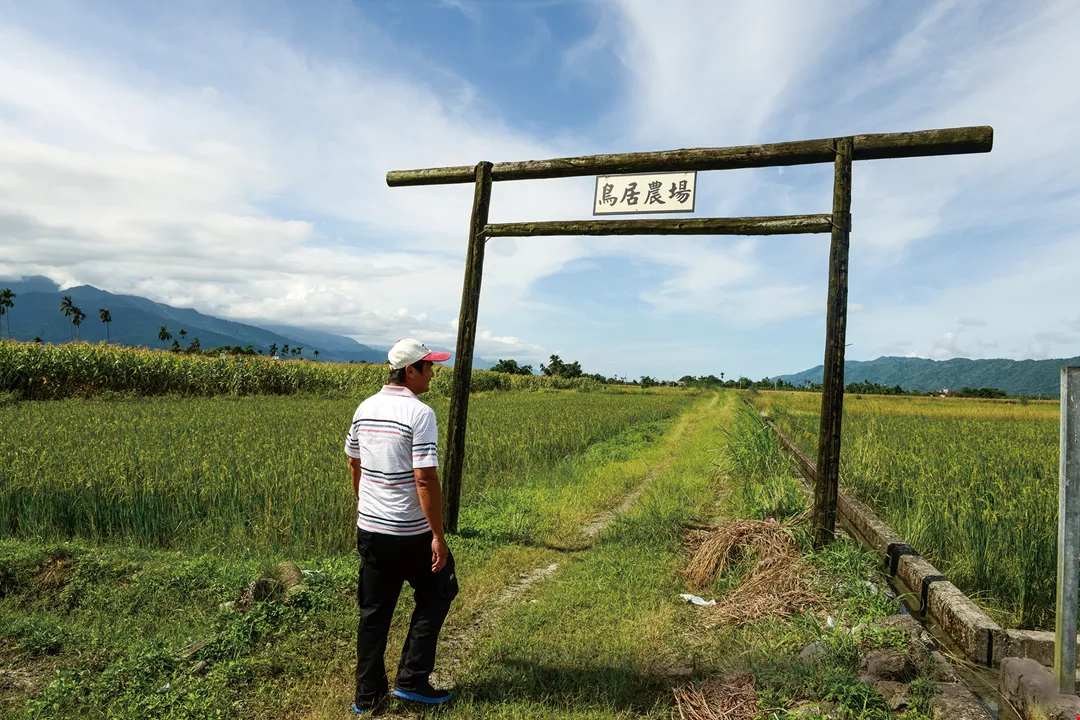
After Xu Mingtang returned to Fenglin to take care of his parents, he established Niaoju Farm, and joined a local project in which groups of 100 households each financially support a farmer who is implementing environmentally friendly organic farming methods. Supporters are thus able to share the farmers’ risks and takings. Xu is also working on promoting awareness of organic farming and the need to look after the land. During the rice harvest, he invited children from the city to work in his paddy fields to experience the harvest hands-on.
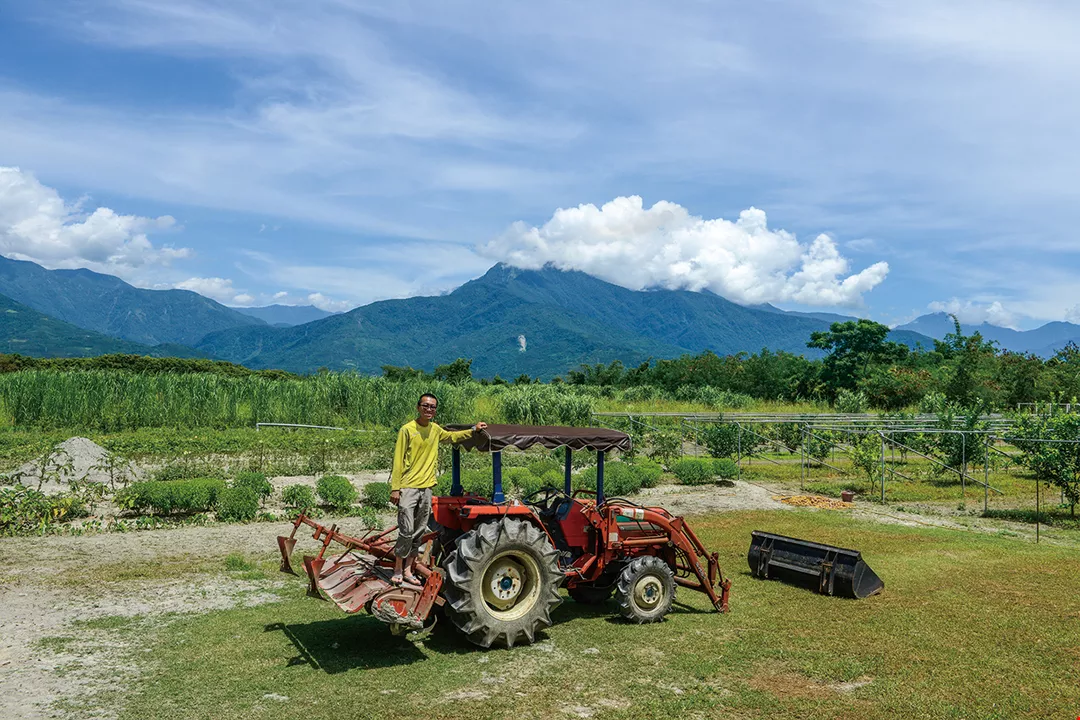
Born in 1982, Xie Yi is the son of a farmer. He became concerned about his father’s welfare as he had to work so hard as a farmer. He was also distressed at the exploitation his father suffered at the hands of middlemen. So he returned to Fenglin, where he now runs his own brand through Facebook, selling his produce online and inviting other farmers to advertise their quality foods on his Facebook page to increase the range offered.
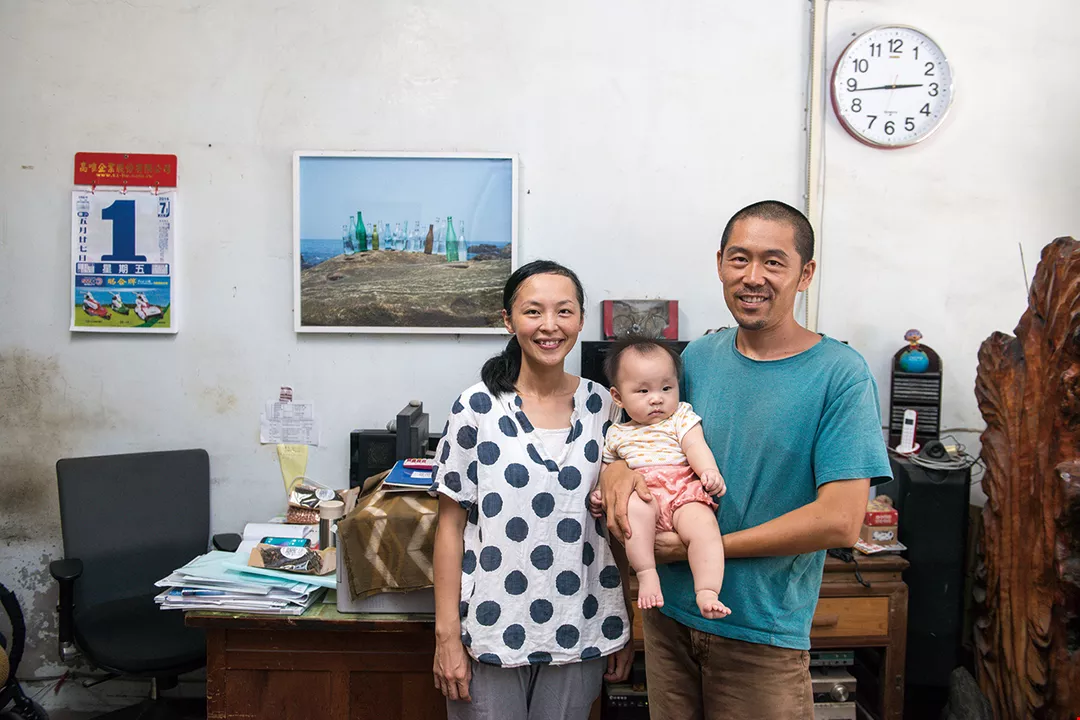
Chung Soon-long and his partner Helen Liang returned to Fenglin because they wanted to continue the tradition of home-style cooking they inherited from Chung’s mother. They learned how to fry peanuts from her and established a new brand called Good Eats, which they run from their home. Chung and Liang often invite visitors in to sit around their big wooden table, sharing home-made soy milk and chatting about some of the local attractions.
Chen Kengyan, born in 1978, has a doctorate in mathematics. He gave up teaching at college after his mother passed away, and bought a piece of land in Fenglin to grow healthy food, later gaining organic farming certification. When he chose to clear the rocks from his land manually, passers-by mocked him for not using a machine, thinking him a fool. So he called his farm Yan Tou Organic Farm (the name yan sounds similar to the word for “fool” in Taiwanese).
Lin Gonghong, who returned to Fenglin with his wife Pan Zhenfang just a year ago after retiring from the financial sector, is running a 25-year-old ice cream store which used to belong to his mother-in-law. As a relative newcomer to the area, he is concerned about the gradual decline of his adopted town. He’s witnessed an exodus of young people, and a consequent shortage of labor and lack of opportunity.
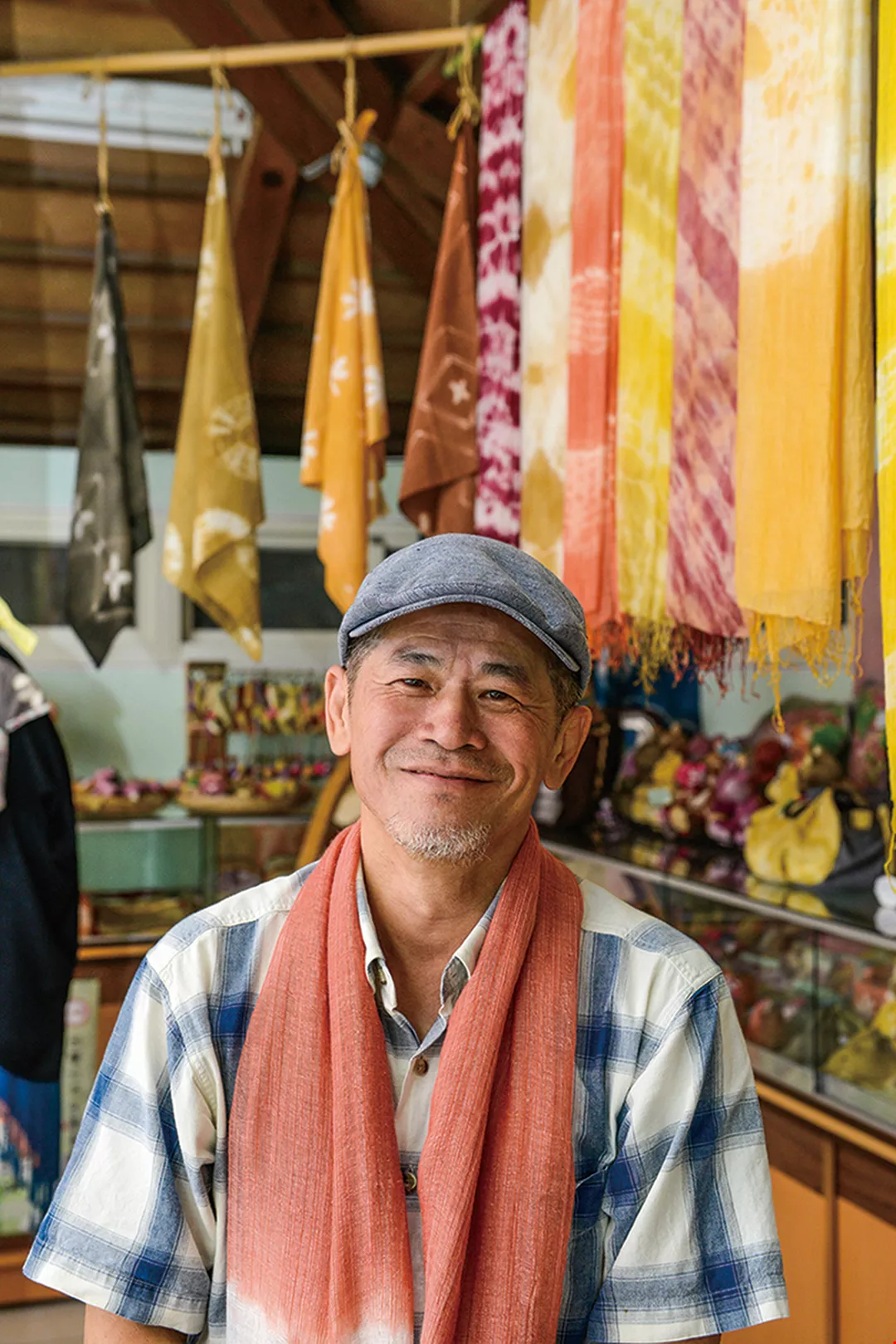
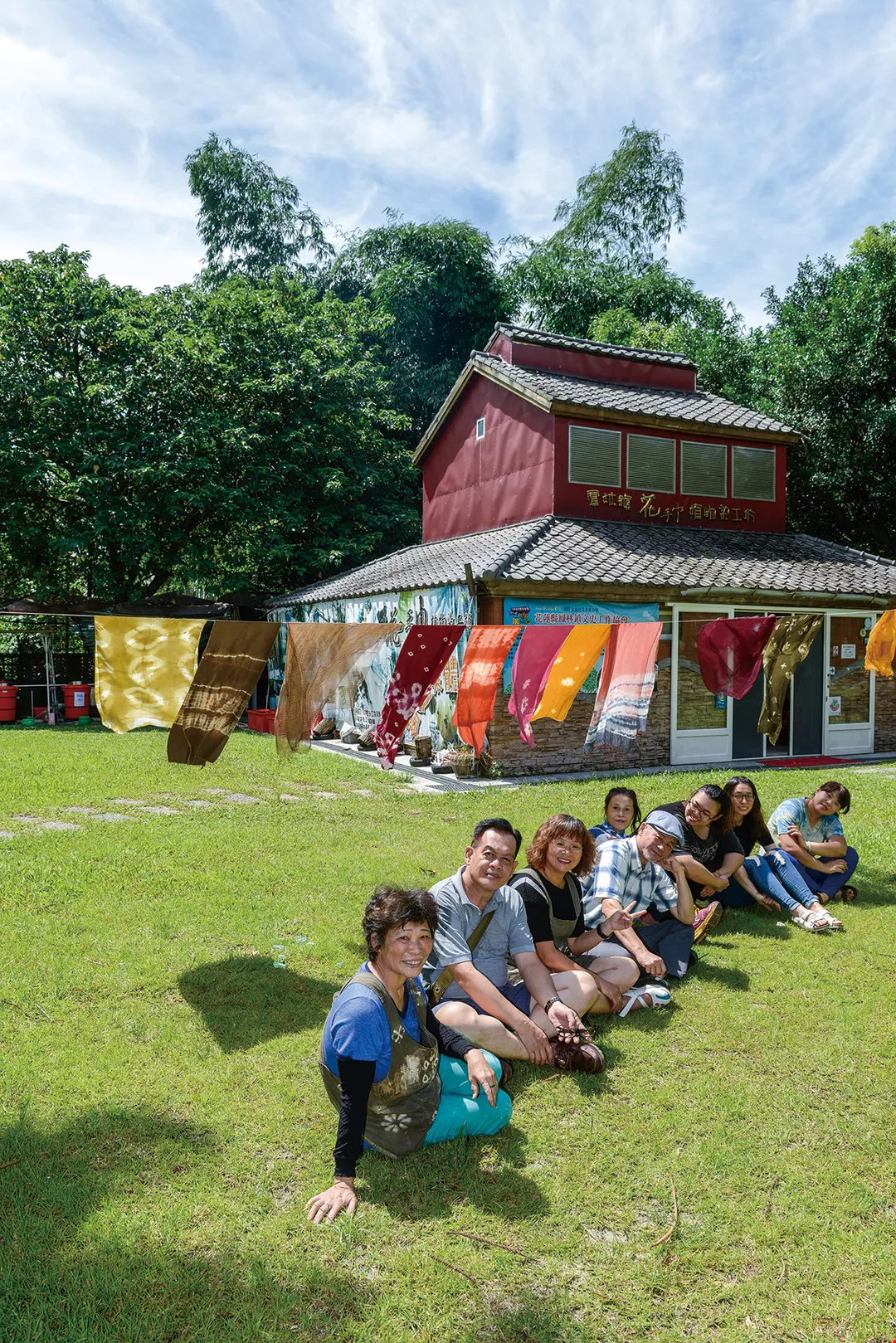
Liu Qingsong gives a group of visitors a class in hand-dyeing scarves, as they experience the beauty of Fenglin.

Links to the land
Fenglin’s shrinking population is becoming an urgent issue. The local community is putting a great deal of effort into both keeping young people where they are in their hometown, and attracting the young back home.
A photo posted on Facebook showed one of Lee’s assistants disguised as Sadako, the ghastly antagonist of the horror film Ring, at a well in Lintian Village. It gained an enthusiastic response, so Lee thought that this type of spectacle might attract young people. She invited locals to dress up as different types of ghosts and parade around the streets near the Yanlou (the old tobacco curing house). They also did up the Yanlou as a haunted house. In the seventh month of the Chinese lunar year, according to folk tradition, ghosts are abroad in the so-called Ghost Month. It all proved very popular, attracting about 3,000 visitors. Business at the haunted house was still brisk at midnight.
Lee hopes to gradually attract young people back. Understanding the history of the Yanlou may help them find links with the local community. She hopes that the young will protect Fenglin’s cultural assets in the future.
Fenglin has always adhered to the principle of slow and gradual progression. To savor the town’s “slowness,” people need to spend time and explore the place with all five senses. A similar sensation, Chung suggests, might be trying to stack stones on the banks of a stream. That task requires concentration: considering the precise positioning of each stone, finding the point of balance, slowing down. Then the essence of the slow city can be experienced in depth.

Liu Qingsong gives a group of visitors a class in hand-dyeing scarves, as they experience the beauty of Fenglin.


Xu Mingtang established Niaoju Farm after returning to Fenglin to look after his parents.

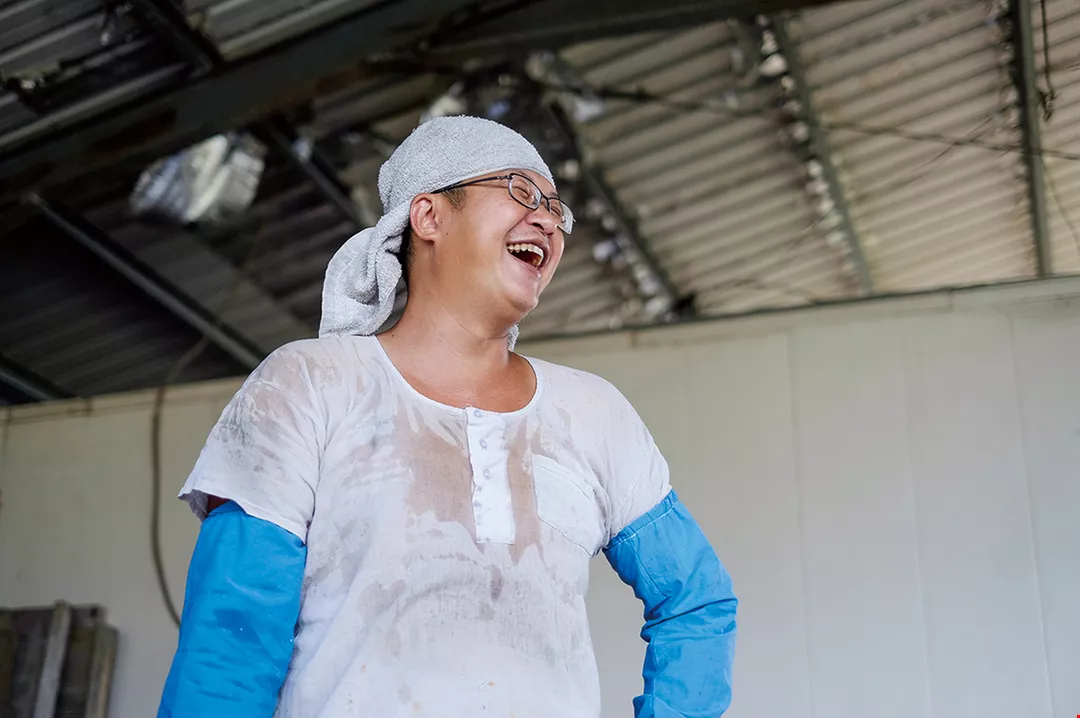
Happy smiles from the fields.

Happy smiles from the fields.

A family photo: Good Eats owner Chung Soon-long, his wife Helen Liang and their seven-month-old daughter.

People need to stop over for a while to really experience the essence of slowness and beauty in Fenglin, the slow town of the East Rift Valley.