Fields of Dreams:
New Farming Directions in Erlin
Joanna Wang / photos Jimmy Lin / tr. by Jonathan Barnard
March 2026
At the southwestern edge of the Changhua Plain, the fertile black soil deposited by the
Zhuoshui River has nurtured the confident disposition of Erlin Township’s people. Stepping into Erlin, we encounter not only rippling rice fields and the fragrance of fruit, but also the township’s “three treasures”—grapes, buckwheat, and red coix seeds—along with dragon fruit, which has gained popularity more recently. Yet what truly shapes Erlin’s character is not just its crops, but its community of cheerful, resilient, creative people.

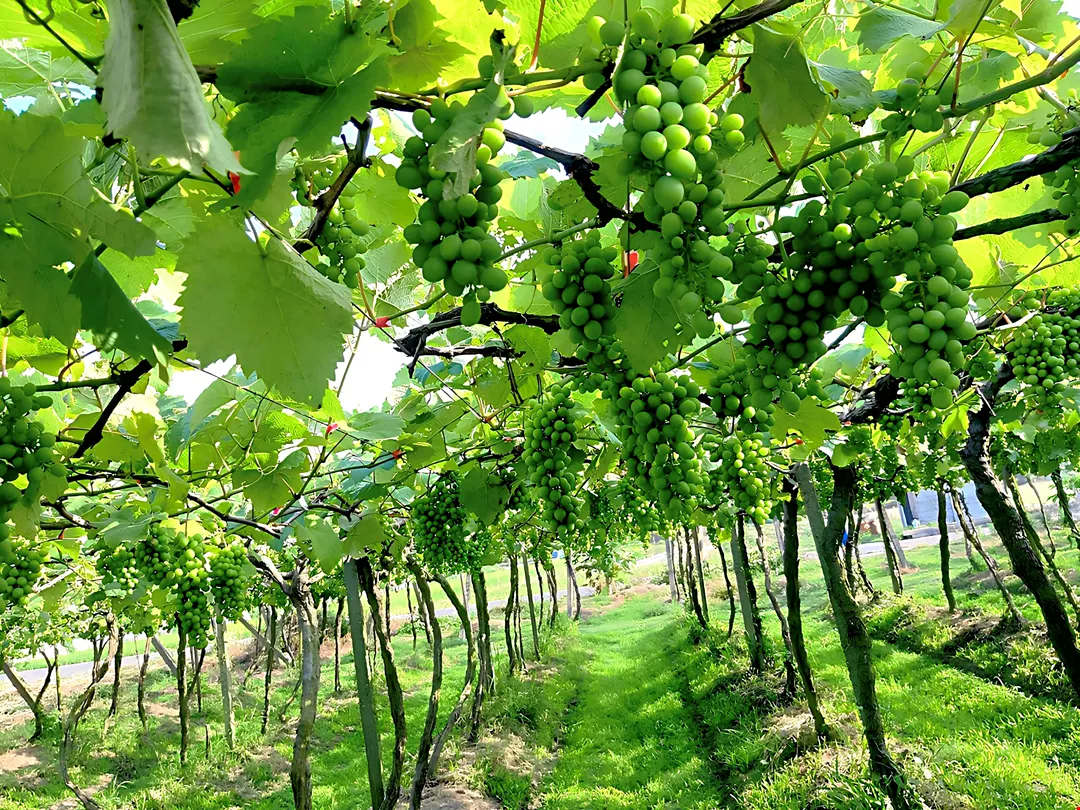
Erlin’s vineyards produce both summer and winter crops of wine grapes, each with distinct flavors shaped by the seasons. Shown here is the ‘Golden Muscat’ grape, commonly used in making white wine. (courtesy of KingYuHu Winery)

Following a European tradition, roses are planted in windward areas of vineyards to monitor for pests and diseases.
Taiwan’s Napa Valley
Erlin once boasted over a thousand hectares of vineyards, making it the center of wine grape production in Taiwan. Today, the town is home to eight licensed wineries, giving it the greatest concentration of wineries in the country.
Erlin’s wines carry the rich, fruity aroma unique to a subtropical island. The main grape varieties include the full-bodied, slightly tart ‘Black Queen’ red grape, as well as ‘Golden Muscat,’ which is ideal for producing white wine and brandy. Each winery creates its own distinctive wines, guided by its own winemaking philosophy. The Taiwan Wine Cellar, established by the Erlin Farmers’ Association, oversees promotion and coordination. It hosts the Amethyst Cup Wine Competition, which has become a major annual event in Changhua and celebrated its 20th year in 2025.
Liao Lixing, owner of KingYuHu Winery, recalls that when he was young, his family’s grapevines grew so low to the ground that harvesting required one to kneel and bend over. After his military service, he ventured elsewhere to gain experience, but eventually returned home to take over the family business, founding the winery and creating a picturesque bald cypress avenue within the estate to attract visitors.
Laughing, he says that despite being naturally reserved and resolute as a Taurus, years of “playing with flowers and plants” have nurtured a romantic streak in him.
“What we look forward to each day isn’t work—it’s life,” he says. “If you quieten your mind, you can taste an entire expansive world in a glass of wine.” He leads visitors across the winery’s sunlit meadows to taste its fine wines paired with locally produced food, and stresses the importance of savoring the beauty of life in the place where you find yourself: “The sky is our roof, the grass is our carpet—we’re not in France, we’re in Erlin.”
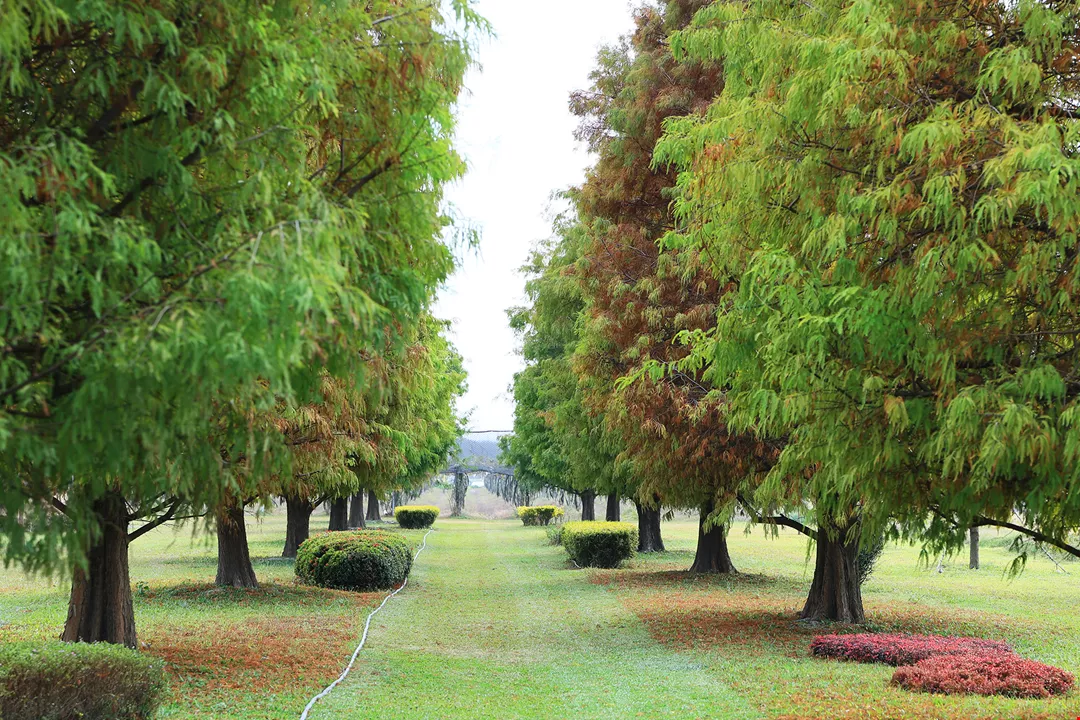
KingYuHu Winery has a bald cypress avenue that only adds to the sense of romance on the estate.
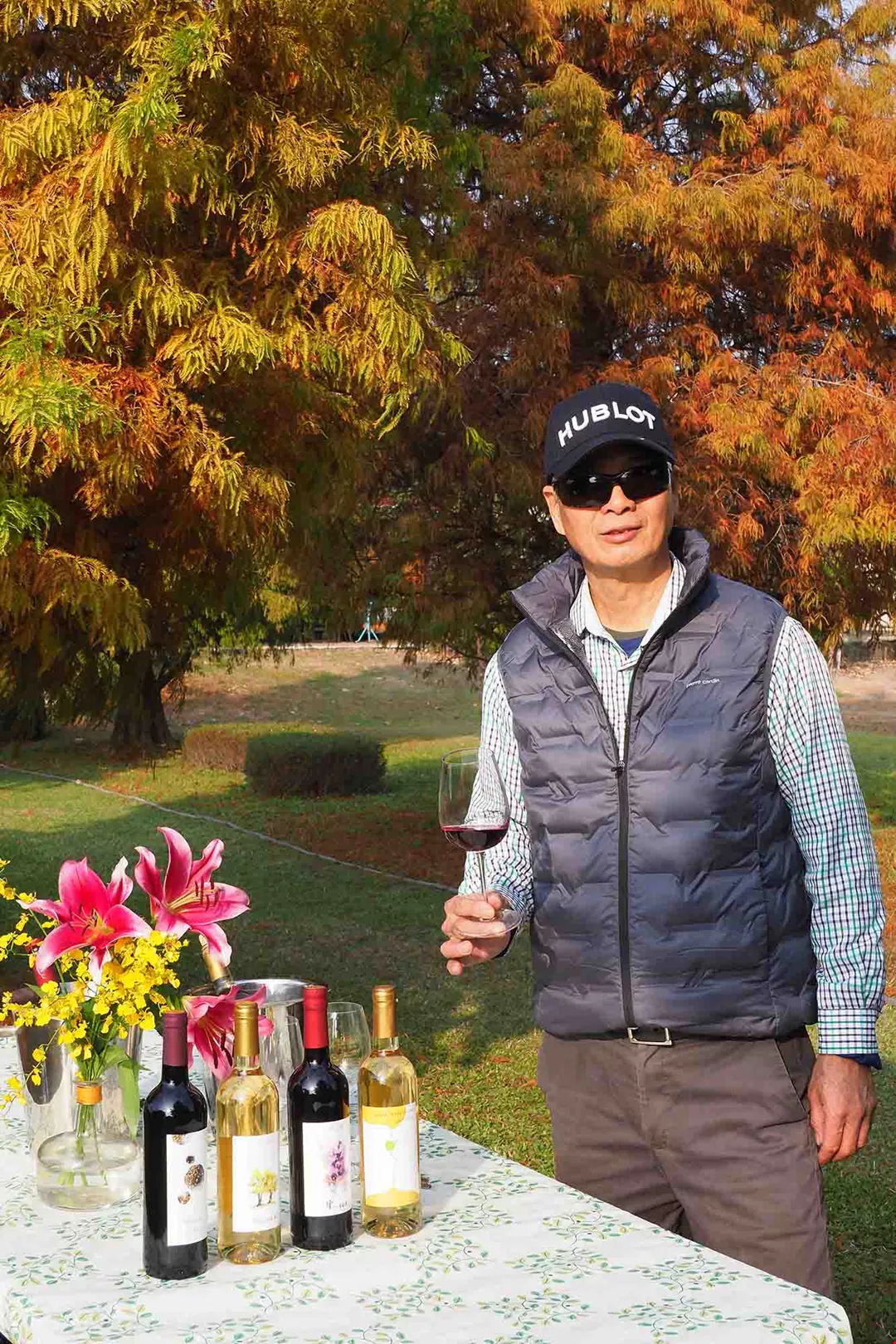
Weaving wine tasting into the natural landscape, Liao Lixing has created an appealing winery experience.

Buckwheat takes a leading role
Each December, the fields of Erlin are blanketed with snow-like buckwheat blossoms, drawing visitors to stop and take photos. The variety grown in Erlin is a sweet buckwheat suitable for cooking. Originally planted as green manure during the winter fallow season, its exceptional quality has attracted the attention of Japan’s National Federation of Noodle Associations (NFNA).
The farmers’ association established Taiwan’s first handmade soba noodle classroom and set up the only overseas certification system authorized by NFNA. Each year, Japanese masters are invited to Taiwan to personally evaluate and train local artisans.
Chen Fengyu, a teacher, notes that sweet buckwheat is rich in dietary fiber and trace minerals, making it an excellent choice for modern health-conscious diets. Although it was originally planted in cooler climates, the crop has found a true home here, just as products made with buckwheat flour have likewise begun to appear in Erlin’s kitchens.

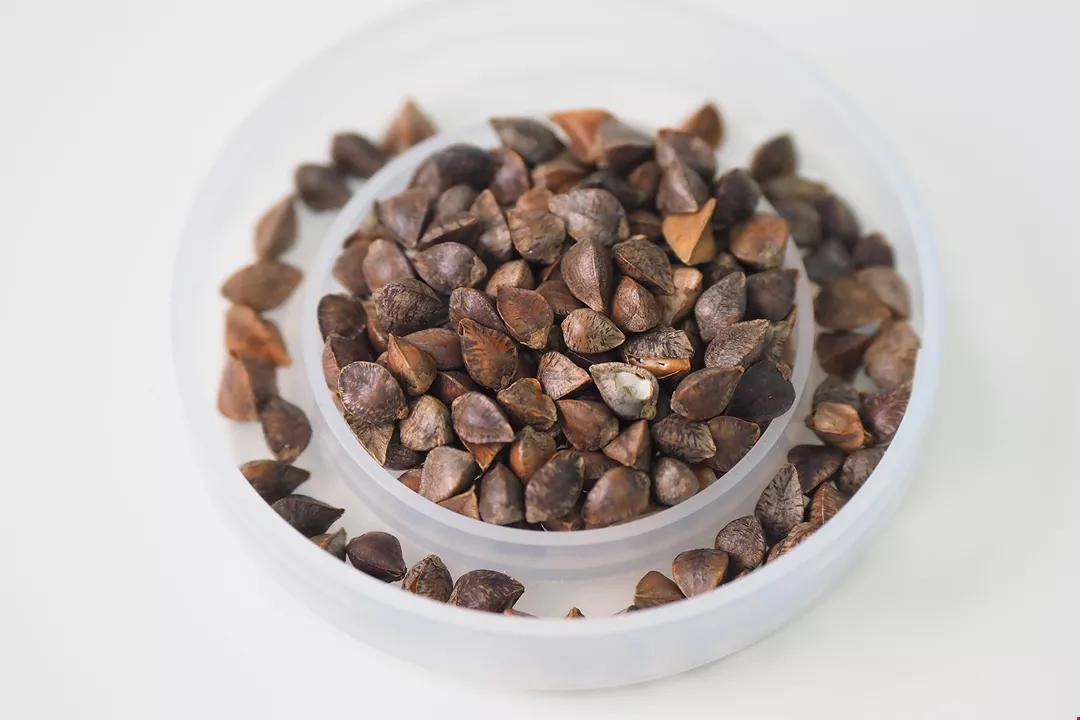
Sweet buckwheat with the husks still intact.

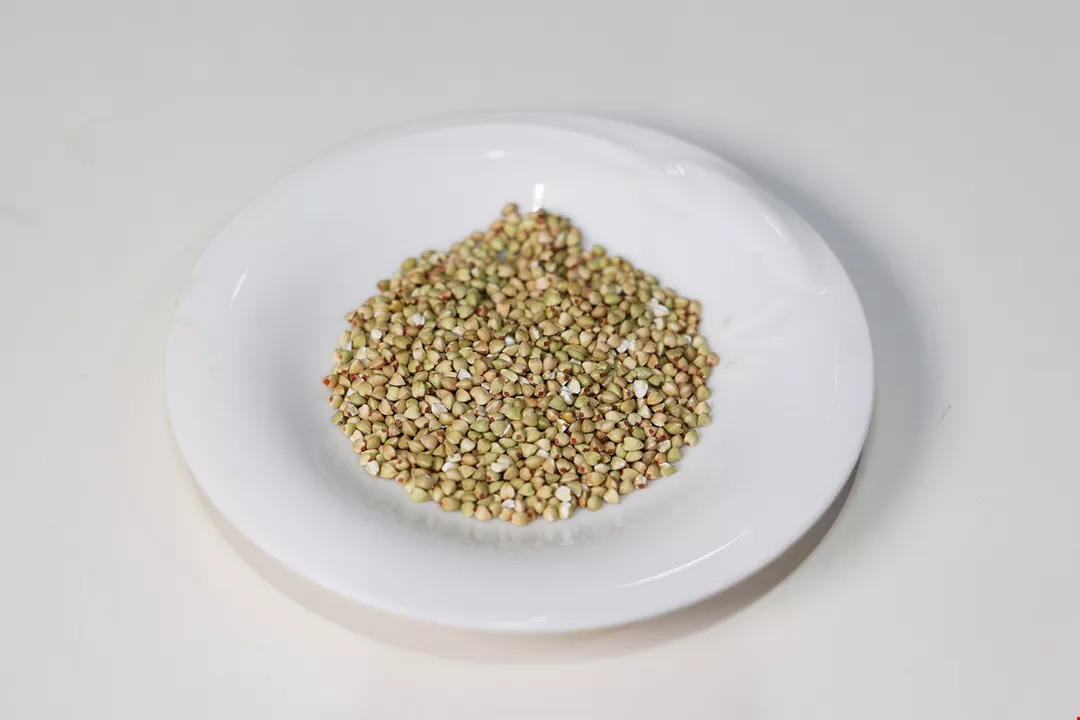
Hulled sweet buckwheat seeds.

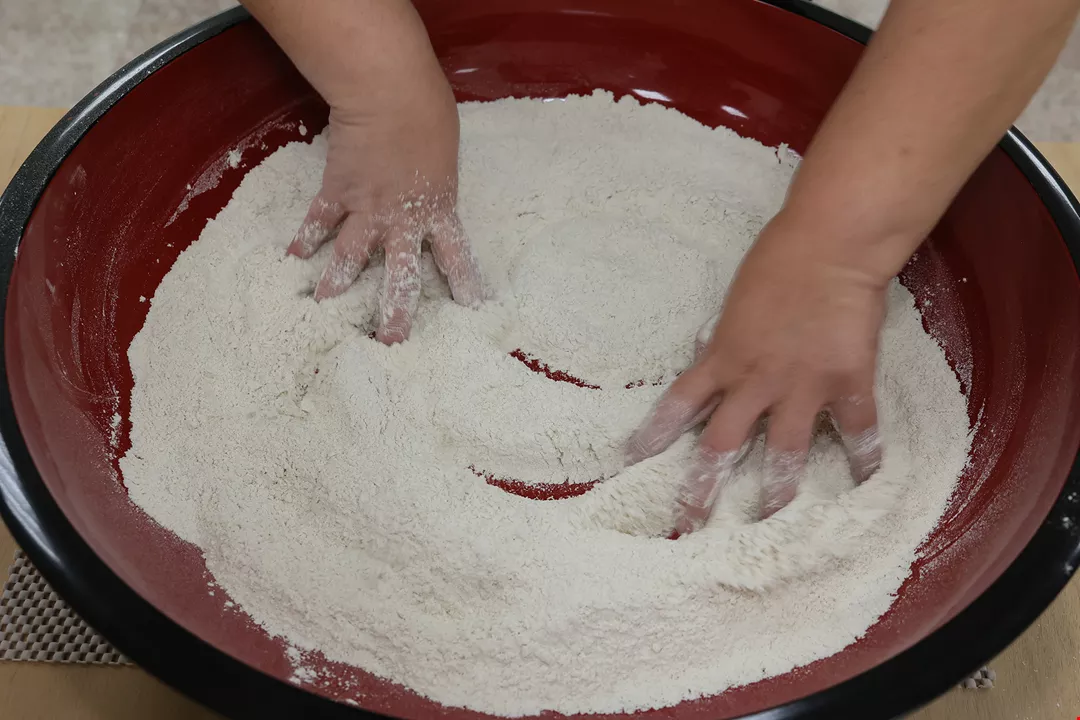
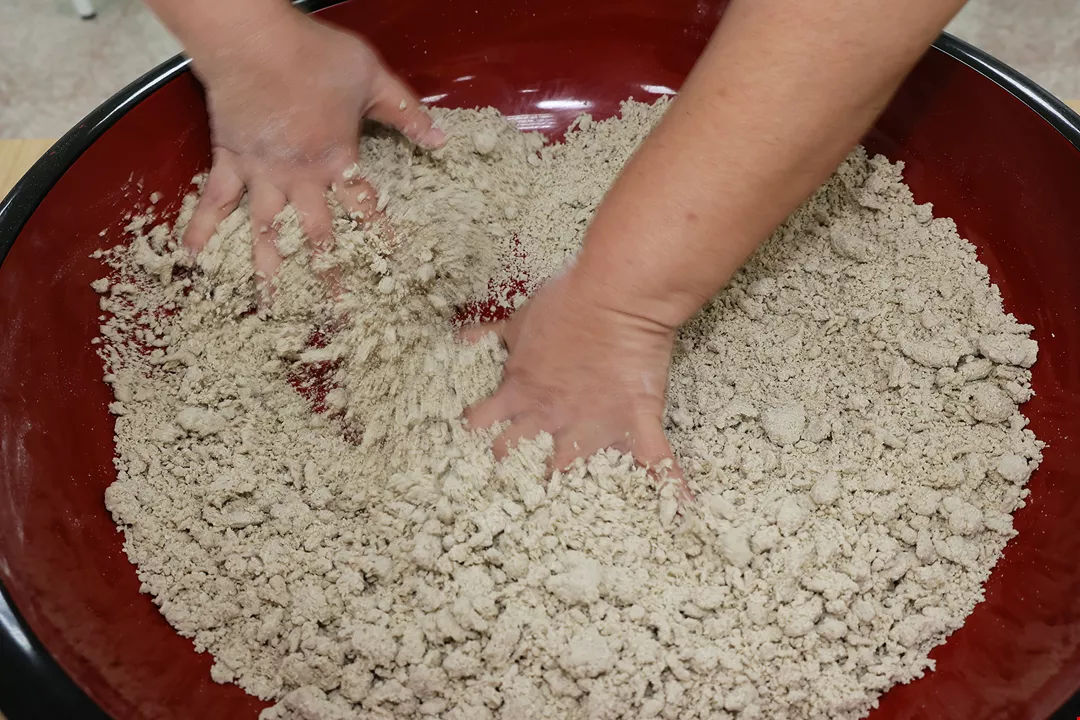
Making noodles: After sifting the flour, water is mixed in.

Mixing and kneading continues until the dough becomes smooth and uniform.

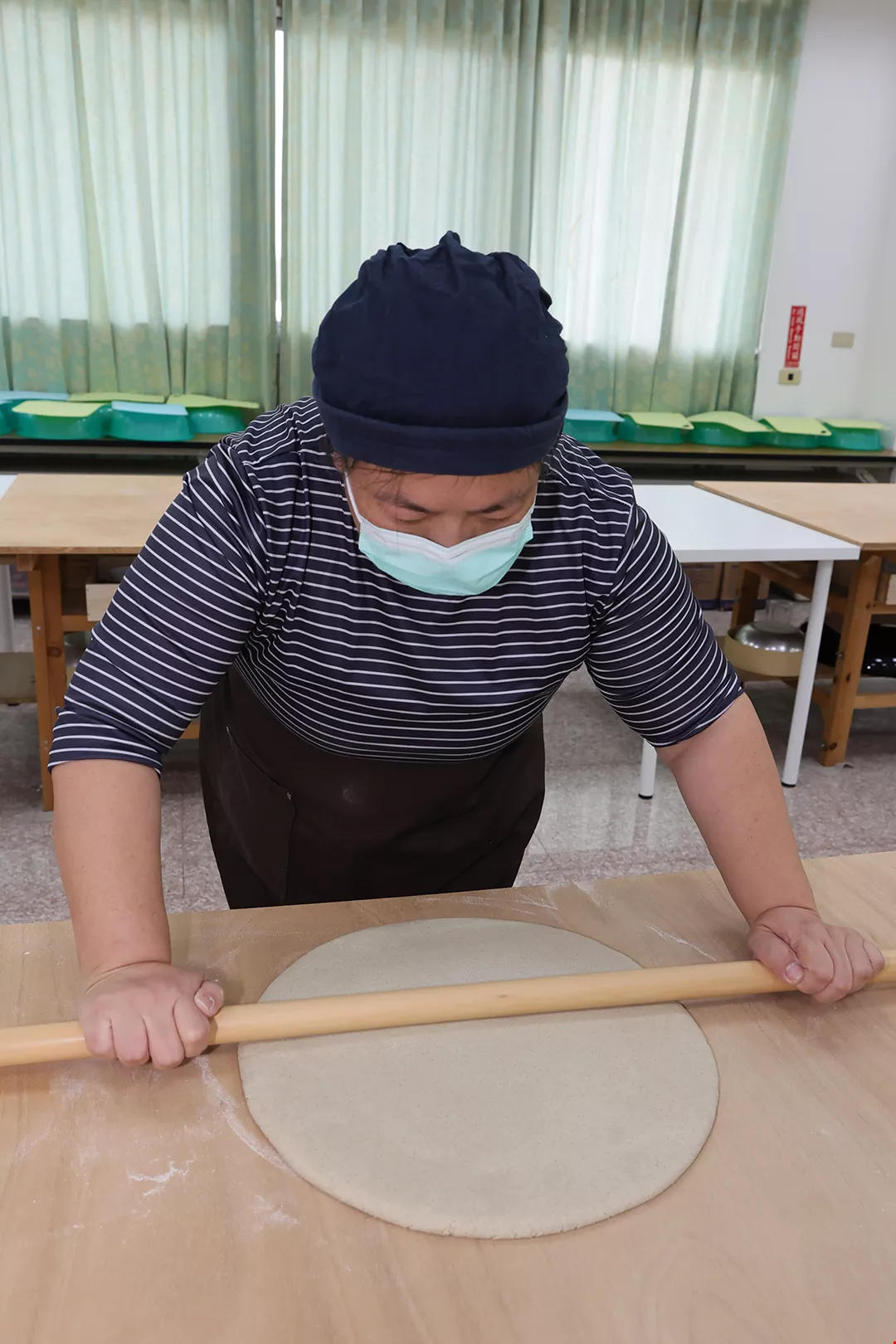
Dough is rolled out into a square about eight millimeters thick.

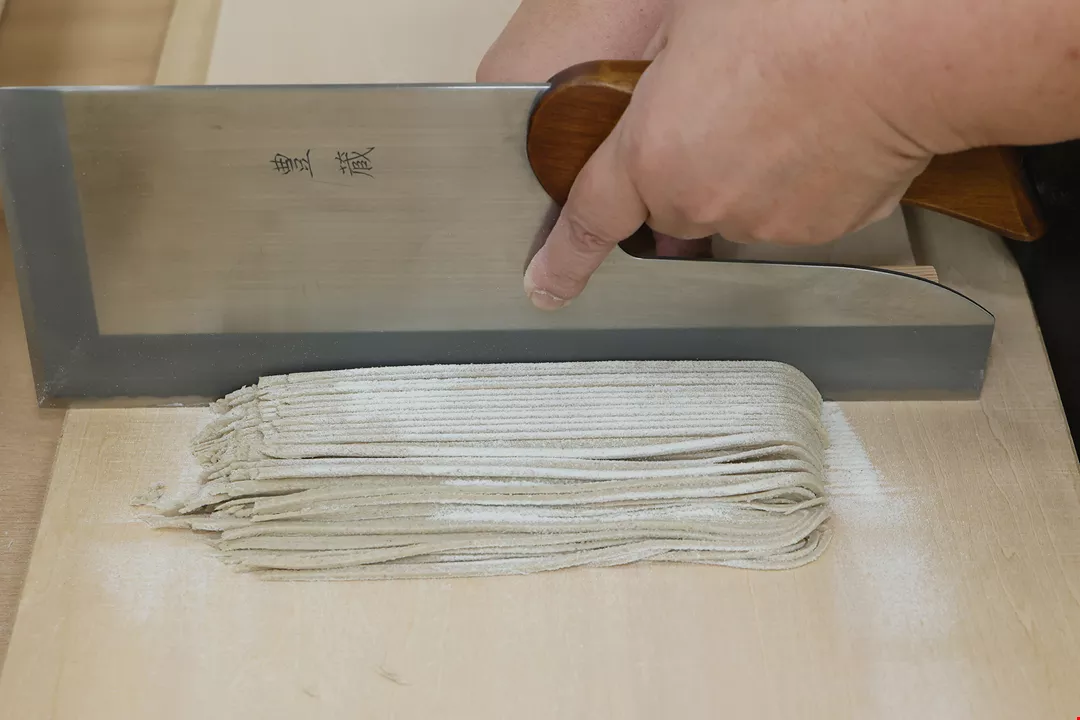
A special knife is used to cut the noodles, ensuring each strand has a consistent width and thickness.

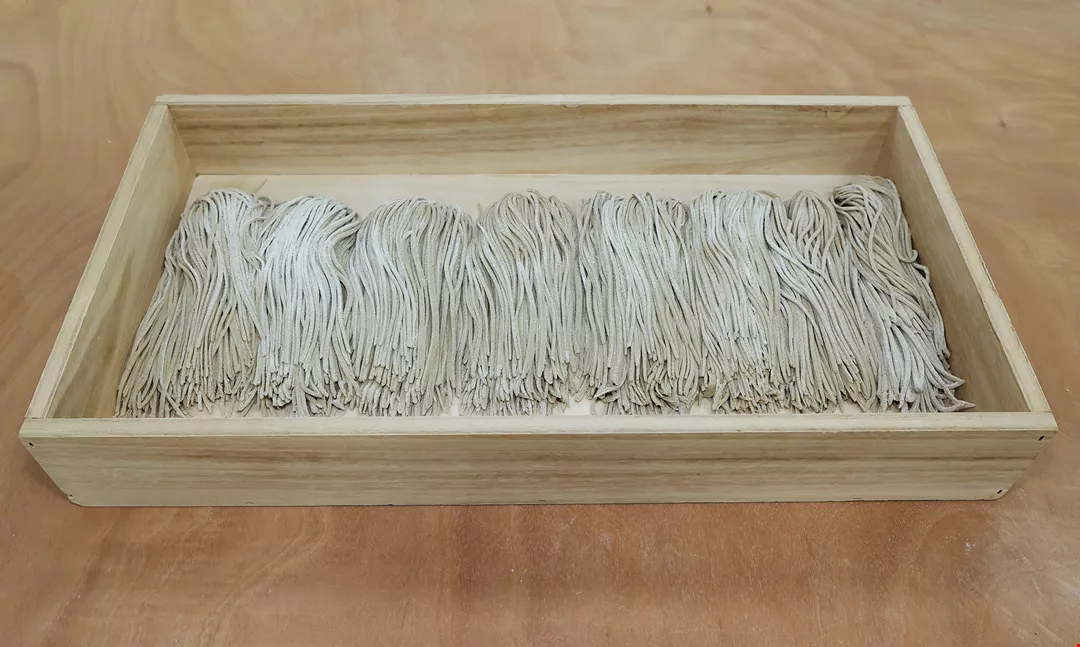
The hand-cut soba noodles are ready for cooking. The wooden tray used to store them is called a namabune in Japanese.
Returning home to grow dragon fruit
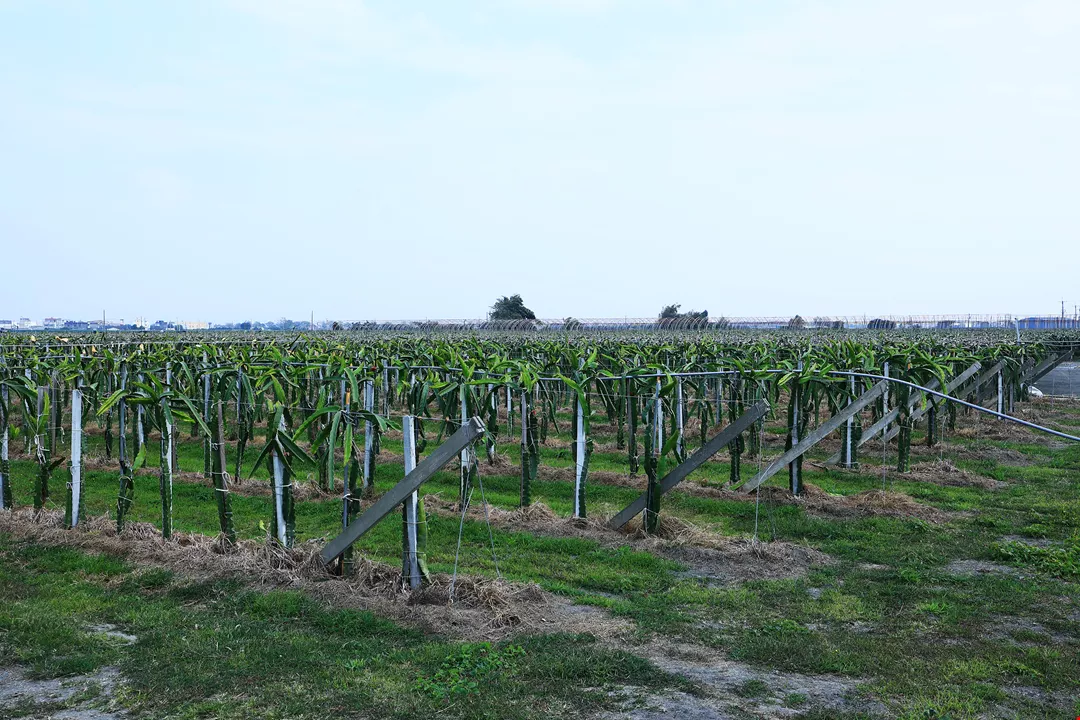
As vineyards in Erlin have shifted to other crops, dragon fruit has emerged as a new favorite.
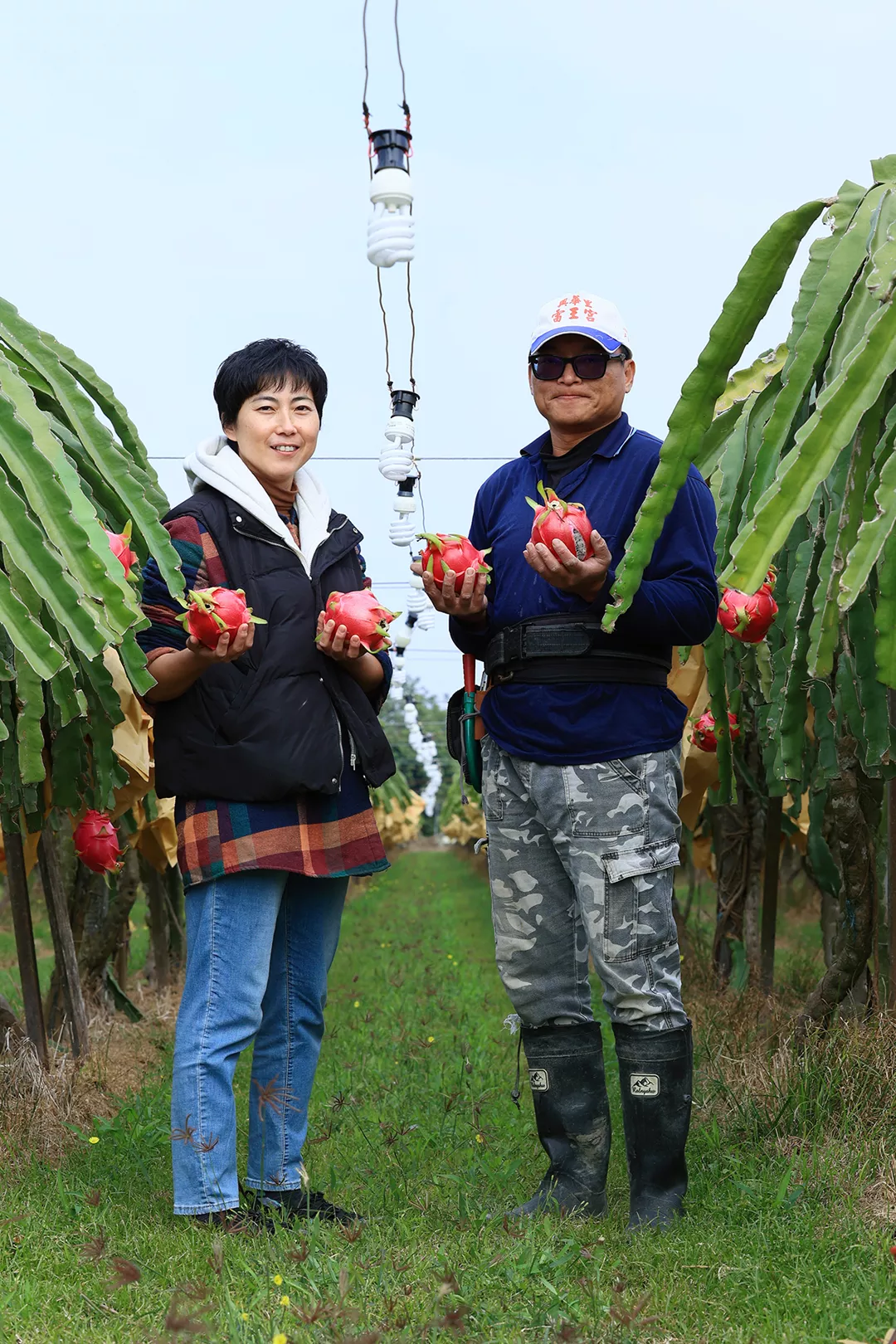
Chen Jin Lin and Cathy Chang, the husband-and-wife team behind Ming Shin Orchard, returned from Taichung to take over the family farm so their children could grow up closer to nature. Using sod culture methods that welcome weeds as ground cover, they produce healthy, plump white-fleshed dragon fruit. Stable yields provide reliable income for the family and allow them to spend more time together.
Having joined the Douyuan Leisure Agriculture Area, they promote food and farming education, working with fellow farmers to design hands-on experiences that bring children into the fields to feel the close connection between the land and daily life.
The people of Erlin weave farming into their everyday lives, transforming the flavors of the seasons into fine wines and delicious dishes. Seeking opportunity as they confront change, they are writing a new chapter in the history of their hometown.


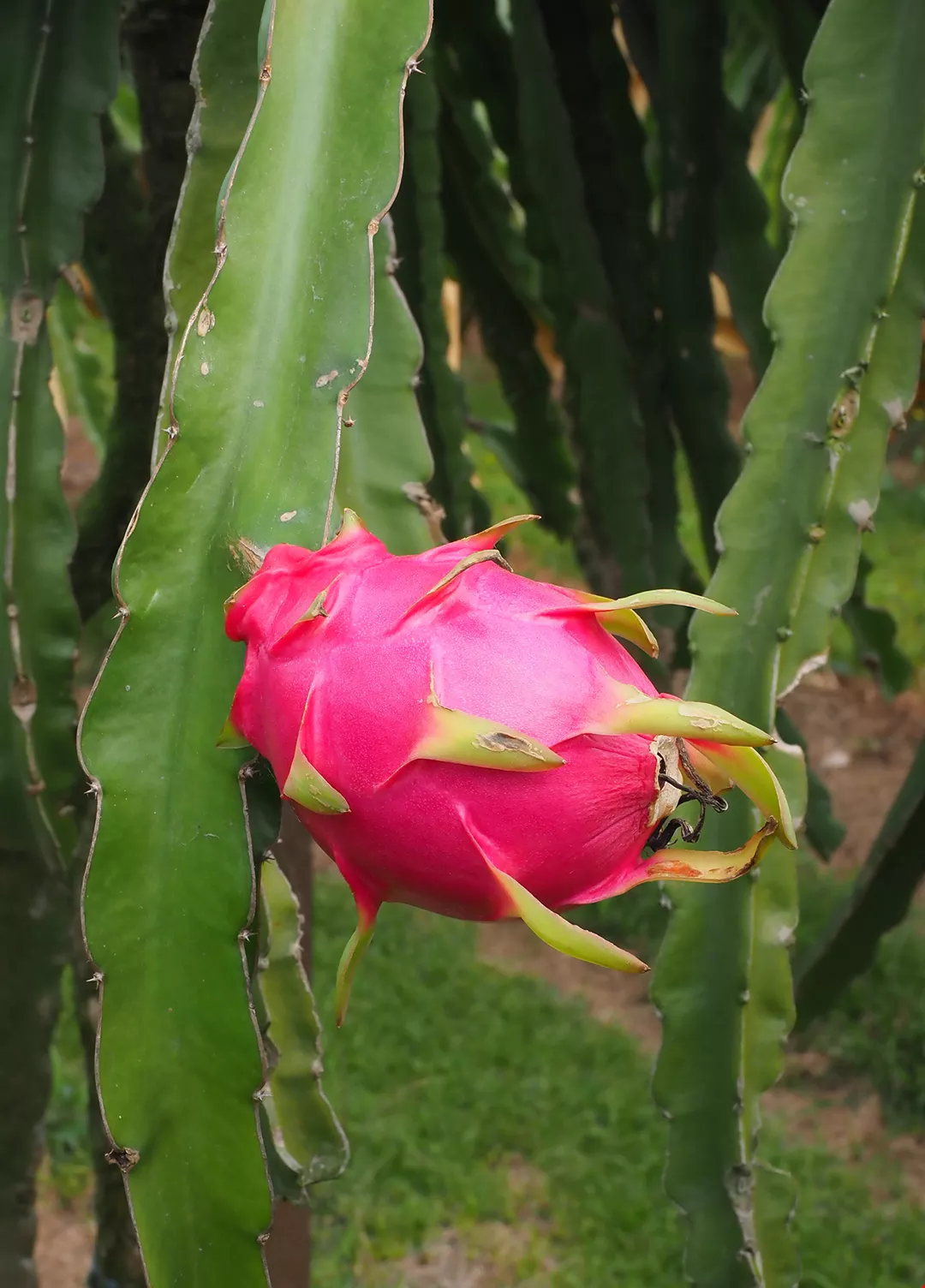
Dragon fruit grows more slowly in winter, but the fruits usually end up larger due to a longer growing period. Shown here is a white-fleshed dragon fruit.

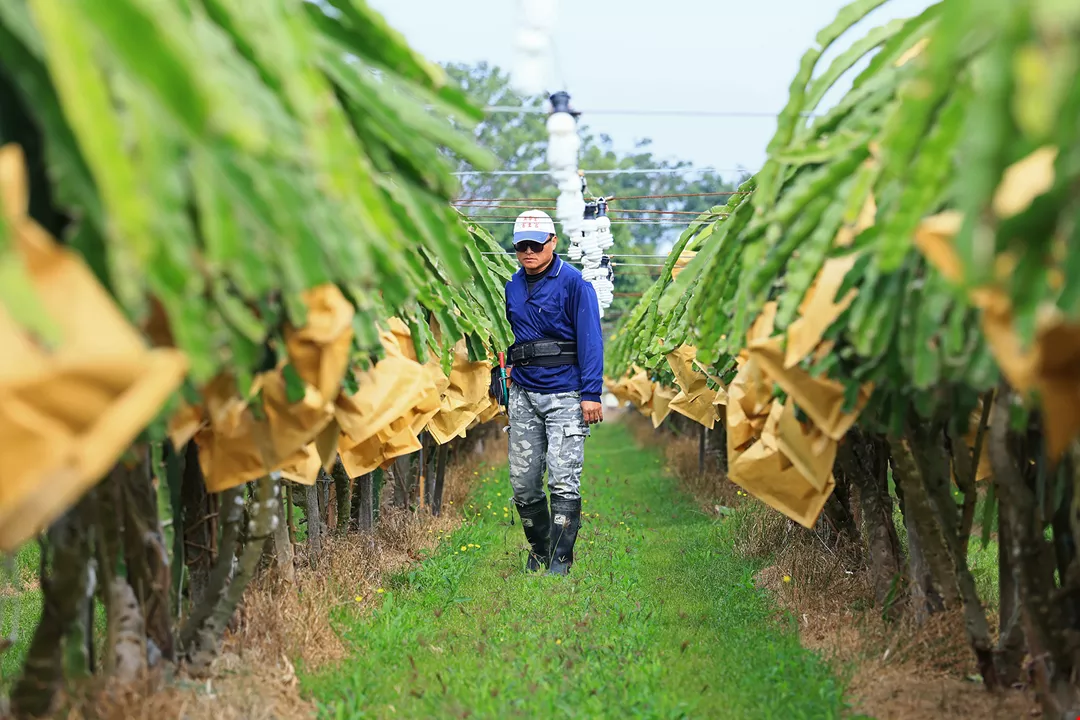
The orchard covers fruit with bags to prevent damage from pests and diseases.