Conversations with the Forest
The Hunters of Tfuya
Cathy Teng / photos by Kent Chuang / tr. by Phil Newell
March 2026
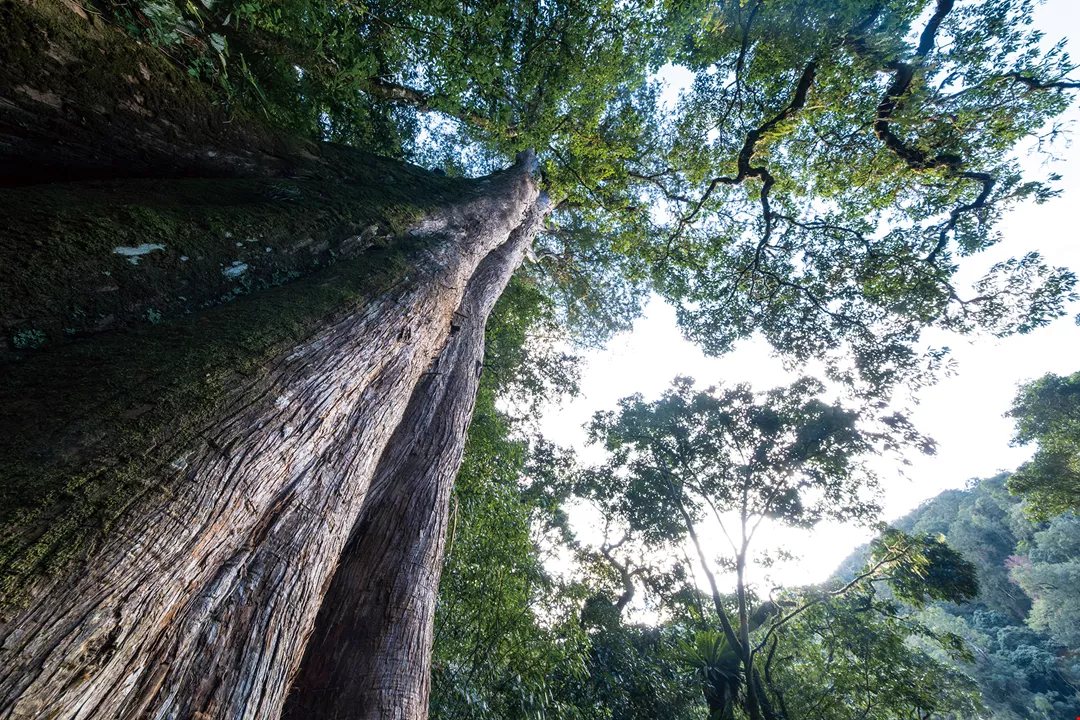
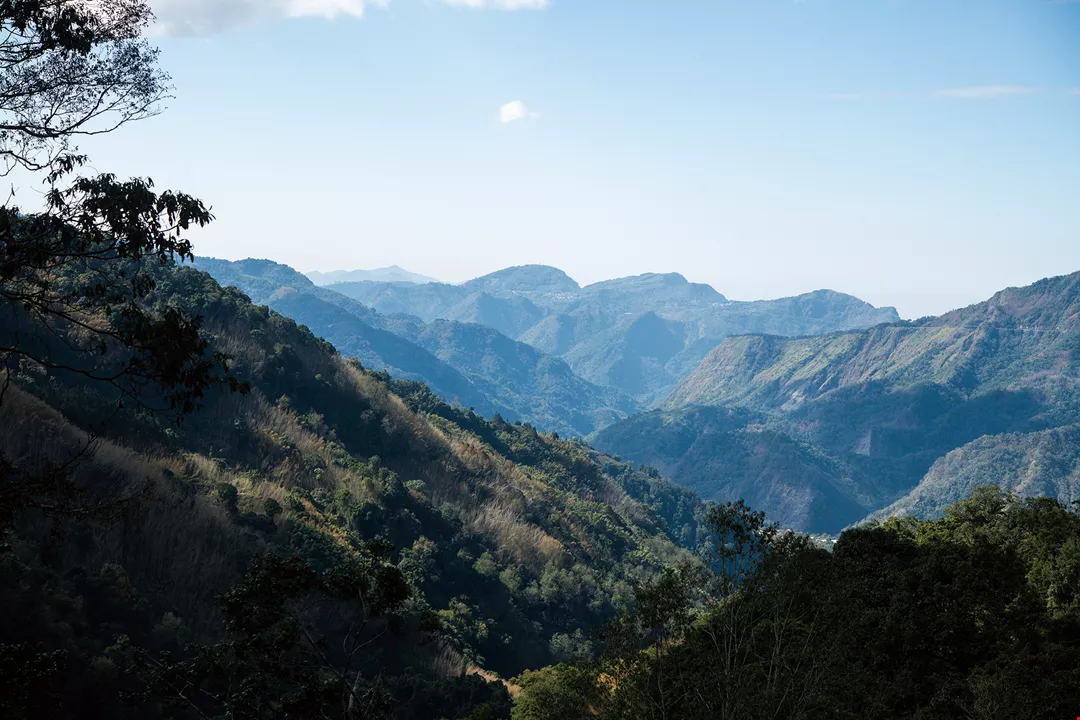
Deep in the Alishan Mountains, silken clouds waft through towering red cypresses in a world that can only be understood by following in the footsteps of hunters. Today, the huntsmen of the Tfuya Indigenous Community share it with outsiders through “Noyoca Giant Trees Ecological Experience” guided tours, creating new possibilities for their tradition of forest conservation.
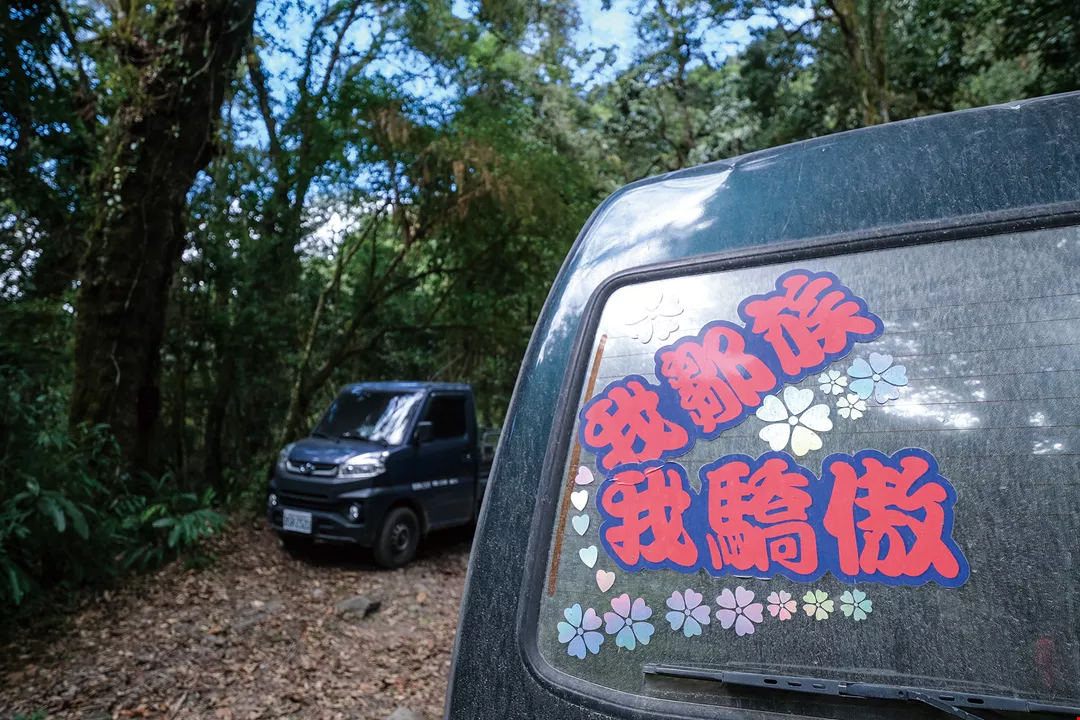
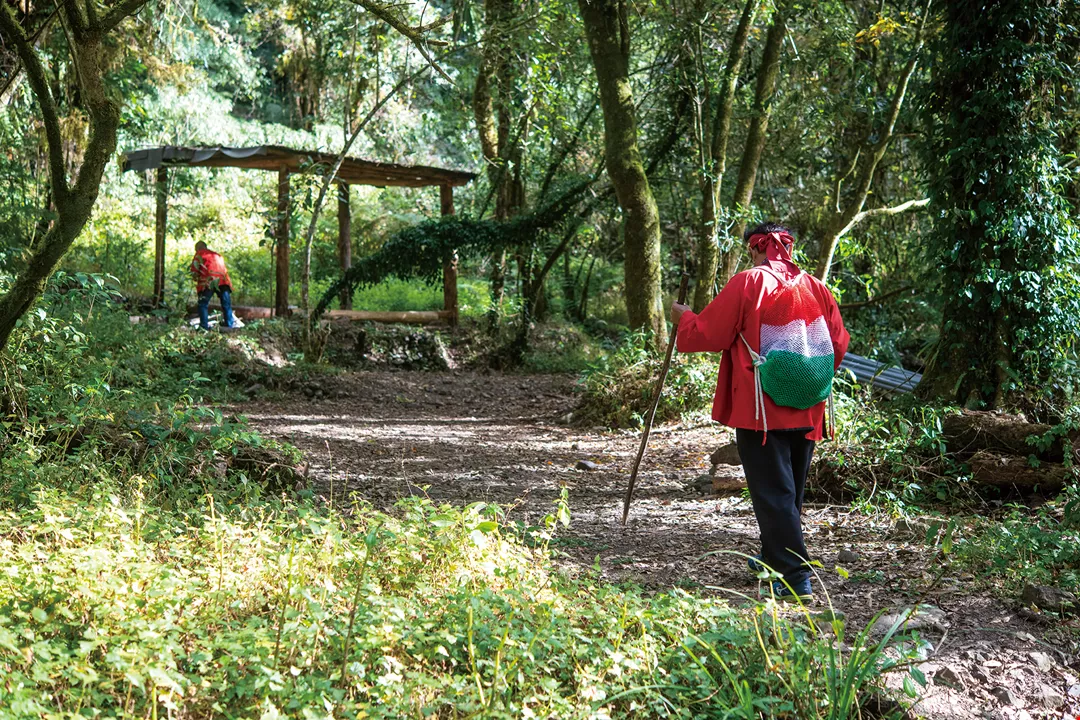
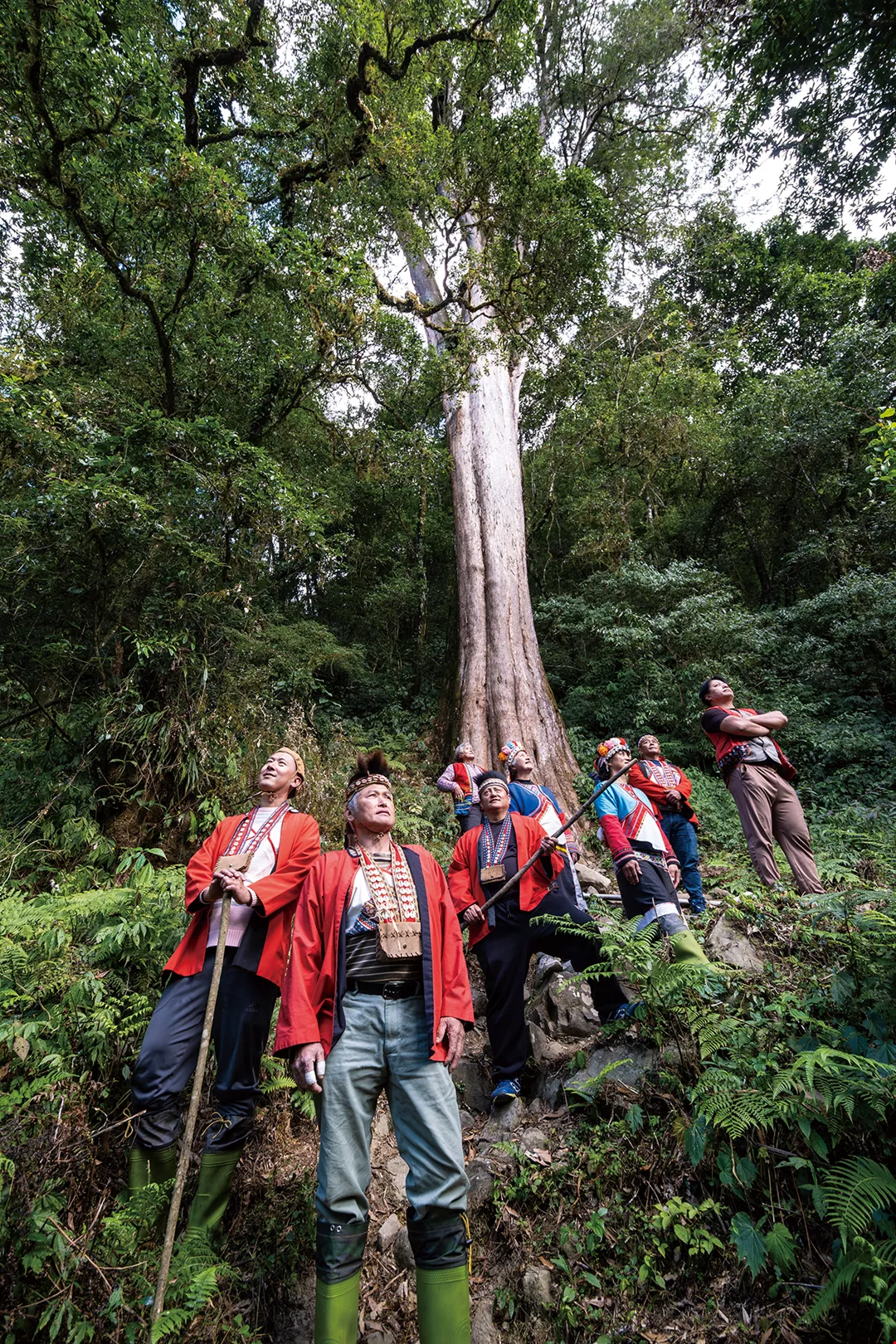
Starting out from the Tsou Indigenous community of Tfuya, visitors ride in a small truck along a narrow mountain road only one vehicle wide. After about a half hour of a bumpy, roller-coaster drive, we arrive at a grove of giant trees known by locals as Noyoca. This traditional hunting ground of the Tsou Indigenous people, located near the southern trailhead of the Tefuye (Tfuya) Historic Trail, is a swathe of primeval forest of Taiwan red and yellow cypress trees within which one can still see 30 giant trees numbered by the forestry authorities.

Noyoca: A rest spot
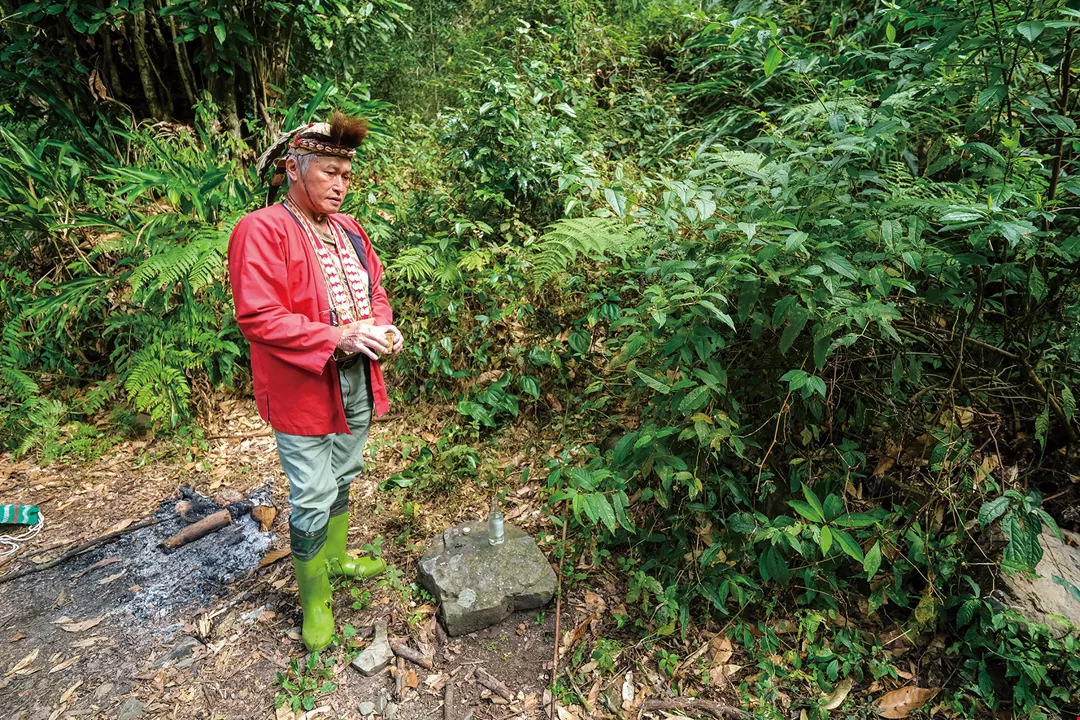
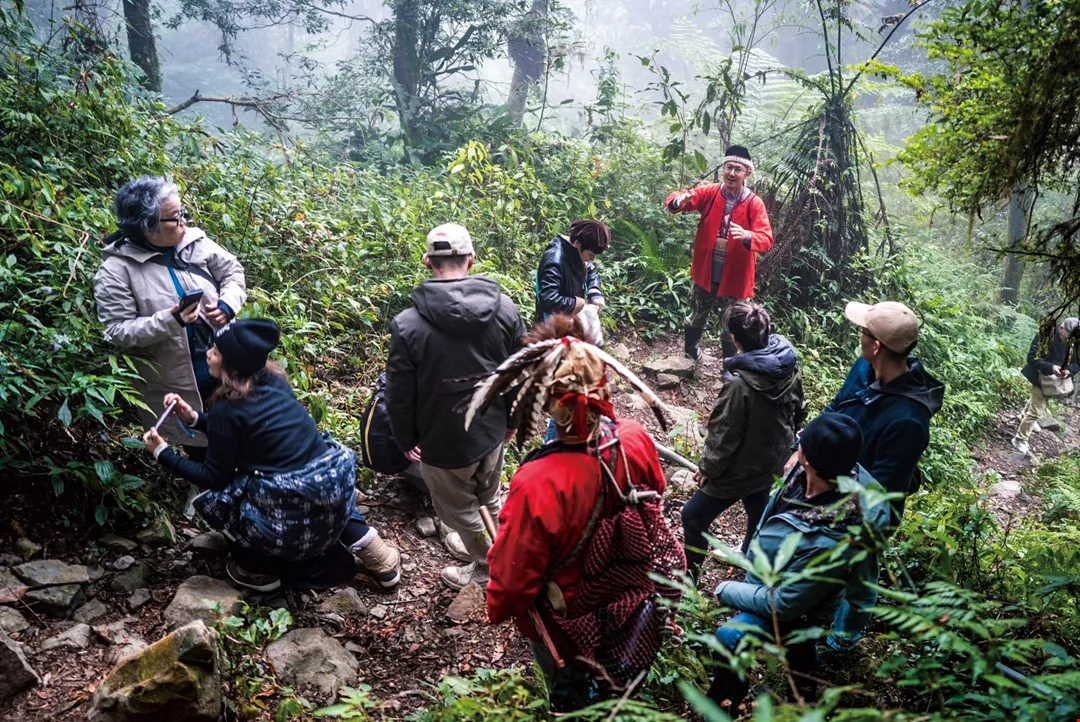
Before entering the mountain forest for our tour, tribal elder Mo’o ’e ’Akuyaeana first makes an offering of rice wine and holds a simple prayer ritual to the spirits of the mountain. He likens this to the Han Chinese worship of the Earth God.
After the rite, everyone sits around a bonfire and chats about previous hunting trips into the deep mountains. Mo’o ’e ’Akuyaeana points to the surrounding mountaintops and says that in the past when tribe members “patrolled” these hunting grounds, they would first pass the night here before proceeding. “Noyoca” means “stopover.”
Locations within the surrounding mountain forest all have Indigenous names. “Over there is Yaskiyoe, because it has a boulder on a cliff, while that other place is called Yuvzongx, meaning ‘sunrise mountaintop.’” These place names are not only landmarks to tell direction, but are ways for the tribe to distinguish and relate to different areas of the forest.

Deep in the Alishan Mountains, silken clouds drift through the towering red cypress trees. It is here that generations of the Tsou Indigenous people have made their living from the mountain forests.

Small trucks are used to transport visitors to the hunting grounds of Tfuya, where the tourists can learn to listen to the murmurings of the woodlands.

Before we enter the area of forest where our tour takes place, tribal elder Mo’o ’e ’Akuyaeana first holds a simple prayer ritual during which he reports the purpose of this visit to the local mountain deities.
Mountain readers
Local hunters often use the phrase “patrol the hunting grounds,” but what does it mean? Mo’o ’e ’Akuyaeana explains that hunters do more than just see if any animals have been caught in their traps—they also check the growth of plants and the number of animals. When there is a clear decline in prey in a given area, hunters temporarily suspend their activities and move someplace else so that the forest can naturally recover.
In seemingly tranquil woodland, how can one tell if animal populations are falling? Mo’o ’e ’Akuyaeana replies that hunters rely on their powers of observation built up over many years, making judgments based on animals’ trails, footprints, and foraging of plants. “Tsou people are mountain forest experts.” They can tell when plant life is in decline and whether the cause is animals eating the vegetation or changes in the weather and climate. They also have a clear understanding of animals’ preferences, such as wild boars’ love of fruit and black bears’ fondness for trees of the beech family. They set traps according to the fruiting seasons of different plants and follow the rhythms of nature.
Spring and summer are breeding seasons for local animals, and hunters mostly stay out of the mountains during that time. The main hunting period is in late fall and early winter, after the farm work is done.
In the mountain forest, making noise is deeply frowned upon. Tfuya Community Development Association chairman and qualified hunter Mo’o ’e Vavaiyana notes that hunters must listen to the animals and observe the terrain, and loud talking will disturb the forest. Also, one should never pick up animal bones by the trail or road. He once picked up a deer horn and the elders immediately said they might as well call it a day, and when they checked the traps they were all empty. Meanwhile Mo’o ’e Yapsuyongana, of the middle generation, shares that the Tsou do not eat foxes, and black bears that are caught are not to be brought back to the community. Such taboos are in fact part of generations of accumulated life wisdom. Mo’o ’e Vavaiyana declares: “One should enter the mountain forests with reverence and avoid deliberate disruption—that’s the only way to coexist with other living things.”
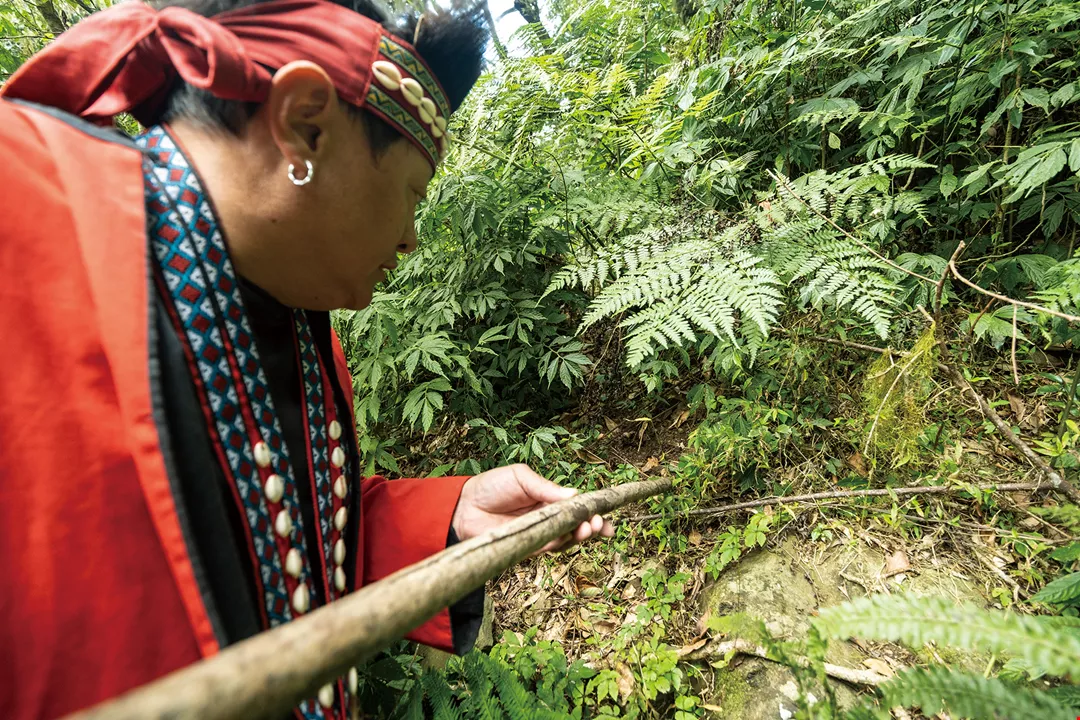
Mo’o ’e Vavaiyana demonstrates how hunters observe the natural environment and set their traps accordingly.
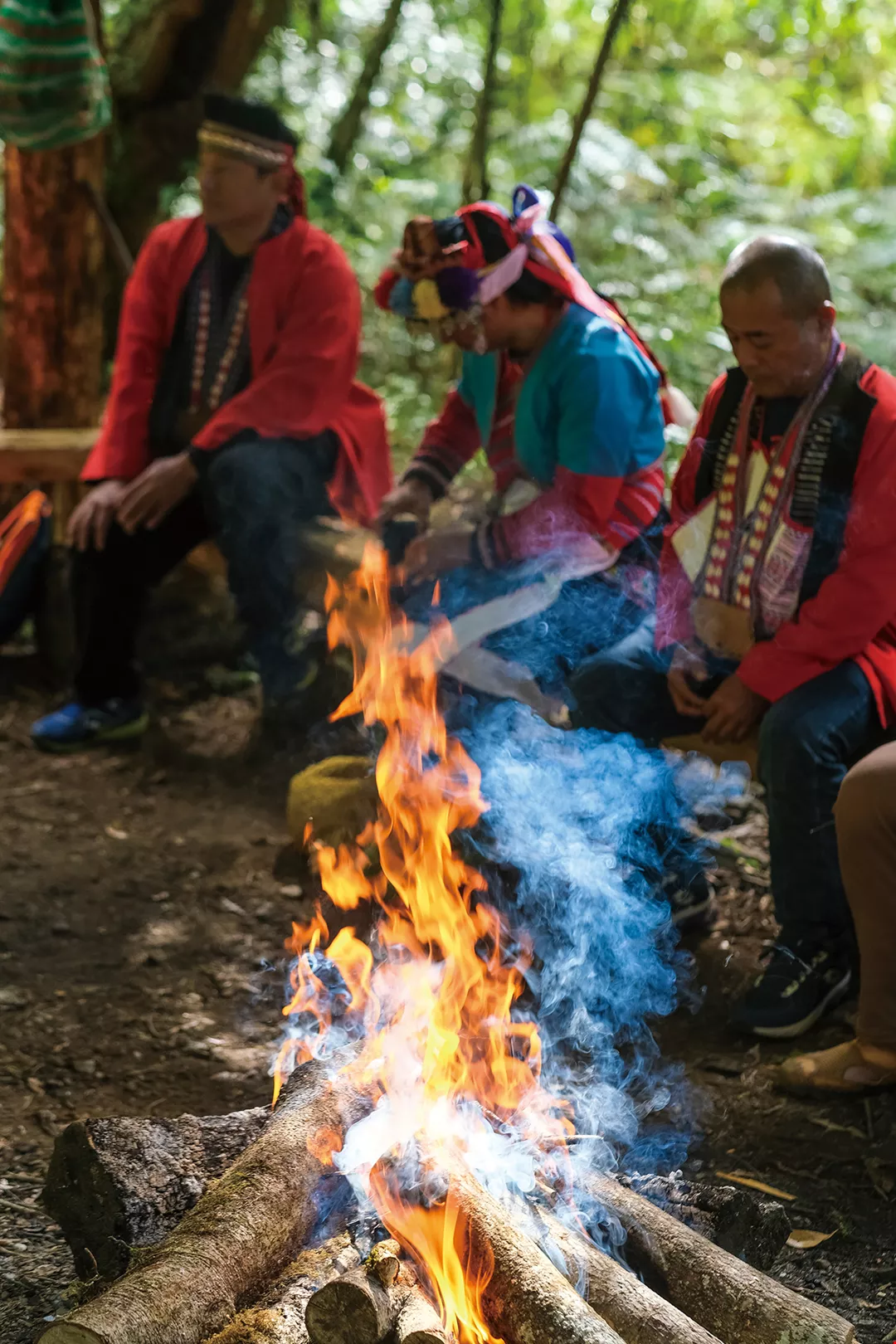

The Tsou are mountain forest experts—one might even say “mountain readers.” Sitting around a fire, they share stories of past hunting trips among the peaks.

Upholding traditions
In 2022 the Chiayi Branch of the Forestry and Nature Conservation Agency offered to train local Tsou residents as guides.
On the day of our visit, members of three tribal generations are present, and over the course of a morning everyone shares their stories. Yangui ’e Kulatana, of the middle generation, is the mother of two teenagers, with whom she shares her knowledge of the mountain forests. Through contact with the woodlands, the children find a quiet strength for daily life.
Mo’o ’e Mhozana, also of the middle generation, says: “Guided tours of the Noyoca giant tree ecosystem can perhaps be an opportunity for cultural revitalization. These itineraries enable people to see how the Tsou coexist with the mountain forests, and without damaging the natural environment, can bring traditional culture into the present day for more people to understand.”

Through the “Noyoca Giant Trees Ecological Experience” guided tours, outsiders can get a look at how the Tsou coexist with the forests. (courtesy of Tfuya Community Development Association)

On the day of our visit, three generations of the Tfuya community are on hand to greet us. They all hope that the tradition of forest protection passed down from their ancestors can continue into the future.