Ethnobotanical Taiwan:
The Wisdom of Native Plants
Esther Tseng / photos by Kent Chuang / tr. by Brandon Yen
March 2026

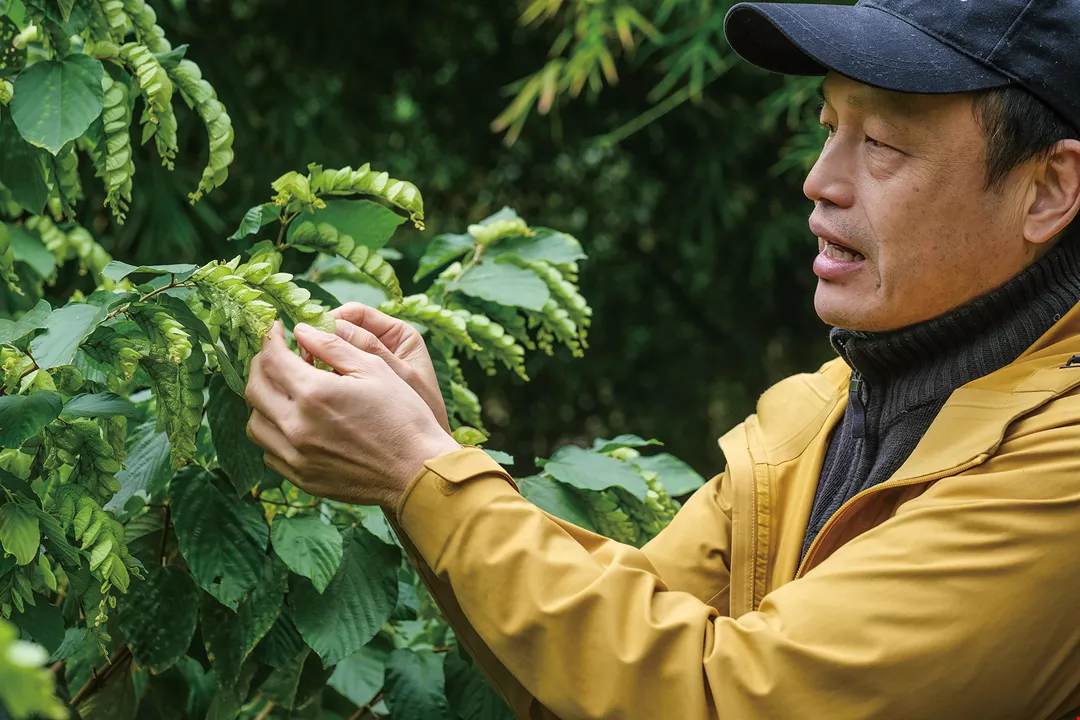
With its remarkable biodiversity and rich Indigenous cultures, Taiwan has a lot to offer ethnobotanists. Tung Gene-sheng has published books on local ethnobotanical themes.
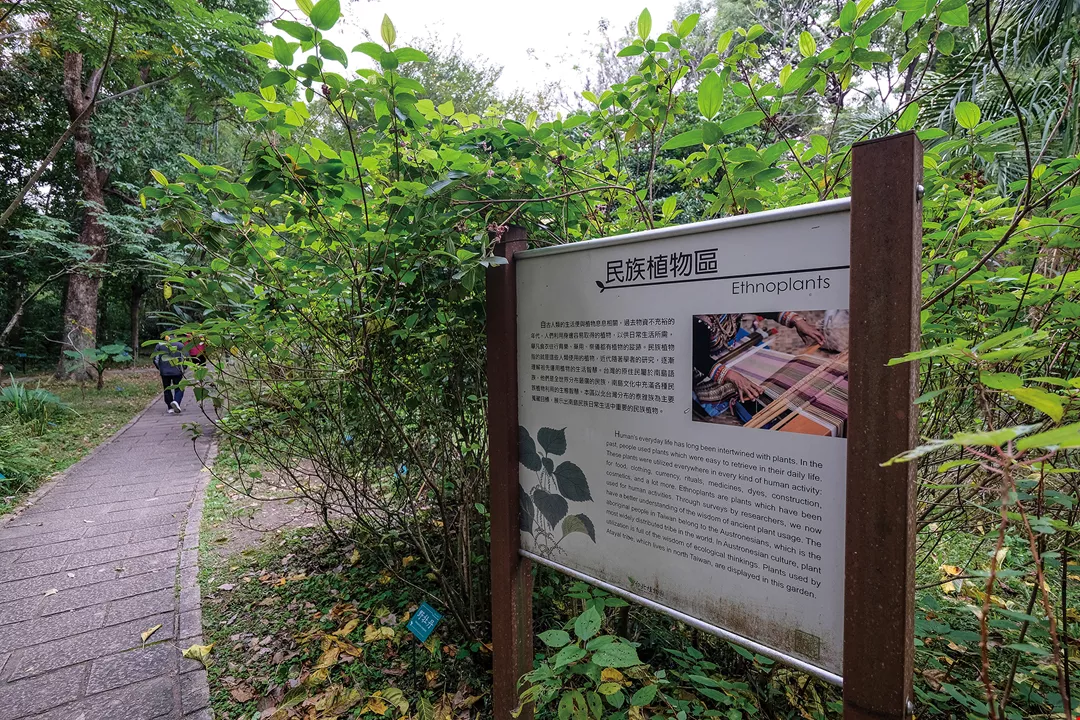
Certain plants have existed in Taiwan for a long time and put down roots in local culture, beliefs, and everyday practices. The Taipei Botanical Garden offers access to live specimens of some of these ethnobotanically important plants, inviting us to appreciate the environmental wisdom invested in Taiwan’s native species.
Entering the garden from Heping West Road in Taipei’s Zhongzheng District, we turn left and find ourselves in the Ethno-Plants Garden. Trichodesma calycosum, a flowering shrub in the borage family, greets us. Indigenous people use its leaves to wrap millet dumplings such as cinavu and abai. “This is actually one of the few vegetables native to Taiwan,” says ethnobotanist Tung Gene-sheng.
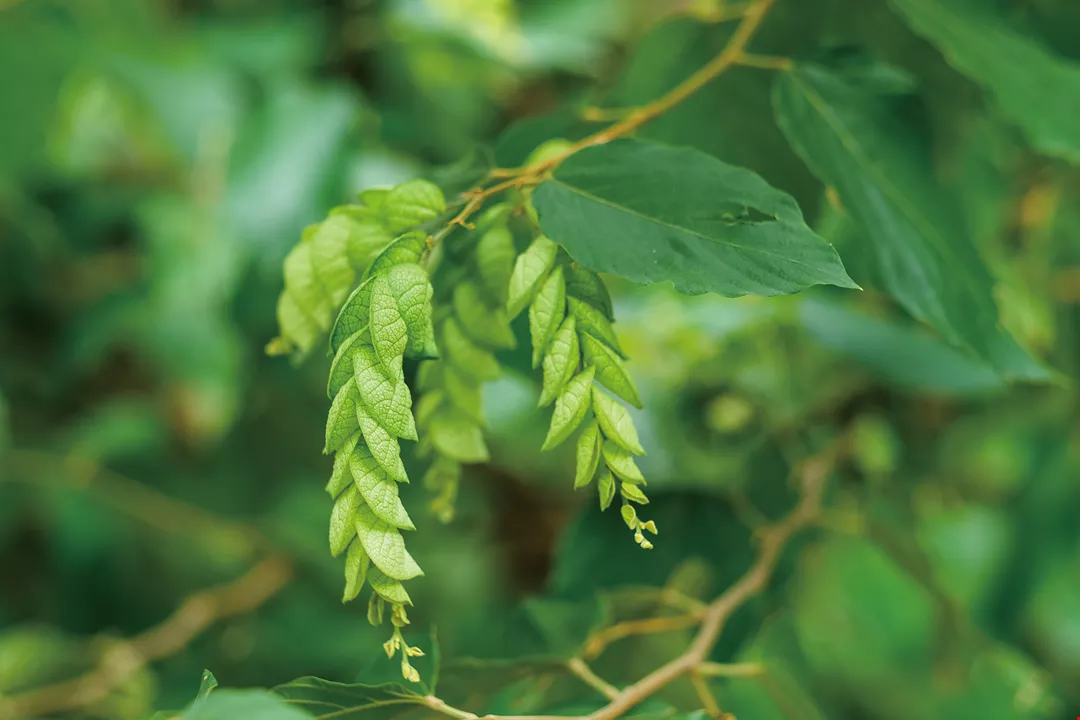
Wild hops (Flemingia strobilifera) tell us about the wisdom of Indigenous hunter-gatherers, who use them to catch shrimps.
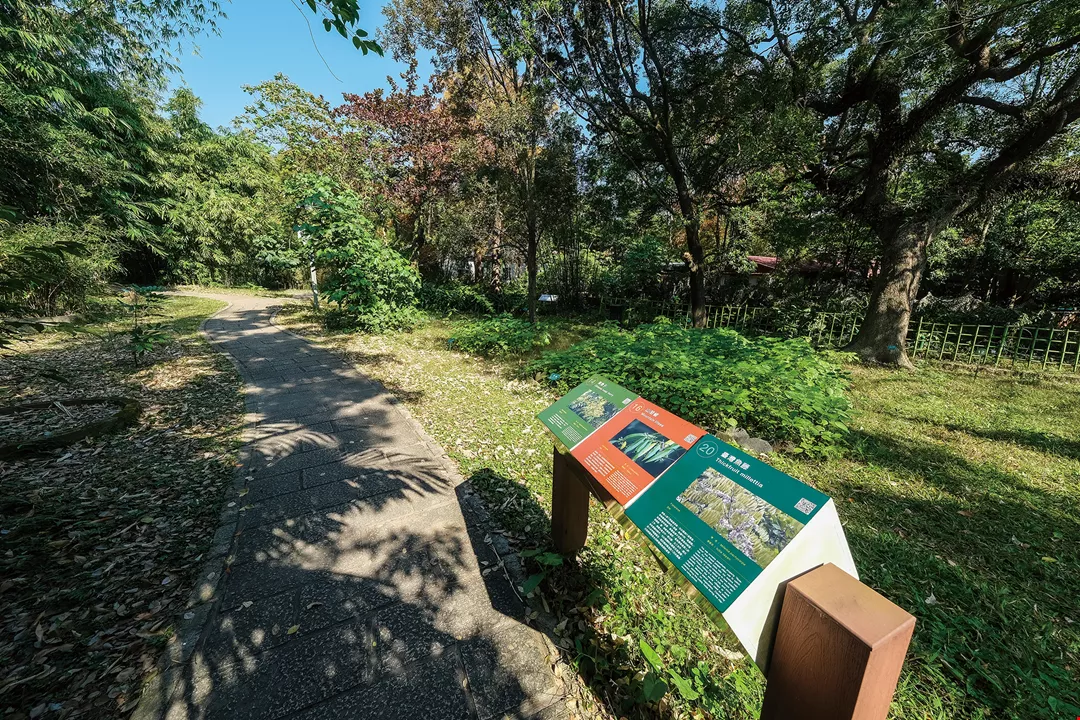
Plants with ethnobotanical significance offer insights into how humans use natural resources to shape their lives, industries, and cultural beliefs.
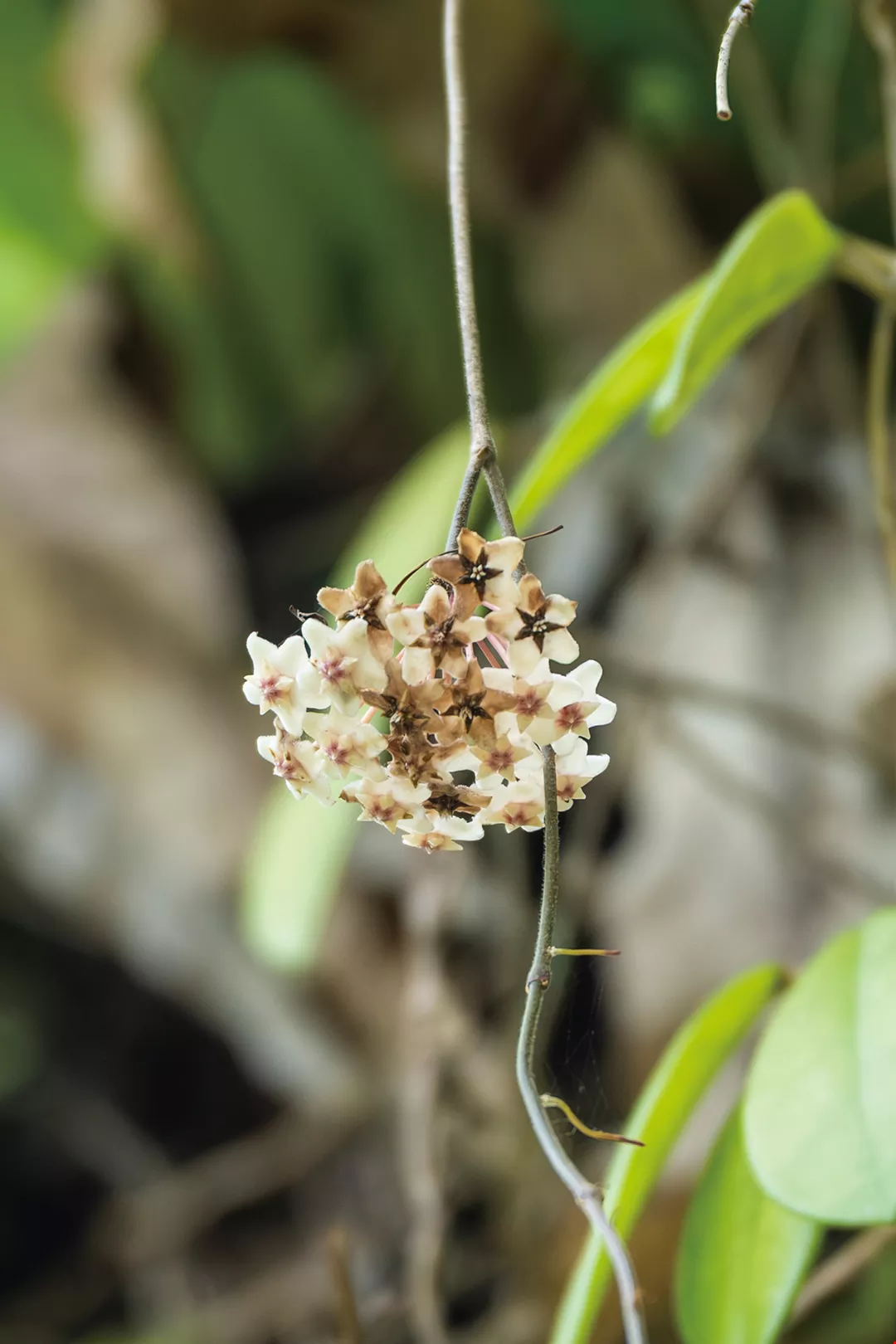
Looking up to explore the epiphytic plants growing on the tree trunks, we find the wax plant (Hoya carnosa), a succulent whose flowers, arranged in umbels, give off a heavy scent at night.
From ailanthus to jelly figs
Far from being merely ornamental, plants with ethnobotanical significance serve a wide variety of purposes. Next to the trichodesma is an ailanthus prickly ash (Zanthoxylum ailanthoides). Indigenous cooks fry eggs with its leaves. Another plant vital to Indigenous cuisine is aromatic litsea (Litsea cubeba), whose fruit is used to make makauy—a peppery, citrusy spice. Native ferns of the genus Asplenium are often seen on Hakka and Amis dining tables. In the mountains, Indigenous hunters rely for sustenance on wild plants, many of which are endemic.
Jelly figs (Ficus pumila var. awkeotsang) are used to make aiyu jelly. The scientific name conveys two interesting facts. First, the plant is a variety of the creeping fig (F. pumila). Second, when the Japanese botanist Tomitaro Makino identified it as a distinct variety in 1904, he paid tribute to local nomenclature by giving it the infraspecific epithet awkeotsang, based on Taiwanese Hokkien ò-giô-tsâng (“aiyu plant”).
Jelly figs have a mutualistic relationship with fig wasps, which they rely on for pollination. When a jelly fig in the Taipei Botanical Garden was blown down during a typhoon, a new female plant was substituted. As there were no pollen-bearing male flowers on the plant, it wasn’t expected to set fruit, but it did—thanks to the efforts of fig wasps.
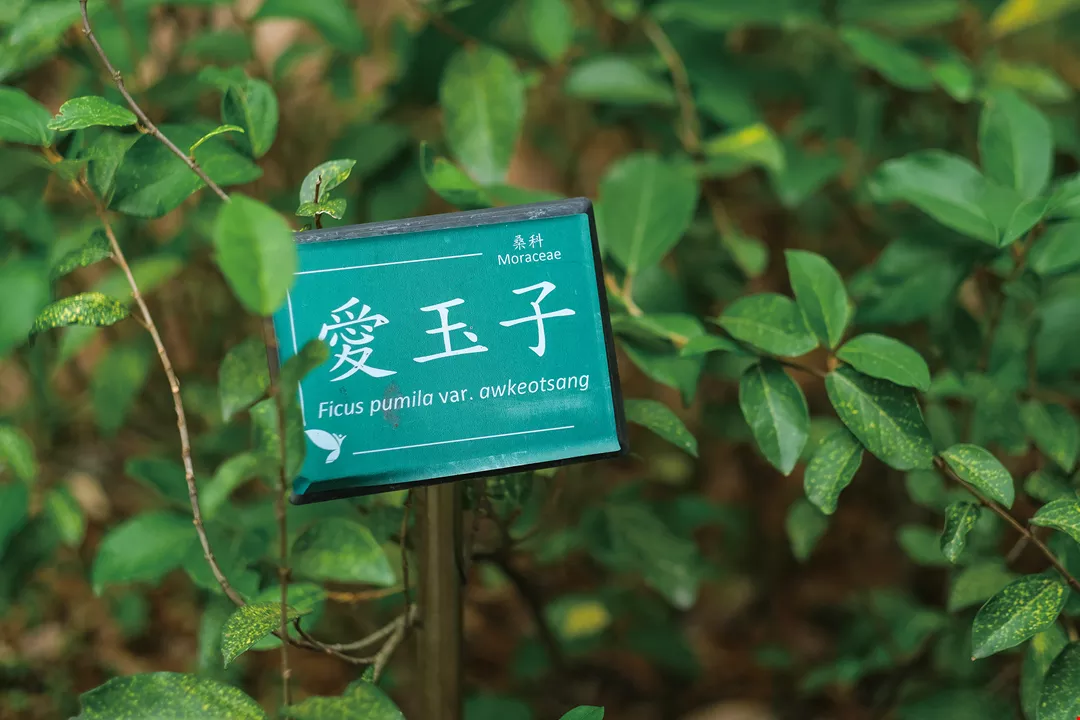
Based on Taiwanese Hokkien, the infraspecific epithet awkeotsang in the scientific name of aiyu jelly figs (Ficus pumila var. awkeotsang) attests to Japanese botanist Tomitaro Makino’s belief that plants were closely bound up with local life.
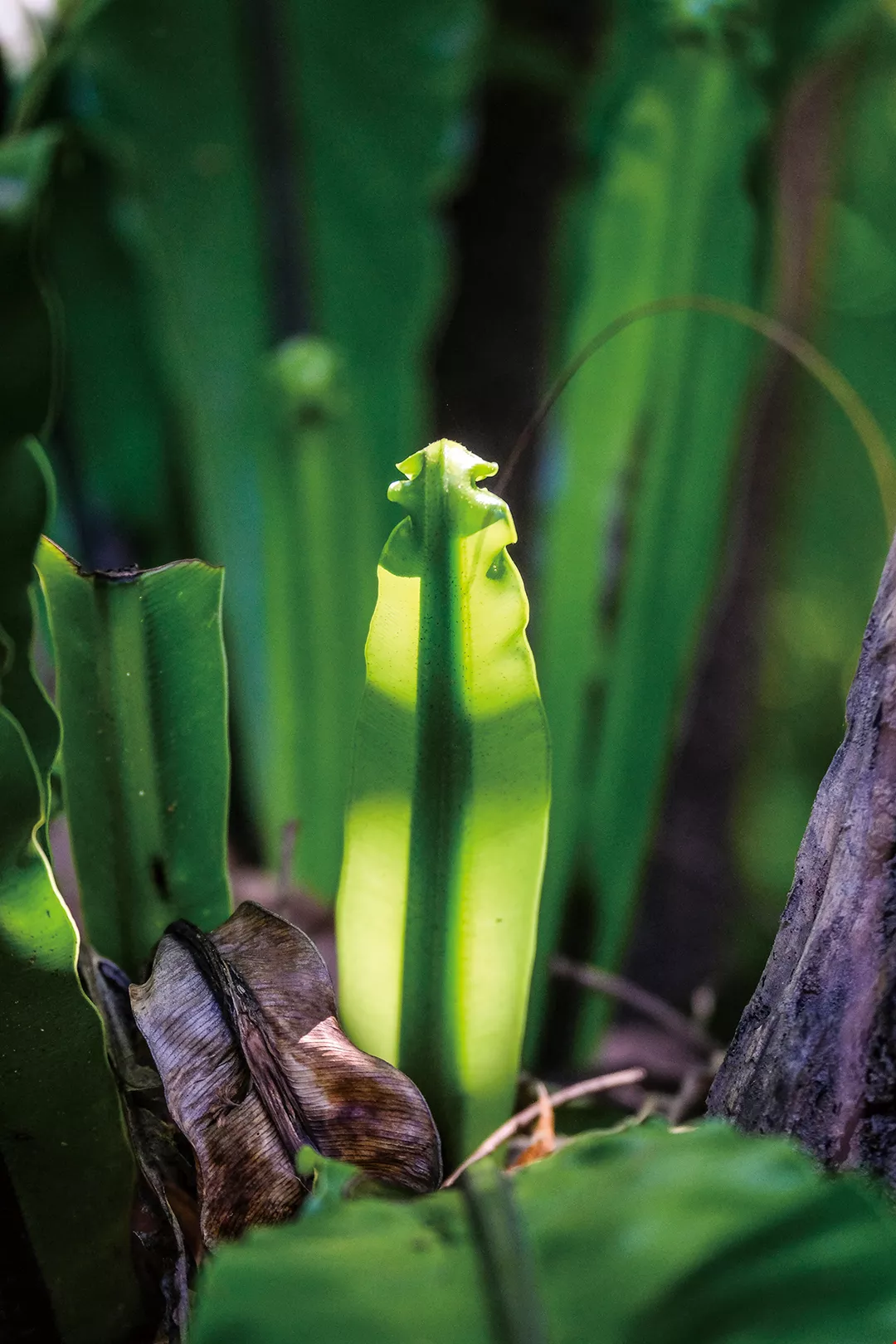
Ferns from the genus Asplenium are common on Hakka and Amis dining tables.
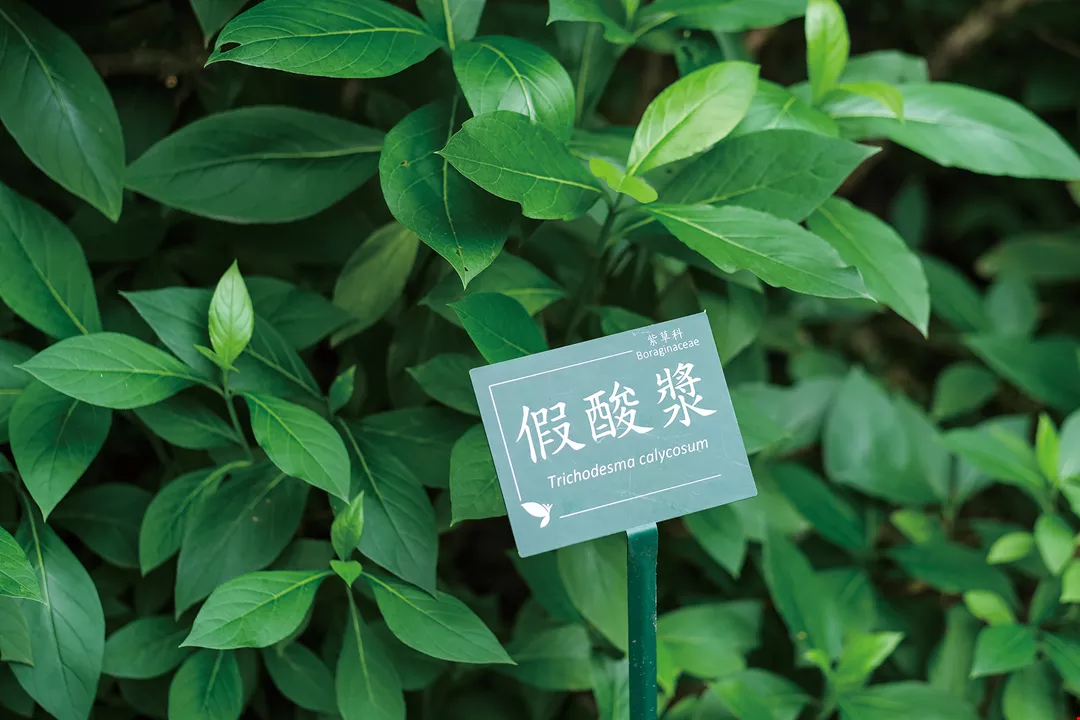
The leaves of Trichodesma calycosum are used to wrap millet dumplings and can be stir-fried.
Palms, Derris taiwaniana, wild hops
Tung Gene-sheng says that although Taiwan doesn’t boast many native palms, we have our own endemic Formosan palm (Arenga engleri). In the old days, locals used its fronds to make raincoats and brooms. The Amis eat its pith, which tastes as sweet as sugarcane and is seen as a luxurious treat.
The Rukai in the south of Taiwan crush the native perennial climbing shrub Derris taiwaniana (syn. Millettia pachycarpa) and throw it into rivers. The plant contains chemical compounds that stupefy fish, causing them to float belly-up, thus making it easier for fishers to catch them.
In Neimen, along the border of Tainan and Kaohsiung, the Siraya people use wild hops (Flemingia strobilifera)—known for their dense clusters of kidney-shaped flower bracts—to catch shrimps. Long-armed shrimps of the genus Macrobrachium have a habit of hiding. They crawl into the bracts and are easily captured this way.
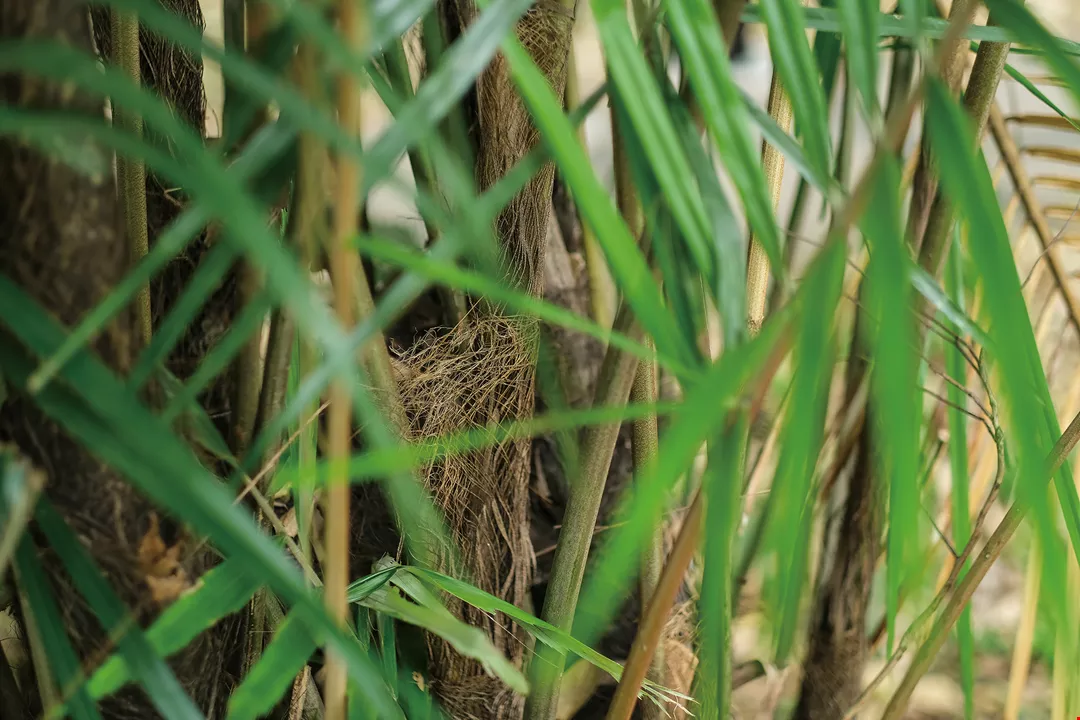
The native Formosan sugar palm (Arenga engleri) has many uses.
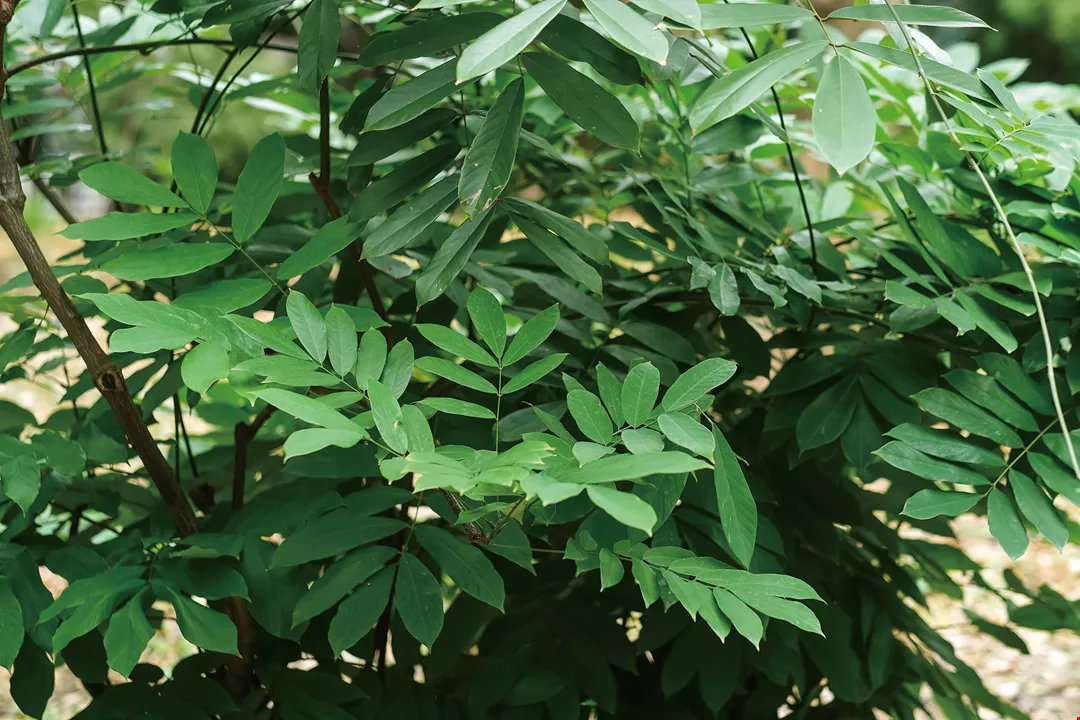
Indigenous fishers use Derris taiwaniana to stun fish.
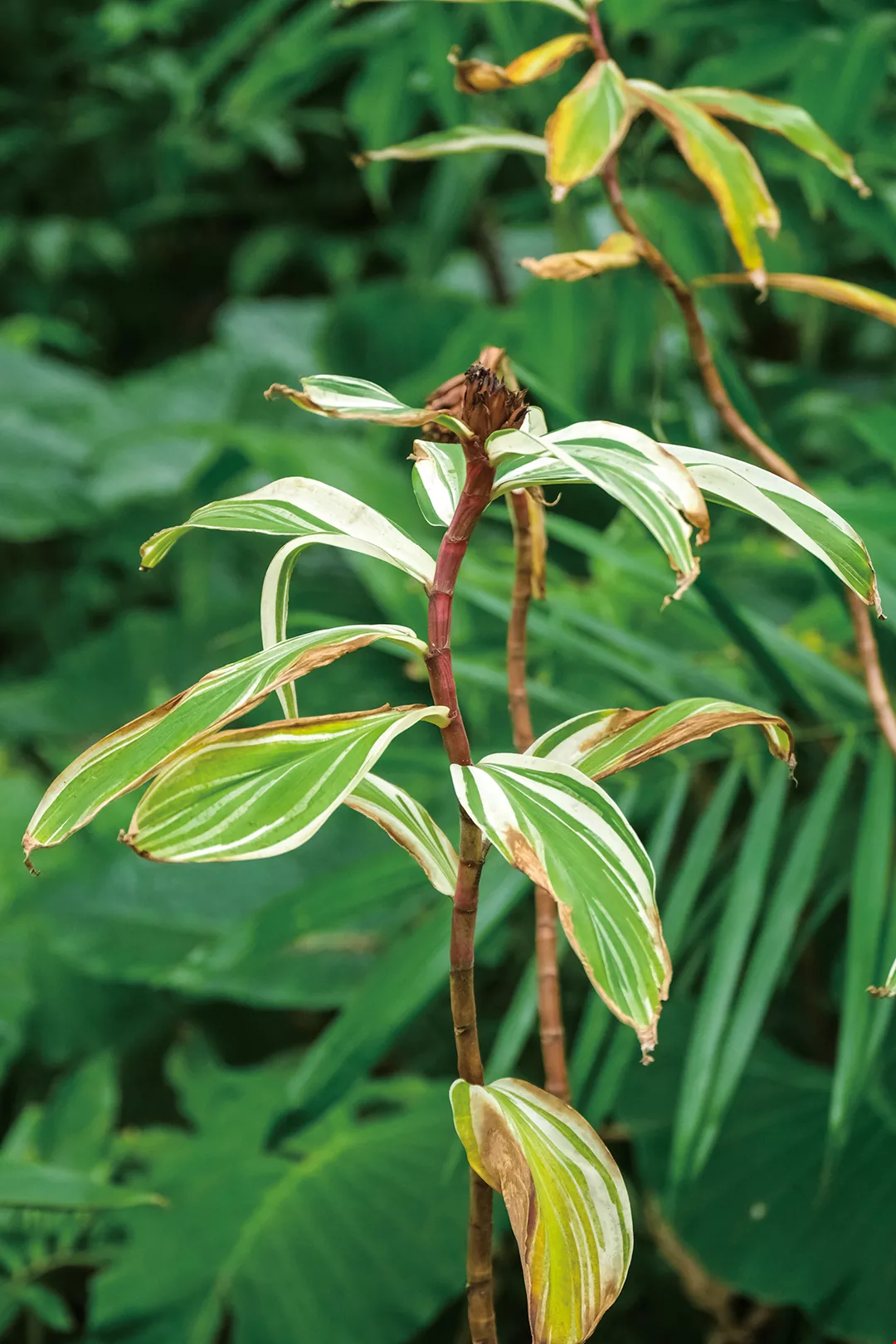
The leaves of variegated crepe ginger (Costus speciosus ‘Variegatus’) are velvety on the underside.
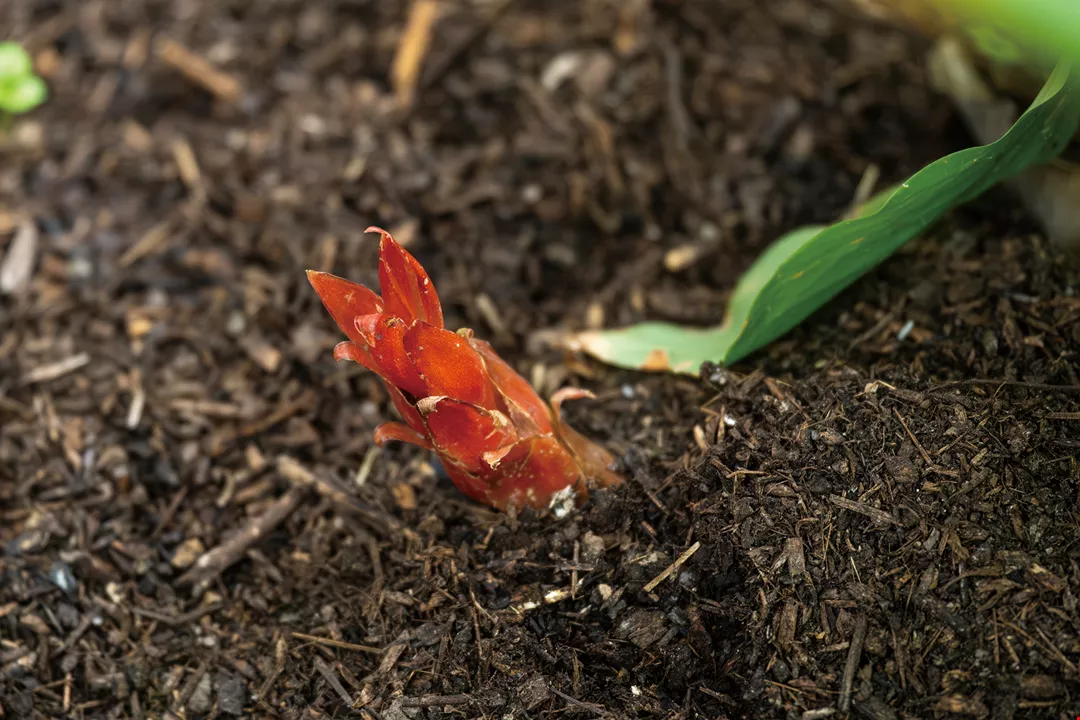
Zingiber oligophyllum produces fewer leaves than Japanese ginger (Z. mioga), so it’s called “few-leaved ginger” in Taiwan. It has a distinctive scent but tastes very similar to Japanese ginger, which is widely used in Japanese cuisine for salads and pickles.
Green therapy
Since 2023, the Taipei Botanical Garden has been implementing a “green social prescribing” program. Fan Su-wei, an associate researcher at the Taiwan Forestry Research Institute, recommends that we follow the map of the garden, walk quietly while composing ourselves, and choose a tree. We may want to breathe deeply next to the tree, or commune with it. Awakening our senses, we notice the velvety underside of the leaves of variegated crepe ginger (Costus speciosus ‘Variegatus’) and feel as if we were cuddling a sheep in a petting zoo. Finally, we sit down and savor the chrysanthemum tea or herbal tea we’ve brought with us.
Fan’s research shows that people experiencing cardiovascular conditions, depression, or mental stress may benefit emotionally from taking a 3,000-step slow walk in the garden while interacting with plants with all five senses.
Look for the pair of male and female palmyra palms (Borassus flabellifer) in the Taipei Botanical Garden. Where’s the tallest broad-leaved tree here? Can you spot wrinkled marshweed (Limnophila rugosa), which is used by Indigenous peoples for brewing rice and millet wines? Then there’s a row of plants used to make drinks. Cibotium taiwanense is an endemic fern traditionally applied to stop bleeding. The garden offers an opportunity to explore a wealth of knowledge that nature reveals to us, as well as to pay homage to the environment, to history, and to ourselves, body and soul.
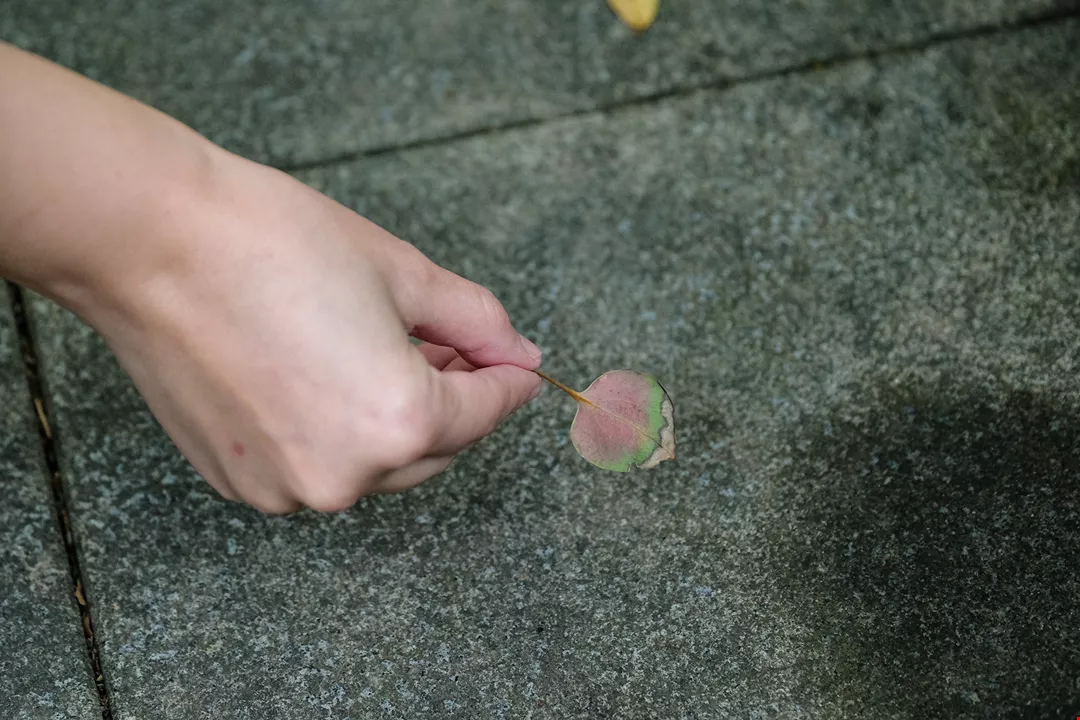
Fan Su-wei recommends that we pick up a fallen leaf and tell it about our worries. When we let go of the leaf, our troubling thoughts are also gone with the wind.
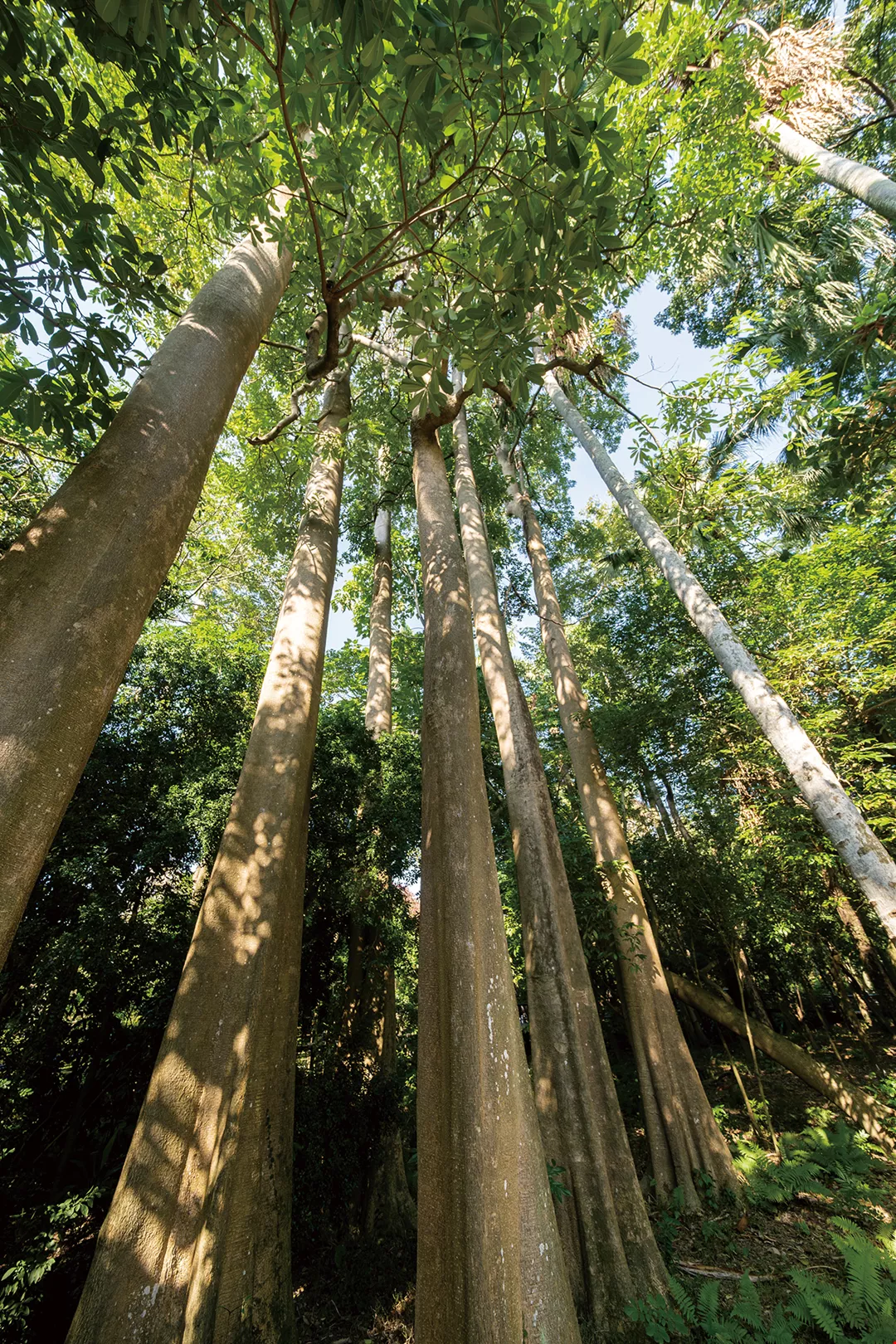
The Taipei Botanical Garden is home to towering blackboard trees (Alstonia scholaris), which look like great pillars supporting the vault of the sky.


定稿-1@List.jpg?w=522&h=410&mode=crop&format=webp&quality=80)
