From ailanthus to jelly figs
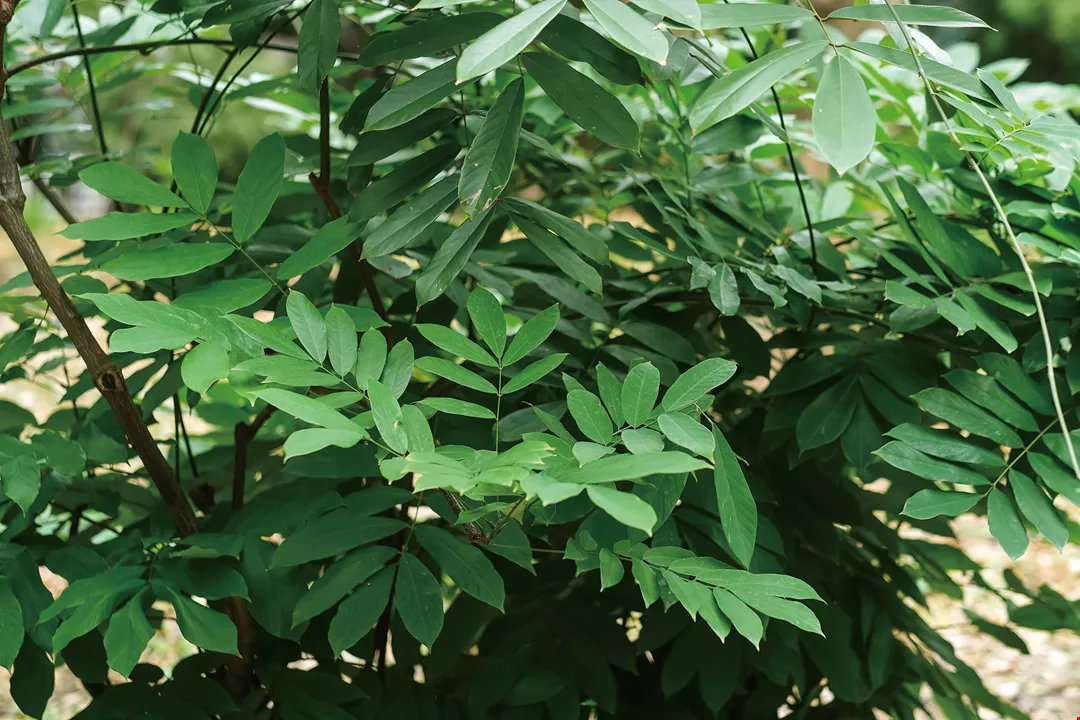
Far from being merely ornamental, plants with ethnobotanical significance serve a wide variety of purposes. Next to the trichodesma is an ailanthus prickly ash (Zanthoxylum ailanthoides). Indigenous cooks fry eggs with its leaves. Another plant vital to Indigenous cuisine is aromatic litsea (Litsea cubeba), whose fruit is used to make makauy—a peppery, citrusy spice. Native ferns of the genus Asplenium are often seen on Hakka and Amis dining tables. In the mountains, Indigenous hunters rely for sustenance on wild plants, many of which are endemic.
Jelly figs (Ficus pumila var. awkeotsang) are used to make aiyu jelly. The scientific name conveys two interesting facts. First, the plant is a variety of the creeping fig (F. pumila). Second, when the Japanese botanist Tomitaro Makino identified it as a distinct variety in 1904, he paid tribute to local nomenclature by giving it the infraspecific epithet awkeotsang, based on Taiwanese Hokkien ò-giô-tsâng (“aiyu plant”).
Jelly figs have a mutualistic relationship with fig wasps, which they rely on for pollination. When a jelly fig in the Taipei Botanical Garden was blown down during a typhoon, a new female plant was substituted. As there were no pollen-bearing male flowers on the plant, it wasn’t expected to set fruit, but it did—thanks to the efforts of fig wasps.
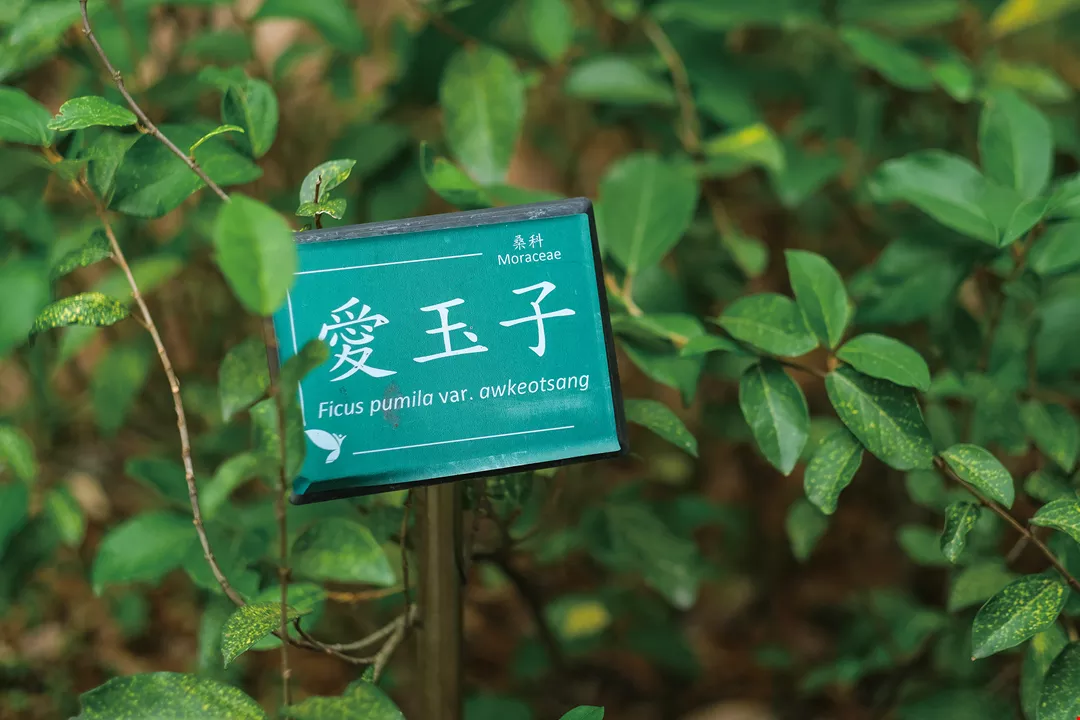
Based on Taiwanese Hokkien, the infraspecific epithet awkeotsang in the scientific name of aiyu jelly figs (Ficus pumila var. awkeotsang) attests to Japanese botanist Tomitaro Makino’s belief that plants were closely bound up with local life.
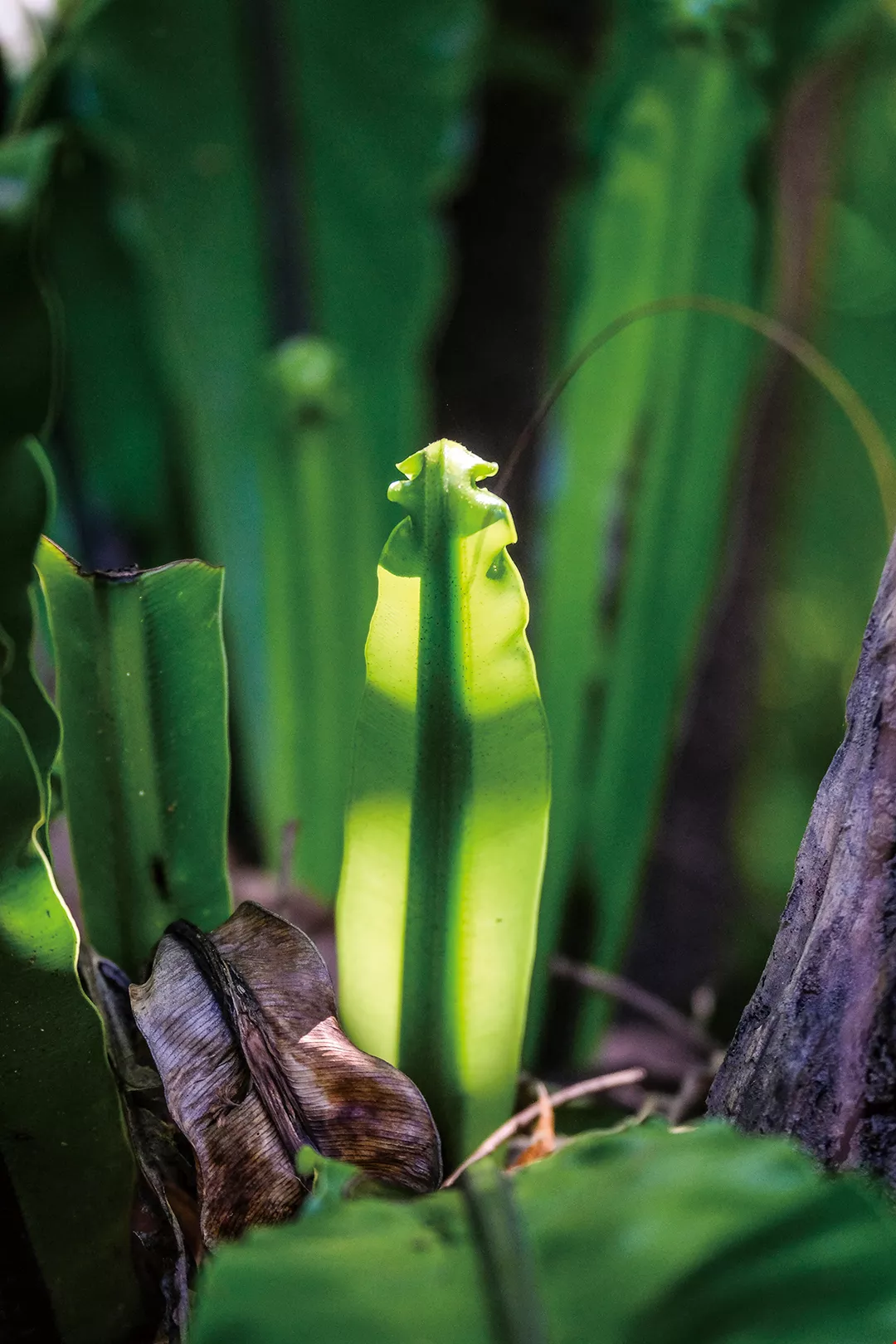
Ferns from the genus Asplenium are common on Hakka and Amis dining tables.
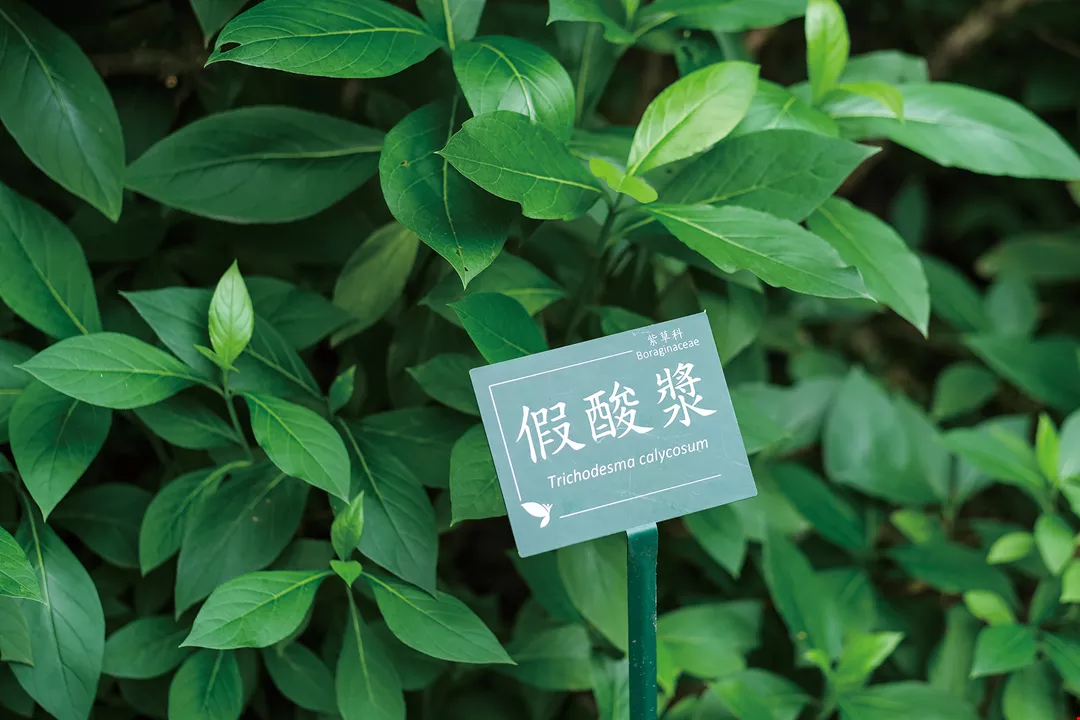
The leaves of Trichodesma calycosum are used to wrap millet dumplings and can be stir-fried.




@List.jpg?w=522&h=410&mode=crop&format=webp&quality=80)
@List.jpg?w=522&h=410&mode=crop&format=webp&quality=80)