Sharing Taiwan
Through Tea: Laïzé
Esther Tseng / photos photos courtesy of Laïzé / tr. by Phil Newell
February 2026
“We hope that every visit a customer makes to one of our shops is like a journey to Taiwan,” says Jody Liu, cofounder and manager of the Laïzé chain of Taiwan tea shops in Paris.
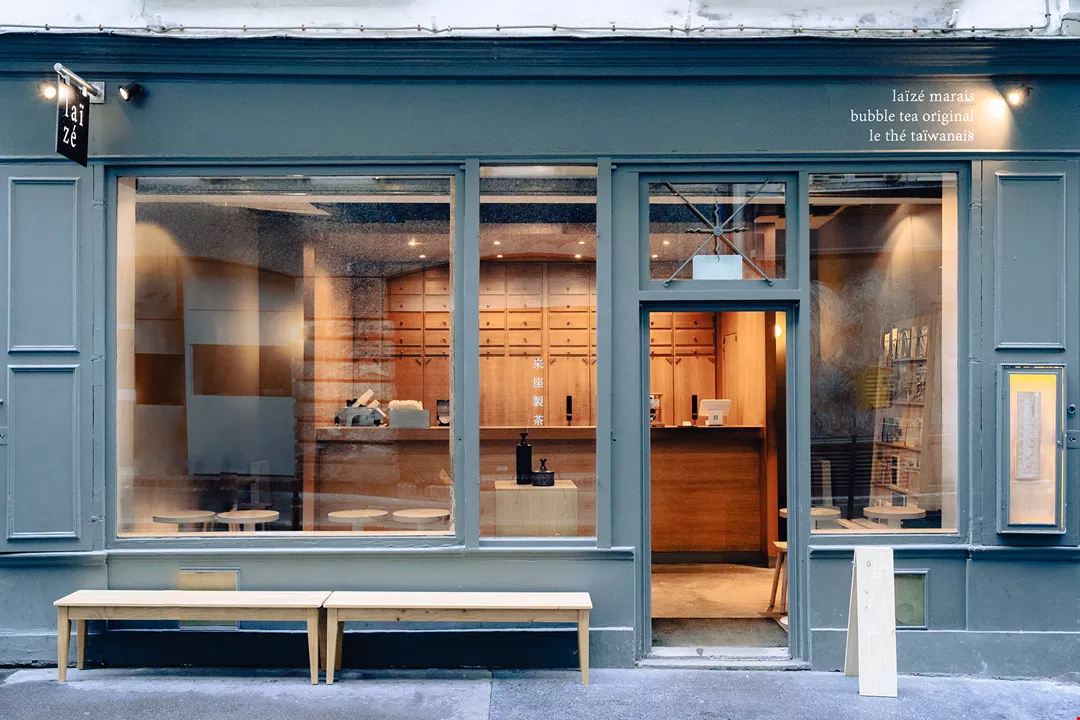
In an unassuming side street off a busy road in the Le Marais neighborhood of Paris, you will see a storefront that looks like a traditional Chinese pharmacy. It is in fact a Taiwan tea shop known as “Laïzé,” a French rendering of the Taiwanese phrase lâi-tsē—“come in and sit.”
For many French customers, this is not merely a beverage shop, but is the starting point for “getting to know Taiwan.”


Laïzé aims to introduce Taiwan to its customers one cup of Taiwanese tea at a time.
Pearl milk tea = Taiwan
The other cofounder of Laïzé is Stéphane Lin, a fellow Taiwanese who met Jody Liu when both were studying fashion design in Paris. Established in 2018, it currently has three outlets in the French capital.
Speaking about the initial idea and preparations for the chain back in August 2017, Lin explains that they were motivated by a common misunderstanding: “Everyone associates sushi with Japan, and kimchi with Korea, but when it comes to pearl milk tea [a.k.a. boba tea], they think it might be Chinese, or perhaps Vietnamese.” It is in fact a Taiwanese creation.
At first, most customers were Taiwanese living in France, but within a year they already had lines of buyers, of whom 70% were French and the remainder Asians.

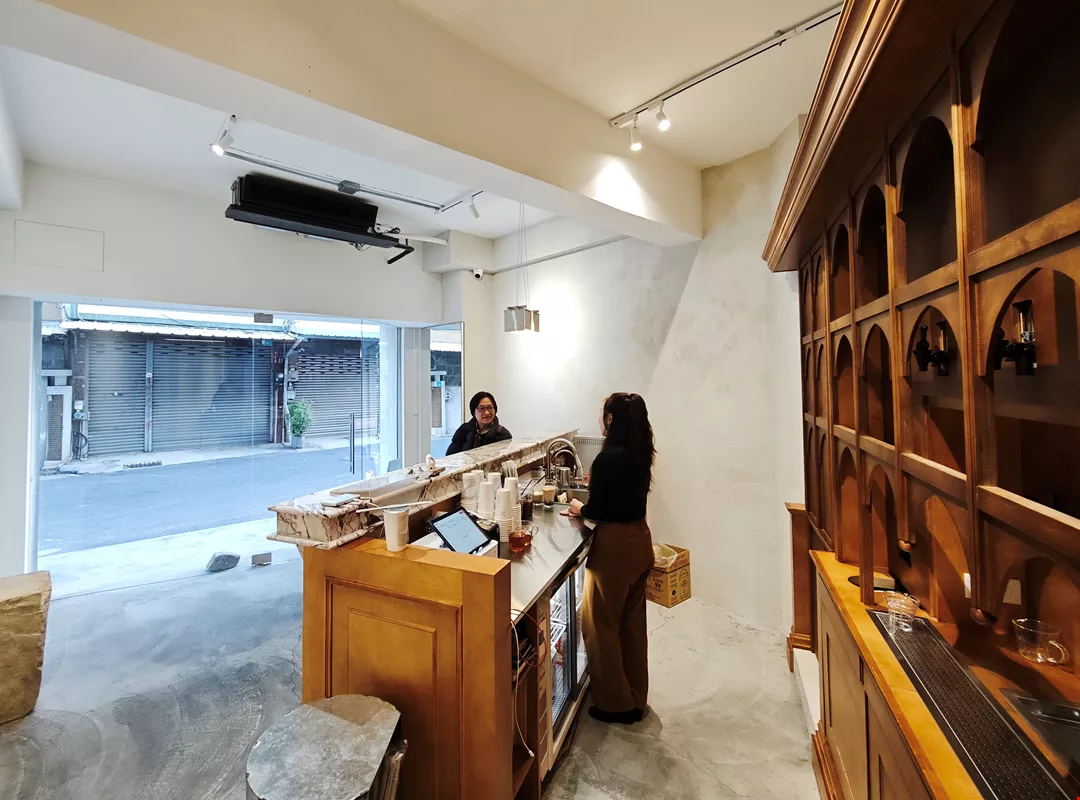
Laïzé’s first shop was simply a place to buy custom-mixed soft drinks. Behind the bar are drawers like those in a traditional Chinese pharmacy, recalling the fact that historically tea was once seen as a medicinal plant.

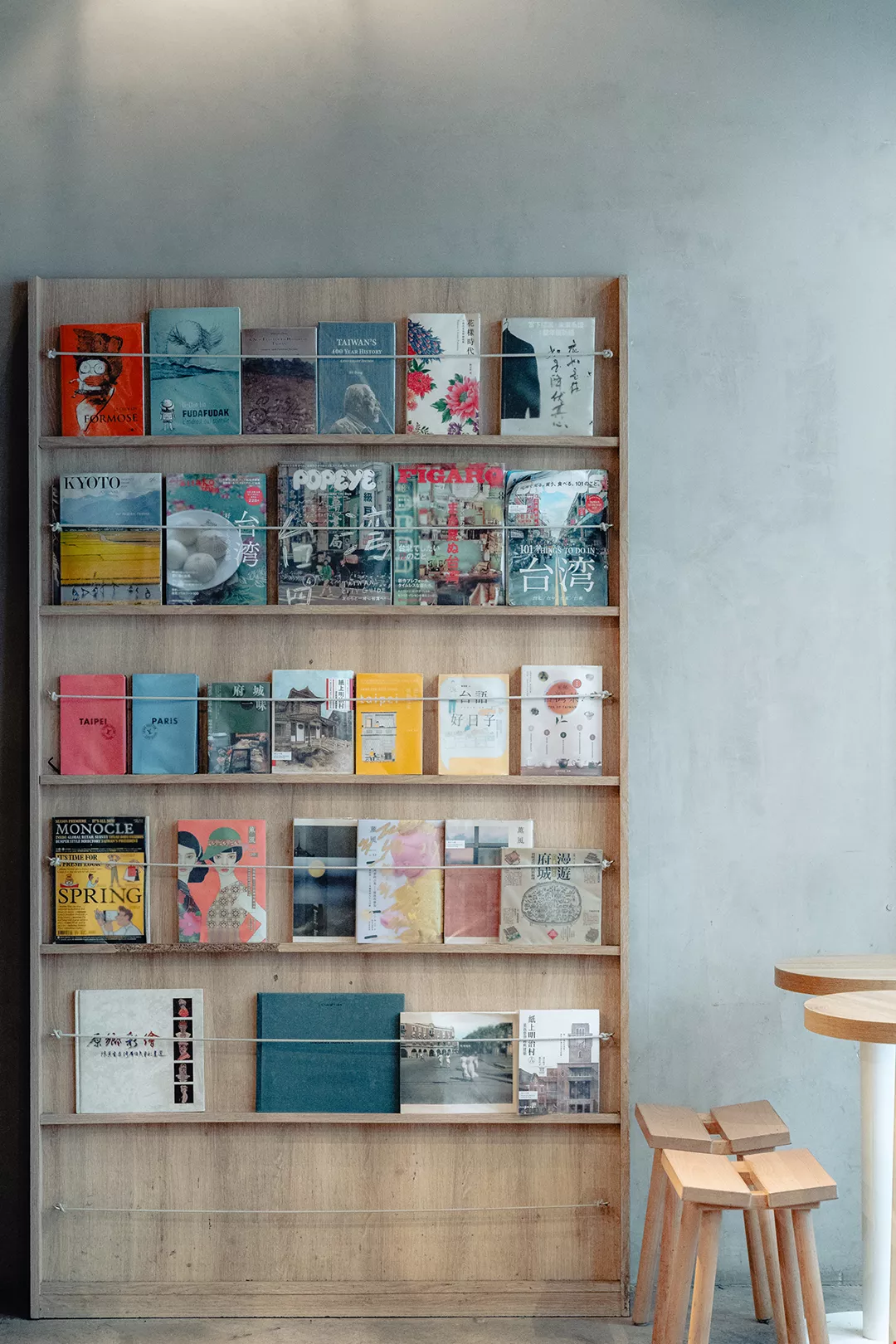
Laïzé’s décor emphasizes Taiwanese elements.

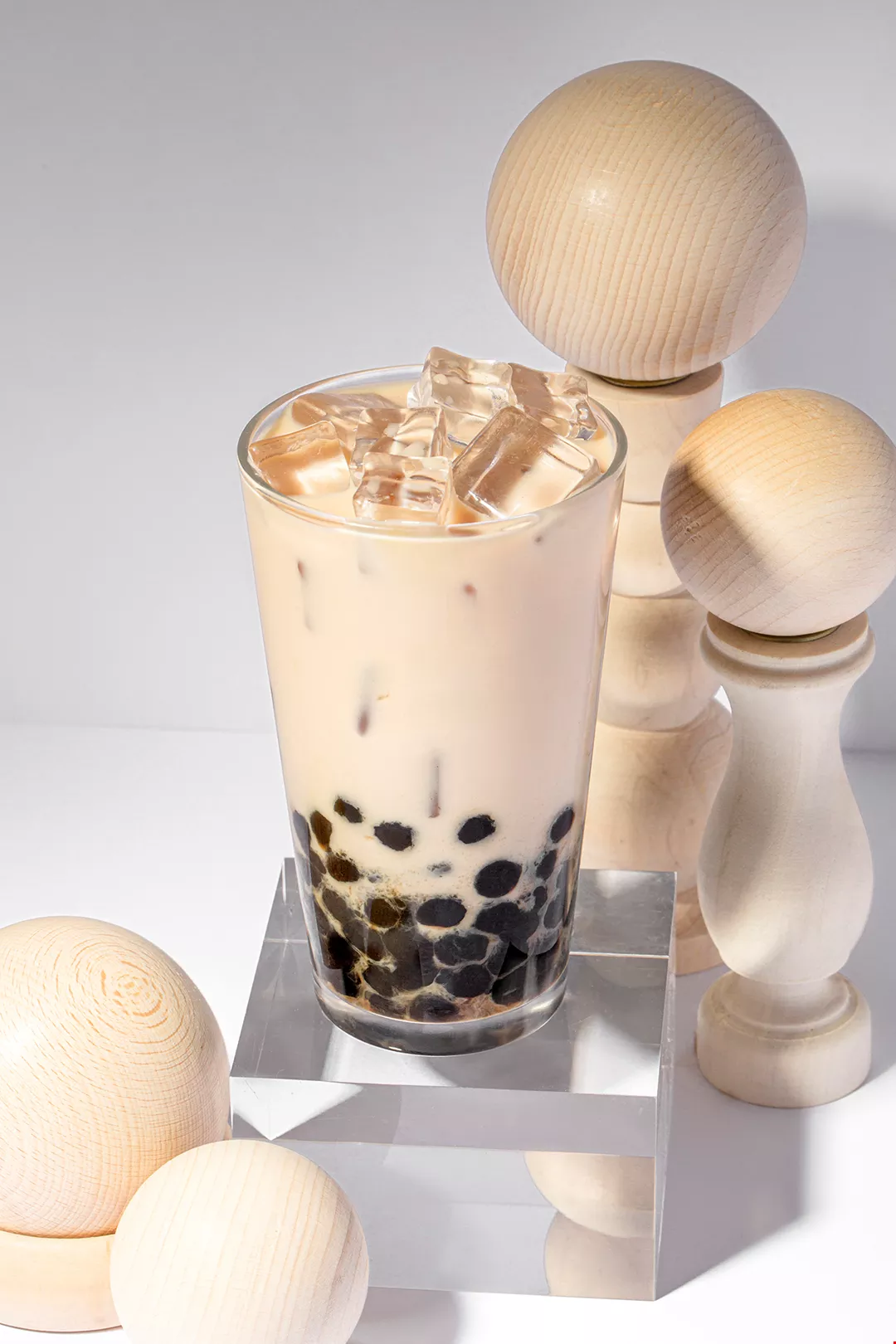
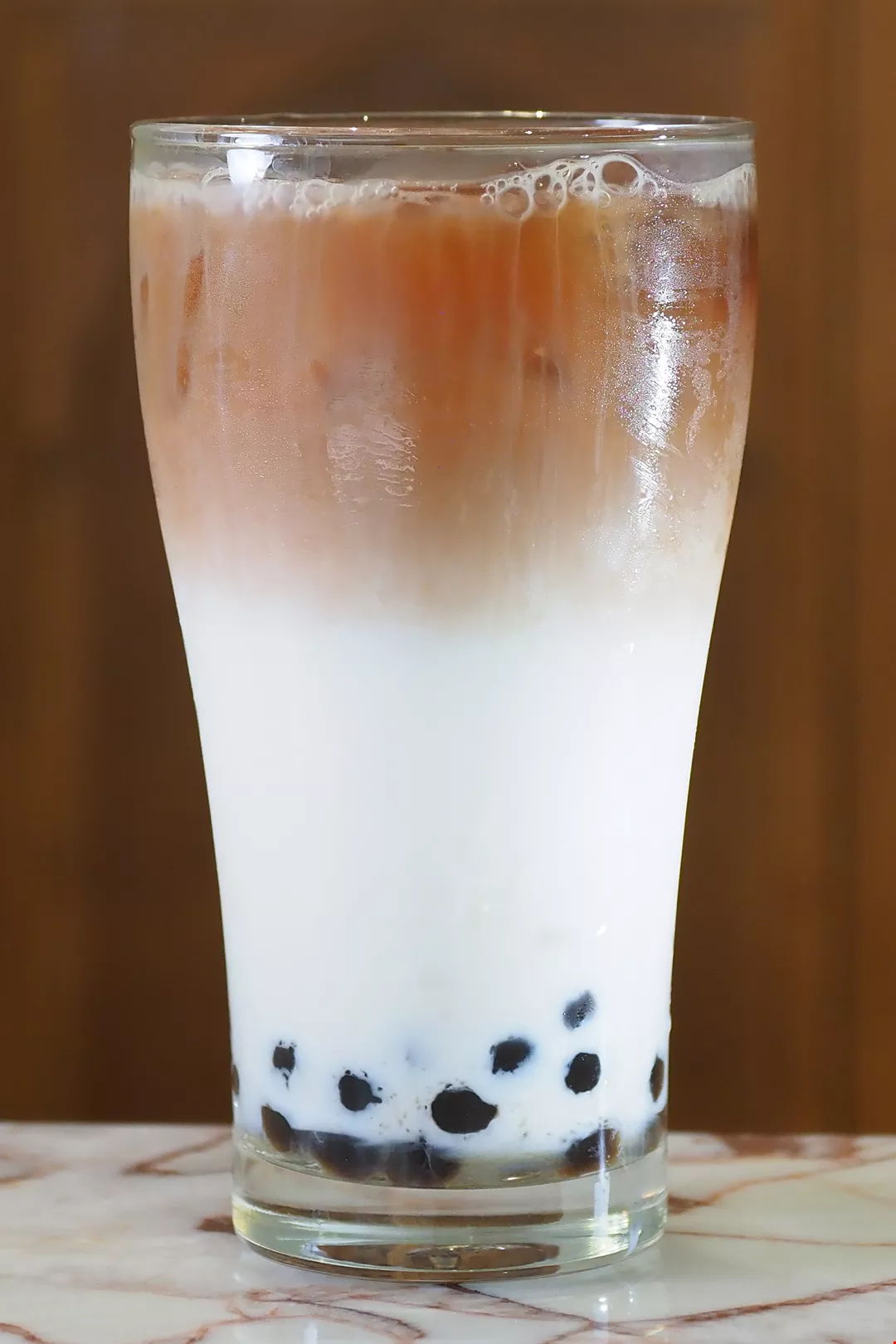
Charcoal-roasted oolong milk tea is the chain’s most popular beverage. (photo by Jimmy Lin)
Explaining Taiwan through tea
Despite being perpetually exhausted in the first year of operations, they never forgot their initial intentions and kept the goal of Laïzé simple: “To run a shop that we ourselves would like to visit, serving drinks that we love.”
Liu favors charcoal-roasted oolong tea with oat milk, which has a rich roasted fragrance as well as the flavor of oats; it is also the most popular beverage they sell. Lin, meanwhile, loves peach-flavored iced tea—France produces a lot of peaches in summer, so this drink reflects local terroir while also highlighting the emphasis on seasonal ingredients that is characteristic of Taiwanese culinary culture.
As for other ingredients, the French are no strangers to roses and lavender, but sweet osmanthus is an entirely novel floral experience for them. Liu explains that in response to the French preference for full-bodied fragrances, they have devised “osmanthus oolong milk tea” made with osmanthus syrup. “Giving French people their first taste of this flavor has come to be a defining feature of our business.”
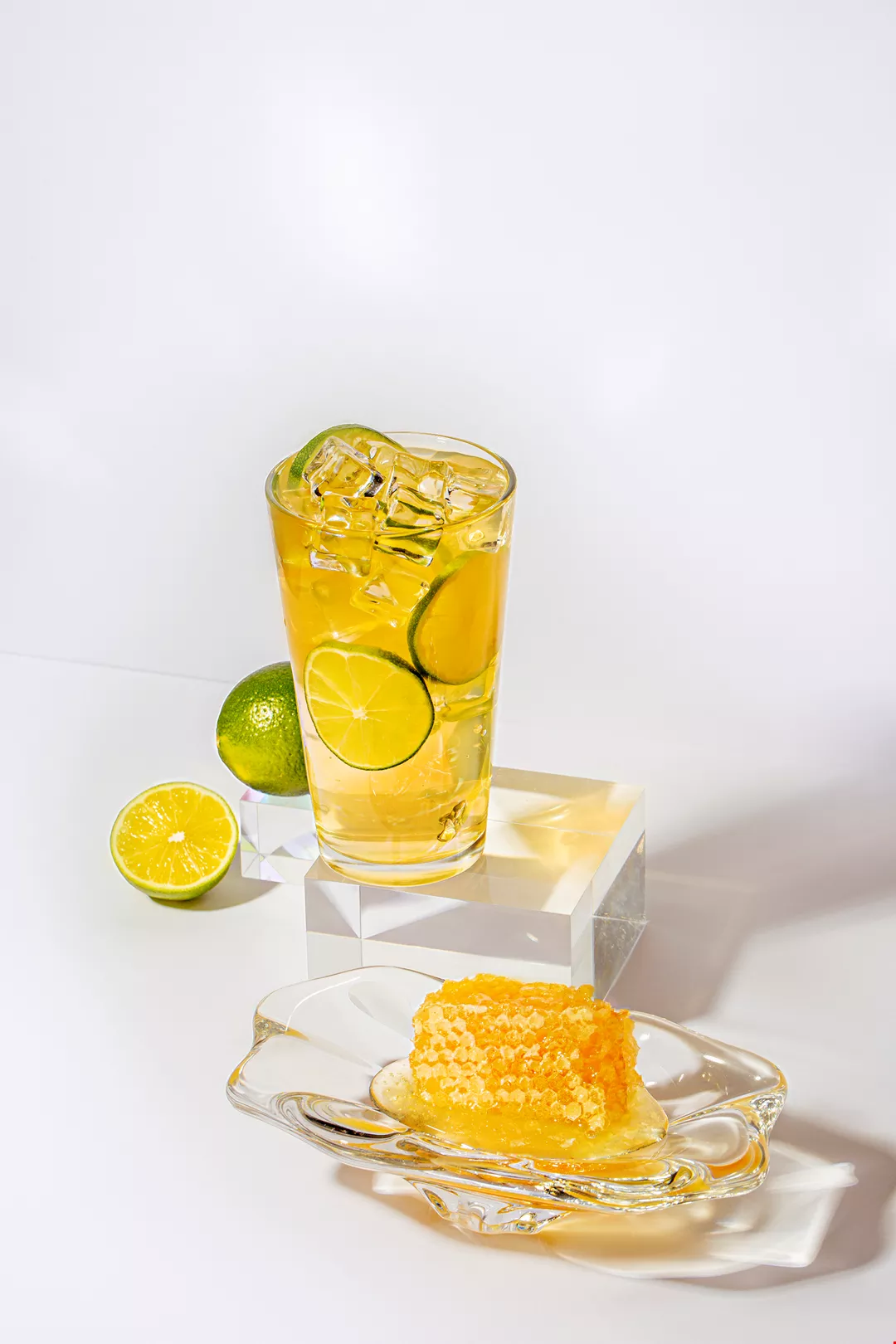
Meanwhile, besides tapioca balls (the “pearls” in pearl milk tea), Laïzé also offers aiyu jelly and grass jelly in their drinks. Liu says with a laugh that French people don’t much like adding taro paste to their tea (as is common in Taiwan), feeling that it seems too much like a pastry ingredient. As for aiyu jelly, on the other hand, when you explain to them that it is a kind of gelatin made using a native Taiwanese plant and has a refreshing texture and bright flavor with a hint of lemony freshness, they respond favorably.
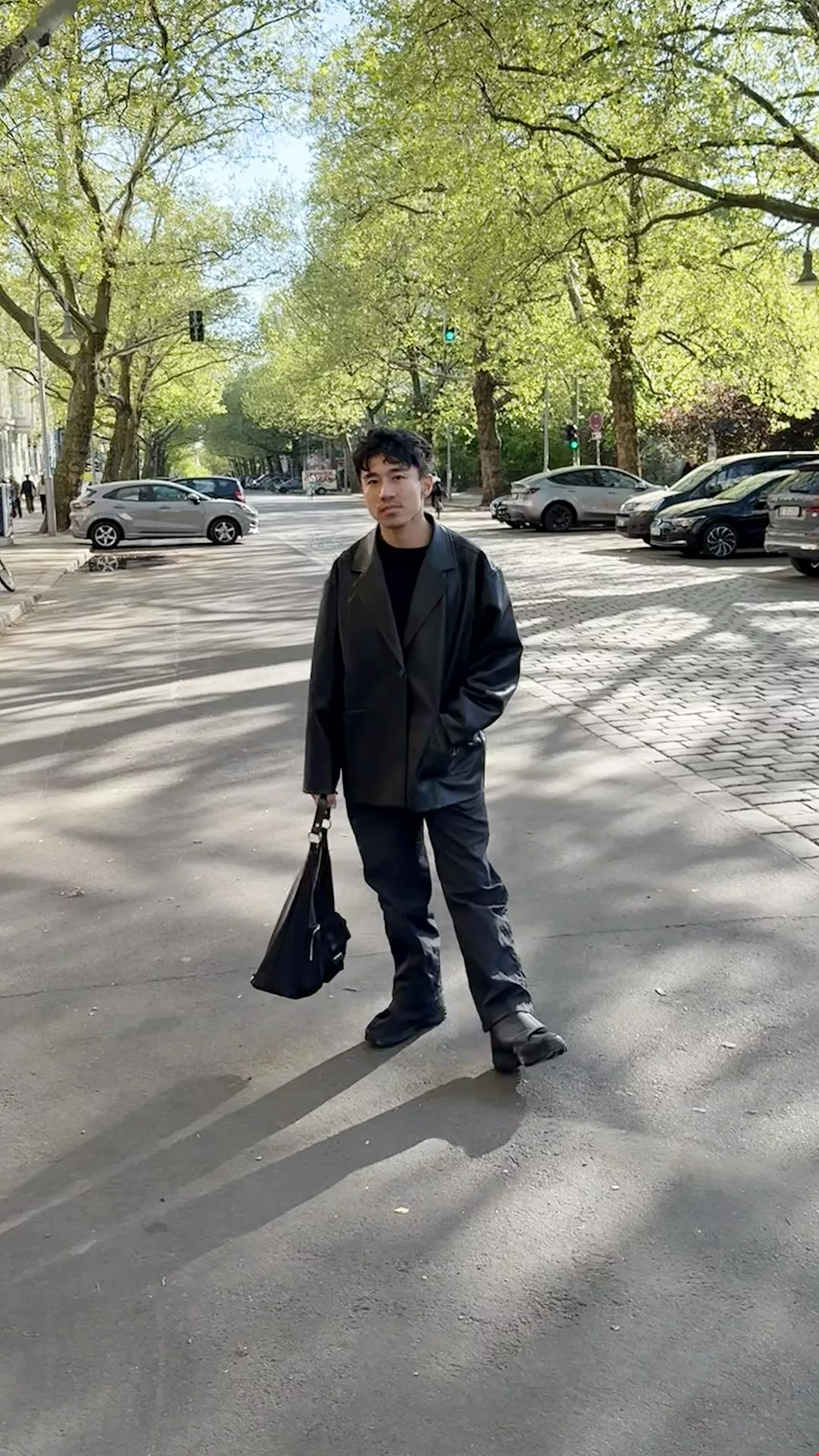
Stéphane Lin’s goal has been to make something wonderful into a part of people’s daily routines. Each cup of tea can add zest to life.
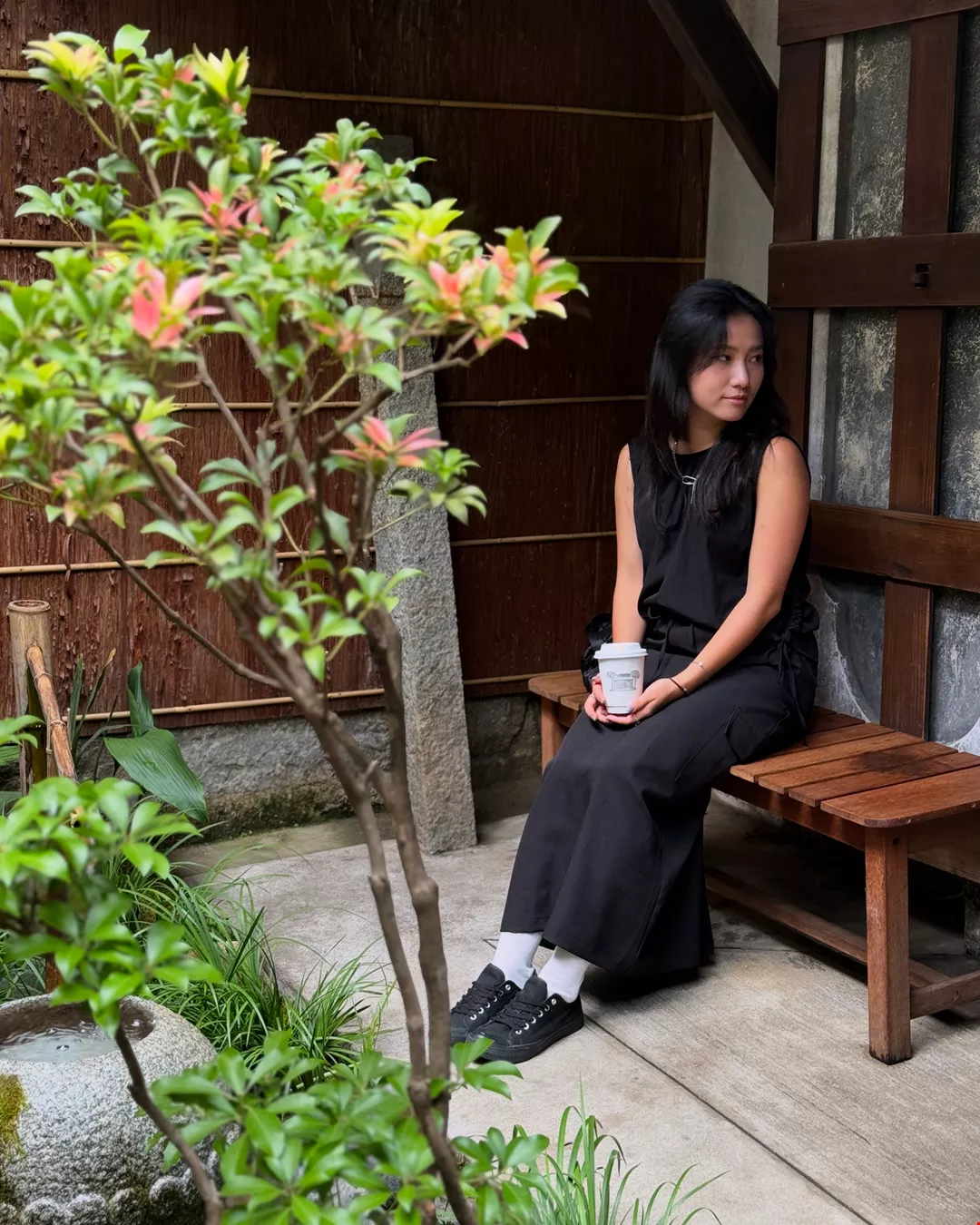
For Jody Liu, bringing Laïzé back to Taiwan has been the most memorable milestone in her entrepreneurial journey.
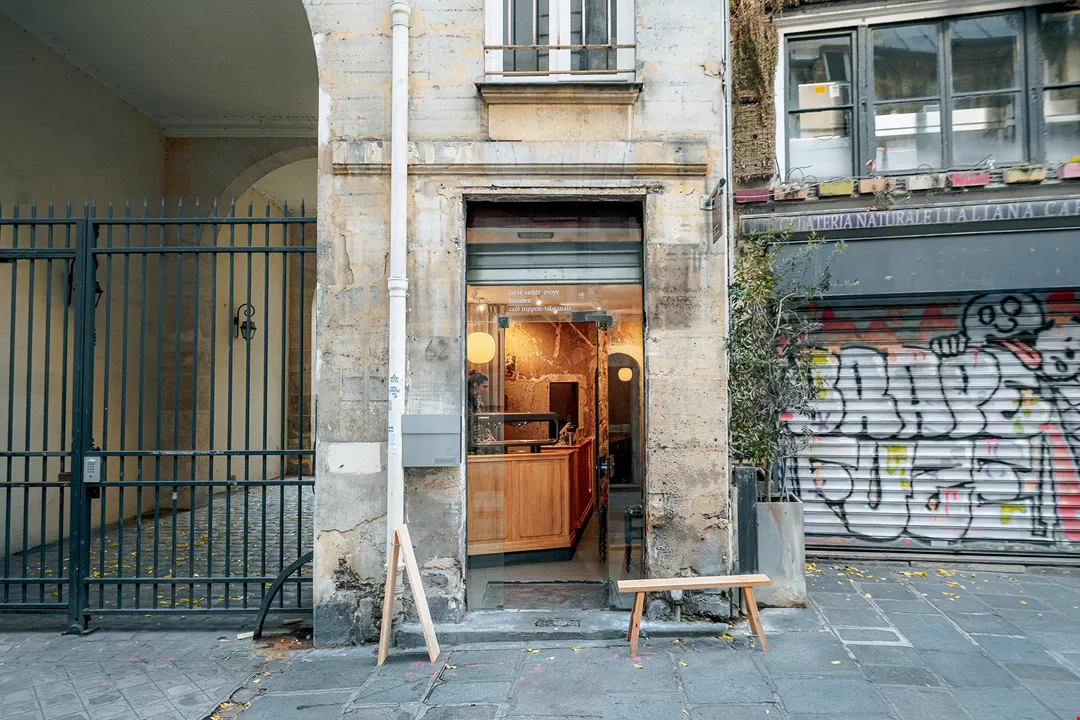
Laïzé’s third Paris outlet, located near the Louvre, occupies a space that a century ago was a butcher’s shop. The walls inside still bear the classic Parisian décor of that era.
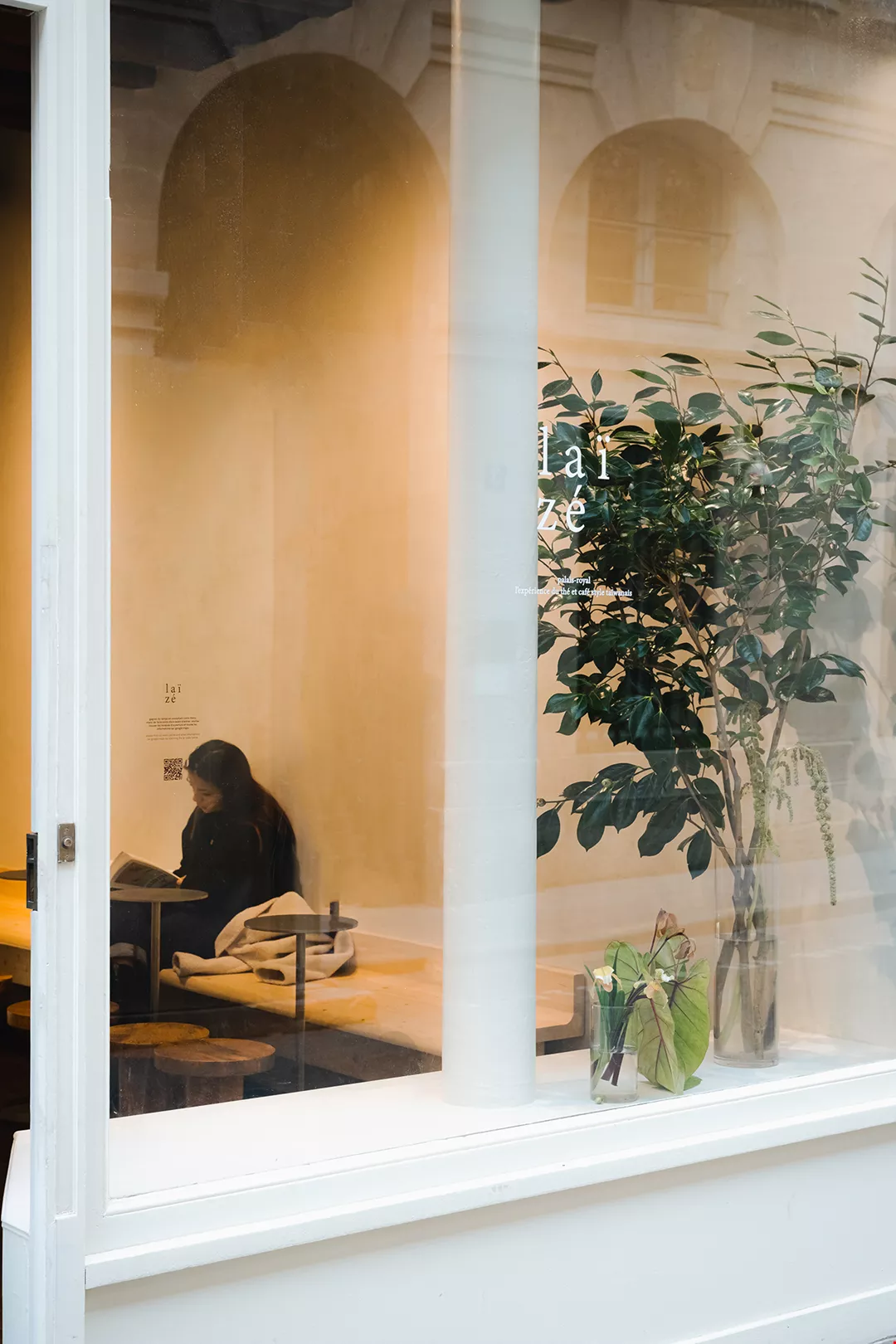
Laïzé’s Palais-Royal branch offers coffees named after cities and simple tea settings, presenting the authentic flavor of Taiwan through freshly brewed tea.
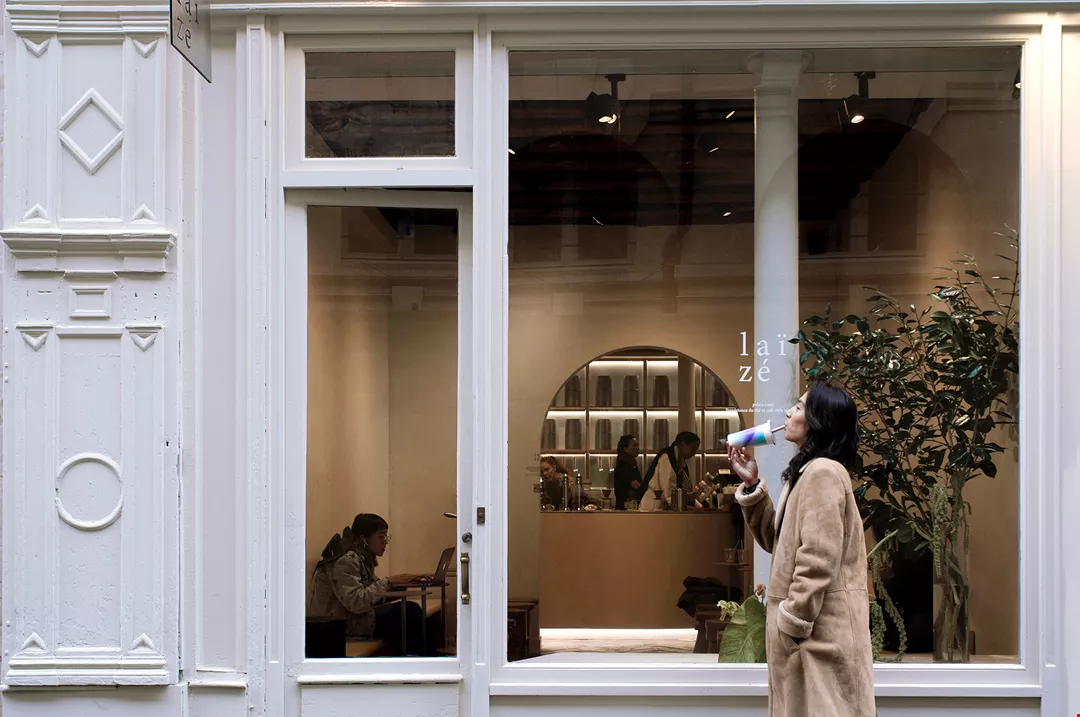
Laïzé wants people to know that Taiwan has not only tradition, but also cultural depth, featuring a high standard of design and a life-affirming vibe.
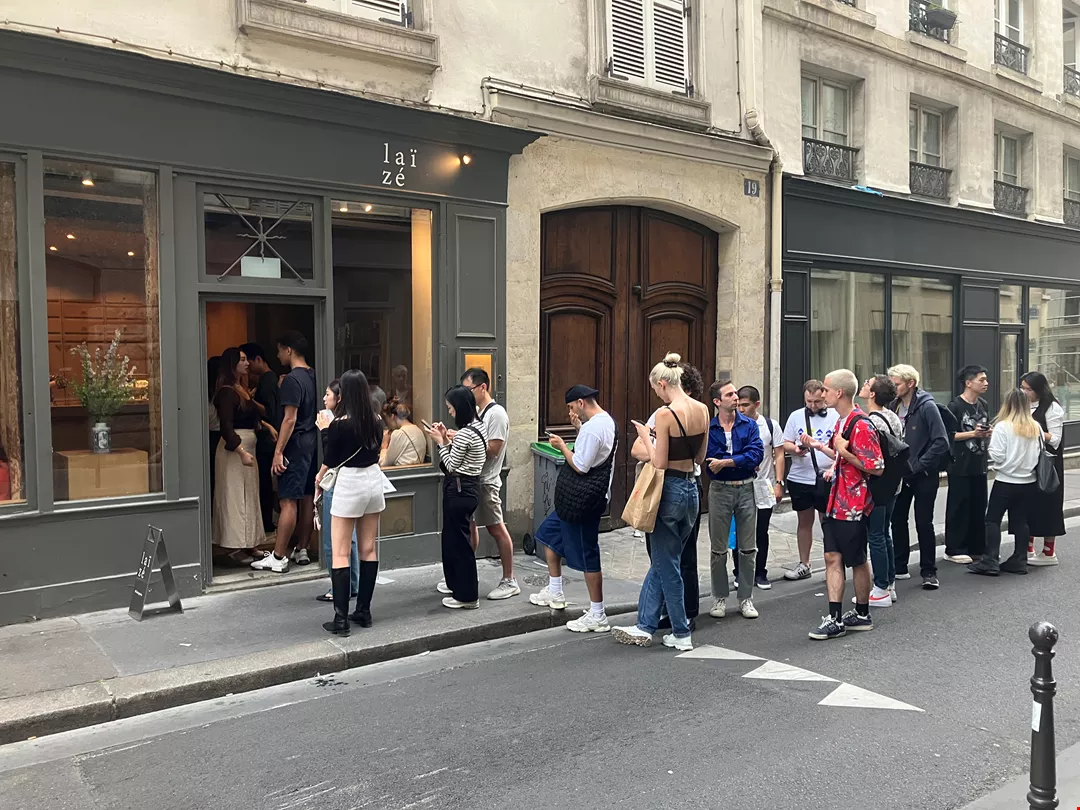
People line up to buy drinks at Laïzé.

Getting to know Taiwan
Every explanation given to a customer is their first introduction to Taiwan, and many people get curious about Taiwan after visiting the shop.
For instance, there is an Italian writer and screenwriter living in Paris who starts each day with a cup of coffee at Laïzé’s second branch, Palais-Royal, and ends it with an oolong tea there. He started paying increasing attention to Taiwanese movies at European film festivals and eventually got the idea to write a script about Taiwan.
“For me, it doesn’t matter whether the customer is a regular or a first-timer, if they want to learn something more about Taiwan, I feel a great sense of accomplishment,” says Liu. She adds that this is not a case of a transitory “Taiwan fad,” but simply of using tea to enable more people to hear the name “Taiwan.”
Lin says with feeling: “Looking back over the last eight years, our initial aims have never changed. Our goal has been clear, and has not been affected by external factors. We have maintained the brand the way it should be and made something wonderful into more than an imagined product—it is now a genuine part of daily life.”
Perhaps this is the real “soft power” of Taiwan tea: Without making a ruckus, it helps the world to understand and remember Taiwan, one cup at a time.

Laïzé Tainan is the culmination of the two founders’ eight years of experience and hard work in Paris. Retaining the standardized flavor-crafting procedures used in France, the teas are themed around French fragrances. (photo by Jimmy Lin)

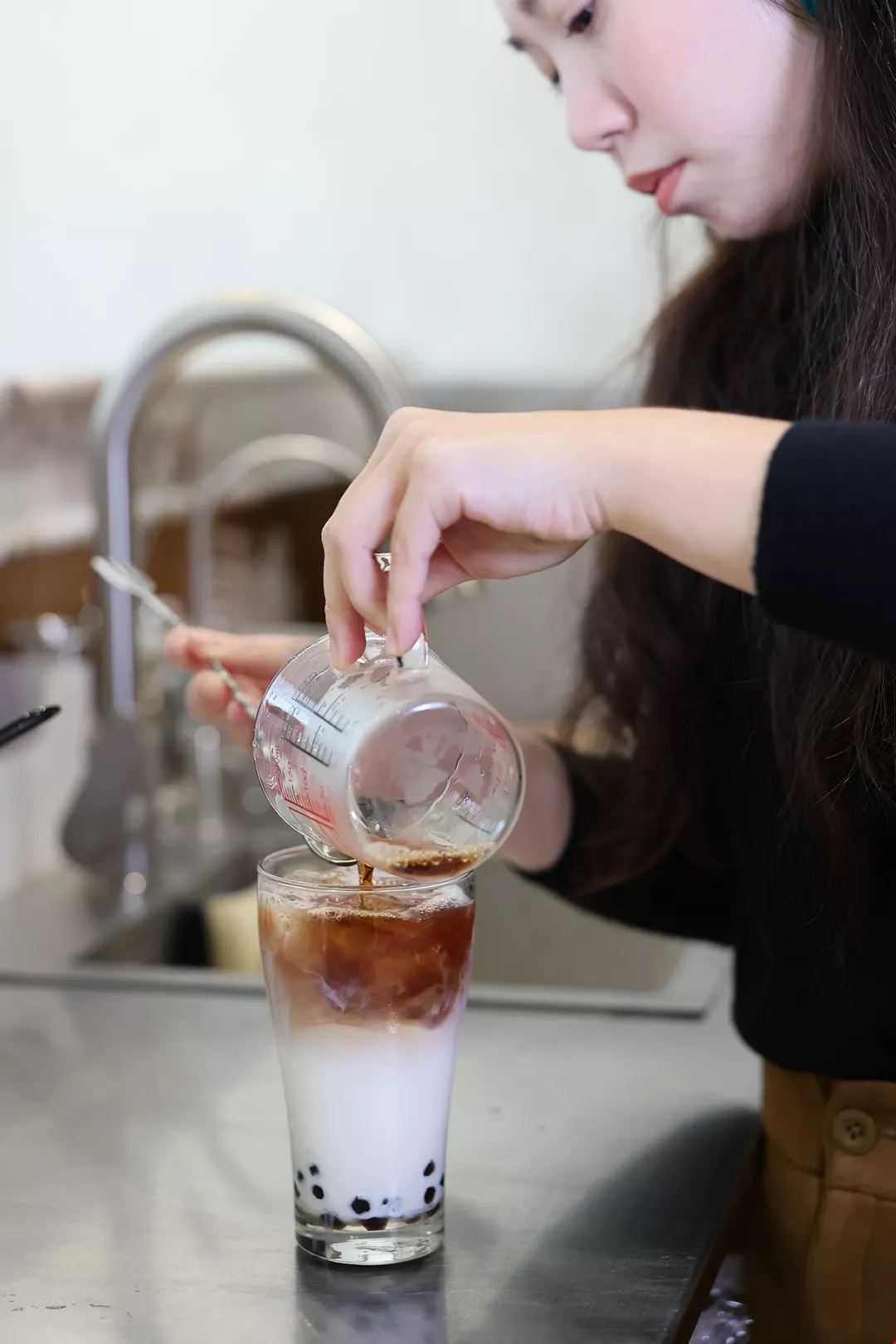
All of the custom-mixed drinks at Laïzé retain the characteristics of those made in Taiwan. The sweetness and amount of ice can be adjusted to meet customers’ personal preferences.
(photo by Jimmy Lin)

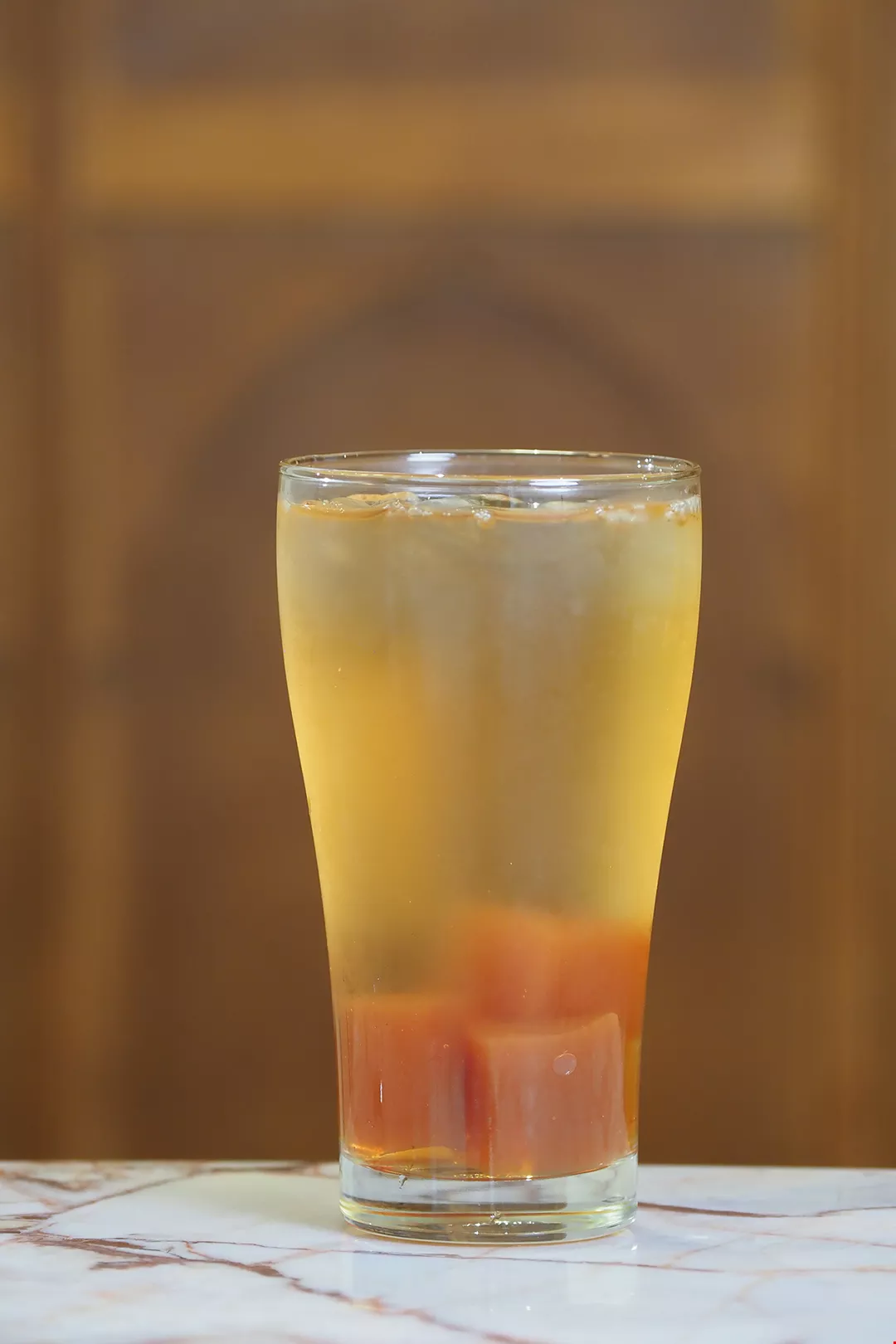
This drink, called “B041,” incorporates a suggestion from a French perfumer and has a unique flavor. Customers can opt to add tea jelly. (photo by Jimmy Lin)