

Passion fruit grows on a tropical South American plant and is widely known for its color, freshness and distinct flavor. In recent years, due to successful crossbreeding, the sales volume of the fruit has increased, gradually making it a favorite in the market, one which shows potential for both domestic and foreign trade.
The passion fruit, also known as the passion flower, is indigenous to Brazil. Spanish missionaries travelling in South America 300 years ago are said to have discovered it and been impressed by its unusual appearance. The structure of the flower reminded them of items connected with Christ's suffering and death, hence the name "passion flower" (or "passion fruit") in English (derived from the Latin passio flos). The Japanese believe the flower resembles a clock and so they call it the "clockfruit."
The passion fruit comes in two varieties, purple and yellow. The former has a delicious taste, but is small, has little juice and is not produced in great quantities. In 1967, a Farmer's Association research team brought in the yellow variety from Hawaii, as well as Central and South America. The latter type is larger and juicier, and it is produced in much larger amounts. However, its taste is not as rich, and it is artificially pollinated and thus very expensive.
In 1979, the Fengshan Horticulture Experimental Station successfully crossbred two varieties. The new hybrid's color and aroma are excellent, and the fruit is much juicier. The new plant need not be artificially pollinated and has been designated "Tai Nung No. 1." It is grown in Taitung, Nantou, Hualien, Chiayi and other places; among these, Taitung County devotes the most land (620 hectares) to cultivation of this fruit. That locale has adequate sunlight and wind, plus low humidity. The best planting season is in the spring, and the time from blossoming of the flowers until the ripening of fruit averages about 60 days, which means there can be three harvests per year.
The passion fruit does not retain its freshness very long when stored at ordinary temperatures, so it is best when frozen or when the juice is processed in either diluted or in concentrated form.
Production of Tai Nung No. 1 has been expanding in the last few years, and some samples were recently sent to Passi, Switzerland's most prestigious fruit-juice company, which gave Tai Nung No. 1 a top rating. Suddenly, Taiwan's passion fruit became well-known, and the orders for it began flowing in.
The passion fruit's rich aroma and unique sweet-and-sour flavor are among the reasons for its immense popularity. Owing to the rise in people's living standards, they are now more discriminate in their taste for food. Among beverages, natural fruit juice is the best-liked, and of these, the passion fruit is a standout. It also is rich in Vitamin A, which, specialists point out, can enhance one's resistance to respiratory ailments and the health of one's skin. In addition, it contains Vitamin C, which can help prevent colds, scurvy and other illnesses.
The passion fruit is mostly for export, and there are about 10 companies engaged in its production. Countries importing it include the United States, Japan, South Africa and Saudi Arabia, along with others in Europe and Oceania. If the farms and factories can be united into a cohesive business of manufacturing and planning for promotion of the product, we can look forward to the day when the Chinese variety of passion fruit will be popular the world over.
[Picture Caption]
1. Passion fruit orchard. 2. Yellow Passion fruit from Hawaii. 3. The big, red flowers remind many of the crucifixion so it is called the "Passion flower". 4. After becoming ripe, the passion fruit falls from the tree by itself, so it doesn't have to be picked. 5. Tai Nung No. 1 Passion fruit before and after processing--pictured here with its juice. 6. The natural juice of the passion fruit is one of the ingredients for Chinese sherbet. 7. Passion fruit ice cream. 8. The numerous seeds make it crunchy, and after refrigerating it becomes even crunchier.
1. This young lady finds it a relaxed and pleasant pastime to gather the fruit. 2. A machine used for washing the fruit. 3. After packing, the fruit will be shipped to the market. 4. This juicer shows the automation of the Tai Tung Shing Yeh Company.
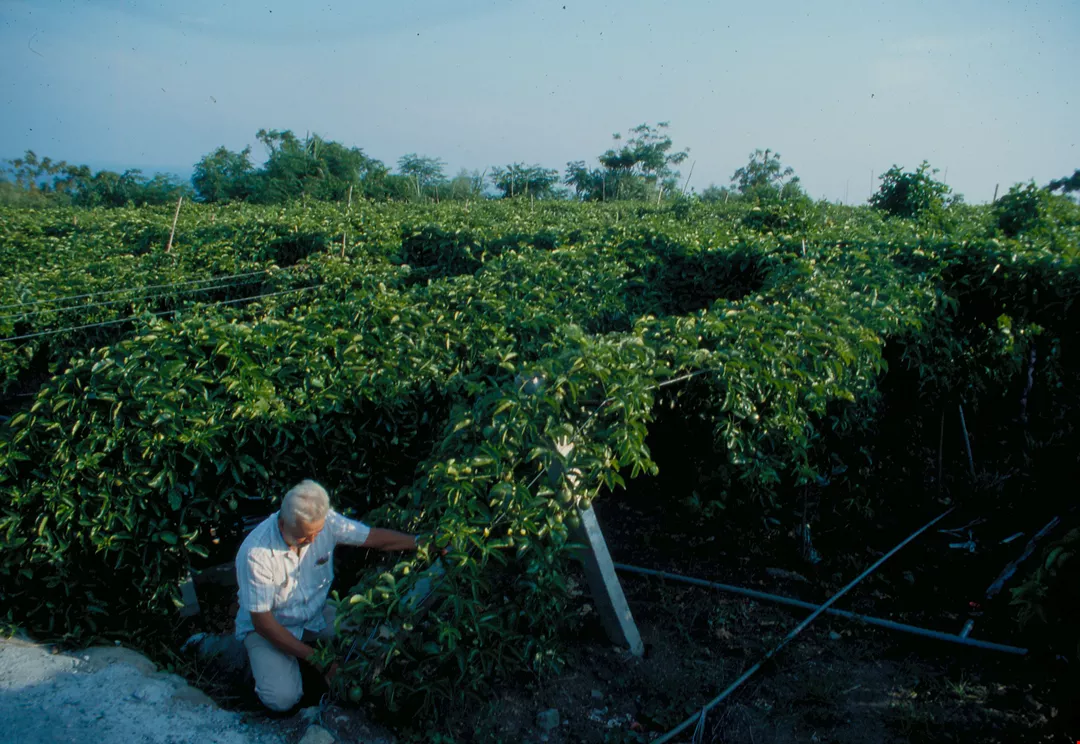
1. Passion fruit orchard.
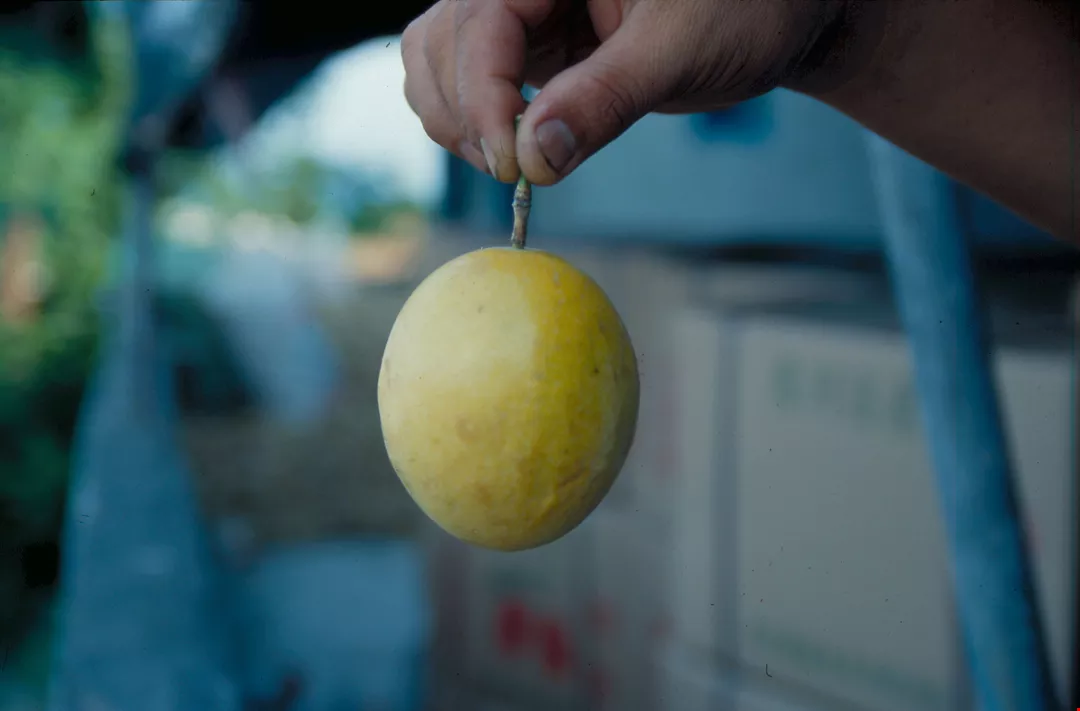
2. Yellow Passion fruit from Hawaii.
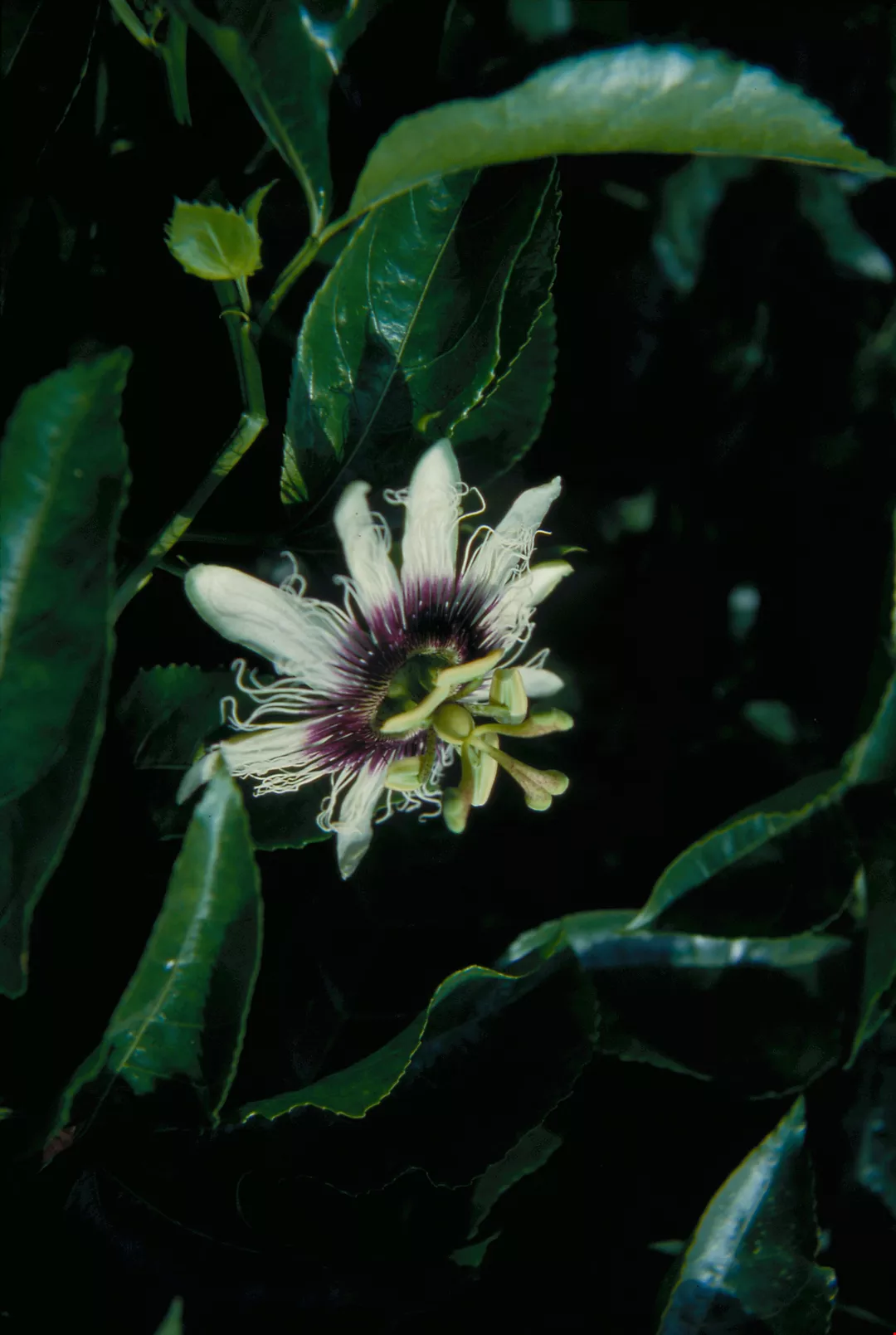
3. The big, red flowers remind many of the crucifixion so it is called the "Passion flower".
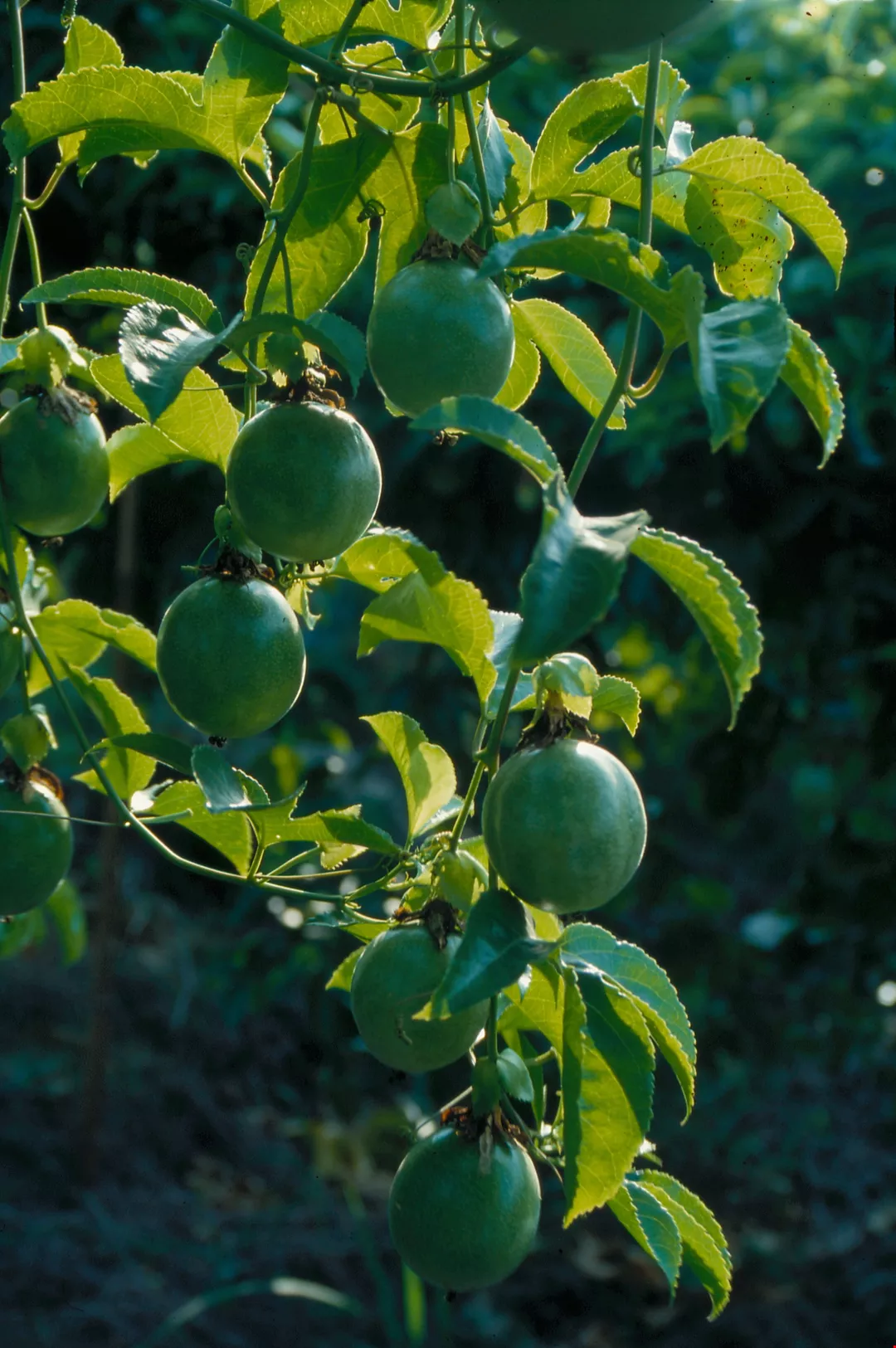
4. After becoming ripe, the passion fruit falls from the tree by itself, so it doesn't have to be picked.
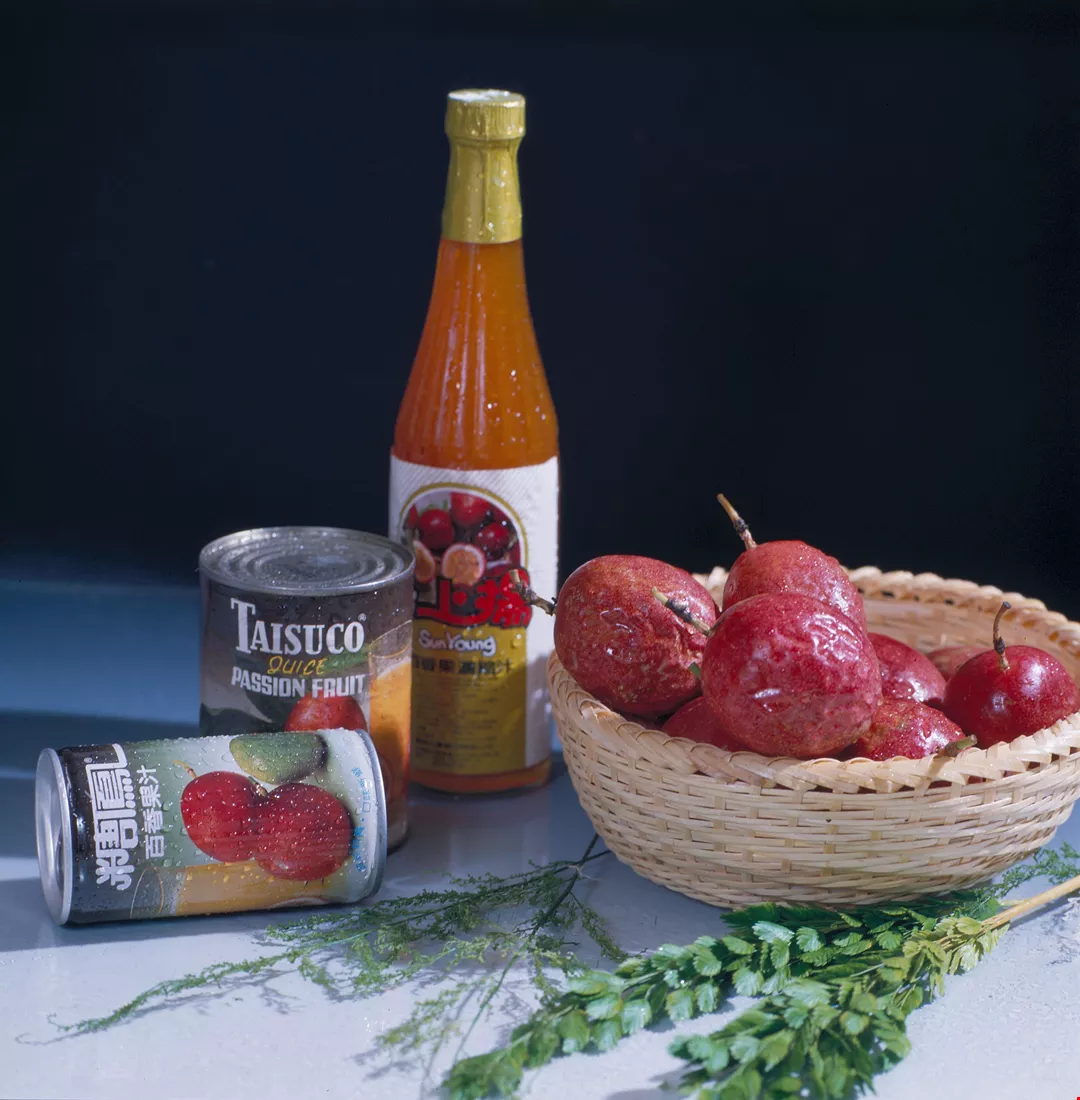
5. Tai Nung No. 1 Passion fruit before and after processing--pictured here with its juice.
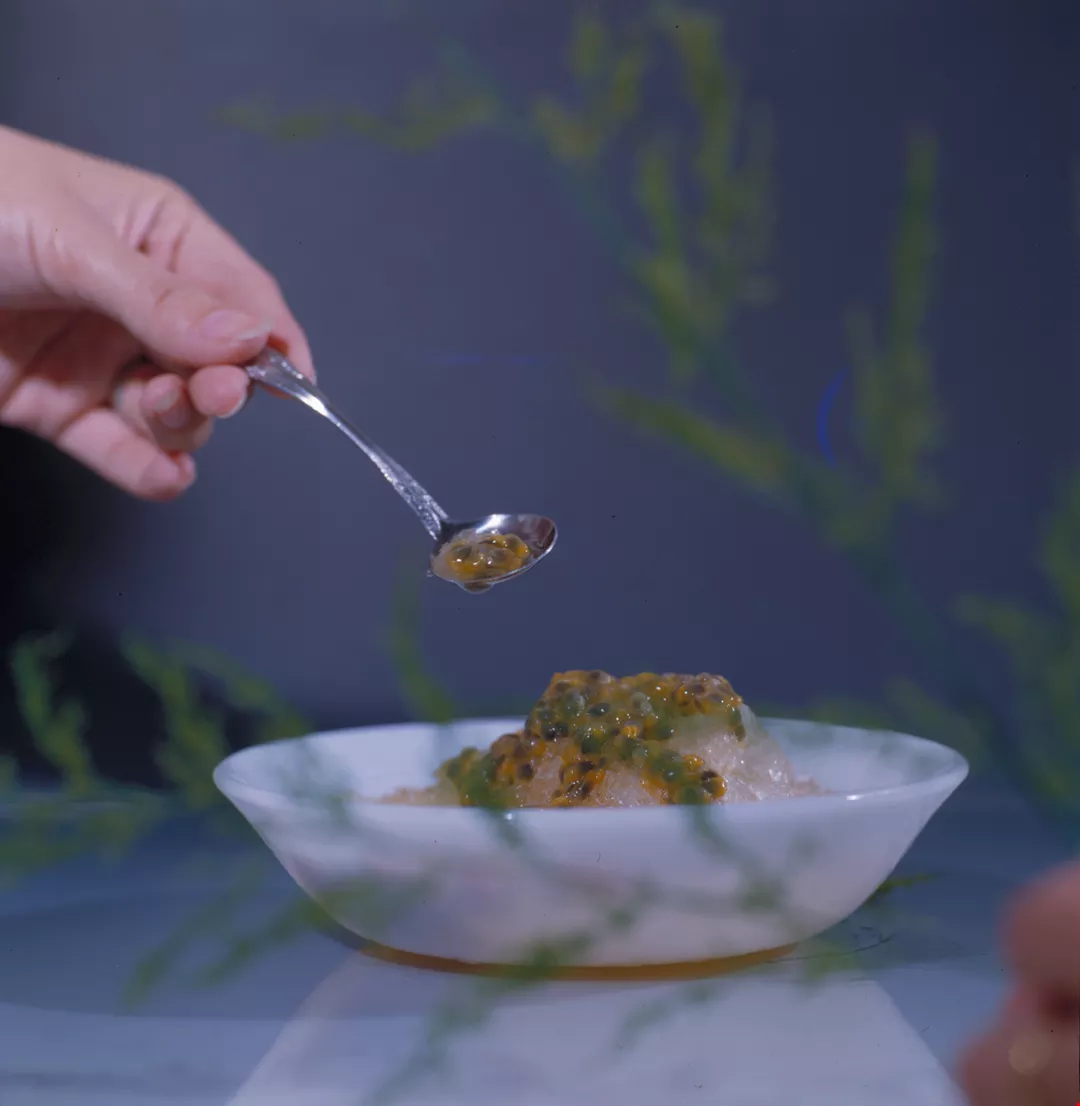
6. The natural juice of the passion fruit is one of the ingredients for Chinese sherbet.
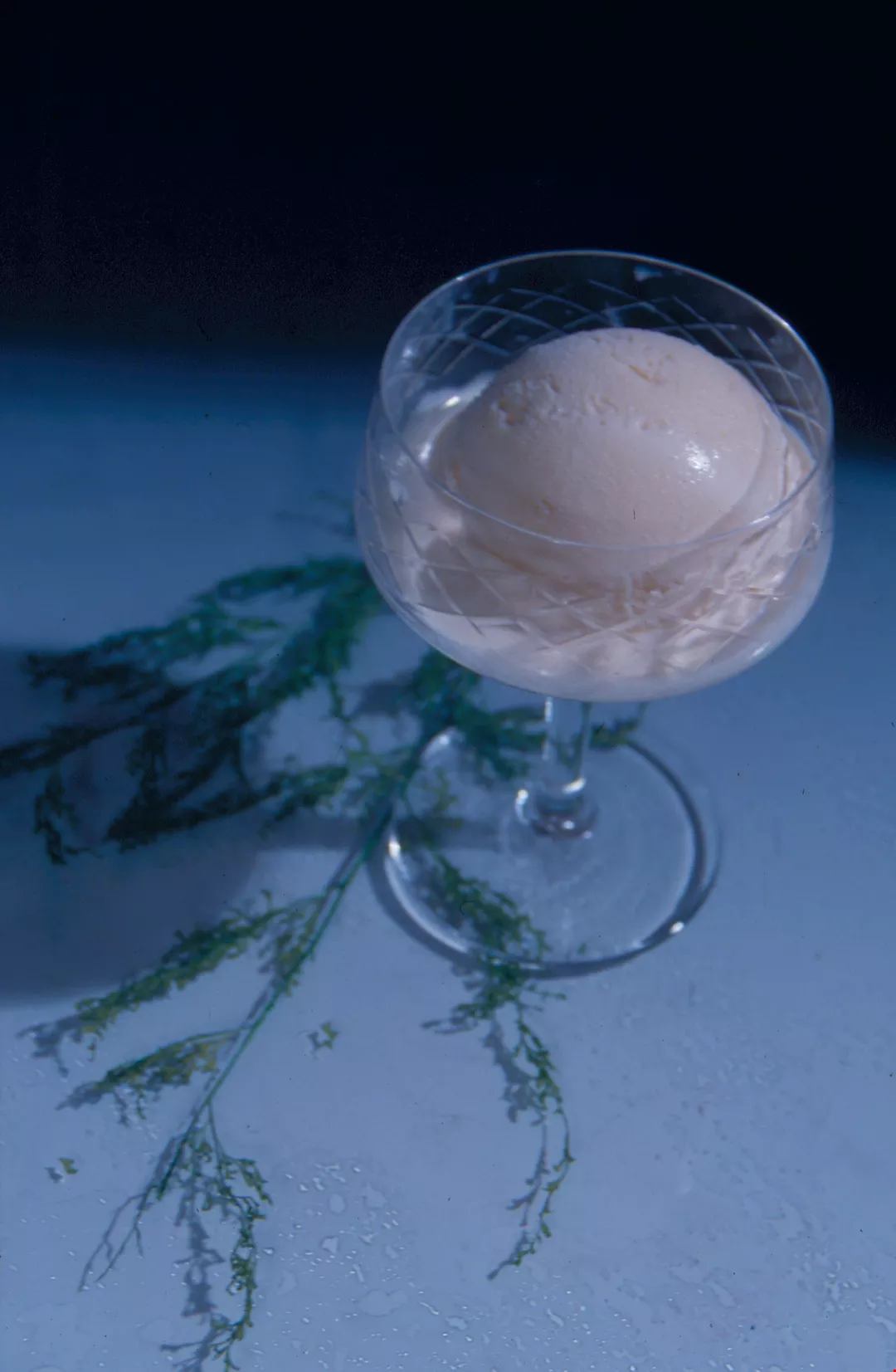
7. Passion fruit ice cream.
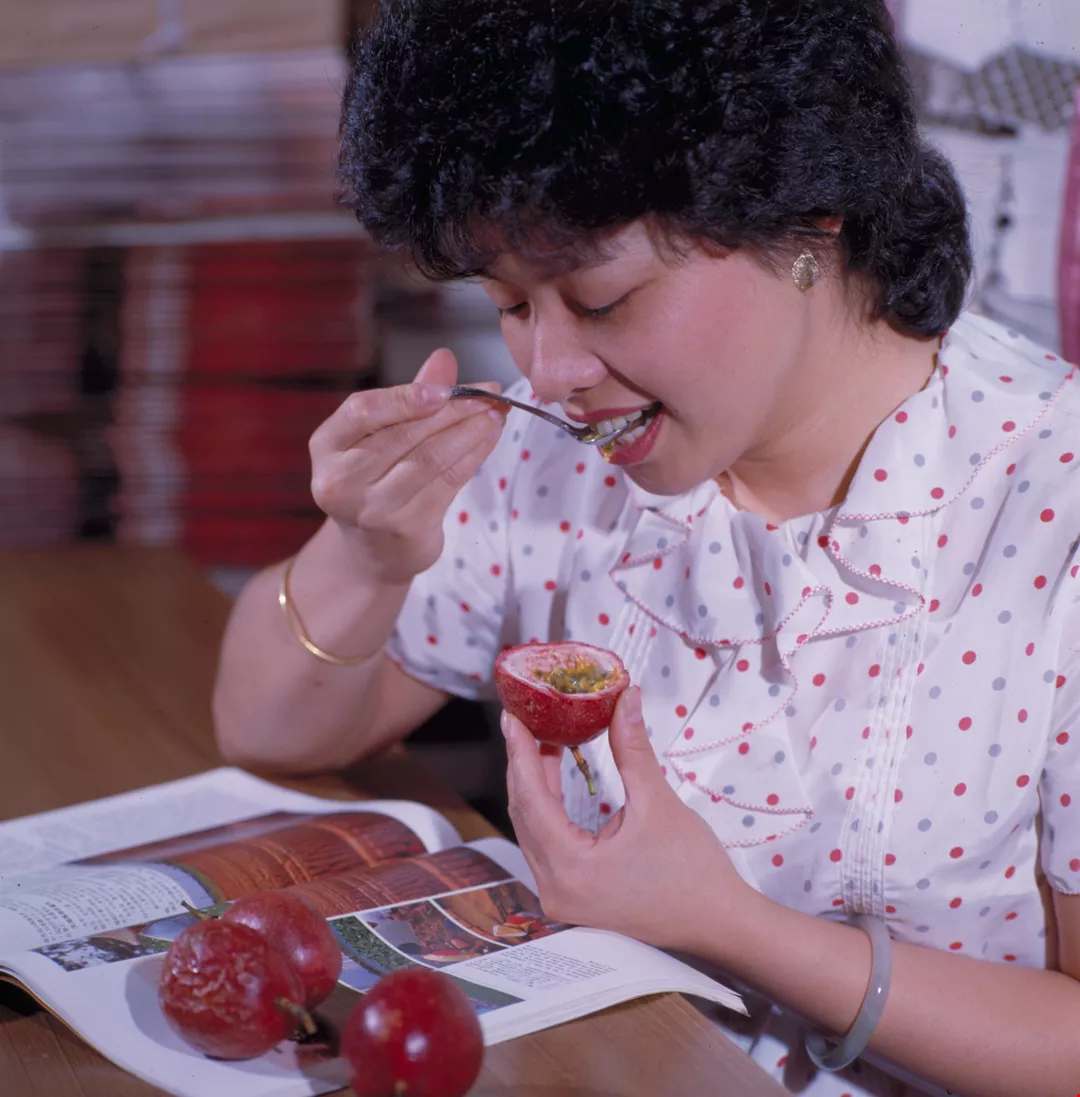
8. The numerous seeds make it crunchy, and after refrigerating it becomes even crunchier.
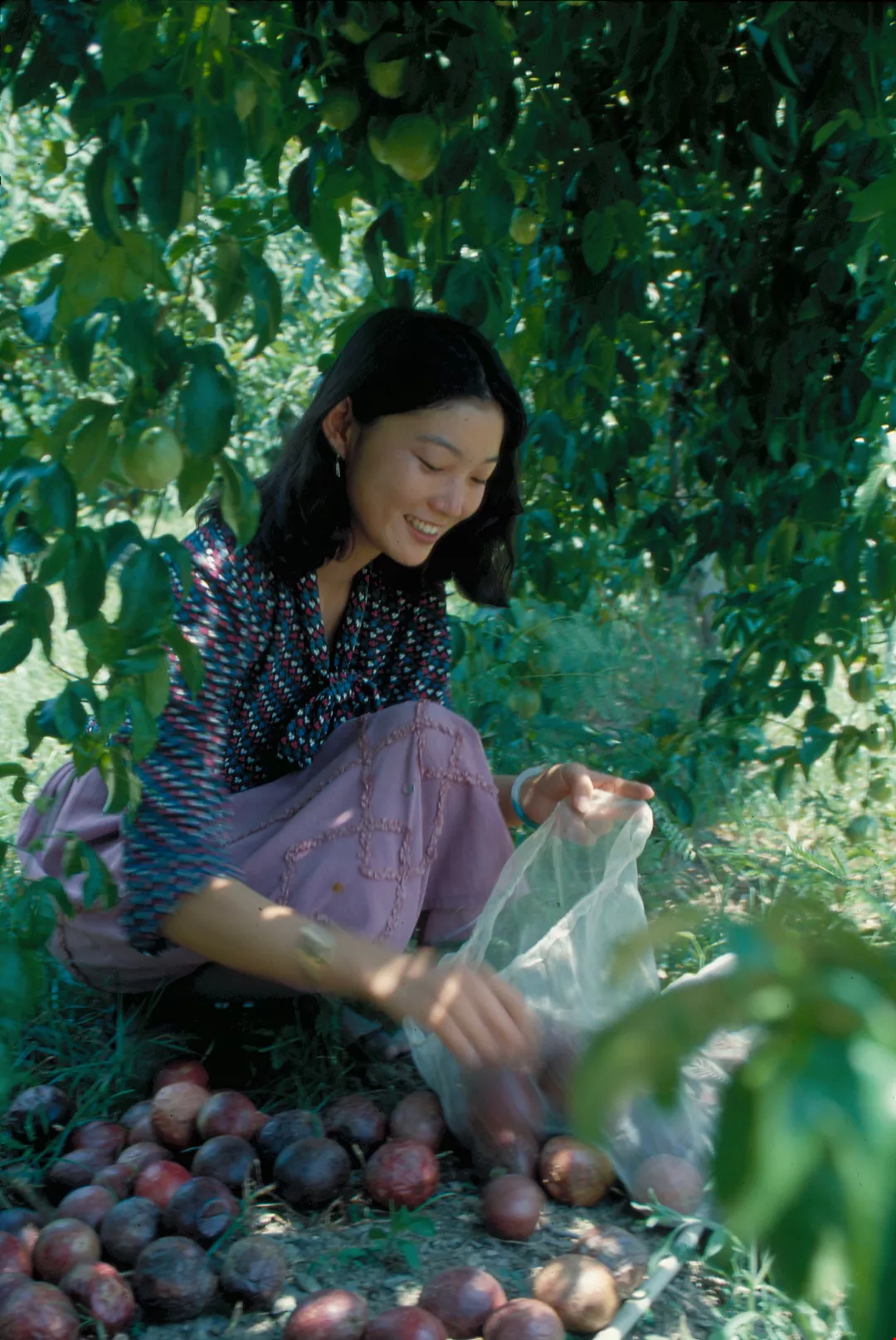
1. This young lady finds it a relaxed and pleasant pastime to gather the fruit.
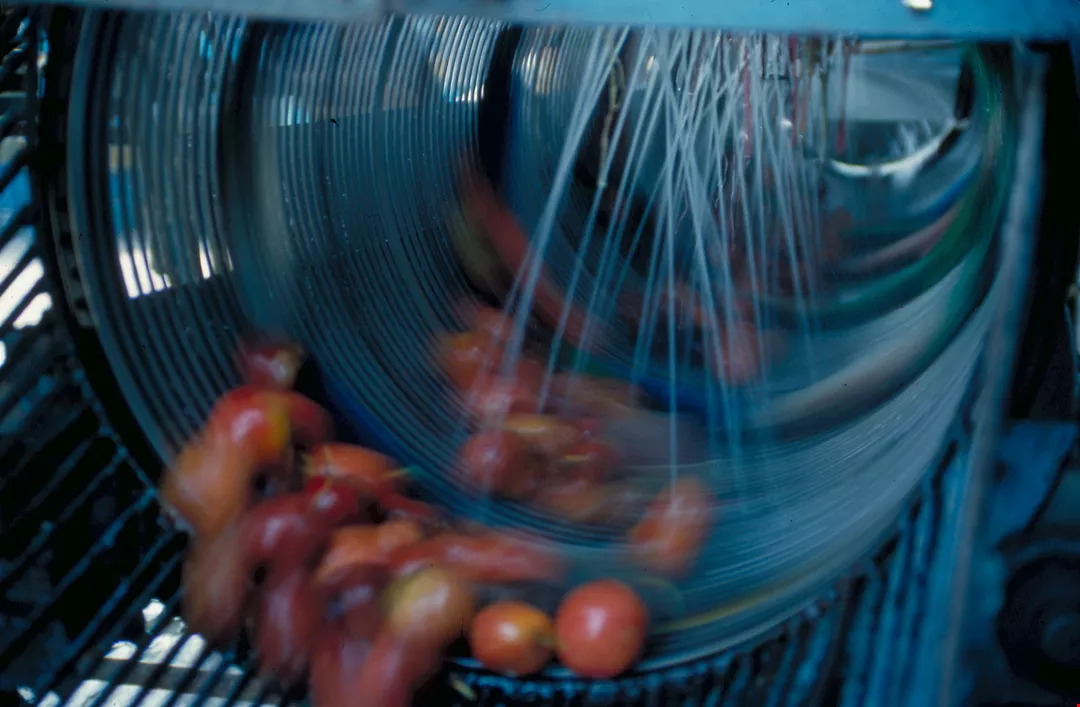
2. A machine used for washing the fruit.
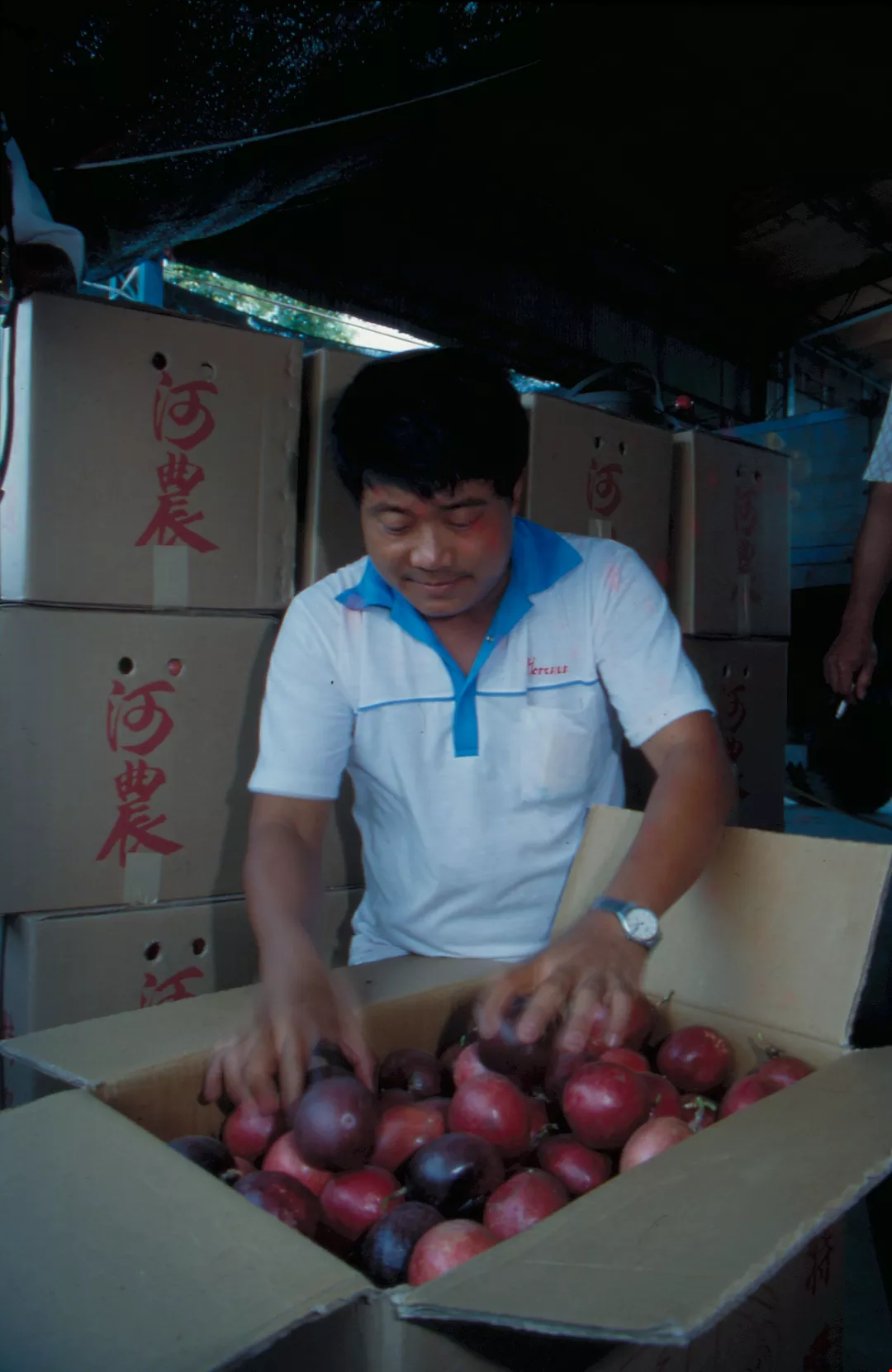
3. After packing, the fruit will be shipped to the market.
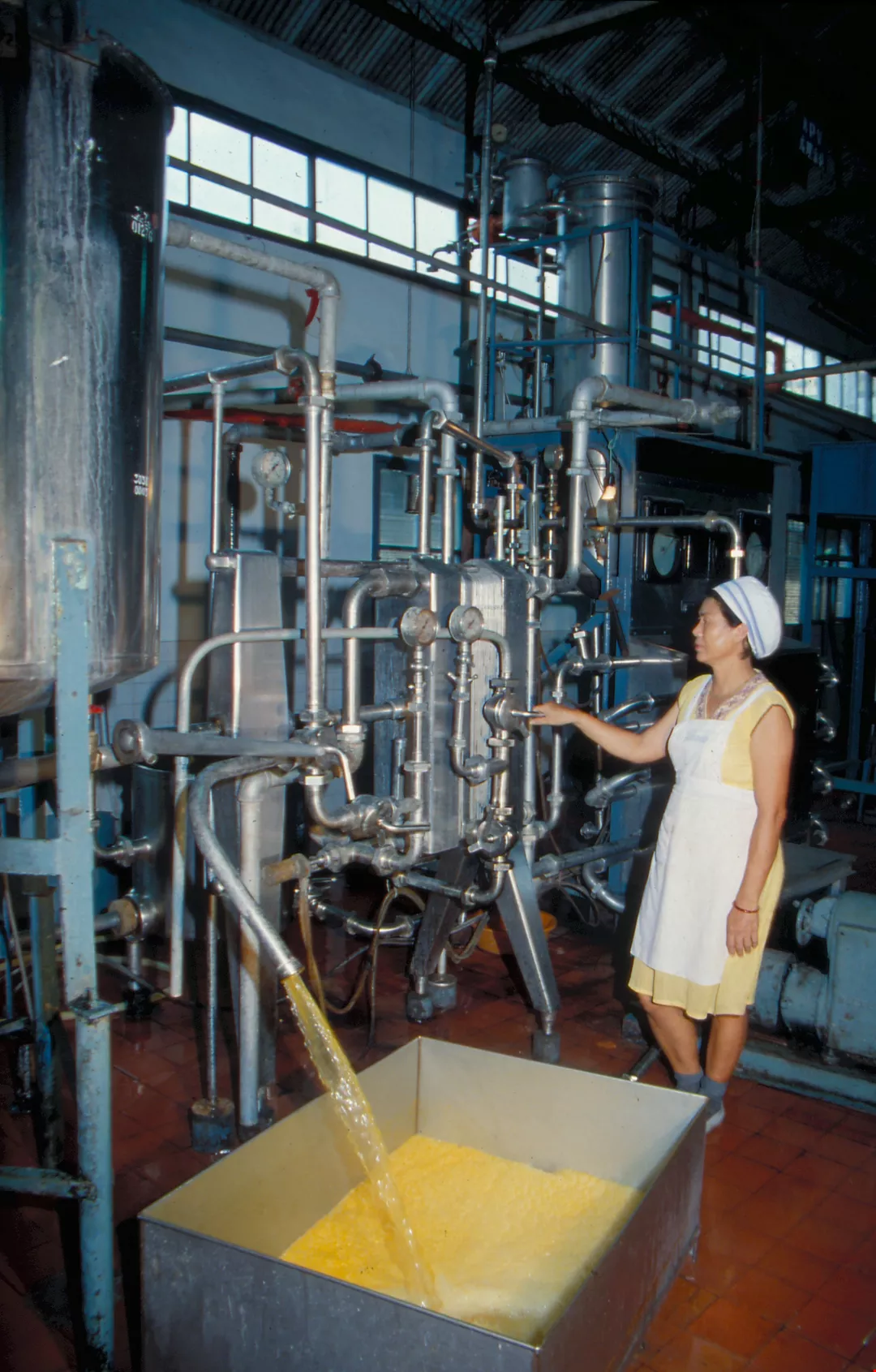
4. This juicer shows the automation of the Tai Tung Shing Yeh Company.


@List.jpg?w=522&h=410&mode=crop&format=webp&quality=80)


