The creative vitality of common people
When asked which of the temples he finds most interesting, Lai cites an island Earth God shrine in Touliao, a village in Taoyuan’s Daxi District. “Guess what? There wasn’t water there originally.” A small reservoir was going to be built there, but the Earth God didn’t want to move, so the local community raised the height of the plot of land on which the shrine sits and the reservoir was dug around it, creating a man-made island. The faithful can only reach the shrine by boat.
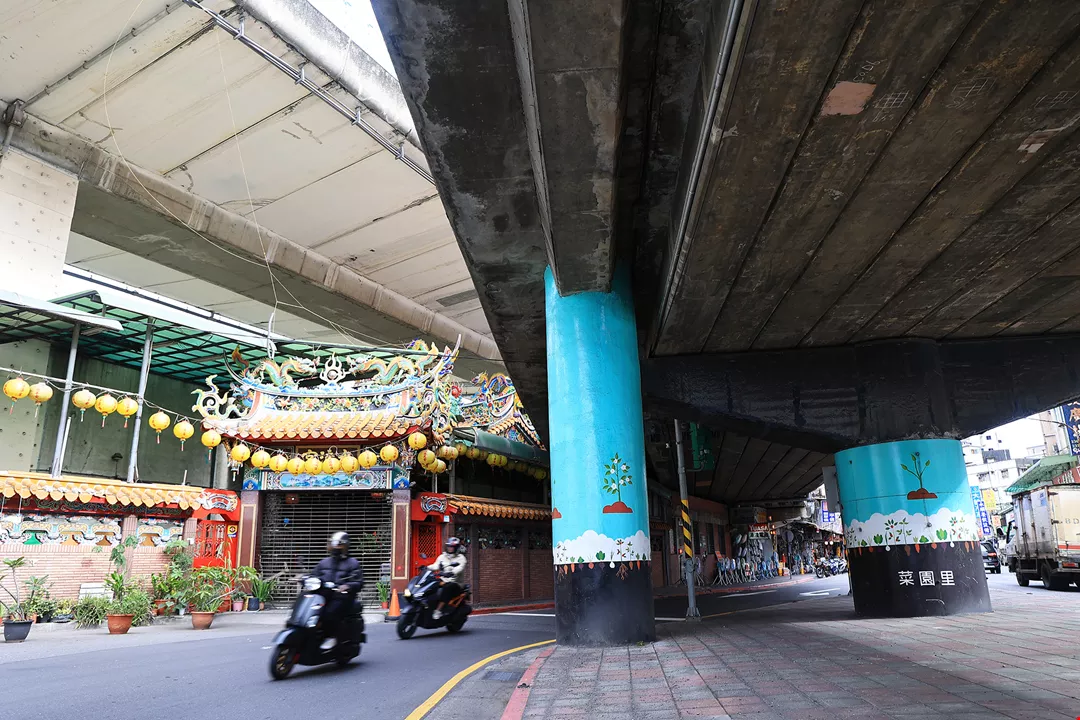
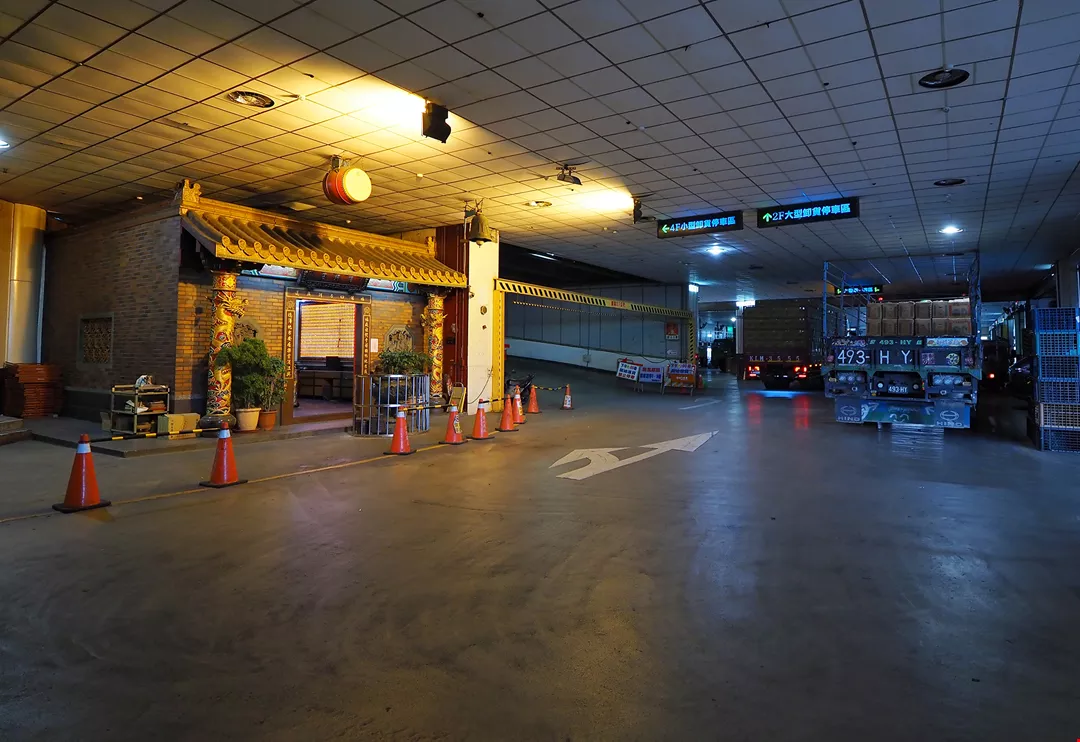
Space constraints within cities may prevent temples from expanding horizontally, forcing them to grow upwards instead. For example, the well-known Fazhugong Temple in Taipei’s Dadaocheng area, which has been rebuilt several times because of road widenings, now has its first floor elevated to allow traffic to pass underneath, and so belongs to the “overstreet” temple category.
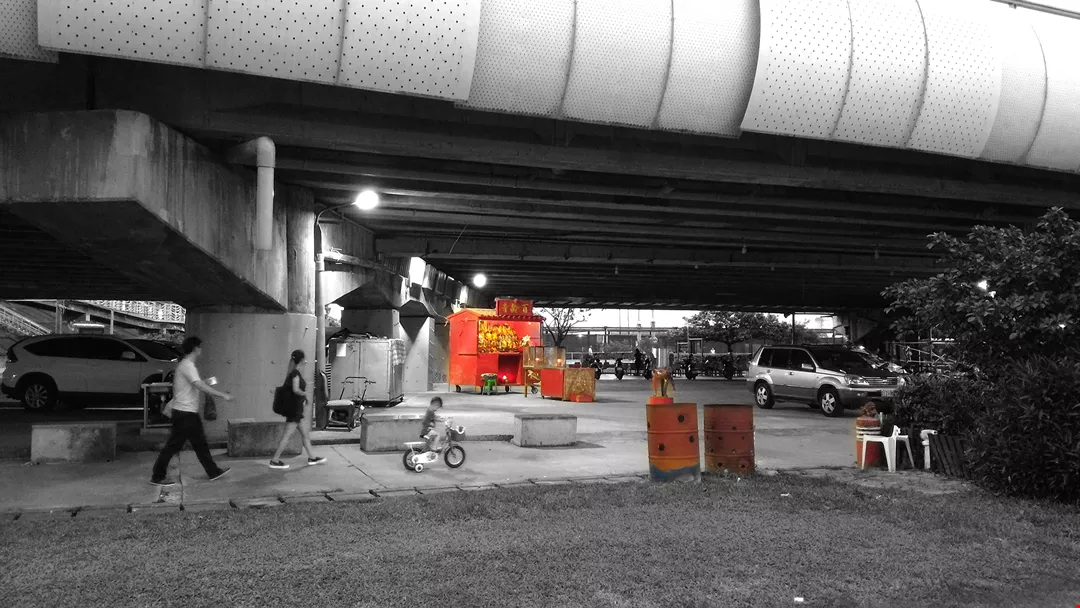
“These street temples are embodiments of the vitality and creativity of so many ordinary people.” Lai cites a “run-and-gun” and a “lift” temple on opposite banks of the Keelung River. Bailing Temple, a run-and-gun temple beneath the Bailing Bridge, has four wheels under it, like a night-market stand. “At first we thought these were for evading the police or city government enforcement officers. But then we discovered that wasn’t so: The wheels are for escaping floods.” When flooding is expected, the temple can be moved to higher ground.
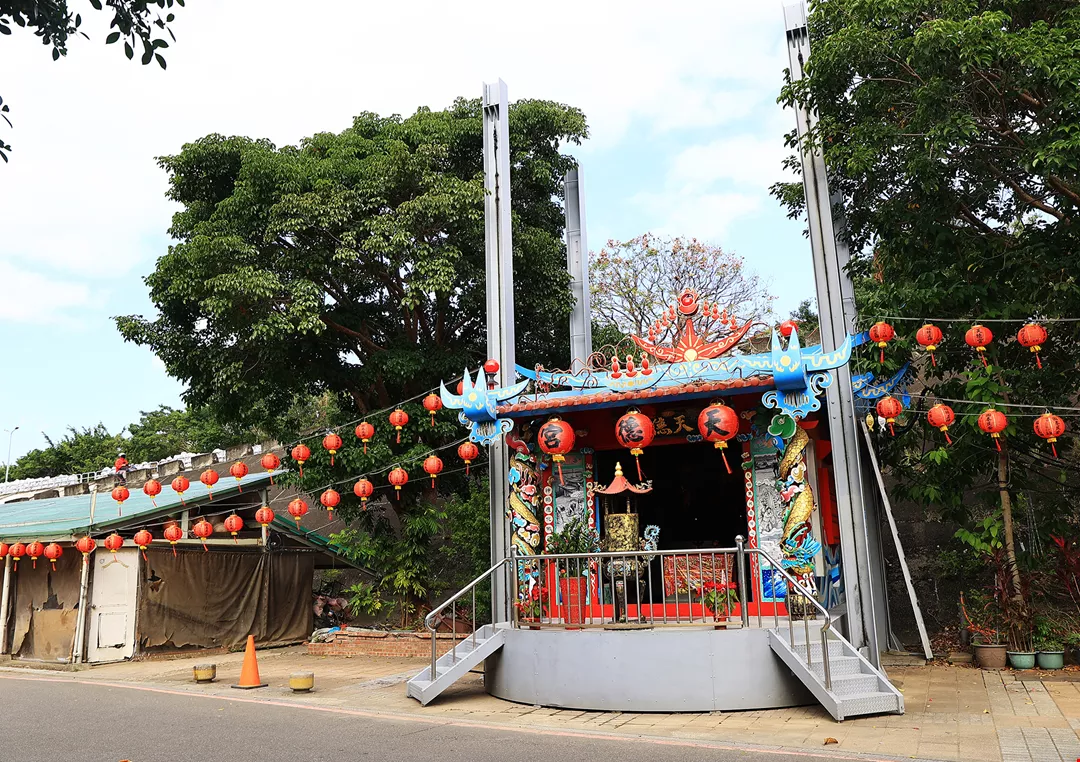
Tiande Temple, located in the Sanjiaodu community on the right bank of the river, is a “lift temple,” which uses technology to evade flooding by elevating as much as seven meters. Rather than being made of concrete, it is constructed of metal panels, which reduces its weight, so it can be lifted. Facing the same issue of flooding, the faithful on opposite sides of the river came up with different solutions. Isn’t that fascinating?
“The book was a way to collect and organize this information, but it’s not the culmination of our work. We hope to create a GIS [geographic information system] with it, linking it to tourism maps.” In that way more people can go look for these temples on their own.
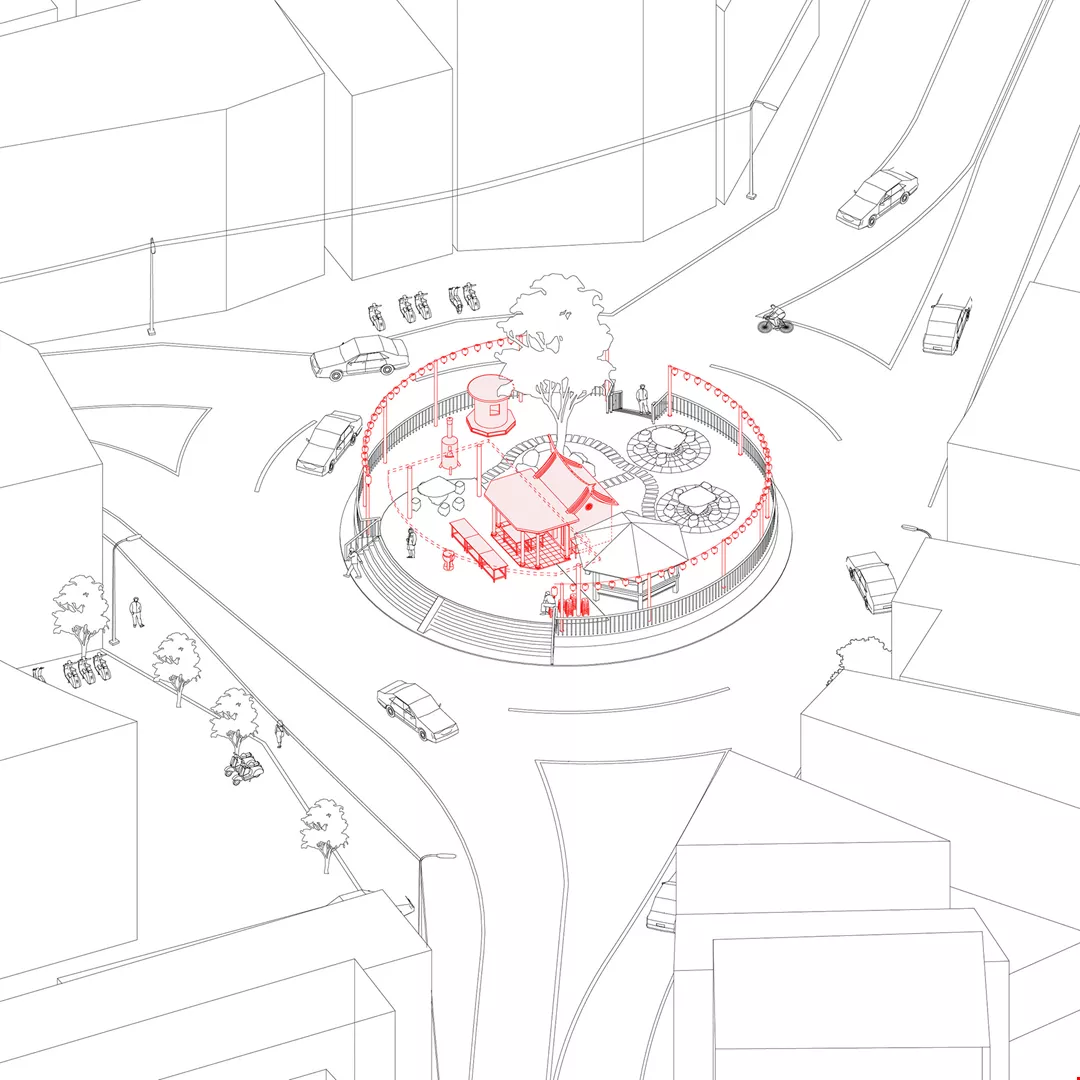
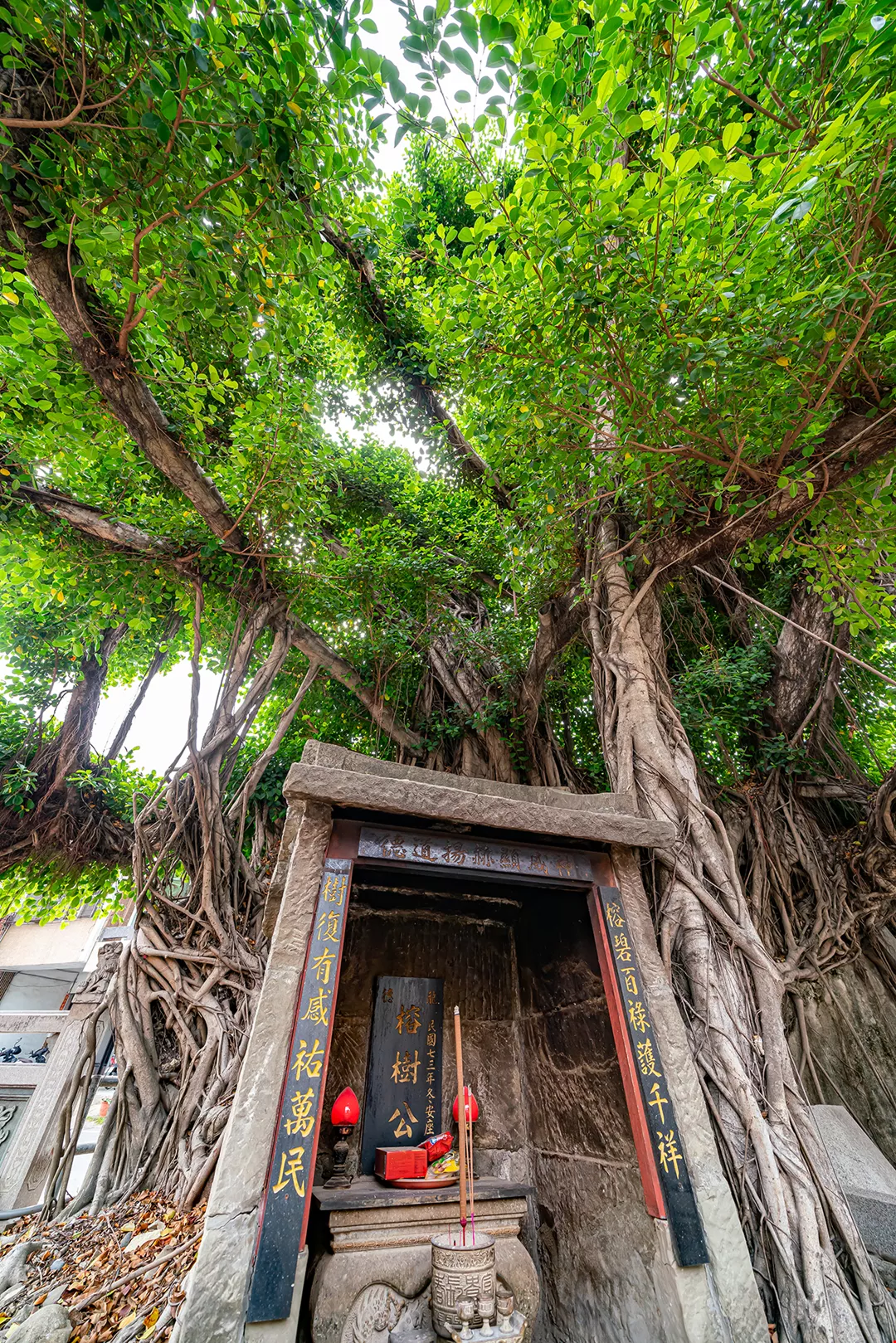
Fixtures in their neighborhoods, these temples can still be found offering their protection to believers young and old in odd corners all over Taiwanese cities. The enduring presence of these temples and the deities that they house bring the faithful peace of mind.
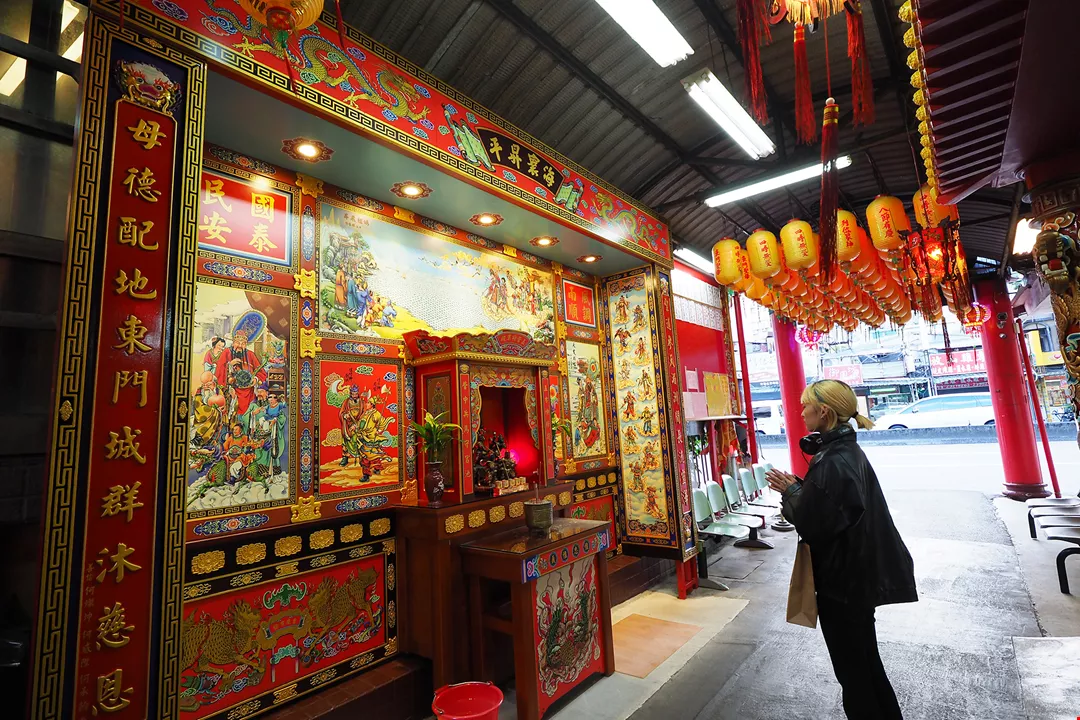
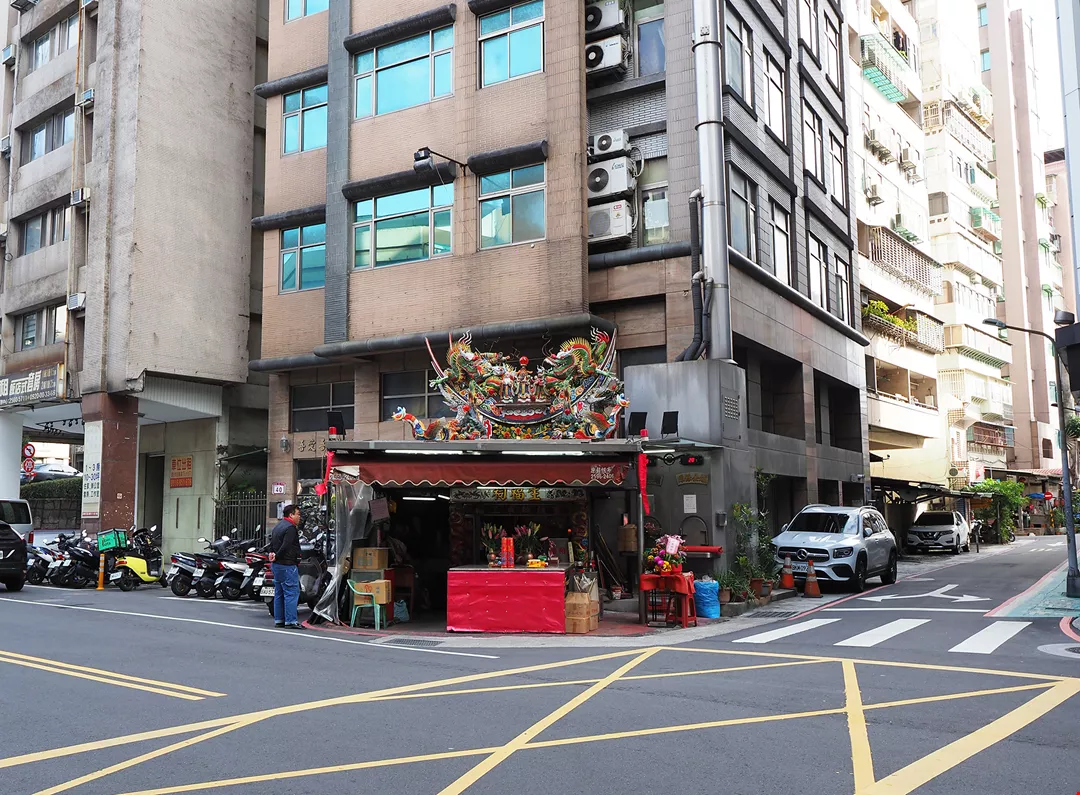
Classified as an “alley temple,” the Shenmu Temple in Taipei is a demonstration of how to make the best use of limited space in an urban environment.
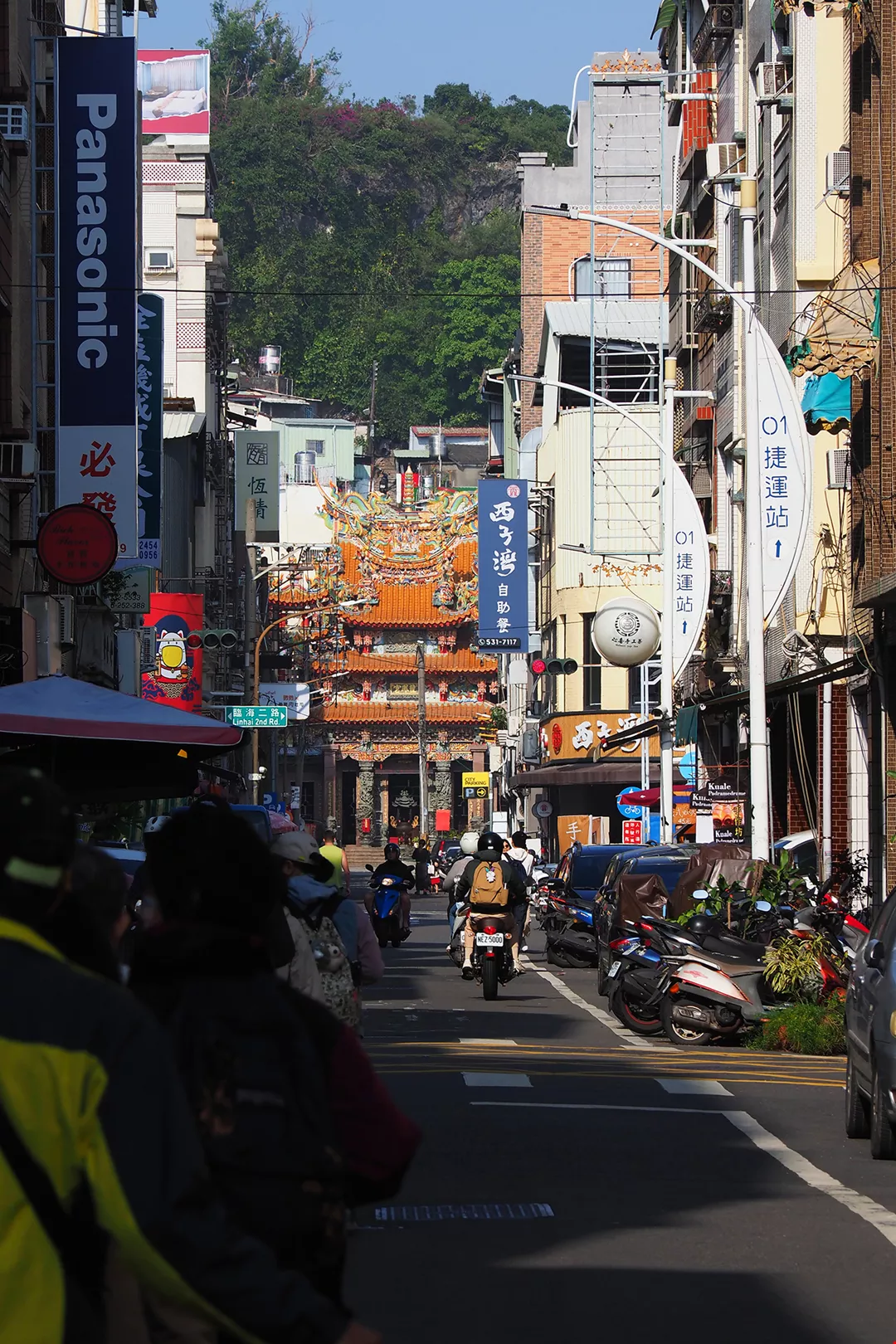
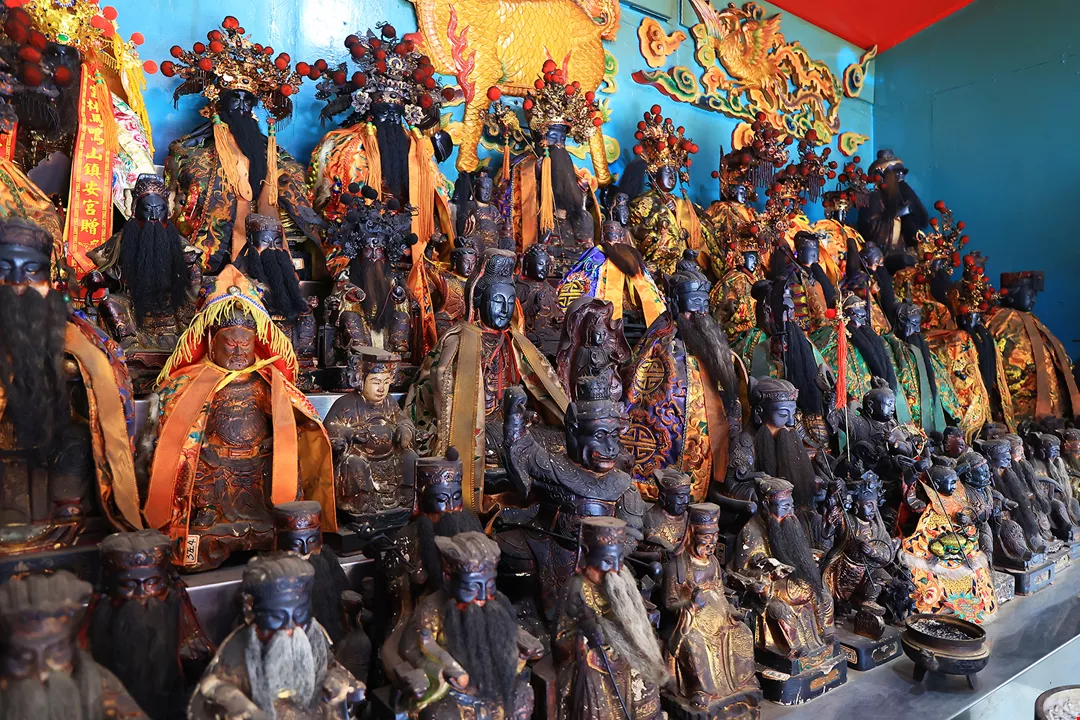
In Taiwan, temples are part of the scenery of daily life. Every day the faithful visit and have social interactions within them.