Food for Thought
Taiwan’s Nutritious School Lunches
Lin Hsin-ching / photos Chuang Kung-ju / tr. by Scott Williams
April 2013


Last May, nine-year-old British schoolgirl Martha Payne uploaded a picture of a Taiwanese elementary school lunch to her blog, where she gushed over its colorful, tasty appearance. Her comments have since propelled Taiwan’s nutritious and delicious school lunches into the global limelight.
Midday meals are served at 99% of Taiwan’s primary schools, and are, along with our National Health Insurance system, a point of national pride. Given the Westernization of our diets, these healthy, inexpensive meals are likely to be among the most balanced that kids eat on any given day.
Now in its 56th year, Taiwan’s school lunch program has long played an important role in providing for the health of our children while also changing with the times and adapting to suit local tastes.
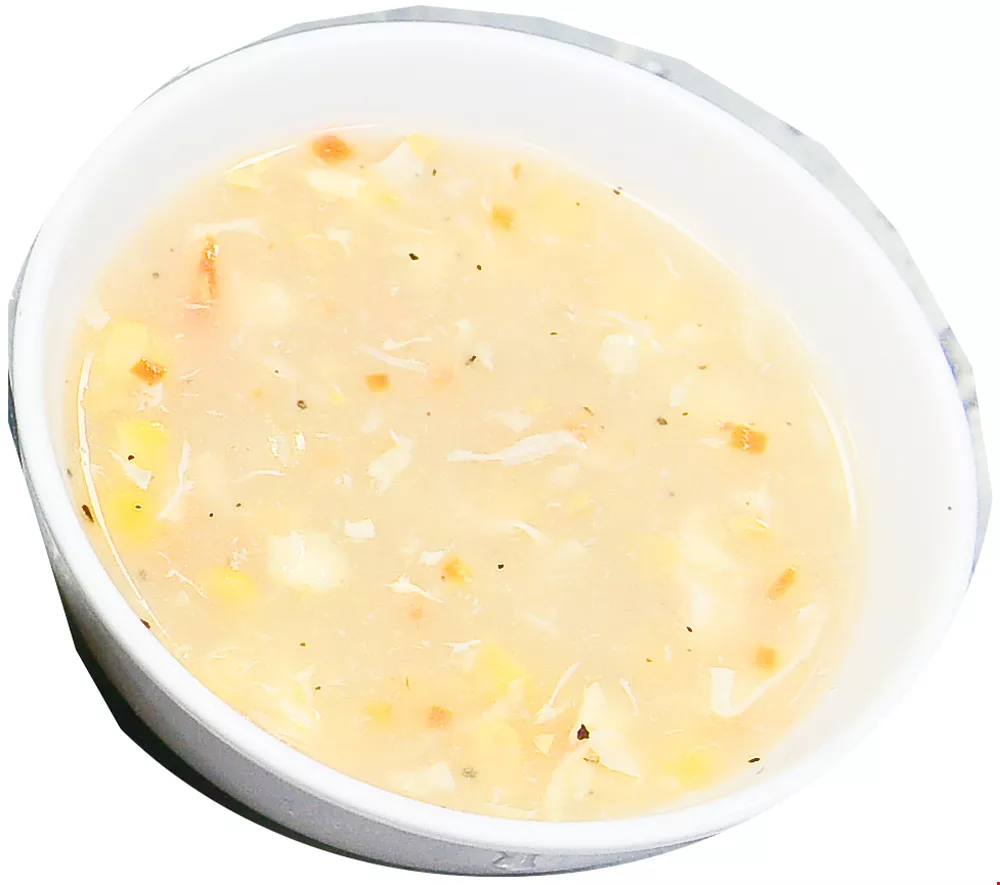
Nine-year-old Martha Payne’s interest was piqued by a photo of a school lunch that featured firm and juicy baby bok choy, winter melon with stewed tofu, hot and sour soup, scrambled eggs with onion and carrots, and fresh cherry tomatoes for dessert. The 698-kilocalorie meal that inspired Payne’s envy was served to the students at Chiayi’s Chiapei Elementary School.
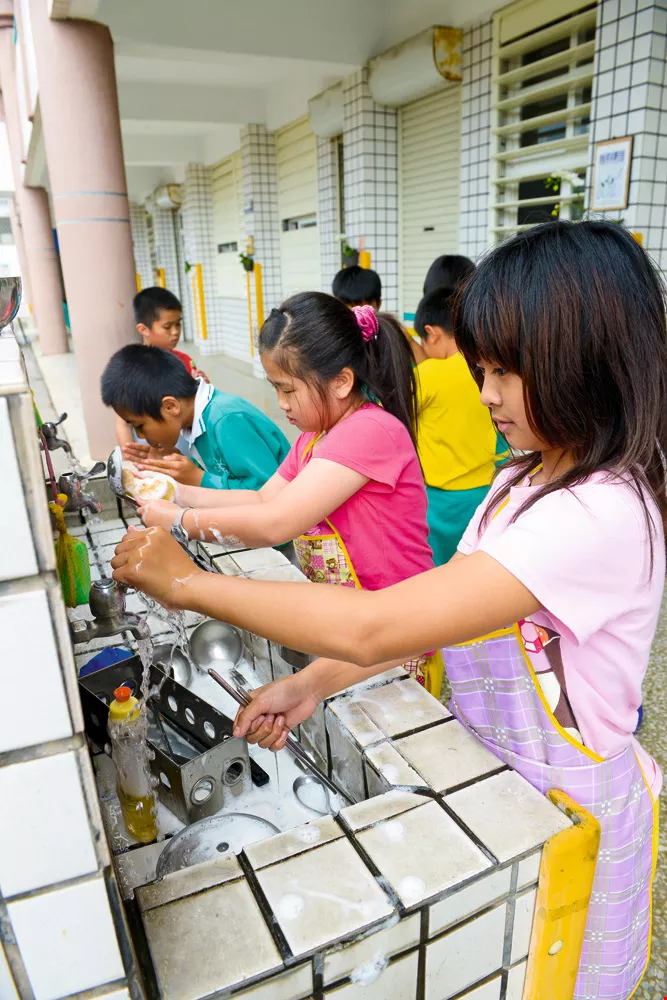
School lunches also prepare students for life. Serving meals teaches kids how to manage their health and fosters a spirit of service to others. Students even wash their own plates and bowls after lunch. The photos below and at right show Taitung’s Chenggong Elementary School.
Chiapei Elementary is quite large, with a student body and faculty totaling some 1,850 people, and its dedicated kitchen team is crucial to the creation of its delicious lunches. The eight-member team arrives at the school at 7 a.m. every day to ensure that the nearly 2,000 lunches they prepare are ready in time for their “customers.” The cooks quickly weigh out, examine, wash, and prepare their ingredients, then cook and lay out the dishes, with nary a wasted motion.
Head chef Yang Shumei has been here for 17 years and is constantly thinking about how to make vegetables more appealing to the kids.
Yang notes that many chefs overcook their vegetables, causing the leaves to become limp and yellow. To ensure that the veggies she serves are firm and green, she takes the extra time to blanch her greens before stir-frying them. She makes time for other little touches, too, like adding a bit of sugar to typically bitter mustard greens to make them more palatable to the kids.
Yang refuses to use artificial seasonings or processed meat products in the school’s kitchen. Instead, she makes her teriyaki and donburi sauces, and even her hamburger patties from scratch. She is such a skilled chef that her steamed eggs rival the chawanmushi from a fine Japanese restaurant.
And then there’s the price. Martha Payne may not know it, but Chiapei Elementary’s lunches cost just NT$32: about one-third of the price of school lunches in the UK. It would be impossible to produce a satisfying, nutritionally balanced meal with three dishes and a soup at such a low cost in the UK, with its much higher cost of living. In fact, even inexpensive restaurants here in Taiwan would have difficulty doing so.
But it isn’t only Chiapei Elementary that’s producing such inexpensive, high-quality meals. In fact, nearly all of Taiwan’s 2 million elementary school students enjoy access to such meals.
According to the Ministry of Education (MOE), 99% of Taiwan’s 3,344 public elementary and middle schools provide lunches, and the majority of their students, excepting those with special dietary needs, take advantage of them.
Prices for these lunches are set by local governments and generally run NT$30–55 per meal. Disadvantaged children, such as those with disabilities, from low or middle-income families, or whose families have suffered some kind of misfortune, receive their lunches free of charge. Kinmen, Matsu, Hsinchu City and County, Miaoli, Changhua, Nantou, and Hualien provide school lunches free of charge to all students, regardless of family income.
But regional differences in transportation and ingredient costs mean that school lunches get more expensive the further north in Taiwan you go. For example, Taipei’s middle-school students pay NT$55 per lunch.
Does a more expensive lunch mean a better lunch? Not necessarily. By and large, it’s the less expensive school lunches in central and southern Taiwan that are being praised. Complaints are much more common in the pricier urban north, where several school principals in New Taipei City were even involved in a school-lunch bribery scandal. But why are there so many more complaints about school lunches in the north?
It comes down to how school lunch systems are run. Taiwan’s school lunch programs are currently operated in one of three ways: public facilities and operations, public facilities with private operations, and private facilities and operations. Under the first arrangement, schools have their own onsite kitchens that they staff and manage themselves. Under the second, schools have an onsite kitchen, but it is staffed and operated by a contractor. Under the third, a vendor prepares meals at its own offsite facility, then delivers those meals to all the schools with which it has a contract.
According to the MOE, roughly 70% of Taiwan’s public elementary and middle schools currently have their own kitchen facilities; 10% utilize a “satellite kitchen” system wherein a school with a kitchen prepares meals for nearby schools that lack them; and the remaining 20% take delivery of meals provided by outside contractors.
The 20% that contract out their lunch service tend to be concentrated in northern Taiwan, where campuses are more cramped. For example, 82 schools in Taipei City (41% of the total) and 177 schools in New Taipei City (63% of the total) have contractors prepare and deliver their lunches.
In central and southern Taiwan, campuses are larger and schools are more likely to have their own kitchens. For example, some 224 schools in Tainan City (roughly 80% of the total) and all 28 schools in Chiayi City have their own kitchens. Even in highly urbanized Kaohsiung, only 28 schools (8%) utilize outside contractors.
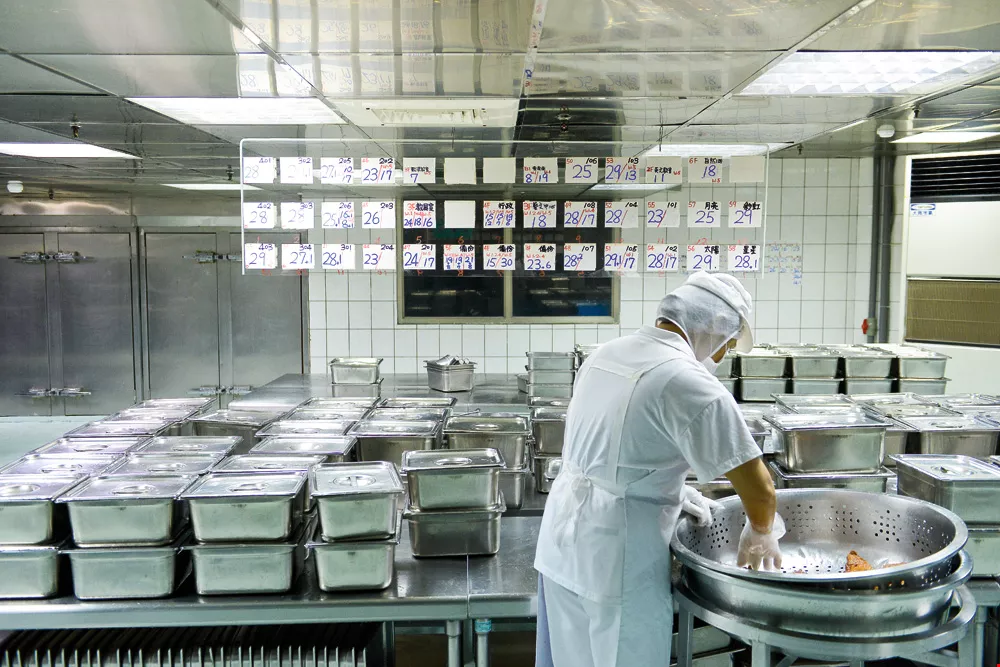
Taipei City’s cramped campuses mean that only 20% of schools have their own kitchens. The photo shows the excellent kitchen facilities at Nanhu Elementary School.
Perhaps not surprisingly, the key to high-quality school lunches turns out to be schools having their own kitchens.
According to Linda Chin, president of the Taiwan Dietitian Association, schools that have their own kitchens have an in-house dietician or administrator supervising the production of their lunches. Those that use offsite contractors have less control over the quality of meals and must also pay for transportation and cover the contractors’ profits. As a result, such schools’ meals are more expensive, but less fresh and less varied.
Large contractors serving several schools produce thousands to tens of thousands of lunches per day and have to begin work on them as early as 4 or 5 a.m. Chin notes that the flavor of even a tasty, well prepared dish will deteriorate when it sits for hours.
A second issue is that these contract meal providers are selected on the basis of bids. This bidding process sometimes becomes corrupted, compelling contractors to pay kickbacks, then make back their money by serving lower-quality food.
Another issue is that bid-winning contractors have a vested interest in generating high volumes. To increase the number of lunches ordered, they often cater to students’ tastes at the expense of their health. One large New Taipei City vendor admits that his company’s orders skyrocket, sometimes by as much as 10,000 lunches, whenever it puts boba tea, chicken nuggets, sesame seed balls, or French fries on the day’s menu.
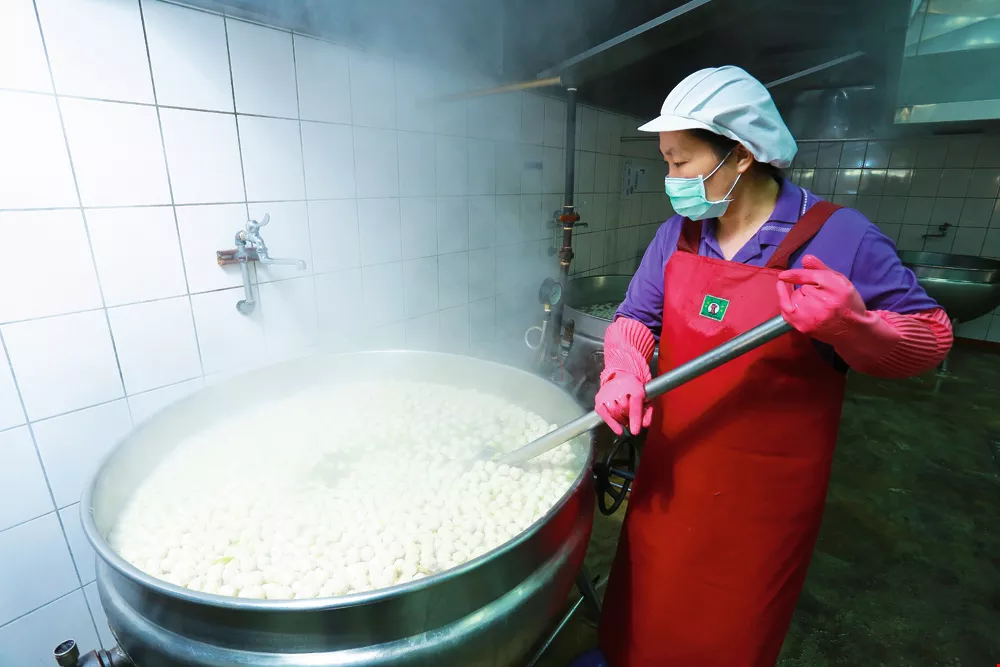
A worker in the kitchen at Tainan City’s Dawan Elementary prepares a soup made with locally sourced milkfish balls.
Recognizing the many problems with outside contractors, last year the MOE created a program that subsidizes the establishment of kitchens at schools which lack them. The MOE’s goal is to have kitchens in 90% of our elementary and middle schools within five years.
Lin Teng-jiao, New Taipei City’s education commissioner, admits that this will be difficult to achieve, noting that schools have limited space on campus. He adds further that building kitchens is expensive, estimating that it would cost New Taipei City at least NT$3.5 billion to install kitchens in all 177 of its schools that currently utilize lunch contractors.
New Taipei City’s approach to improving the quality of its lunches has instead been to seek systemic reforms.
In the 2012 academic year, New Taipei City adopted a “group” bidding format for school lunches whereby the city government clusters three to five schools in close proximity to one another and solicits collective bids for all of them. It also increased the number of persons on the selection committee, raised the standard for their qualifications, and eliminated the “creative feedback” provision from its model contract. These reforms have eliminated exploitable gray areas and enabled schools in the groups to engage in collective oversight.
Inspired by Mayor Eric Chu, New Taipei City’s Departments of Education and Agriculture began working together two years ago to get schools with their own kitchens to serve organic vegetables once a week. The effort, aimed at providing healthier food to kids, now involves 103 schools and benefits some 56,000 students.
Beginning in September 2013, the “weekly organics” policy will be extended to all New Taipei City’s 280 elementary and middle schools, including the 177 schools that contract out their lunch service. The city government will cover all of the program’s roughly NT$60 million cost, and estimates it will benefit some 346,000 students. It further estimates that the program will consume roughly 34.6 tons of organic produce per week, or about 60% of the volume produced in Taiwan.
Liao Jung-ching, commissioner of the New Taipei City Agriculture Department, believes that steady demand from the schools will act as an incentive to farmers, leading to more pesticide-free farming and further changes to Taiwanese agriculture.
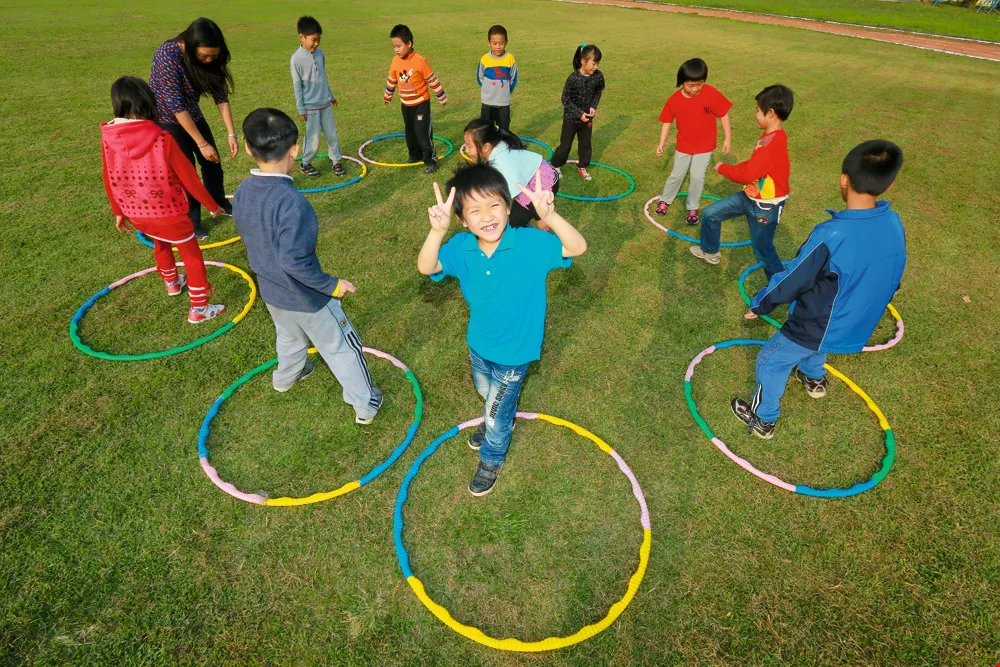
As a society, we share responsibility for providing our kids with healthy childhoods.
In central and southern Taiwan, where school lunches are already quite good, the focus is on taking them to another level.
For example, Chiayi City, where every school has its own kitchen, is moving towards making its lunches free to all students. Chiayi deputy mayor Lee Shi-jin argues that providing free lunches to students of all income levels is worthwhile because it eliminates any stigma associated with receiving the meals.
Last year, Tainan mayor William Lai, a medical doctor, promoted passage of a set of regulations governing school lunches. The regulations, aimed at promoting student health, are the first addressing management of school lunches to be passed by a local legislature.
One of the most interesting of the regulations calls for incorporating local sourcing of ingredients into lunch standards. Wu Guomin, director of the Tainan City Education Bureau’s Health and Physical Education Section, says that schools should be purchasing lunch ingredients as near at hand as they can. For example, schools in the Liuying District should give preference to ingredients from Liuying before working their way outward to Yanshui, Xinying, and finally greater Tainan.
On the other hand, since Tainan isn’t a major producer of leaf vegetables, increasing the proportion of local ingredients in school lunches will require a careful calculation of demand and the signing of farmers to production contracts. It’s also going to require certification and labeling of local agricultural, aquacultural, and livestock products. The regulations are being implemented in stages that call for steady increases in the proportion of ingredients sourced locally. The current stage has a target of 10%. The policy’s positives include a reduction in food miles and increased support for local farmers.
A number of Tainan City schools had already implemented similar policies for themselves before the legislation passed. For example, the Dawan, Sancun, Xishi, Longtan, and Fuxing Elementary Schools in the city’s Yongkang District formed a consortium that bought ingredients in bulk and prioritized local sourcing.
These five schools price their lunches at NT$28 per meal. After accounting for labor and other expenses, this leaves just NT$18 per meal for ingredients. Nonetheless, the schools manage to regularly feature expensive items such as salmon, cuttlefish, crucian carp, pork knuckles, milkfish skin, and lotus seeds (the latter two being locally sourced) on their menus. They even offer a “monthly milk” to provide students with a calcium supplement.
Yang Qinglan, Dawan’s principal, says that the five schools have some 5,000 students and faculty in total, enabling them to enjoy economies of scale in terms of pricing and to buy the best ingredients at the lowest cost.
From Taiwan’s tip to its tail, school lunches have long since become a regular part of campus life, one that delivers a variety of social benefits in addition to helping students maintain a healthy diet.
Producing healthy lunches requires the cooperation of local leaders, school principals, dieticians, kitchen workers, and outside meal contractors, not to mention high-quality ingredients. In a sense, these meals reflect our hopes for the future. After all, the food we serve our children today is the foundation of our economic competitiveness tomorrow.
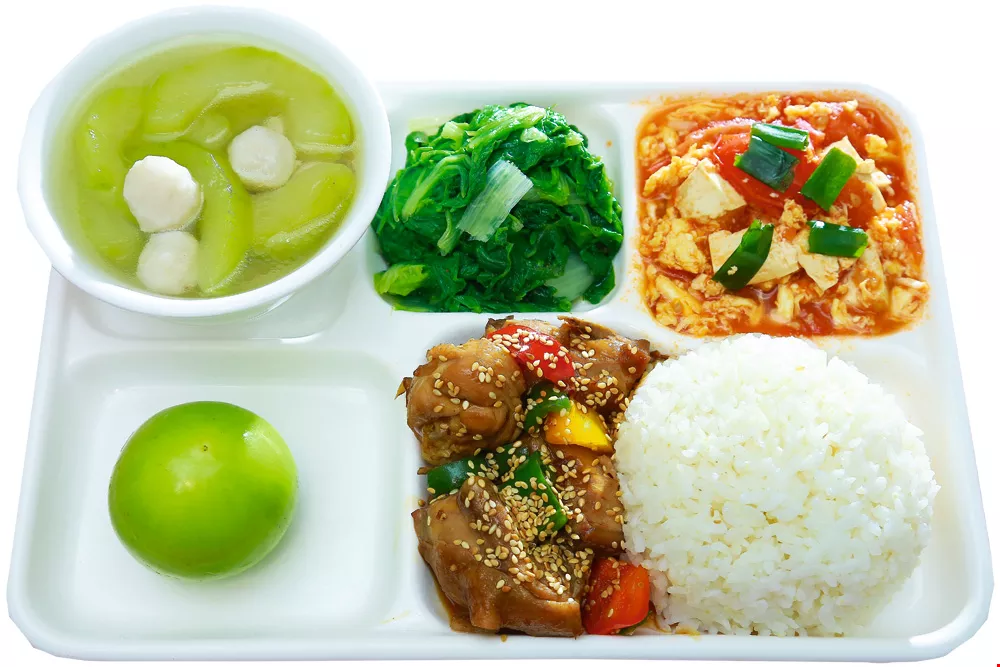
A school lunch from Chiayi’s Chiabei Elementary School, the school whose lunches caught the attention of UK schoolgirl Martha Payne.
Our children’s meals are among the best indices of the enormous social changes Taiwan has experienced over the last 60 years.
In the early 1950s, Taiwan’s economic development was lagging behind other nations and many of our children were poorly nourished. In 1951, the United Nations Children’s Fund (UNICEF) donated powdered milk intended as a nutritional supplement to 151 elementary schools all over Taiwan, introducing the concept of “nutrition” to our campuses for the first time.
But the history of school lunches in Taiwan really gets underway in 1947, when the education department of the Taiwan Provincial Government began providing lunches to students at five Aboriginal elementary schools in Pingtung and Taoyuan Counties using food items donated by Christian relief organizations in the United States. The number of schools offering lunches grew from that time on.
In those days most lunches were provided free of charge, with the ingredients provided and costs covered by the United States or the UN’s Food and Agriculture Organization. In addition to keeping students from going hungry at lunchtime, the lunches added nutrition to students’ diets, with the result that they came to be known as “nutritious lunches.”
Taiwan’s international position worsened throughout the 1970s and much of the aid it had previously received dried up, compelling the government to handle the provision of school lunches on its own. Fortunately, these changes coincided with Taiwan’s “economic miracle.” As parents became more capable of bearing the cost of their children’s lunches, schools began charging for them.
In the 1980s, it became more common for both parents to work outside the home. With less time to prepare their children’s lunches, increasing numbers of parents relied on schools to provide them.
Over the last decade or so, Taiwan’s diet has become increasingly Westernized, causing our children to gain weight. In an effort to address the problem, the MOE in 1997 promulgated school lunch standards requiring explicit proportions of items from the various food groups. These standards also specify the caloric content of the lunches: 650–750 kilocalories for elementary-school meals and fewer than 850 for middle-school meals.
In 2002, the Legislative Yuan enacted the School Health Act, which requires that schools with 40 or more classes have a dietician on staff to oversee lunch menus. Nowadays, school lunches are more than simply supplements to students’ diets; they also aim to promote healthy, balanced eating habits for life.
(Lin Hsin-ching/tr. by Scott Williams)
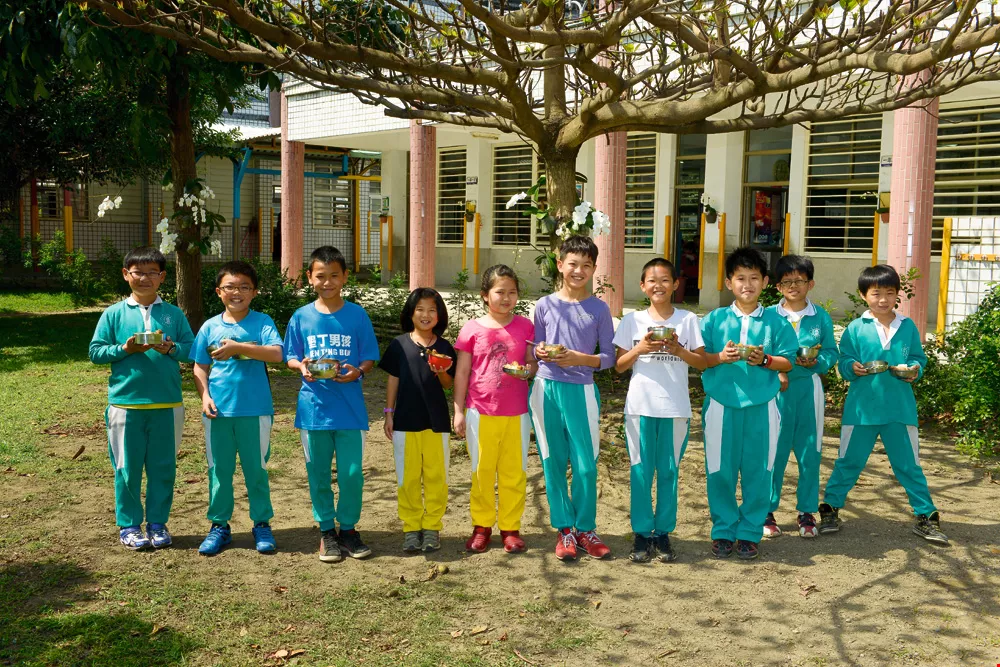
Balanced, satisfying school lunches are one means of ensuring that our children grow up healthy and strong. The photo shows students on the campus of Taitung County’s Chenggong Elementary School.
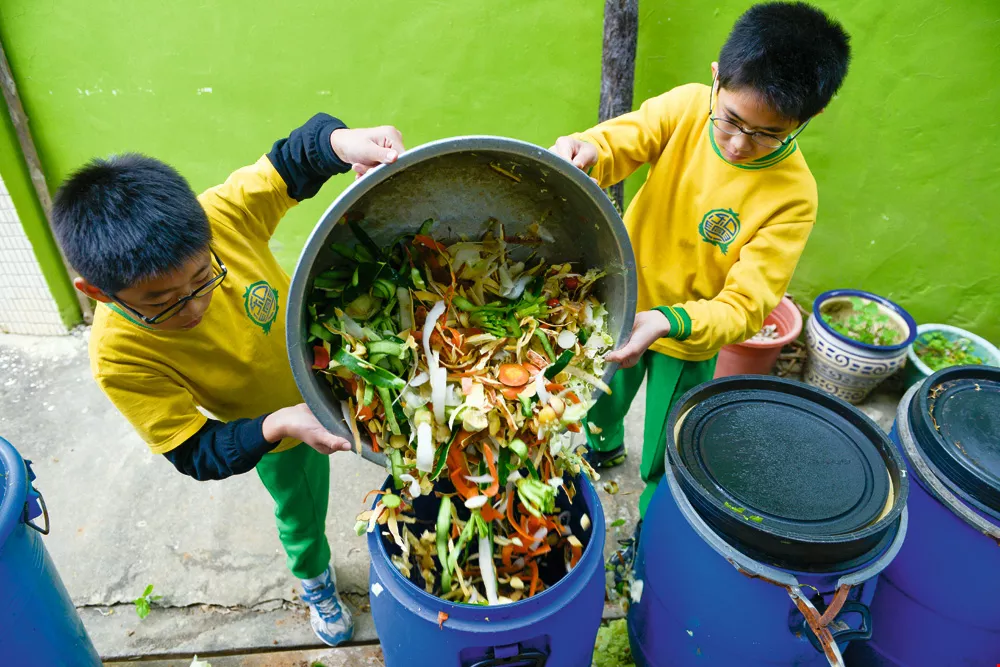
Hsinchu County’s Hexing Elementary School uses fruit and vegetable waste from school lunches to create organic compost.
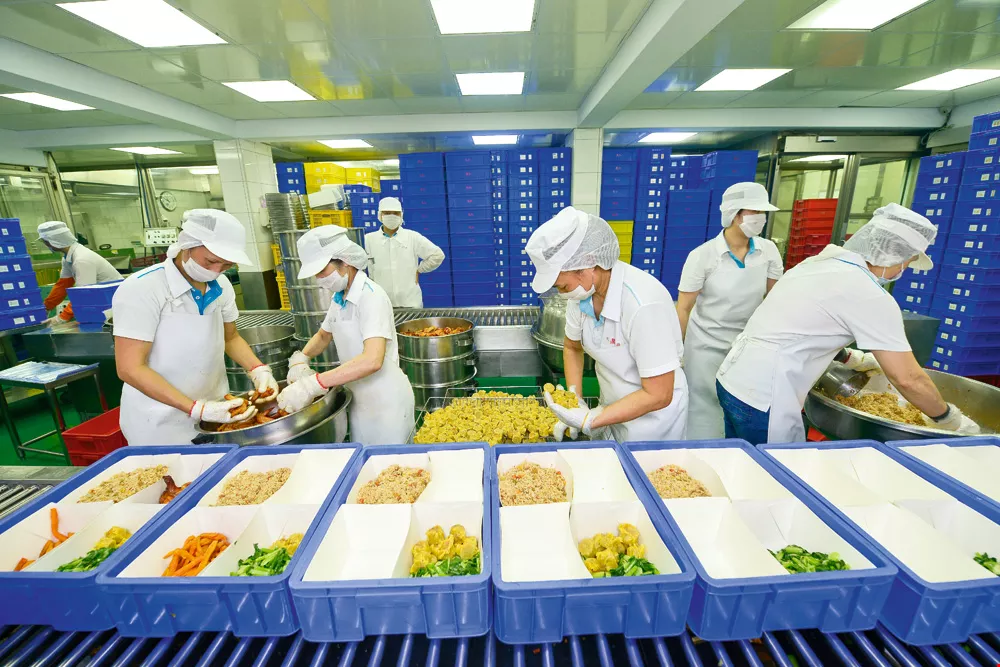
Outside contractors tend to prepare more meals than school kitchens and have to start work very early to get them all done.
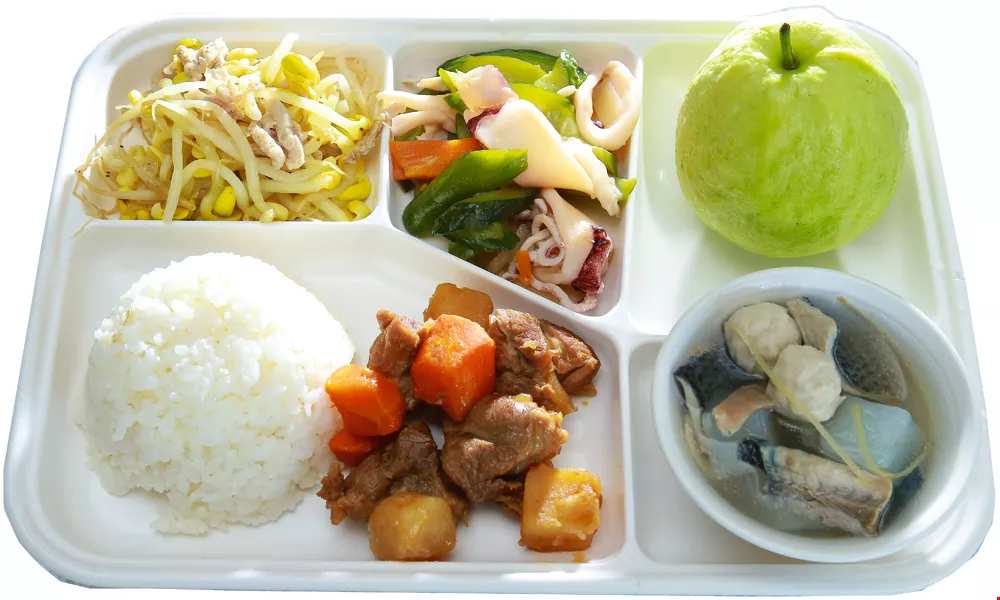
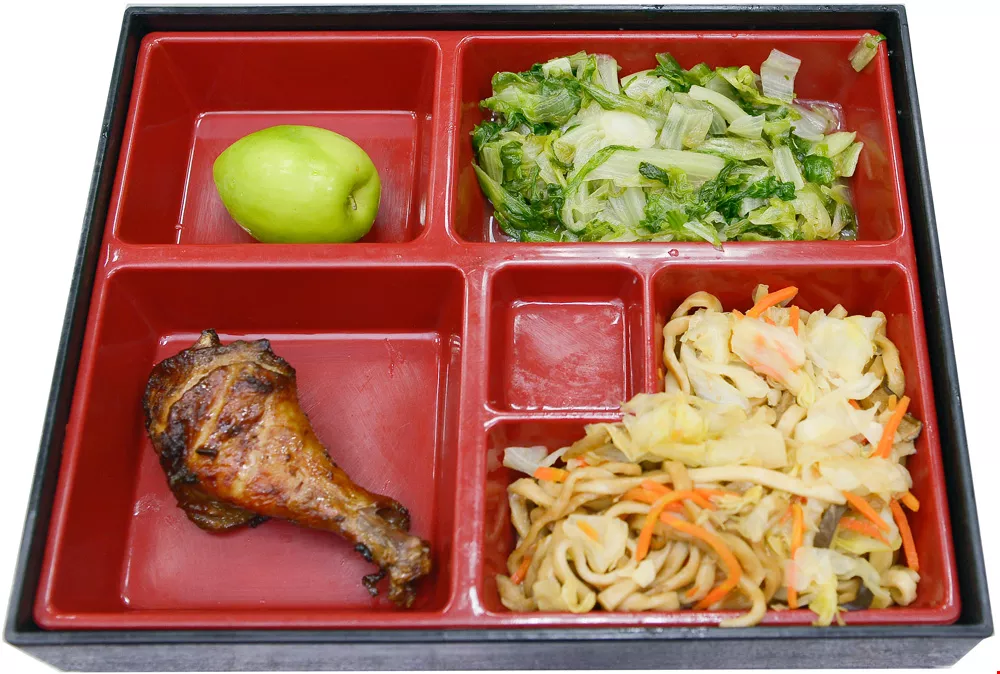
Taiwan’s school lunches offer a great variety of dishes at a bargain price, encouraging the kids to tuck in.
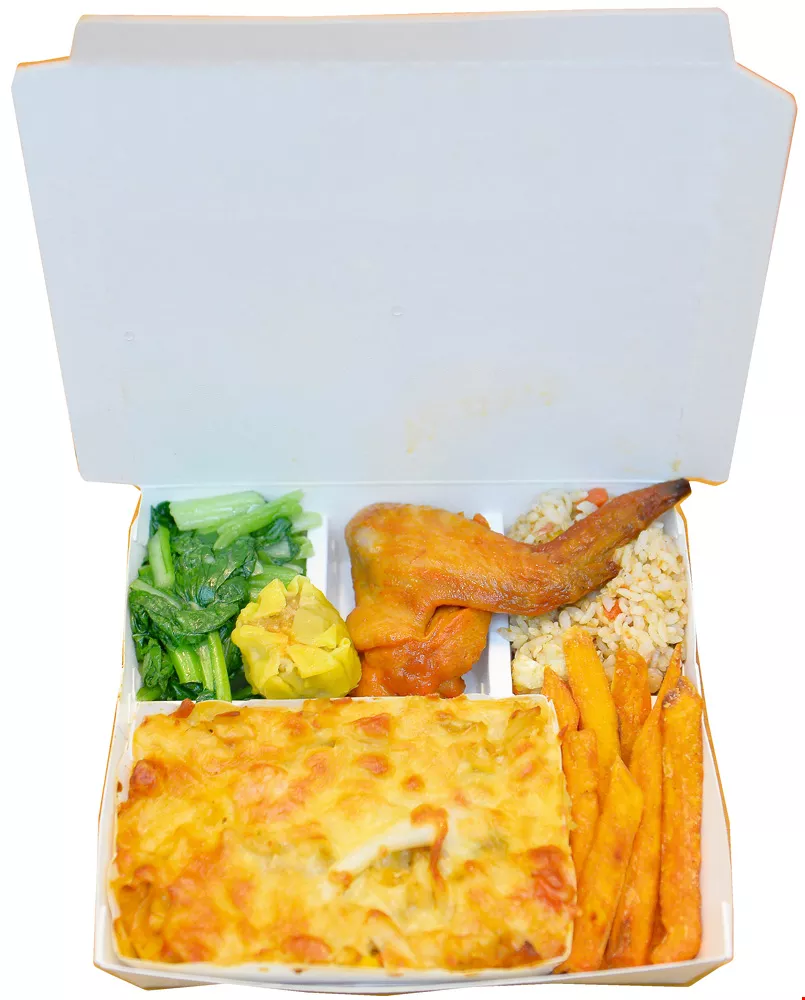
Taiwan’s school lunches offer a great variety of dishes at a bargain price, encouraging the kids to tuck in.
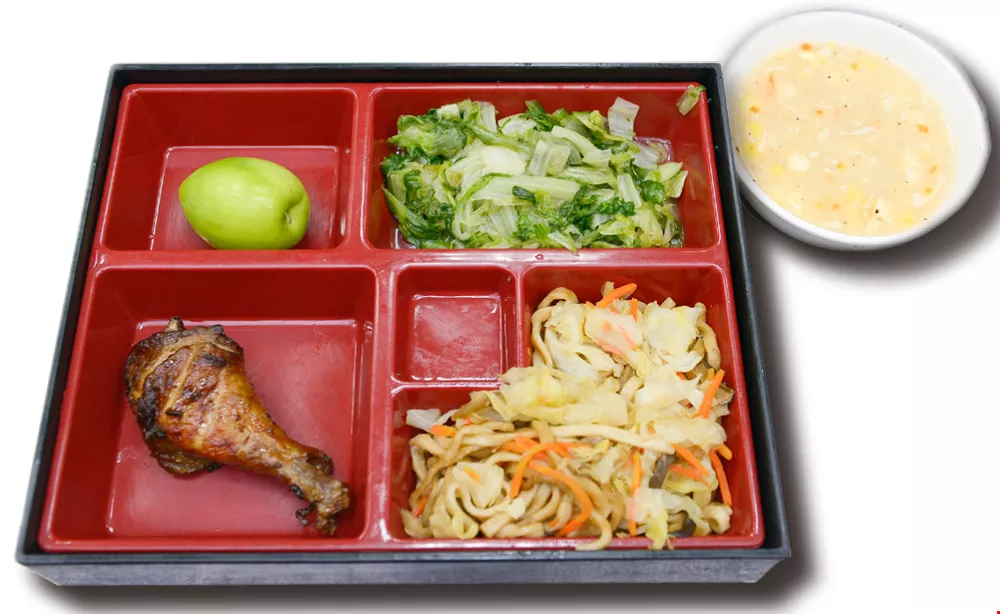
Taiwan’s school lunches offer a great variety of dishes at a bargain price, encouraging the kids to tuck in.
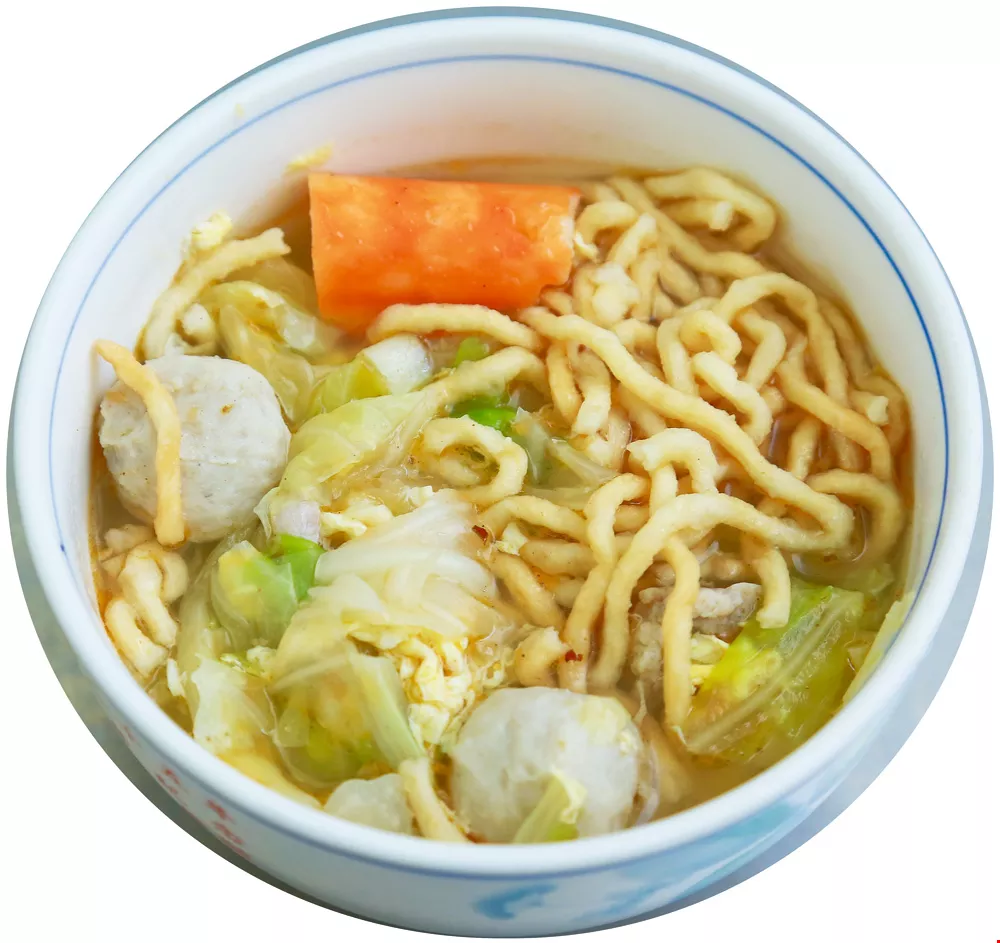
Taiwan’s school lunches offer a great variety of dishes at a bargain price, encouraging the kids to tuck in.
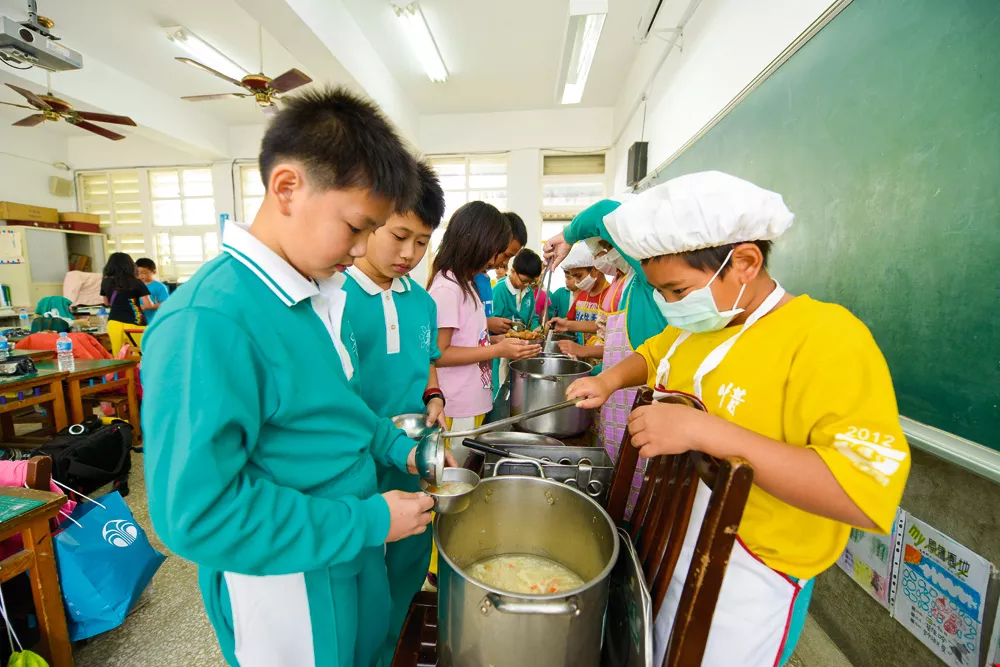
School lunches also prepare students for life. Serving meals teaches kids how to manage their health and fosters a spirit of service to others. Students even wash their own plates and bowls after lunch. The photos below and at right show Taitung’s Chenggong Elementary School.
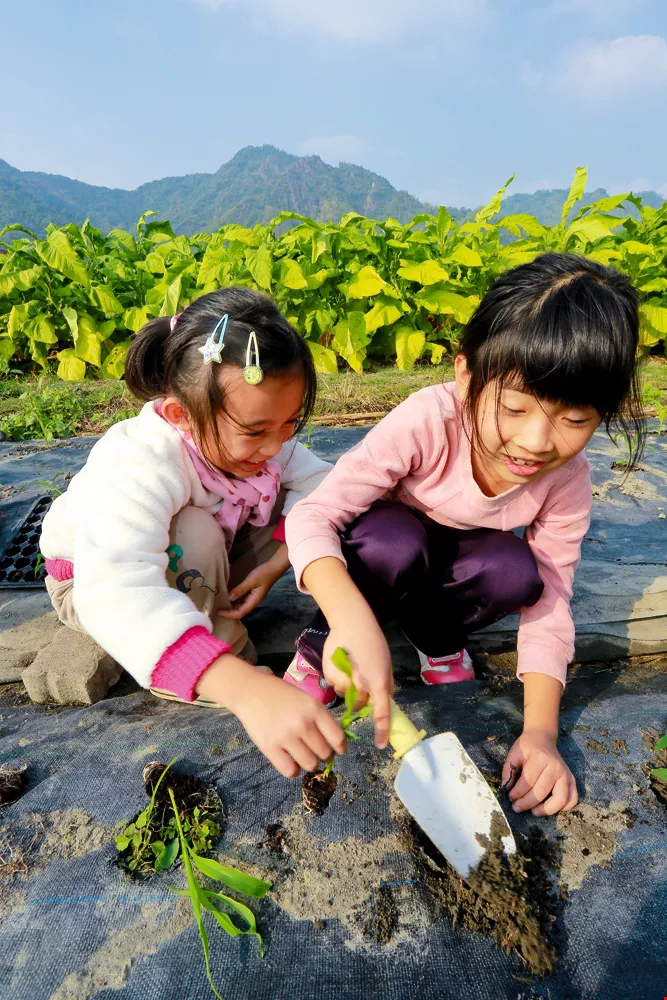
Kaohsiung City’s Fu-an Elementary School is growing vegetables and rice on a leased field. Teaching students about food and farming helps them learn to prepare food for themselves and makes them more appreciative of the work farmers do.


