Rebuilding Trust in the Media --Yin Yun-p'eng Talks About Ethics in Journalism
Clair Teng & Chrissie Lu / photos Vincent Chang / tr. by Peter Eberly
January 1988


Newspaper deregulation is launching our nation's press on a new era. What changes will the increased competition bring about in the media's rules of the game? What professional ethics should journalists observe? And what kinds of information should readers receive?
For her views on these and other questions, Sinorama interviewed Yin Yun-p'eng, publisher and editor-in-chief of Common-Wealth magazine and winner of the Philippines' Magsaysay Award, which cited her for "setting the standard for the journalistic profession in Taiwan."
Question: What do you feel are a journalist's greatest challenges?
Answer: Being a reporter for a long time can produce some negative side effects that you've got to watch out for.
The first is the "swollen-head syndrome." When a reporter interviews people, they're always particularly polite and try to show their best side. What people see is not the reporter as such but the "media." Because they're so polite, you can get carried away with your own ideas and forget your role as a reporter. We journalists must constantly remind ourselves that the role we play is that of a bridge, an objective observer.
Next, reporters see a lot of machinations behind the scenes, power struggles, human tragedies, and disasters. If you've seen too much of it, you can become cynical and lose your basic faith in human nature. These two syndromes are traps that reporters can fall into if they're not wary.
Q: Editor Yin, you once mentioned that the role of the news media in society can be "Japanese style," cooperating with the policy of the government, or "American style," acting as the government's watchdog and adversary. What sort of role do you think the media should play in the R.O.C.?
A: I'll first say "no": The role of the media in the R.O.C. today should certainly not be an "American-style" one, because the two countries differ in their goals, situations, and stages of development. Nor should it be British, Soviet, Mainland Chinese, or Japanese style. We shouldn't blindly copy others.
Of course, we do have points in common, such as the pursuit of the facts and the truth--that's the duty of reporters in any country.
To answer your question positively, I'd say that the first precondition for the role of the media should be a discussion of the country's development goals. Some reporters may criticize the direction of development because they hold different political views; that's no problem. But I think there should be a bottom line. The bottom line is that each of us is a citizen.
Q: That principle is clear enough, but some things are rather fuzzy. For example, if reporting a government action may lead to social unrest, yet not reporting it may not necessarily be beneficial to the country in the long run, where does one draw the line?
A: There are no fixed rules to follow in this business. You've got to make a judgment call on each case, and let your conscience be your guide. I think this is one of the most difficult areas of the journalistic profession. There's no clear yardstick to measure with.
Q: How does a reporter know his or her judgment is correct?
A: In the end it's up to the editor and the publisher whether or not to publish the story. But I often feel that being a reporter is a lonely job. When it comes time to make a decision, no one can do it for you-- even the editor can only give guidance. In the end it's up to you and your conscience.
Reporters are human, too, and have human failings. Sometimes the demands on them are too unreasonable.
Q: But demands should be made, shouldn't they?
A: Of course. So we've got to remind ourselves that our words can have a lot of influence.
Q: How can reporters strengthen their abilities?
A: Judgment is the most important thing, I think. As to how to cultivate it, it may sound like an old hat, but the first thing is to read books: history, the classics, and fiction. Next is to talk things over with people; judgment involves learning to look at things from different angles, and discussion can expose you to different views. Finally, you've got to ask others for instruction, preferably someone older than yourself.
Q: After the restrictions on newspapers are lifted in January, what sort of expectations do you think the press should hold for itself?
A: Competition among local newspapers is fierce, but what's the standard? It's unfortunate that newspapers now take the standard to be "scoops"--whether the news is accurate or not isn't the most important thing. The result is that we're inundated with scoops of news that isn't ripe yet.
I think that newspapers don't necessarily have to compete over sales; they should compete over their credibility with the public instead. The New York Times, for instance, isn't the biggest newspaper in the U.S., but no one can ignore it, because it's authoritative. There are many sides to competition. Circulation shouldn't be the only goal.
Q: It's clear that competition among the media will become even more intense after the press restrictions are lifted. Will the flood of "unripe news" become even more severe?
A: We'll have to rely chiefly, I think, on self-discipline by the media themselves. The lifting of restrictions is a chance for change. The people in charge of each publication can rethink the image and position they want their publications to have. And making credibility the top priority can boost circulation.
Q: Strengthening credibility is an ideal to be hoped for, but before this hope can be realized, how can readers--information consumers--guarantee their rights?
A: Information consumers should cultivate their own judgment. If they frequently doubt a publication's news, the best action they can take is to stop reading it. People who are interviewed can take action, too. If their words are misquoted, they can refuse to be interviewed the next time, or they can write a letter to the editor or publisher pointing out the errors in the reporter's article.
Q: What sort of information should be added when the number of pages in newspapers is increased?
A: The most needed, I think, is news on culture and education. Japanese papers often carry publishing news on the front page, and The New York Times is famous for its book reviews.
The second thing we need more of is positive, heartening news. We seem to have become unconsciously influenced by the Western news standard that the only good news is bad news.
If you read our newspapers day after day, you may think that Taiwan is home to the bulk of the world's problems, but if you go abroad and compare, you feel that our problems lie within the realm of the solvable, and we have many strong points that no one mentions. Looking at it from another standpoint, nobody studies how to solve the problems. A journalist's responsibility is not just to report bad news in all its grisly details, but to track down the reasons for it and find out how to prevent it from happening again.
Q: Do you have anything else you would particularly like to say as the battle among the media is about to begin?
A: Right now reporters are in high demand. I'd like to remind them not to lose sight of their original goals in entering the profession. I'd like them to ask themselves why they chose this line of work in the first place. You won't get rich in this business and you may not make a name for yourself. We all had our ideals in starting out. Go back and think about them before you make a decision.
[Picture Caption]
We journalists
must constantly remind ourselves
that the role we play
is that of a bridge, an observer.
I often feel that being a reporter
is a lonely job.
When it comes time to make a decision,
no one can do it for you....
In the end
it's up to you and your conscience.
Newspapers don't necessarily
have to compete over sales;
they should compete over their
credibility with the public instead.
I hope that newspapers
will take pride in being called,
not the biggest paper,
but the most authoritative,
the most trustworthy,
and the most respected.
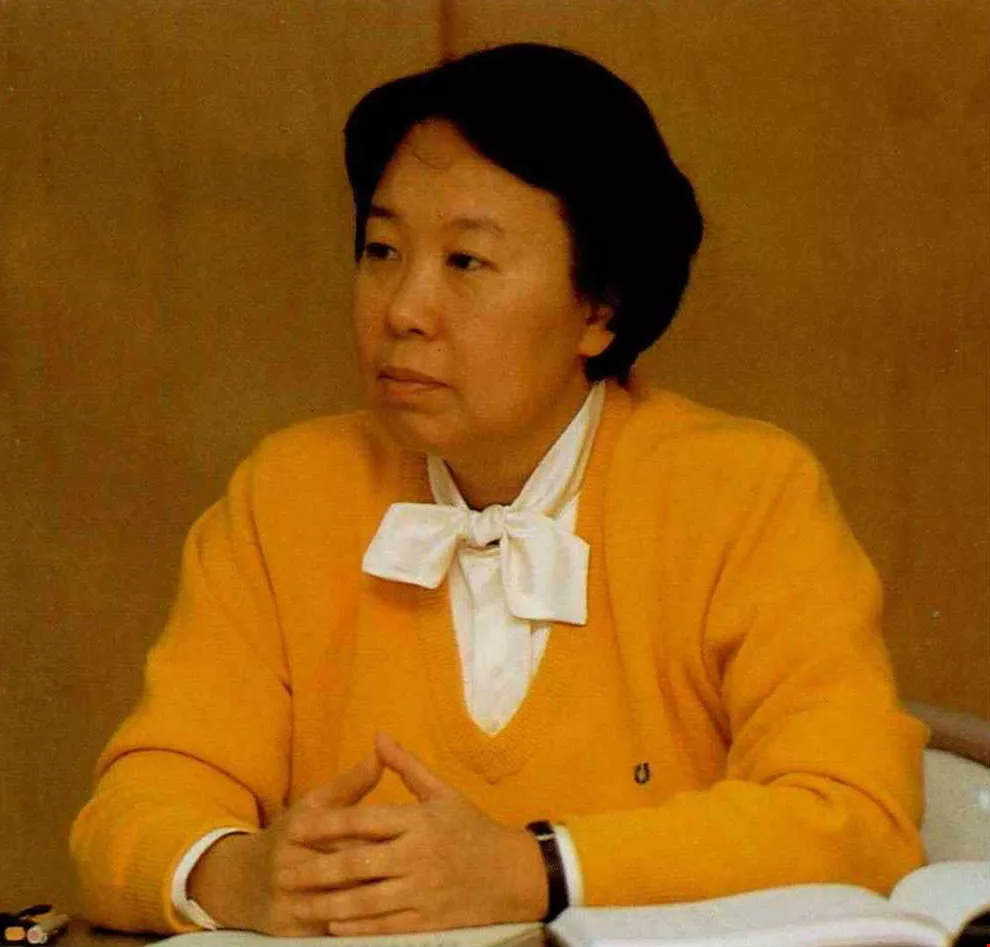
must constantly remind ourselves.
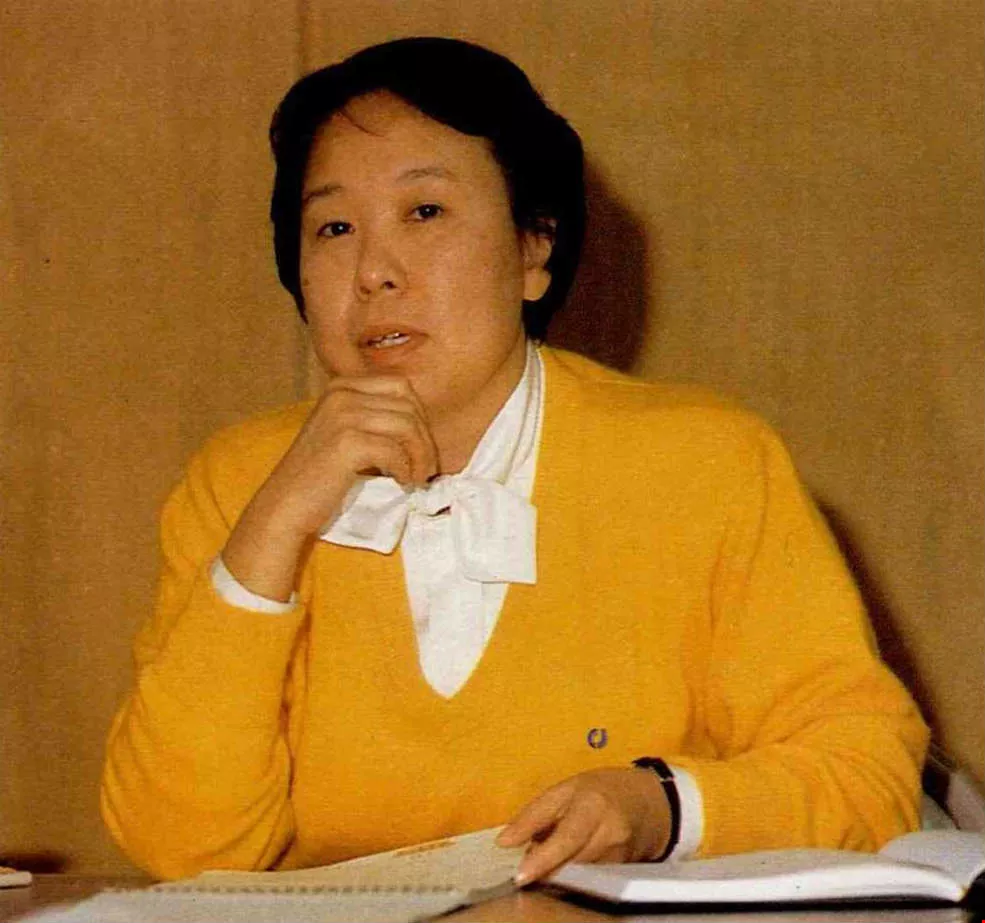
is that of a bridge, an observe.
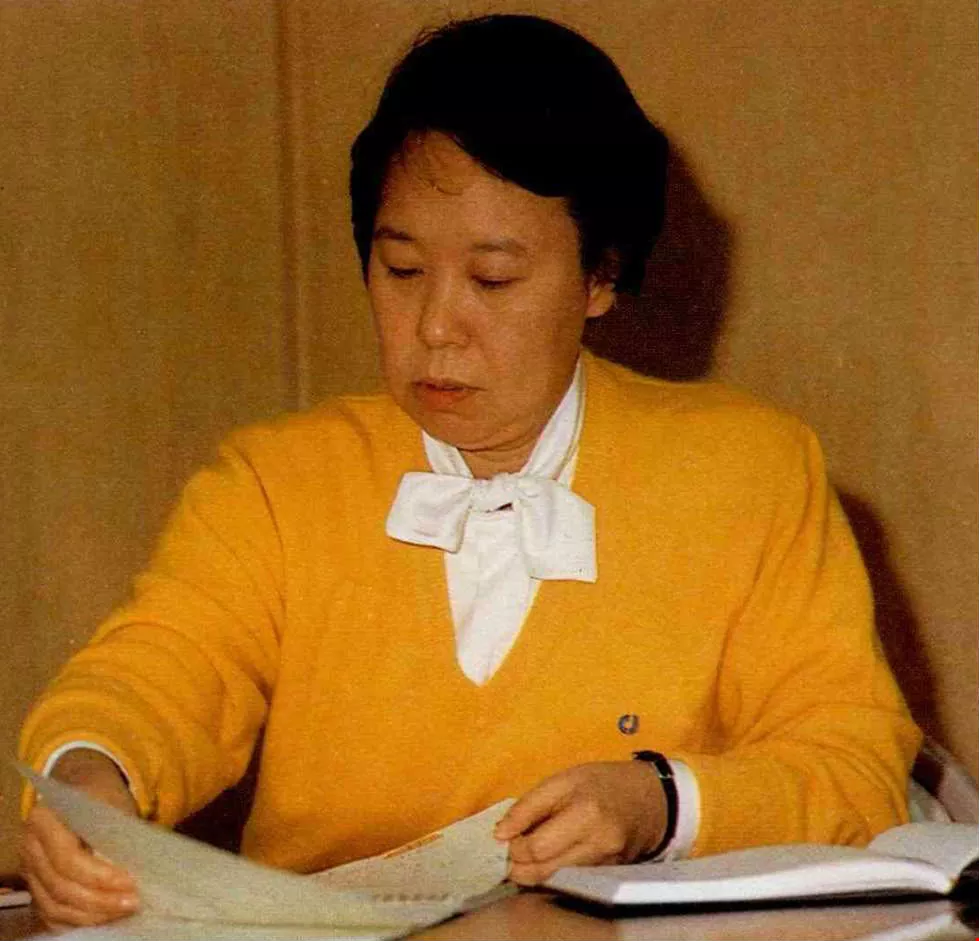
I often feel that being a reporter is a lonely job.
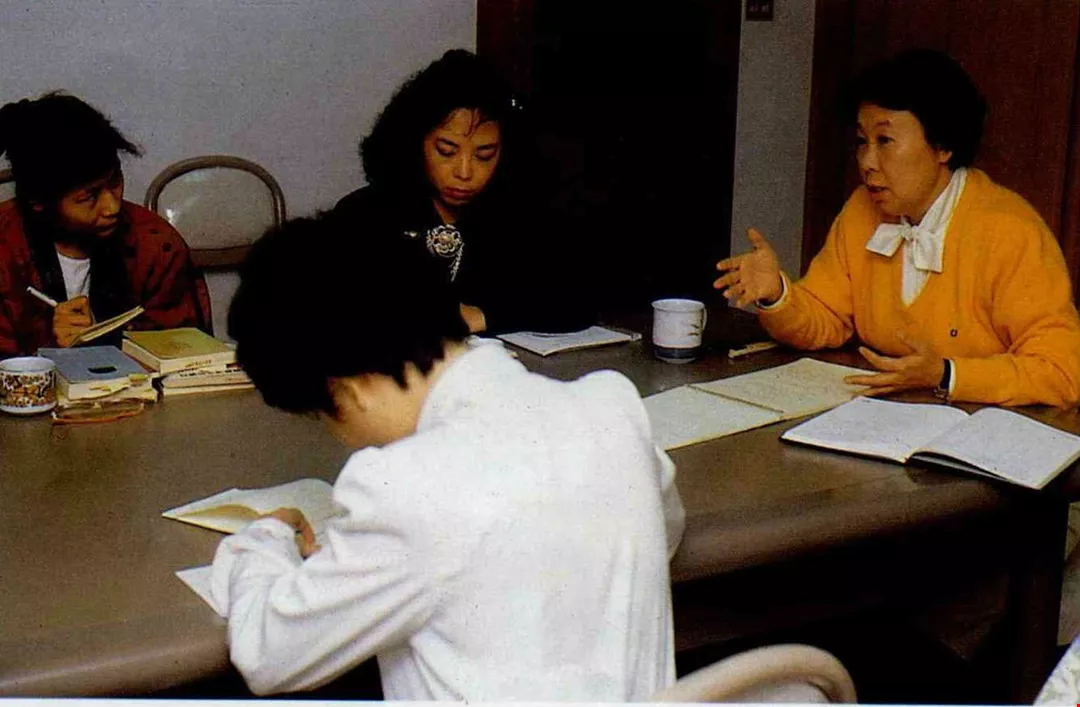
When it comes time to make a decision, no one can do it for you....
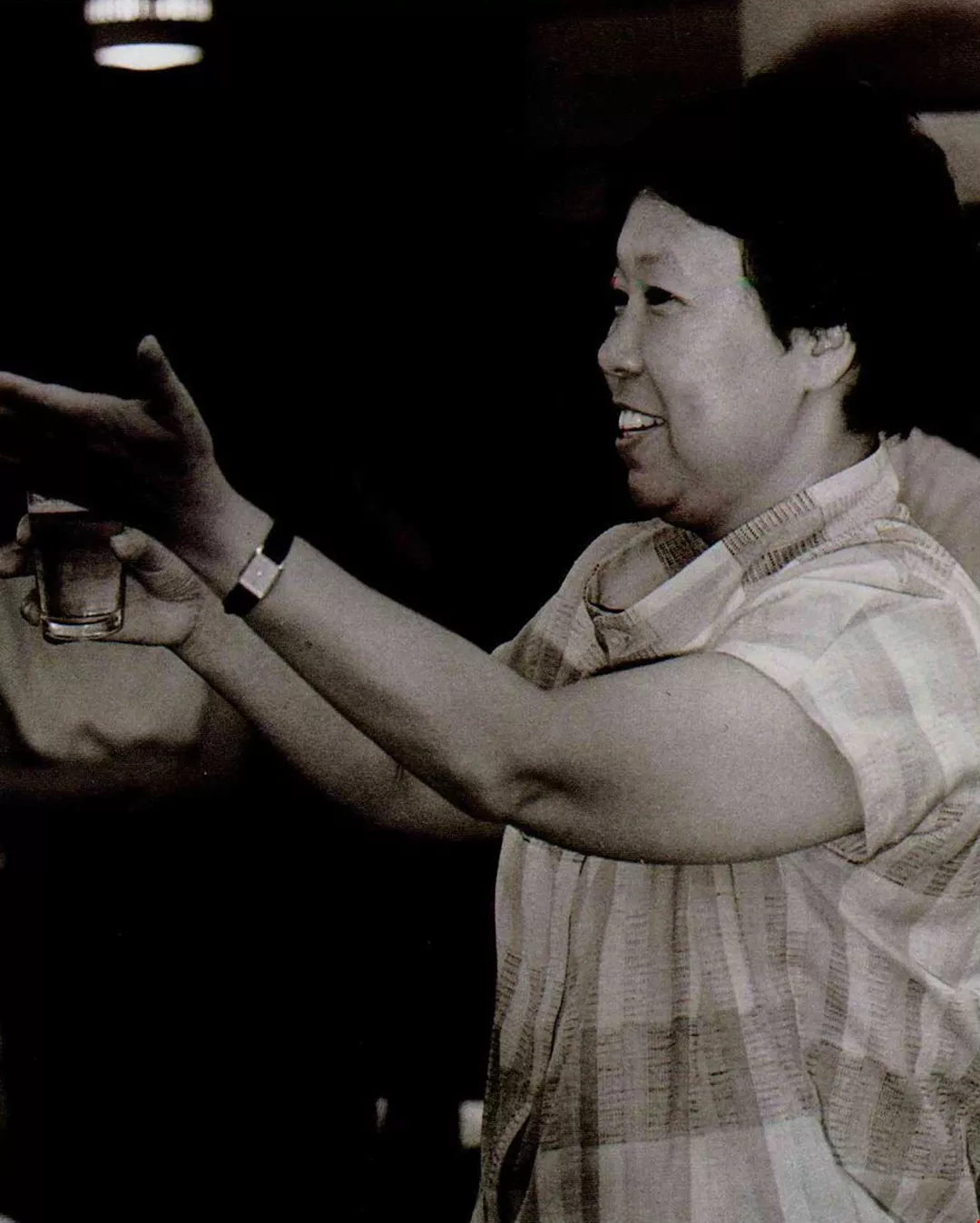
When it comes time to make a decision, no one can do it for you....

@List.jpg?w=522&h=410&mode=crop&format=webp&quality=80)


