Kaohsiung: Full Steam Ahead on the Sea of Culture
Kuo Han-chen / photos Jimmy Lin / tr. by Geoff Hegarty and Sophia Chen
July 2016
Let spring start from Kaohsiung
This news that thrills the South
Let the torch of cotton trees
At the speed of a cross-country race
Spread all the way to the North
Let spring start from Kaohsiung.
—Yu Kwang-chung, “Let Spring Start from Kaohsiung”
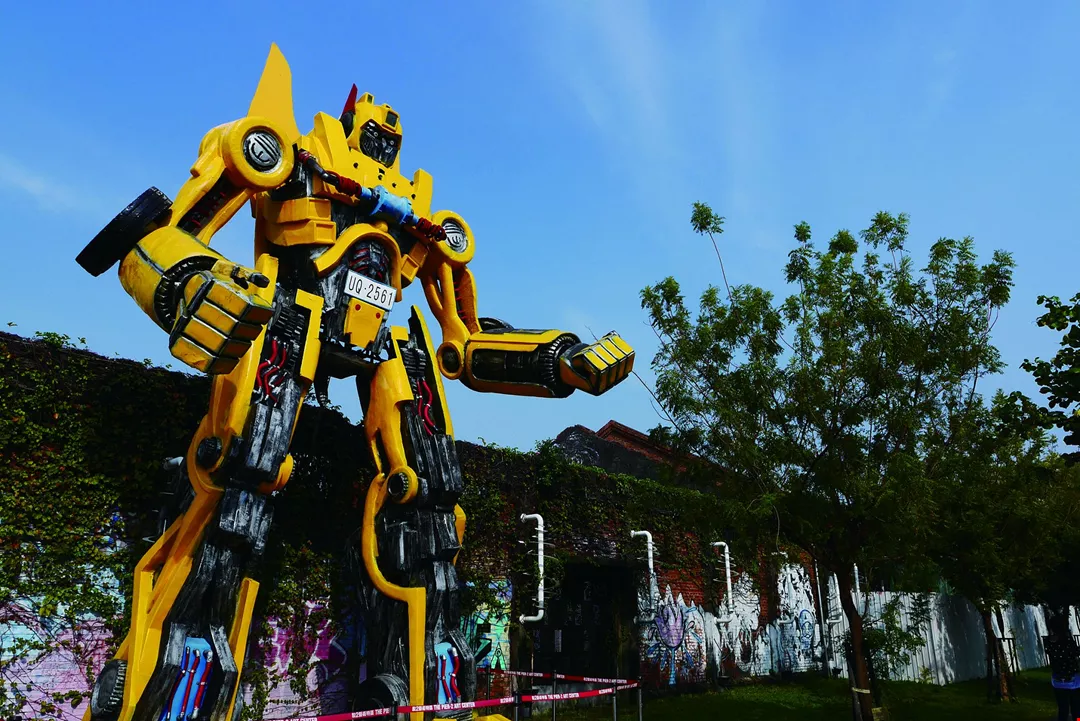
In the early summer of 2016, with the weather beginning to grow hot, large crowds gathered in the Railway Sculpture Park at Kaohsiung’s Pier-2 Art Center. Happy laughter and talk filled the air, visitors strolled with friends and family and children launched kites into the warm air, while tourists admired the sculpture exhibitions.
Kaohsiung mayor Chen Chu and Shih Che, director general of the Kaohsiung City Bureau of Cultural Affairs, were the driving force behind the planning and execution of the art center. Both were present at the park watching the crowds come and go, and welcoming everyone into the warm embrace of this city of art.
On the same day, a couple from central Taiwan who work in the creative sector were also at the Pier-2 Art Center. Looking up at a huge sculpture, they were inspired by the center’s rich energy—and contemplated how they might build their careers in this beautiful city.
Three decades ago, Kaohsiung’s Pier-2 Art Center was a nondescript warehouse on Pier 2 in the Port of Kaohsiung, a facility that had lain abandoned for many years. The special setting of the warehouse was illuminated for the first time by the National Day fireworks in 2000, and despite its distance from downtown Kaohsiung, the harborside setting and vast spaces screamed potential.
Around this time, the development of cultural and creative parks was in full swing throughout Taiwan. Sensing the trend, the Kaohsiung City Government decided to take back management of the Pier-2 warehouse complex, and the Bureau of Cultural Affairs became responsible for its planning and development, releasing greater space for public access. A pedestrian zone was created to link up with the West Side Harbor Line bike path, making the area more accessible for visitors. Extensive lighting was installed to ensure security at night, and quite surprisingly, an enticingly artistic atmosphere was generated by the street lamps glimmering among the old warehouses.
Sculptor Liang Jen-hung believes that the Pier-2 Art Center is an eminently suitable venue for artists to demonstrate their skills. The center not only features enormous spaces, but also has an experimental flavor. Liang exhibits works at Pier-2, most recently a metal sculpture inspired by the local environment and accompanied by a multimedia installation creating dynamic effects of light and sound.
The artistic and cultural activities held at the Pier-2 Arts Center, as well as the center’s park-style design, have been well received by the public. To meet the demands of increasing numbers of events and visitors, the venue has expanded from its original Dayong warehouse area. In 2012, the bureau negotiated a lease for the Penglai warehouse owned by the Taiwan Sugar Corporation, and the Dayi warehouse was developed the following year. The newly expanded center has attracted a range of cultural and creative enterprises, as well as other businesses such as restaurants.
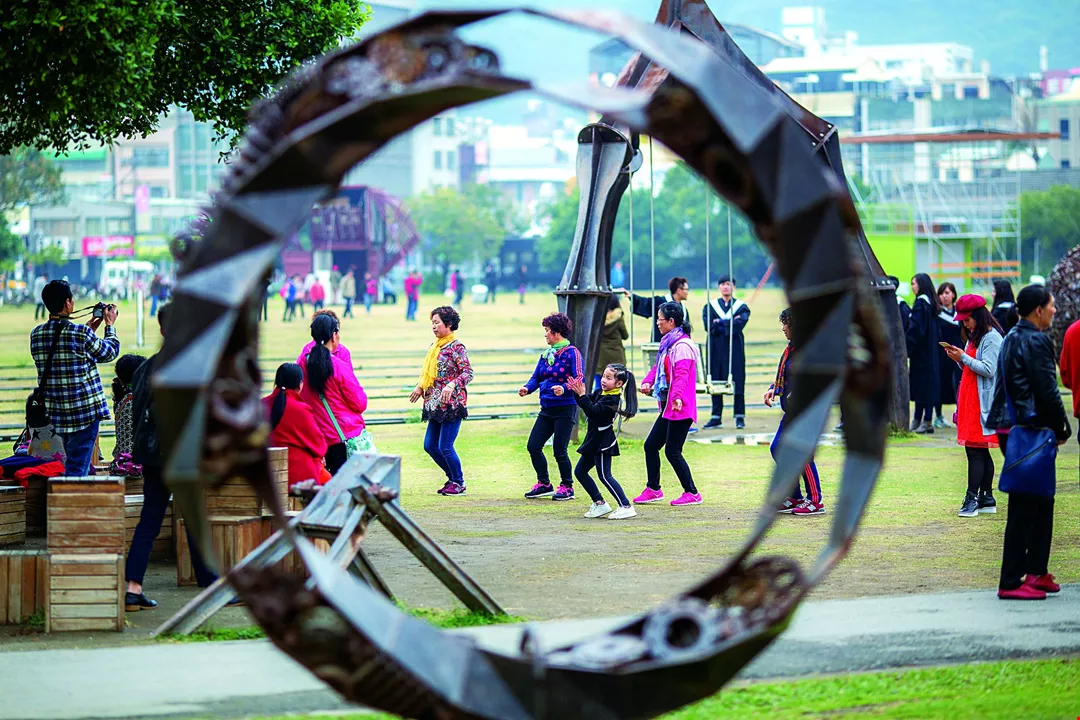
Artworks at Pier-2 Art Center are integrated solidly into the environment, so people are able to enjoy them from different perspectives. (photo by Hsu Ching-ho)

Golden triangle route
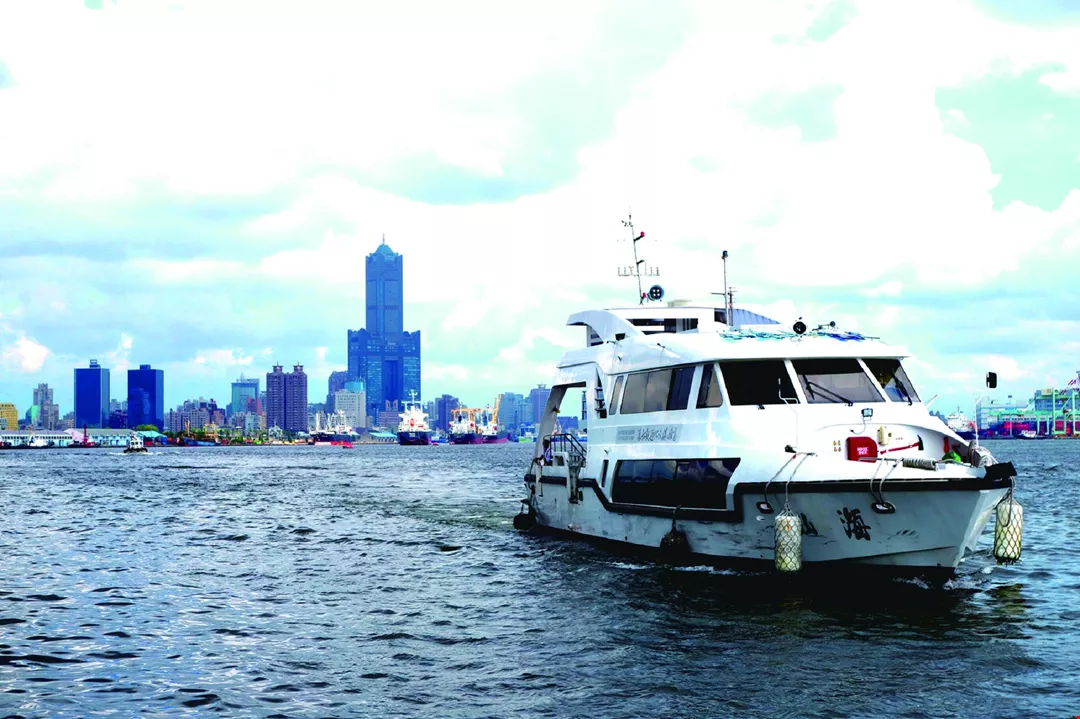
As people displayed their affection for Pier-2, the Bureau of Cultural Affairs expanded facilities even further. The arts district was extended into peripheral areas where activities such as the Kaohsiung International Steel and Iron Sculpture Festival and the Kaohsiung International Container Arts Festival are held. The bureau has also created a new tourist route called the Waterfront Golden Triangle, which has proven very popular: ferries travel from the Pier-2 Wharf across Kaohsiung Harbor to the former British Consulate at Takao, and then on to Hongmaogang Cultural Park.
Among the tourists, the Zhang family from Fengshan District took a cruise—the Swinhoe Adventure, promoted by the Bureau of Cultural Affairs. The tour took the family along the original route where early British naturalist and explorer Robert Swinhoe came to the Takao area. Accompanied by the rhythmic motion of the boat on the waves, tourists listened to the guide explaining the history of Swinhoe’s time in Kaohsiung.

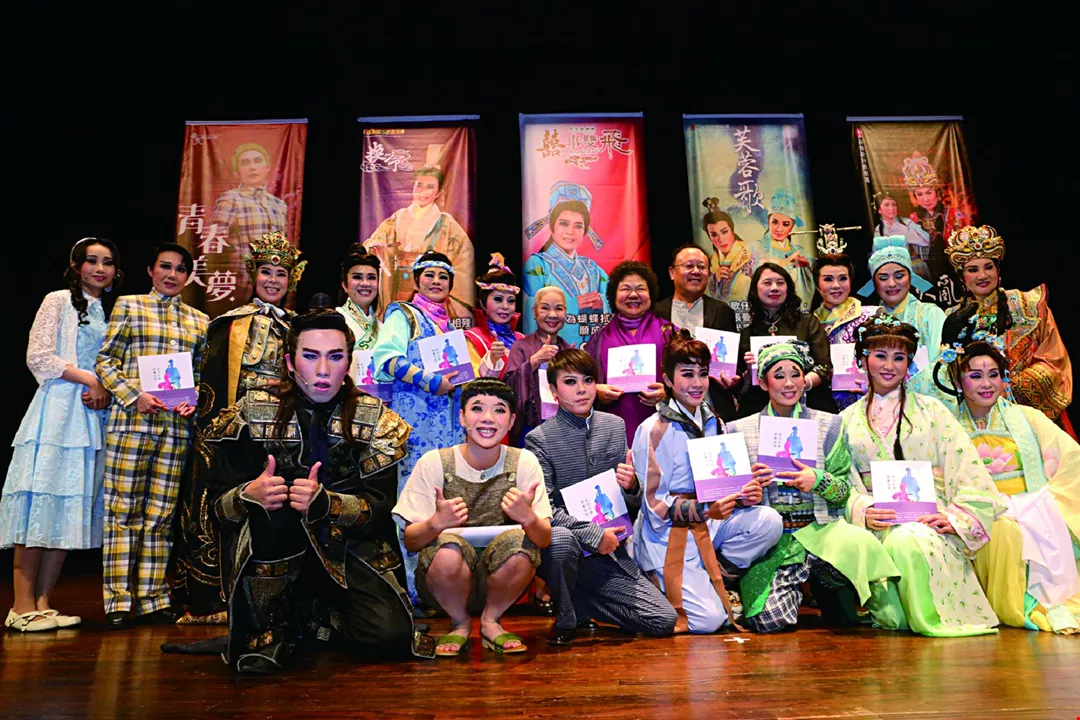
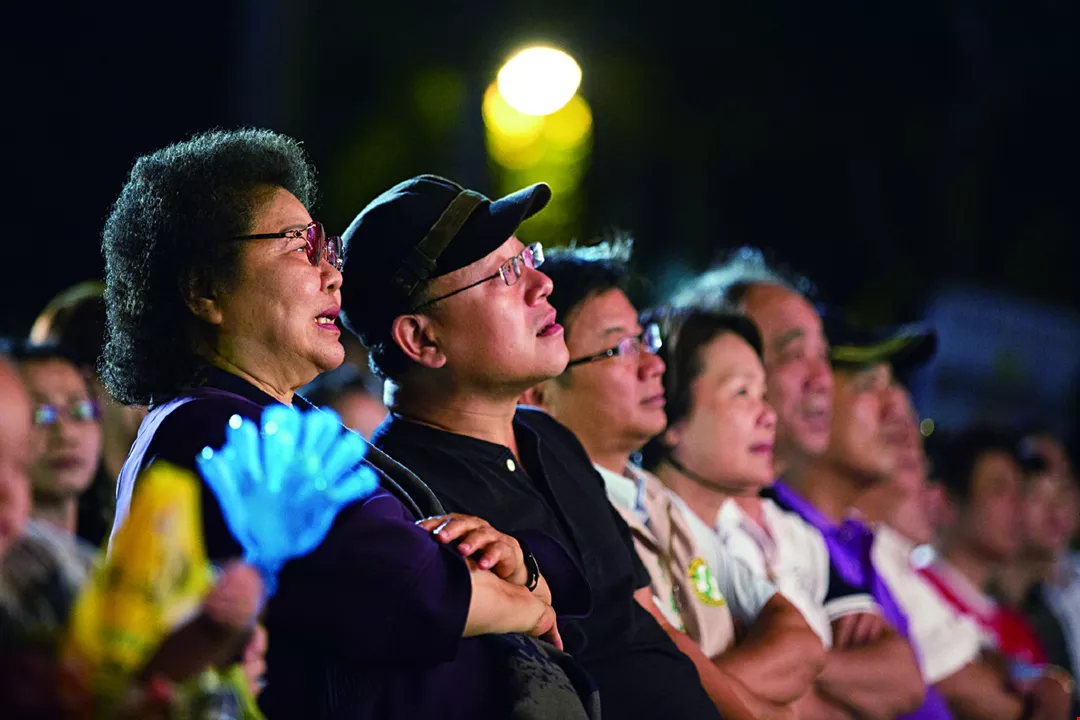
Kaohsiung mayor Chen Chu (back row, sixth from right) and Shih Che, director general of the Kaohsiung City Bureau of Cultural Affairs (back row, fifth from right) encourage traditional arts and culture. Taiwanese Opera, for example, features prominently at the Kaohsiung Jhuangtou Fringe Festival. (courtesy of Kaohsiung City Bureau of Cultural Affairs)
A cultural hub
Poet Tseng Kuei-hai, president of the Literary Taiwan Foundation, says that in recent years the Kaohsiung Bureau of Cultural Affairs has made enormous efforts to encourage the younger generation to take a greater interest in the creation of literary works. A number of scholarships and literature awards have discovered and assisted young writers, injecting new blood into southern Taiwan’s literary scene.
More than once, Mayor Chen Chu has made the point that culture makes a city great. In an effort to fulfil this vision, Kaohsiung is building a new library every year, with 62 libraries established to date. Located in a new waterfront district dubbed “Asia’s New Bay Area” by the city government, the Kaohsiung Main Public Library is the cultural hub of the city’s library network.
The library creates an atmosphere conducive to reading, a place where it’s easy to pick up a book and read. Seating for over 1000 in the library’s reading space is integrated with displays of artworks. People can immerse themselves in books and art, making reading an easily available means to relaxation and inspiration.
Mayor Chen spares no effort in the promotion of literature. The city government has run the Takau Literature Awards every two years since 2003. In 2011, following the merger of Kaohsiung County into Kaohsiung City, the awards were renamed the Takau Fong Yi Literature Awards. The Bureau of Cultural Affairs has also launched a number of programs including funding and grants for writing and publishing and awards for young writers. These programs have encouraged a number of Kaohsiung writers to publish their works, and have led to something of a literary revolution in southern Taiwan. Among them, the book From the Sunshine—Salty Words was published in December 2015. It’s a collection of the works of 30 Kaohsiung writers who were all born after 1960.

The former Pier 2 in the Port of Kaohsiung has become the Pier-2 Art Center, an artistic space open to the public.
Feasts of art
“Living in Kaohsiung is a kind of happiness that is impossible to describe!” says Liu Fu-mei, a member of the board of directors of the National Performing Arts Center. The visible results of Kaohsiung’s rapid cultural development in recent years must be attributed largely to the foresight and determination of Mayor Chen Chu and Cultural Affairs Bureau director Shih Che.
Kaohsiung’s cultural and artistic events are likely to be found anywhere, from the bustling downtown all the way to rural areas. Shih Che is responsible for many of these: the Kaohsiung Spring Arts Festival in the first half of the year is centered around the downtown area; in contrast, the Kaohsiung Jhuangtou Fringe Festival in the second half of the year takes place in a more rural environment, literally bringing art to people’s doorsteps.
The Fringe Festival, now in its fifth year, features events held across Kaohsiung with performances of Taiwanese Opera and Henan Opera, children’s shows, and concerts. Cloud Gate 2 has performed in these rural happenings every year to date and has developed an enormous following especially among children, perhaps planting the seeds of culture and art in their young hearts.
The Kaohsiung Film Festival has been held for the past 15 years, focusing on three main areas: science fantasy and action films, the discovery of emerging talent in filmmaking, and experimentation in movie production. The Kaohsiung Filmmaking Assistance Center provides assistance to film producers and postproduction teams. Some very well received films including GF*BF, Zinnia Flower, and Elena are examples that demonstrate the excellent results that can be achieved through cooperation between the center and filmmakers.
The promotion of culture in Kaohsiung involves many young people. The Kaohsiung Youth Innovative Design Festival, for example, has run since 2005. The festival established a platform to nurture young talent and encourage creativity, and has brought together a great deal of imaginative energy. The city government began the South Music program in 2011 to sponsor young composers and players, to encourage music video production, and to engender a new enthusiasm for Taiwanese music. The program has been well received by people of all walks of life.

The Kaohsiung City Bureau of Cultural Affairs runs cultural cruises linking attractions including Pier-2 Art Center, the former British Consulate at Takao, and Hongmaogang Cultural Park. (courtesy of Kaohsiung City Bureau of Cultural Affairs)
Asia’s New Bay Area
Cultural promotion in Kaohsiung has developed vigorously with a particular focus on “Asia’s New Bay Area,” which will be completed within Mayor Chen’s current term. The ten-kilometer waterfront area will become a new focus of Kaohsiung’s cultural life, all linked by a circular light rail line now under construction. The first phase of the light rail project along the harborside is now being trialed.
Although the development of Asia’s New Bay Area involves a lot of new construction, any future large-scale cultural development will focus on the reuse of traditional assets. In the past, Kaohsiung was divided into the old town (Zuoying) and the new town (Fengshan). Zuoying has its unique attractions including the entirely preserved old city gates, a convenient transport system with its own high-speed rail station, and scenic spots such as Sheshan, Guishan, and the Lotus Pond. The city government is planning to develop over 100 hectares of the old CPC Corporation staff dormitories near the scenic spots, and at the same time will also develop Fengshan District. For example, construction of the Fengyi Academy has now been completed. A “culture bus” traveling between Zuoying and Fengshan links the two traditional cultural parks.
Increasing numbers of people are visiting Kaohsiung to breathe the air of creative culture in southern Taiwan. Kaohsiung’s transformation, from the creation of an art center to its development into a place of intense creative activity, has changed the harbor city into an important cultural hub.
Mayor Chen Chu sometimes visits the former British Consulate at Takao overlooking Kaohsiung Harbor, often with a new plan in mind, hoping the harbor city will continue to thrive in its new guise. She also hopes that with the sterling efforts of all, Kaohsiung will become a great ship of culture sailing into a magnificent future.

Kaohsiung’s impressive Main Public Library in Qianzhen District is the city’s cultural hub. (courtesy of Kaohsiung City Bureau of Cultural Affairs)

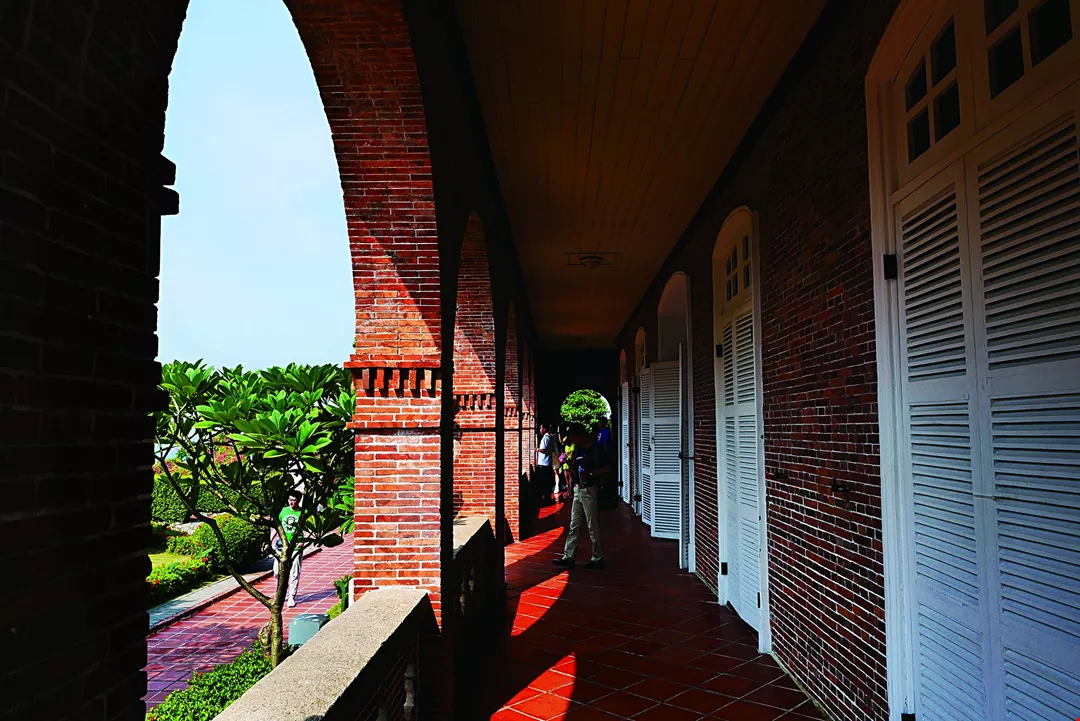
Located on a hilltop in Xiziwan, Gushan District, the former British Consulate at Takao is a well preserved example of post-Renaissance Baroque architecture.

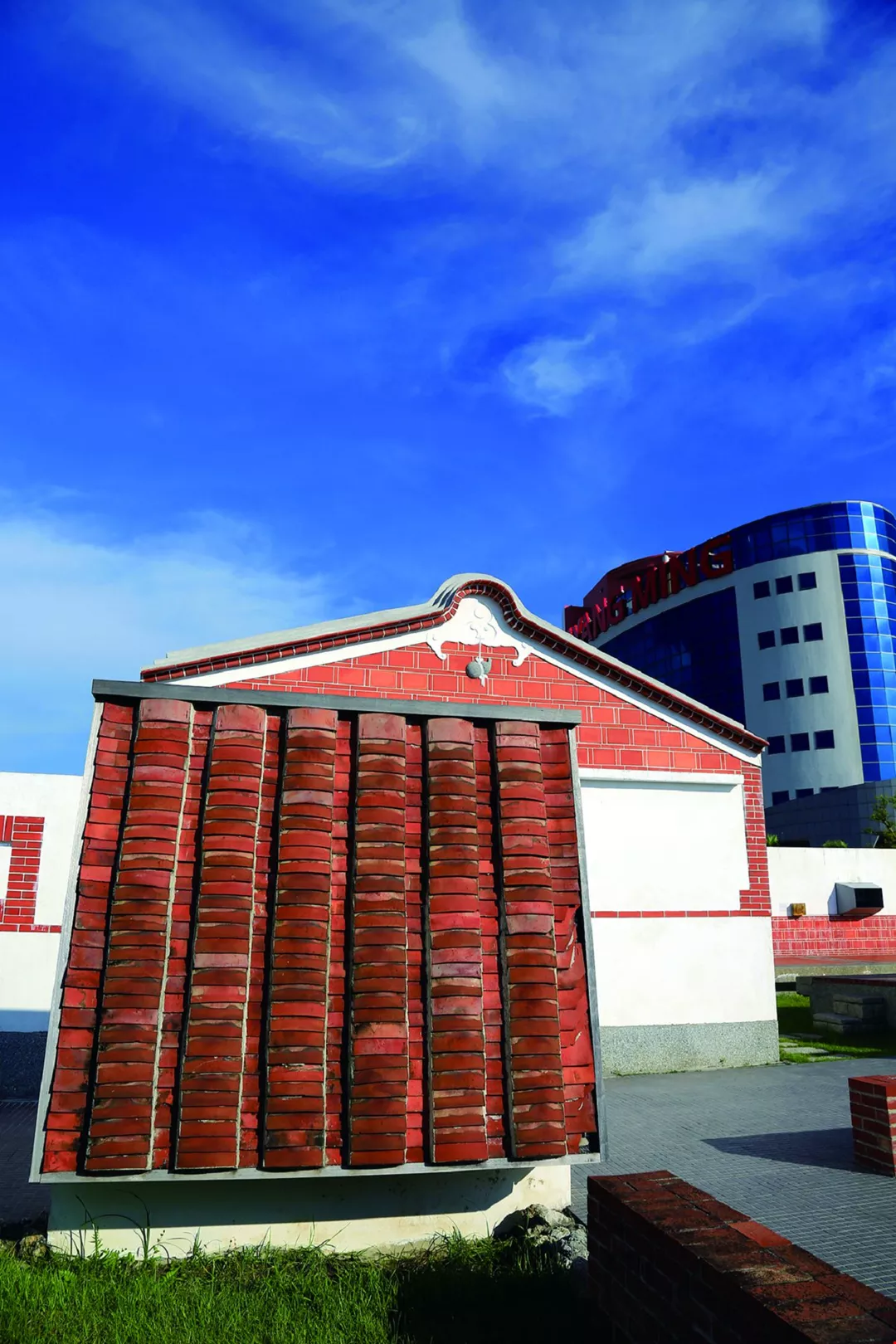
Hongmaogang Cultural Park reveals the culture and history of Kaohsiung harbor, and has become a unique attraction.

Kaohsiung mayor Chen Chu and Shih Che, director general of the Kaohsiung City Bureau of Cultural Affairs, are the driving force behind Kaohsiung’s cultural rebirth. (courtesy of Kaohsiung City Bureau of Cultural Affairs)

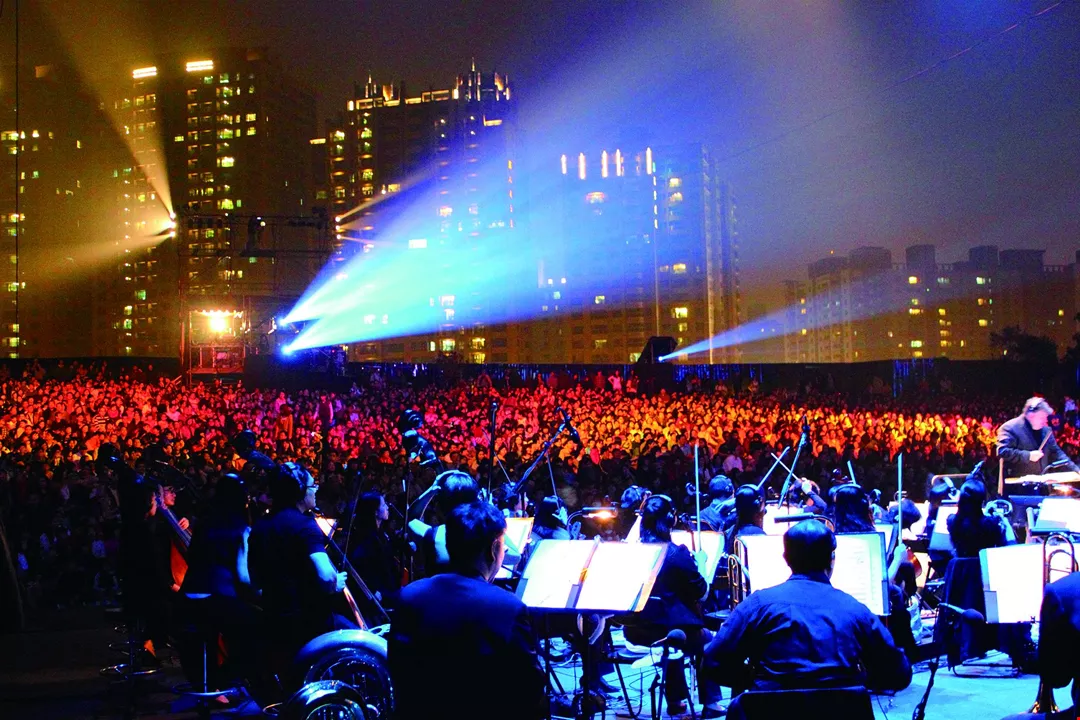
The lawn concerts held during the annual Kaohsiung Spring Arts festival are always popular with the public. (courtesy of Kaohsiung City Bureau of Cultural Affairs)