Innovative Treats, Traditional Flavors
—Steamed Rice Cake and Scholar Cake
Cindy Li / photos by Kent Chuang / tr. by Phil Newell
June 2024


A roadside vendor, from whose cart steam drifts out into the air, is selling pure white rice cakes with a very unadorned appearance. On this small stage, the beauty and value of rice are on display. Moreover, through the years the uses of rice have evolved to offer boundless possibilities.
The earliest evidence of rice being eaten as a staple food in Taiwan dates back 4,000 years. Later, in a report of a visit to Taiwan written in 1603, the Ming-Dynasty general Chen Di observed that indigenous peoples living on the island had no wet paddy fields, but cultivated cereals in fields created by slash-and-burn clearance. He wrote: “They plant when the mountain flowers bloom and harvest the grains when they are ripe.” This record of lifestyles in Taiwan clearly indicates that the island’s relationship with cereals goes back a long way.
In subsequent times, increasing numbers of written records reveal how rice came to play an important part in the daily lives of Taiwanese, in religious rituals, in celebrations of festivals and holidays, and even in the different stages of life from birth to old age, sickness and death.
The unchallenged status of rice
Looking at dietary preferences in modern Taiwan, short-grained japonica rice, with a firm texture and moderate elasticity, is the most commonly used rice among Taiwanese, who cook it into plain white rice or use it in congee. Meanwhile, long-grained indica rice, with its relatively low amylopectin and fluffy, non-sticky nature, is best made into rice dishes such as savory rice pudding, thick rice noodles, and rice vermicelli. Glutinous rice, meanwhile, with its sticky texture, is the optimal material for chewy rice products like zongzi (filled rice dumplings wrapped in bamboo leaves) and Chinese New Year cakes.
It is worth noting that before the “food-bowl revolution” brought about by the introduction of japonica rice a century ago, indica rice had long been the main staple food at dining tables. It was the foundation of the three meals per day consumed routinely by Taiwanese, and was the raw material for sources of extra calories such as snacks and pastries.
Rice became the staple food of Taiwanese because it can be harvested up to three times a year in the local climate. Taiwanese not only ate rice in its most basic form, they also ground it into flour to make rice batter and dough, and added sugar and other ingredients to produce all kinds of rice-based foods that were easy to carry when going out to work.
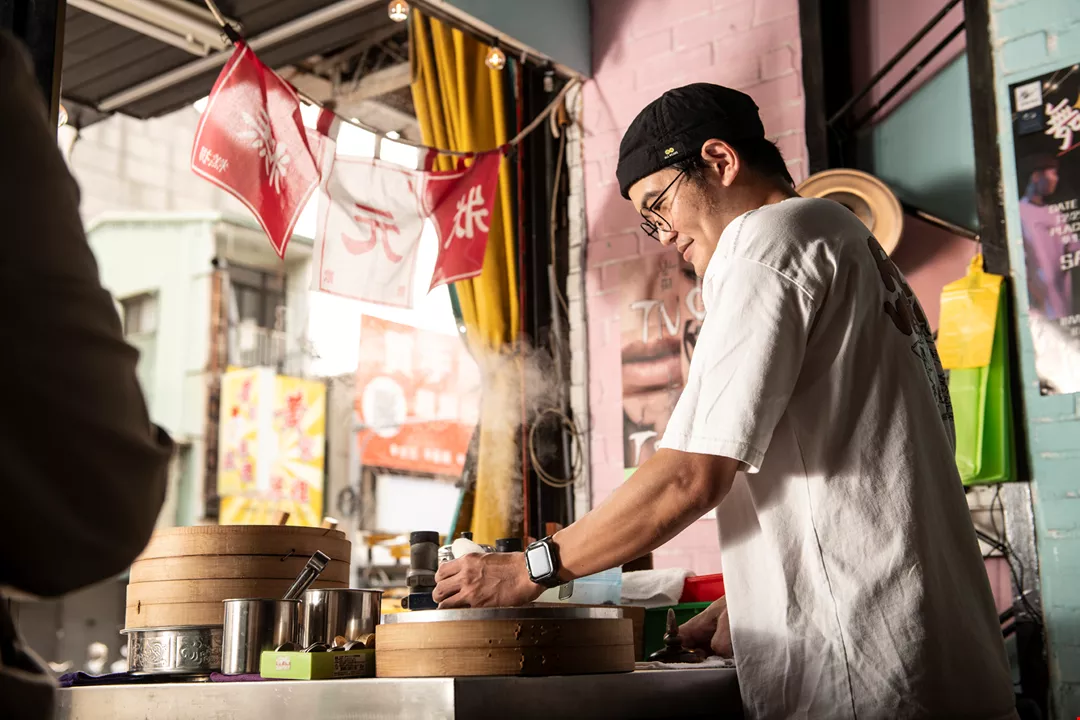
The steam that rises when rice-based pastries are prepared sets the stage for a fascinating show featuring the transformation of rice.
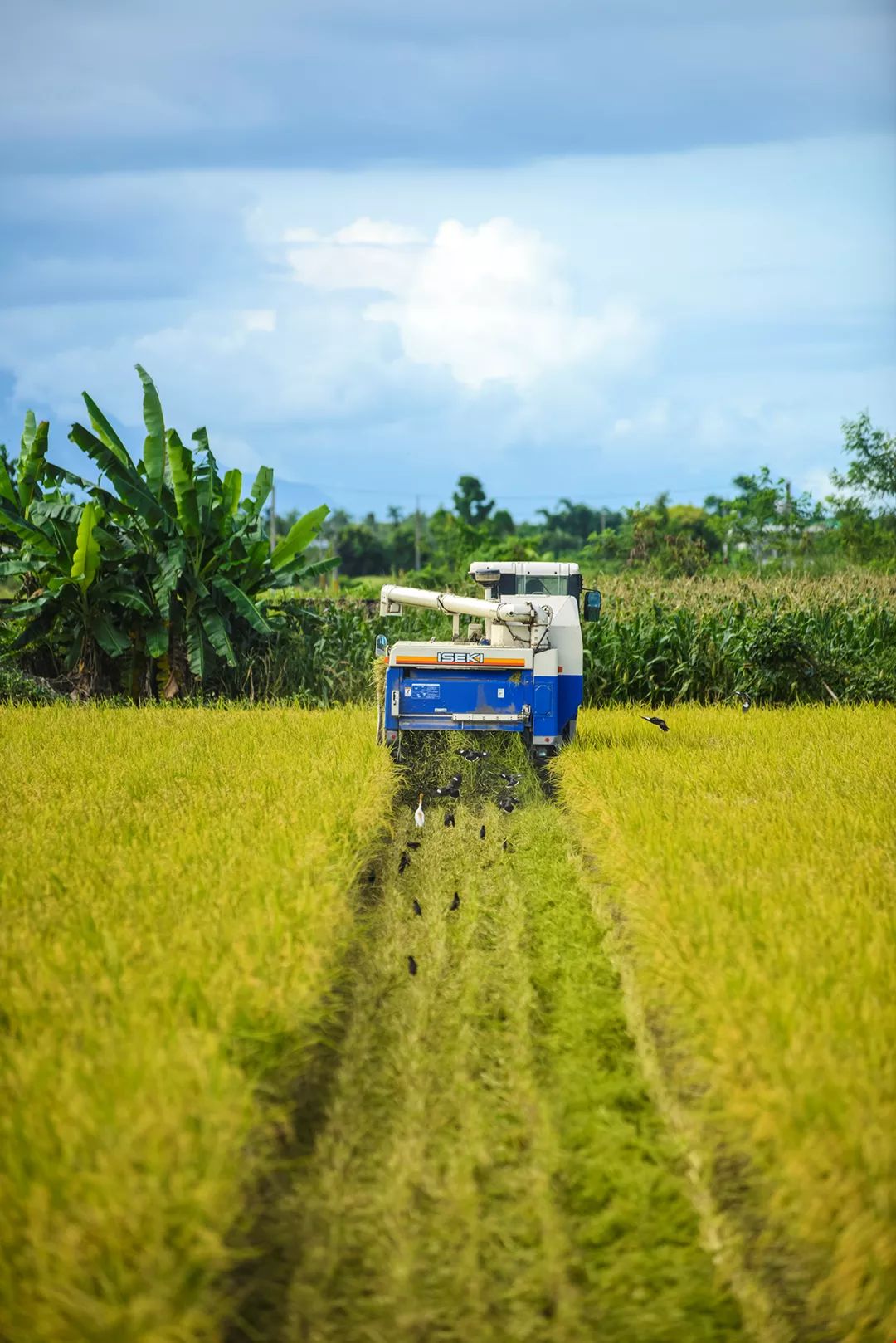
Rice is one of nature’s gifts. It is not only a staple food, it can also be processed into all kinds of edibles that have enriched Taiwanese dining tables over the centuries.
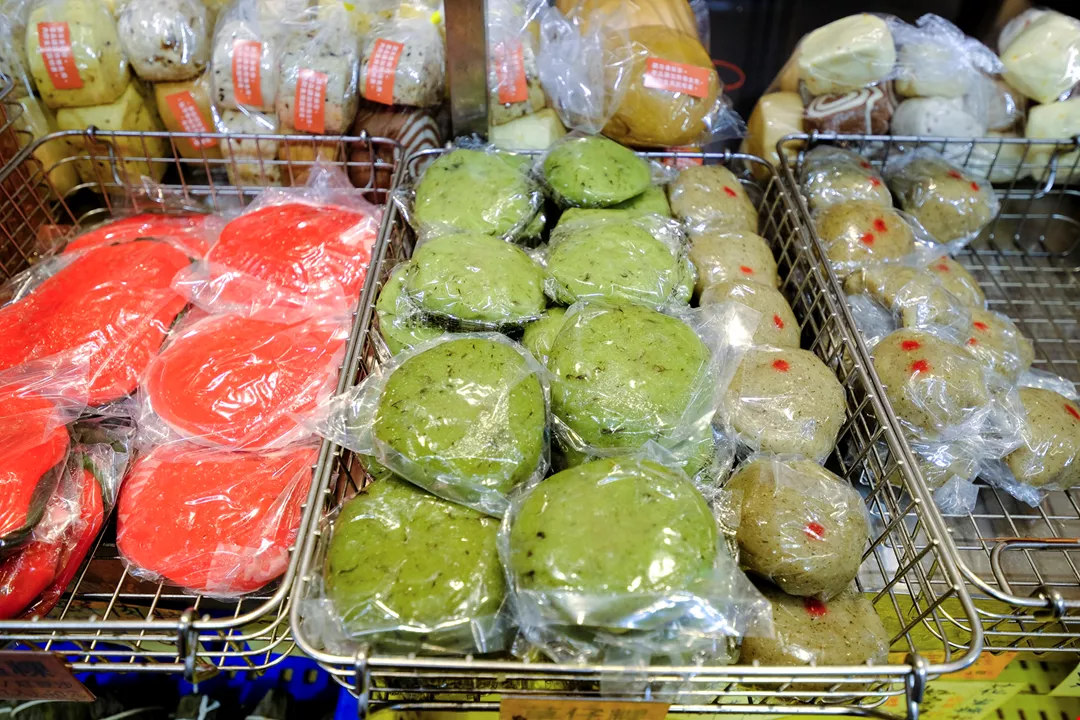
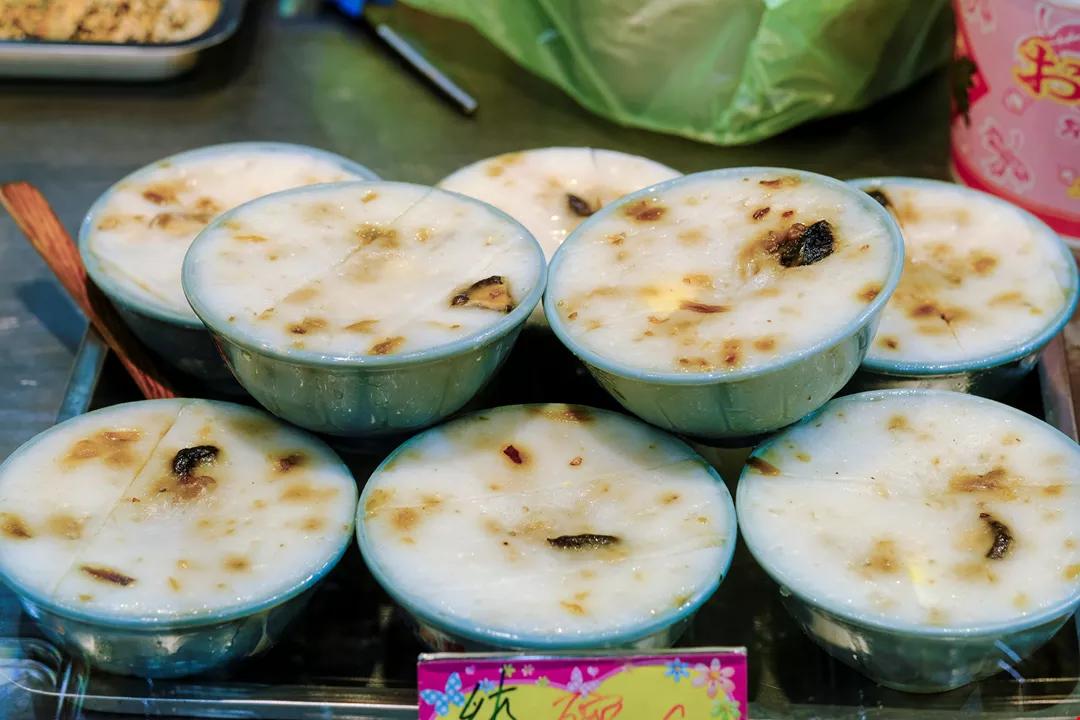
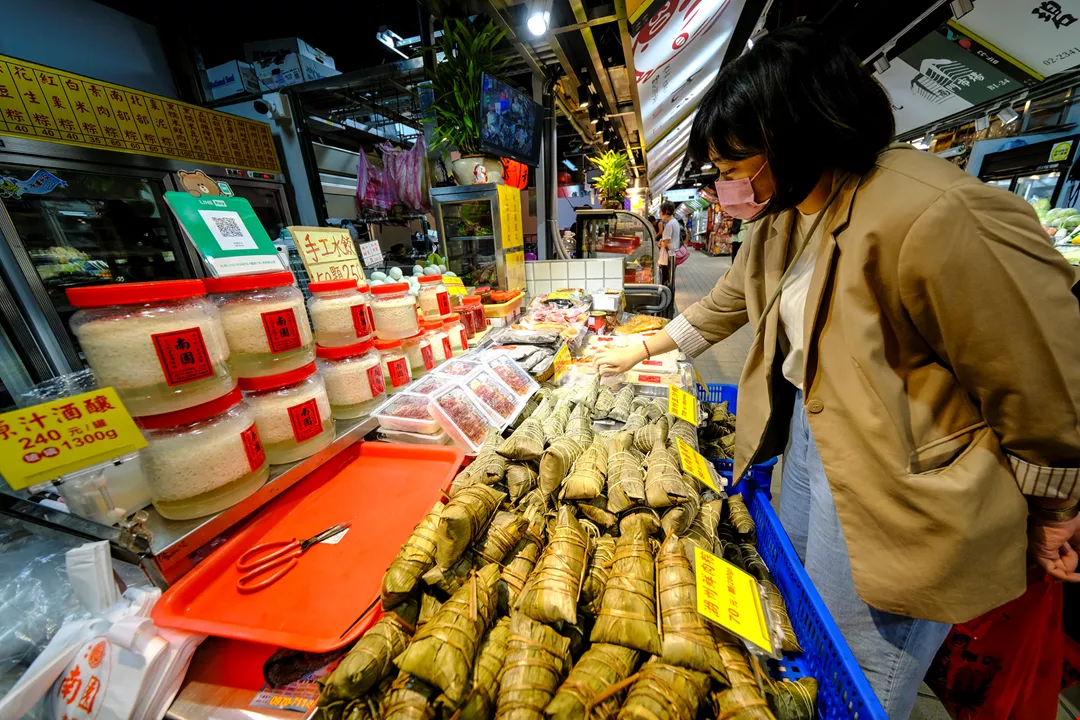
Savory dishes such as zongzi or savory rice pudding, and sweet dishes such as caozaiguo (a traditional Hakka dessert), red turtle cakes, or fermented rice, are all common dishes made with rice.
A fleeting but delicious flavor
Making rice-based foods like these may appear to most people to be a simple matter of steaming the rice over a high heat. But in fact, the production of rice-based pastries is a very challenging endeavor, as many rice cake chefs can attest from their own experience.
As Wang Wenmin, vice-general manager of the venerable Yu Jen Jai (Yu Zhen Zhai) pastry shop in Changhua’s Lugang Township, points out: “Wheat flour contains protein, gluten, and other components, so that the finished product can be completed in several hours at most. But rice-based foods can be affected by variables such as cooking heat and humidity, and in some cases can take up to several days to be completed.” Thus when making rice-based pastries chefs must carefully observe the condition of the rice grains in order to accurately control every step in the process. This is especially true of the critical moment when the rice is initially cooked from raw.
When starch, the main component of rice, undergoes gelatinization during the cooking process (whether by steaming, baking, or other methods), there is a qualitative change in its volume and viscosity that enables chefs to create rice products with optimal color, fragrance, and flavor. However, if the optimal timing is missed, the starch will gradually degrade and become dry and cracked, and it will be impossible to restore the best flavor even if the dough is reheated.
This is why the common Taiwanese saying “eat it while it’s hot; it doesn’t taste so good once it has cooled down” is not a mere platitude. It is said because rice-based foods must be eaten at precisely the right moment in order to enjoy that pleasant yet fleeting traditional flavor.
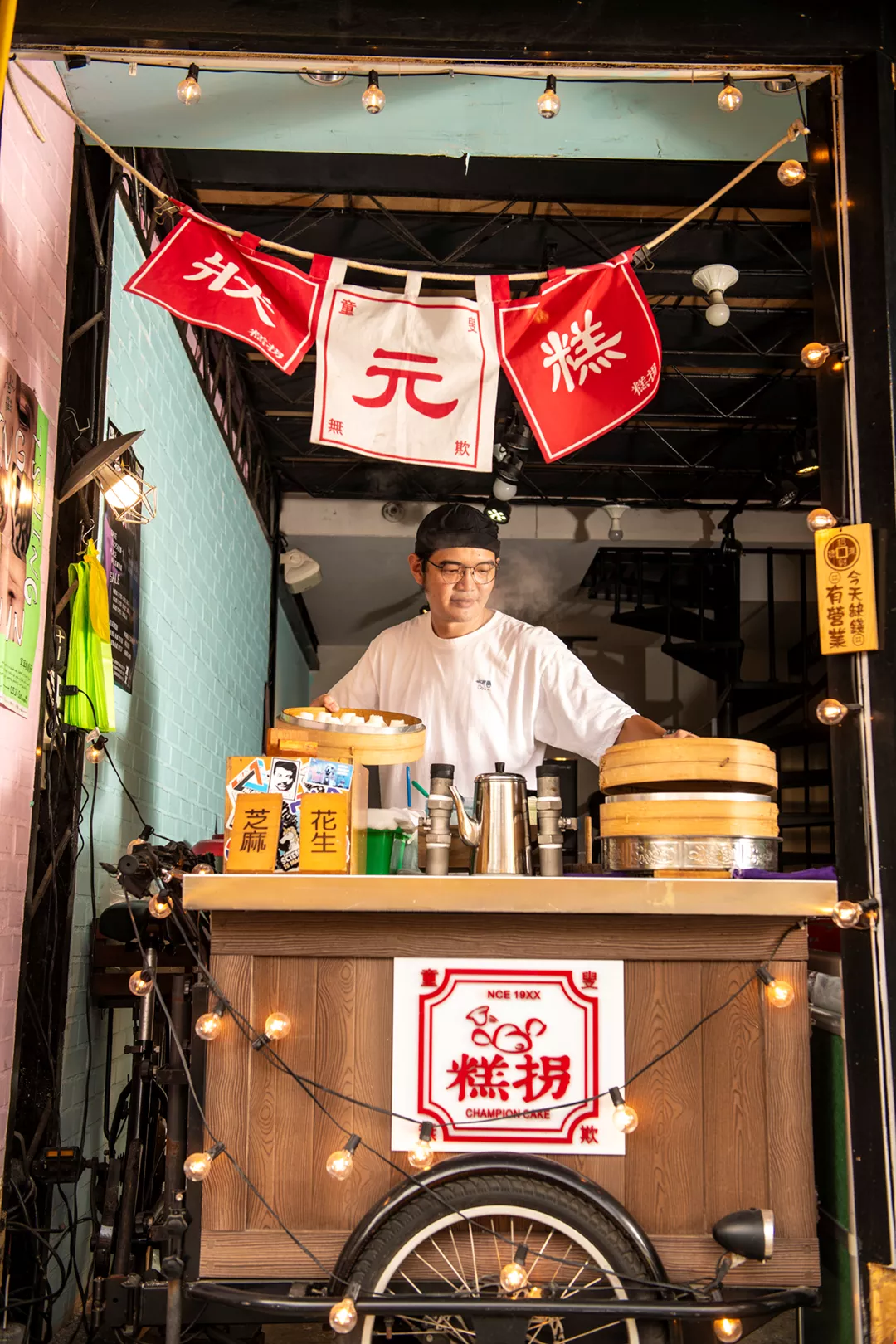
Pan Enping, who developed his own vendor’s cart and changed the name of his family business, has given a new look to the scholar cakes that he grew up with.
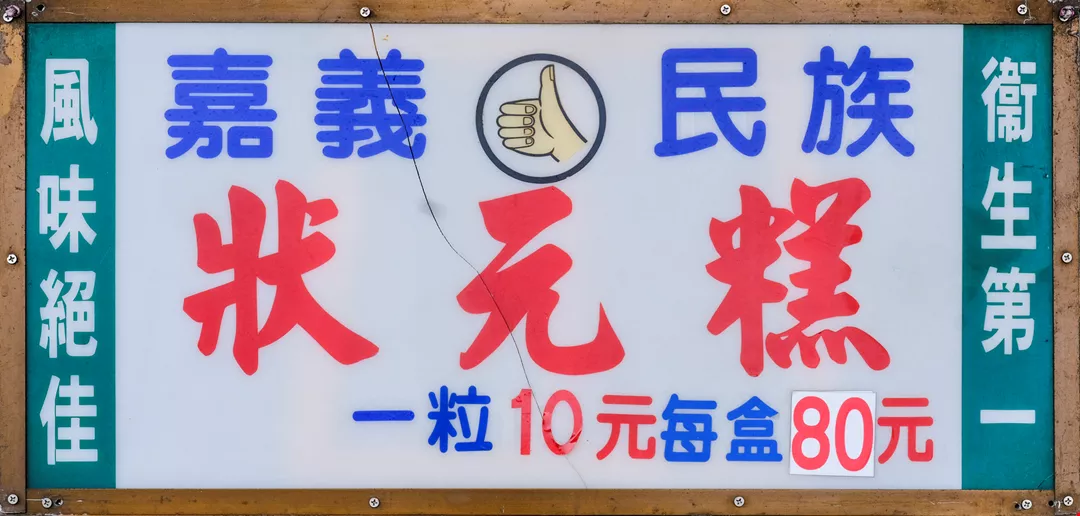
Most Chiayi City residents associate scholar cakes with this venerable sign bearing the characters minzu (民族).
Scholar cake
For the people of Chiayi City, there are at least two phrases that refer to the small Champion Cake vendor’s cart located on the city’s Minzu Road: “the place on Minzu Road” and “going to buy red bean pastries.” Since 1995, this vendor has mainly sold scholar cakes and sour plum tea.
Pan Enping, third-generation proprietor of this family business, helped out his grandmother and mother around the cart from when he was small, so he is intimately familiar with the process for making scholar cakes. Working quickly and smoothly, he fills a bowl-shaped mold with rice flour and filling and places it over a hole from which steam is gushing forth. After ten seconds or so, the heated rice turns translucent, at which point the scholar cake is ready to eat.
The process looks simple enough, but in fact there are many tricks to the trade. “The hardest part about making scholar cakes is handling the molds, and the next is preparing the ingredients, especially controlling the level of moisture in the rice flour.” Pan reveals that the molds are made from polished teak, valued for its toughness and its resistance to water and acidity. Each day when preparing for business, the molds need to be seasoned by steaming to ensure they can withstand long periods of cooking.
In addition, japonica rice flour, made by soaking the rice in water, grinding it into a paste, forming the paste into balls, and grinding these into granules, must be stored at a low temperature to ensure that it doesn’t ferment or go moldy. If it is returned to room temperature, then greater attention must be paid to variations in the moisture content. Pan explains: “This is because if the flour is too damp it will stick to the mold, but if it is too dry it won’t be able to absorb moisture.”
Hearing Pan speak effortlessly about the details of making scholar cake, it is hard to imagine that in his free time he is also a dancer and a woodworker. It is perhaps because of his multifaceted interests that he brings such creativity and imagination to scholar cake, which is generally seen as a traditional pastry. During the eight years since Pan took charge of the family business, he has changed the name, replacing the characters minzu (“people” or “nation,” as in Minzu Rd.) with gaoguai (literally “cake staff”), which sounds like the Taiwanese word for “mischievous,” and adopting the English name “Champion Cake.” He has also invented his own folding vendor’s cart so that he can go into crowded places, and in the future he plans to operate with both the cart and a storefront. He hopes to revamp scholar cake’s old-fashioned image and bring it into the modern world.
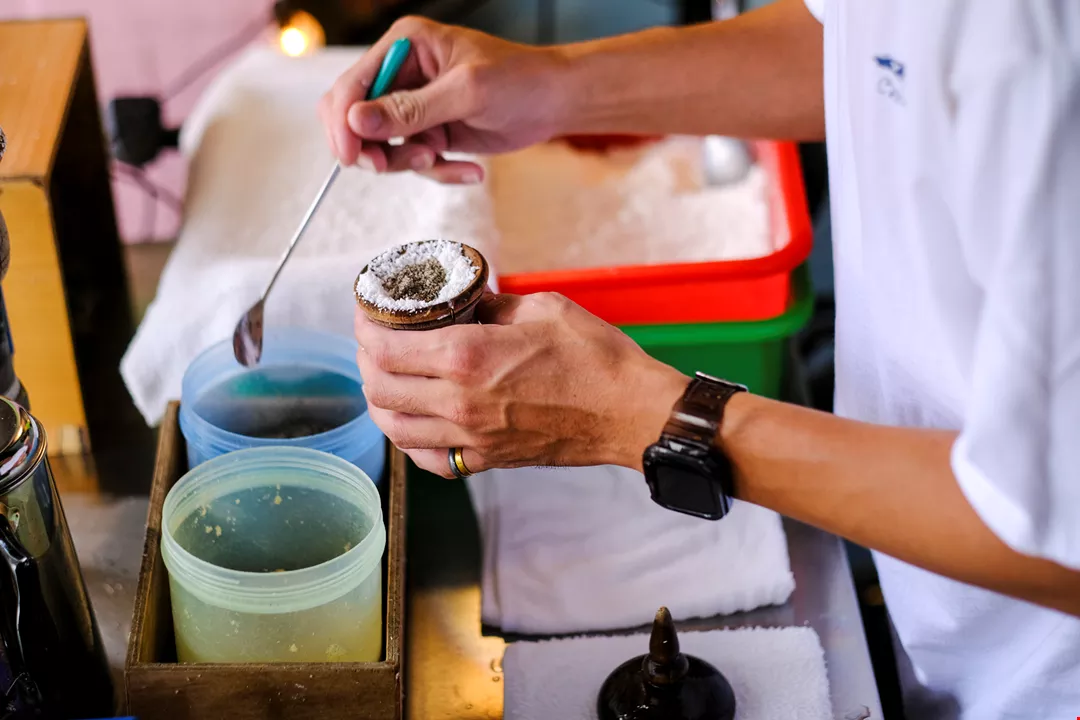
Pan Enping has experimented with making scholar cakes in various flavors. Besides sesame and peanut, he has tried chocolate, matcha, and even the Chiayi specialty of turkey meat over rice.
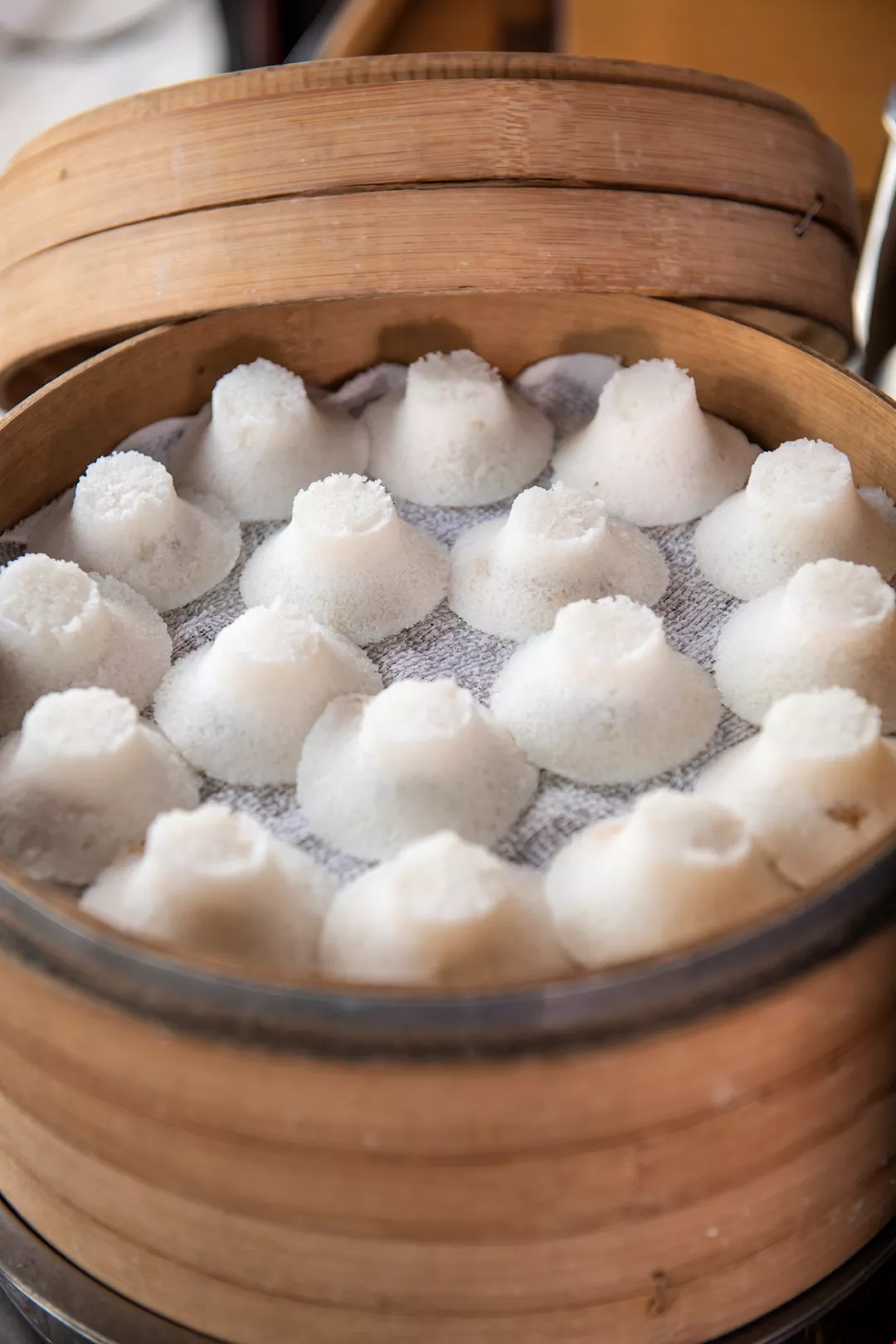
Hat-shaped scholar cakes have been described by Japanese visitors as looking similar to Mt. Fuji.
Innovative yet also traditional
Another traditional rice-based treat worth checking out is the handmade songgao—“soft, fluffy cake,” a kind of steamed rice sponge cake—sold at Nanmen Market. This market, on Taipei’s Roosevelt Road, is nicknamed “the mainlanders’ kitchen,” referring to the people from all over China who relocated to Taiwan in the 1940s and 50s in the wake of the Chinese Civil War.
The rhythmic tapping sound of songgao being knocked out of their molds is followed by the elegant fragrance of rice and fillings that rises from the fresh-cooked cakes.
While this sound has long been part of the collective memories of old customers at the Nanmen Market, today it can also be heard outside Hoshing 1947, a shop on Dihua Street in Taipei’s Dadaocheng area, attracting many travelers and passersby to stop at the entrance to see what is going on.
“What is this?” This question, asked by many, reveals that people today are generally unfamiliar with songgao. The wife-and-husband team of Jen Chialun and Cheng Kuangyu, third-generation proprietors of the Hoshing cake stall in Nanmen Market, founded Hoshing 1947 with the aim of helping younger generations to better get to know this traditional Chinese treat.
Repackaging a traditional product in a creative way is actually something that fits in perfectly with the blend of old and new styles that characterizes the Dihua Street business area. The orange cloth shop sign and curtains that hang over the main entrance, the bamboo skewers provided for taste-testing songgao, and the red threads embroidered onto gift boxes are all part of the Old Dadaocheng costume in which Jen and Cheng present their rice cakes.
Meanwhile, the star of the show—the songgao—takes the stage with a compact and refined appearance. Cheng reveals that in order to develop carved molds for making the cakes, which are smaller in size than the songgao produced by Jen’s parents, the couple endlessly attended trade shows for food products and machinery. After countless failures, they finally managed to shape a set of molds for producing the little pastries.
Another key to making tasty songgao lies in the process of grinding the rice. After being washed and soaked in water, Hoshing’s carefully selected white japonica rice is ground into flour and sifted, then put into molds and steamed to make delicious pastries. Making the flour granules just the right size is critical to getting cakes with a soft and delicate texture. However, after reducing the size of the cakes, a problem arose: the pastries began to harden on being set aside to cool. “Therefore, we carefully control the size of the flour granules when we sift it, to ensure that they retain the right amount of moisture and produce a pleasant texture,” says Cheng.
With the support of Jen’s father, Jen Tai-shing, since 2016 Jen and Cheng have worked continuously to carve out a new path for traditional songgao. “We have developed different flavors and worked with different businesses in the hope that songgao can gain wider exposure and that more people will get to know about Hoshing,” says Cheng.
He shares that in many cases young people bring their parents to Dadaocheng to eat songgao, only to discover that their parents have long been aware of this food, and the little cakes have become a bridge for communication between the generations. “This is just the same as how, through innovation, we have reclaimed space for dialogue with our own parents,” says Cheng.
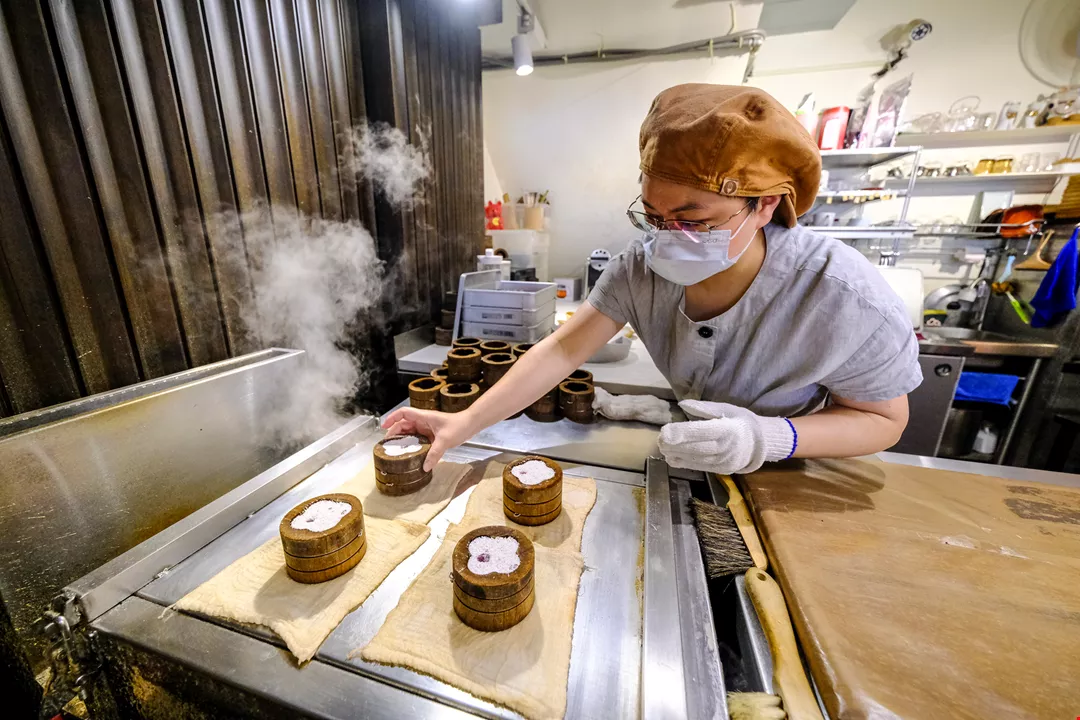
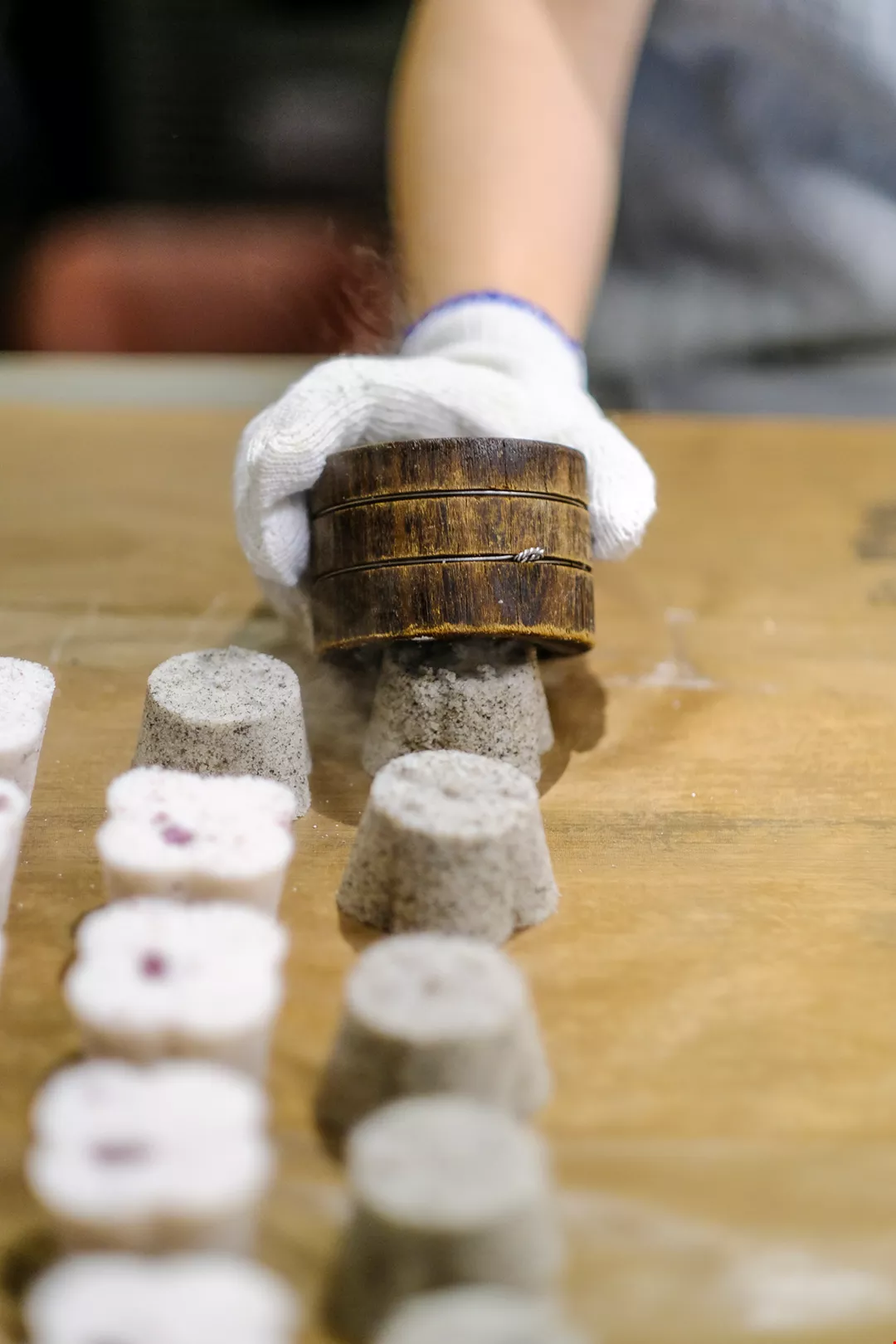
Jen Chialun and her husband, Cheng Kuangyu, use mechanized equipment to make the production of songgao rice cakes less strenuous for their old bakers. However, the key steps are still done by hand.
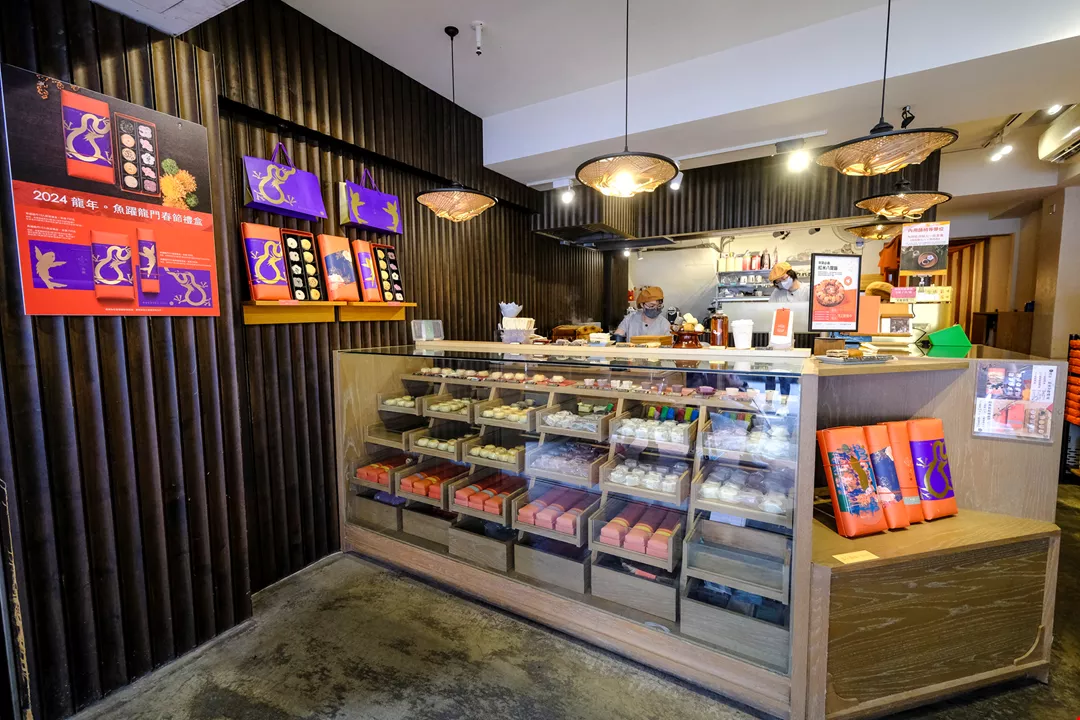
Compact songgao rice cakes on show in the wooden display case at Hoshing 1947, along with Chinese New Year cakes and various other pastries.
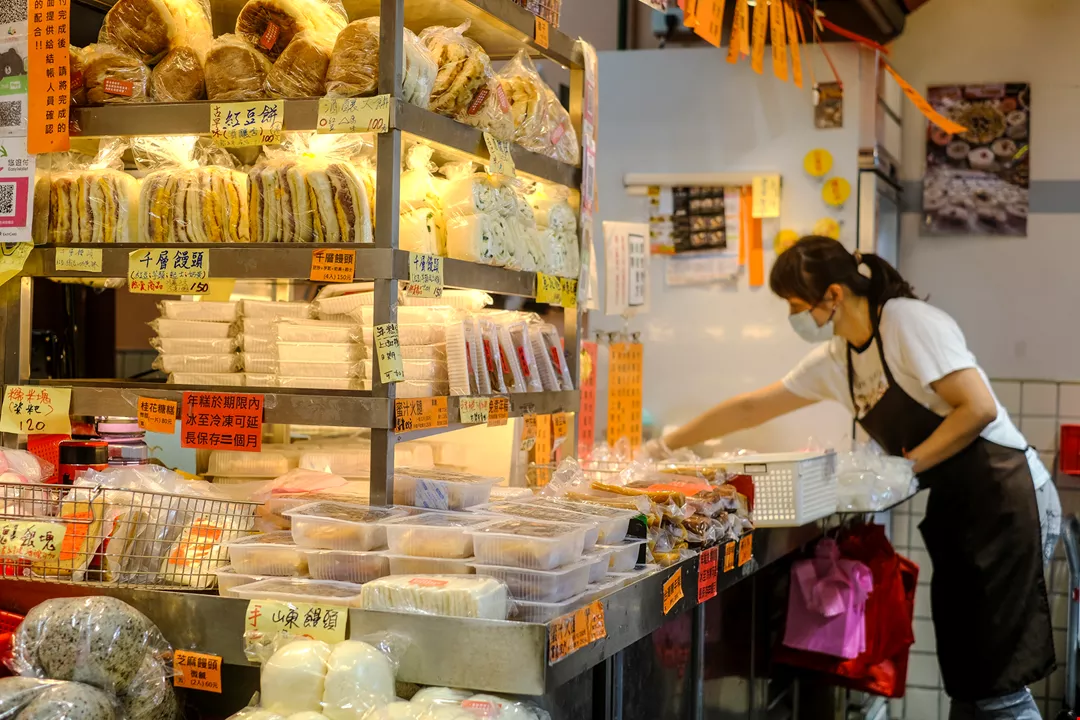
The handwritten notes on the shelves of the Hoshing cake stall in Nanmen Market not only show the names and prices of the products, they also list the pastries’ ingredients for first-time buyers. This creates a welcoming and heartwarming atmosphere.
Island pastries
If we trace the historical development of rice pastries, it has perhaps been the aspiration of every pastry chef past and present to build bridges between tradition and innovation. An old saying in Lugang has it that those who live by writing eat fengyangao [“phoenix-eye cake”] while those who live by farming eat niushebing [“ox-tongue biscuits”]. This bears witness to how, over time, rice has gradually been transformed from a simple staple food to being refined and localized into new rice-based treats.
Wang Wenmin points out that besides steaming foods over a high heat, pastry chefs have begun trying out other methods of producing rice-based pastries. For example, ko-á-lūn (Mandarin: gaozailun), a kind of cake often used as a ritual offering at Ghost Festival on the 15th day of the seventh lunar month, is made by carefully steaming it over a low heat one hour a day for three consecutive days to produce little cakes that are soft but also somewhat chewy. Meanwhile, winter melon cake, which is made using glutinous rice flour, is also steamed over low heat to give the outside of this pastry, which contains a sweet filling of winter melon, a mochi-like texture that delights many people.
Wang, who has long observed and studied the rice-based food culture of people of Chinese ethnicity, adds that rice-based pastries are used differently in different parts of the Chinese-speaking world. For example, in Taiwan sweet sticky rice cake is often given at funerals to family members of the deceased by friends and relatives, while in China it is a common condolence gift given to bereaved families.
Though such factors as improvements in techniques and technologies, the addition of local ingredients, and differences in local customs, Taiwanese rice-based pastries have evolved to become an integral part of local culture, adding color to life on this island. Today, the traditions of rice-based treats that are part of the collective memory of Taiwanese have been inherited by a new generation who are writing a new chapter for these foods in the hopes of enabling travelers from around the world to come and try these simple yet delicious tastes.
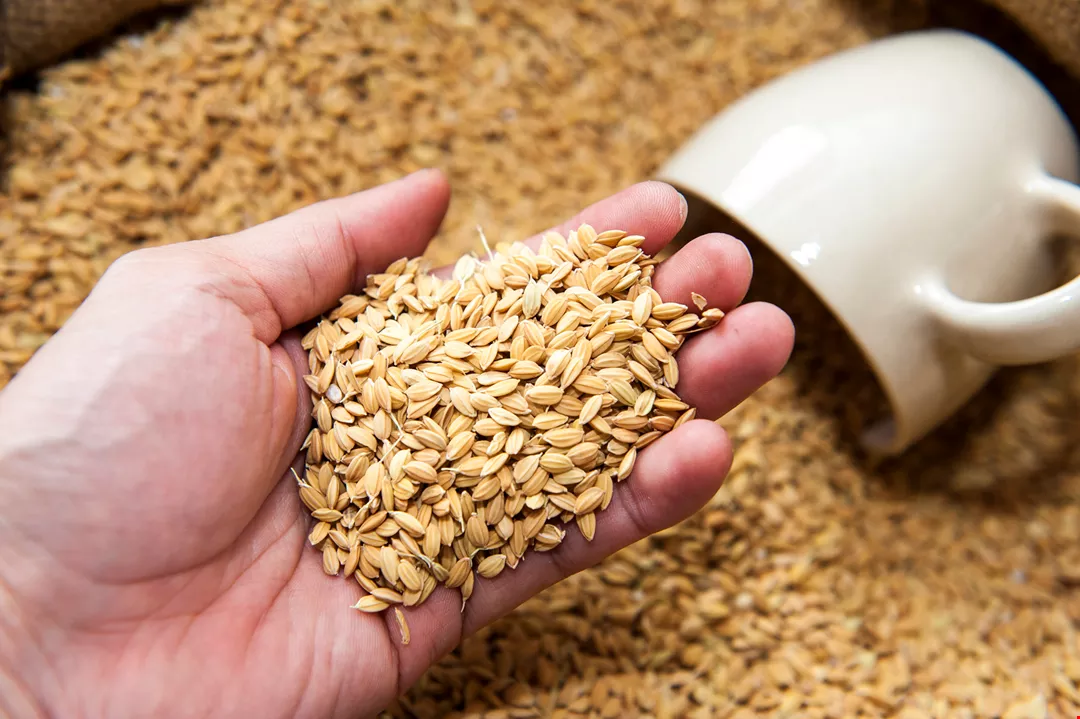
As if by magic, little grains of rice are transformed into mouthwatering foods.
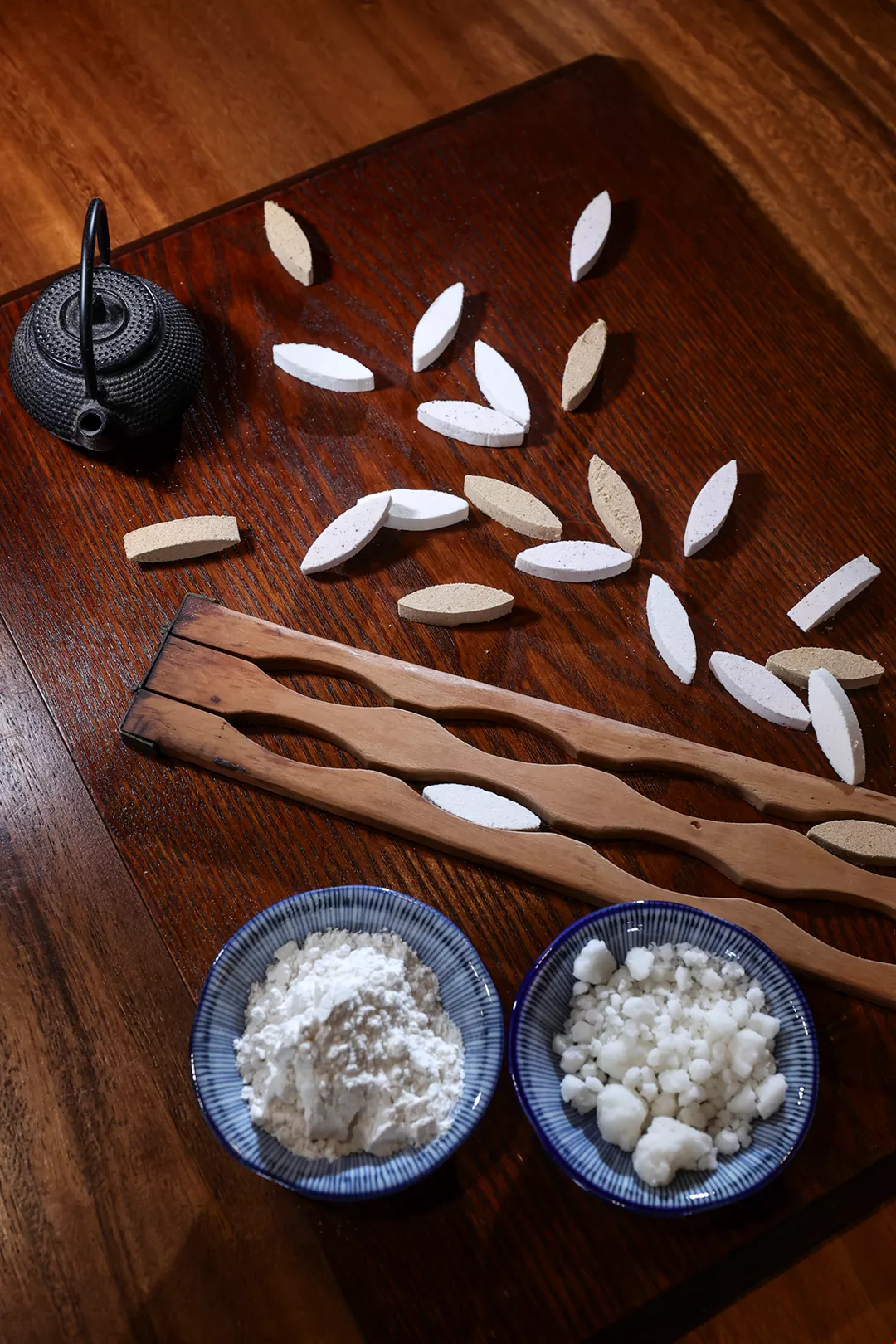
Rice-based pastries sweetened with sugar have developed from foods simply intended to relieve hunger to being refined and elegant treats. (photo by Jimmy Lin)


@List.jpg?w=522&h=410&mode=crop&format=webp&quality=80)


