Kaohsiung: Onward and Upward
Cheng Nai-hua / photos Jimmy Lin / tr. by Geoff Hegarty and Sophia Chen
January 2016

Bordered by the sea, Kaohsiung has experienced several major transformations in transport (the Mass Rapid Transit system) and urban space (the Love River and Kaohsiung Harbor) over the past two decades, shedding its image as purely a center of heavy industry.
In recent years, the arts have become a new focal point for Kaohsiung. With the annual Kaohsiung Spring Arts Festival and fall Kaohsiung Film Festival as major drawcards for the region, the harbor city’s former reputation as a cultural desert has become totally inappropriate.
The former appearance of Taiwan’s cities can be revisited through old images, which to some extent become a source of cultural remembrance.
In 1871, photographer John Thomson (1837–1921) from Edinburgh, Scotland heard Formosa described by the leader of the Presbyterian Church in Taiwan, James Laidlaw Maxwell (1836–1921), so he decided to visit. The name “Formosa” is said to have been given to Taiwan by Portuguese sailors who dubbed it Ilha Formosa—“beautiful island.”
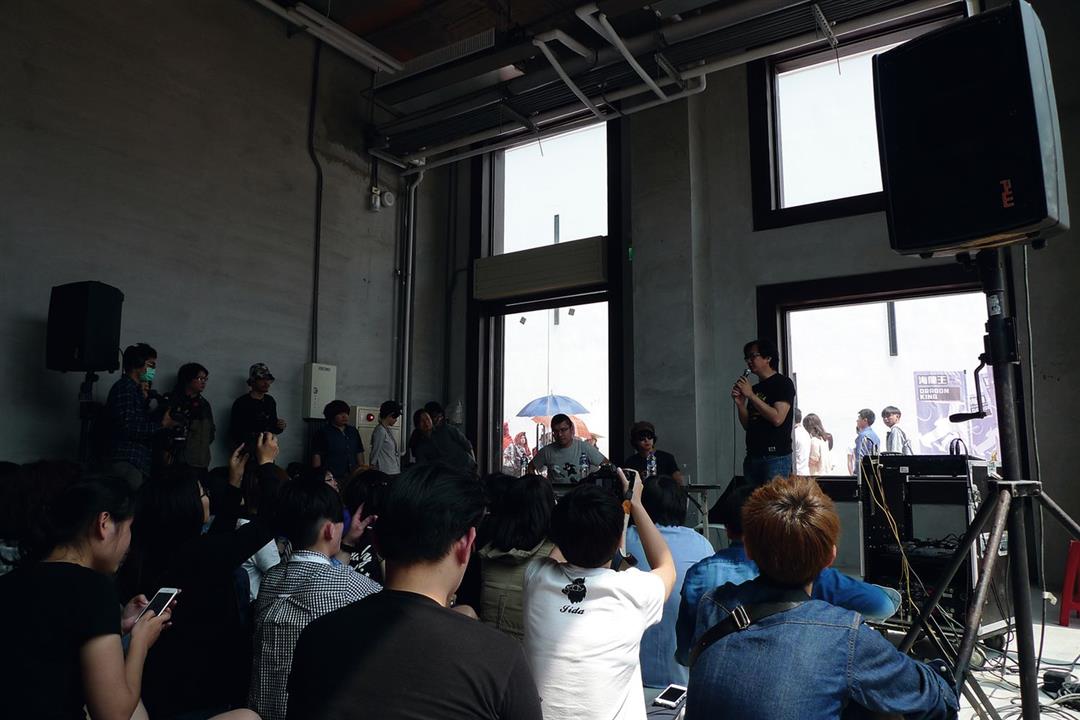
The 2015 Megaport Festival forum was held in the Pier-2 Art Center. (photo by Cheng Nai-hua)
Early images
Thomson captured many precious images of early Taiwan with his camera, mainly in and around Kaohsiung and Tainan, which today represent the earliest photographic records of the island.
Thomson visited Taiwan three times. He landed at Dagou Harbor (now Hamaxing in the Gushan District of Kaohsiung City) and took the first known photographs of Taiwan. Then he traveled north to visit Fucheng (now in the Anping District of Tainan City), and made a photographic record of Fort Zeelandia. Then, accompanied by Maxwell, Thomson continued deep into the mountains, passing Zuozhen in Tainan, and Muzha, Jiaxianpu, the Laonong River, and Liugui in Kaohsiung (today known as Neimen, Qishan, Meinong, Jiaxian, and Liugui).
The roads through the hills and valleys were rugged 140 years ago and travel conditions very harsh. On his many trips, Thomson met the plains Aborigines, mainly the Siraya and Makatto groups, who were recorded in his notes as being simple, hospitable, warmhearted, honest and sincere.
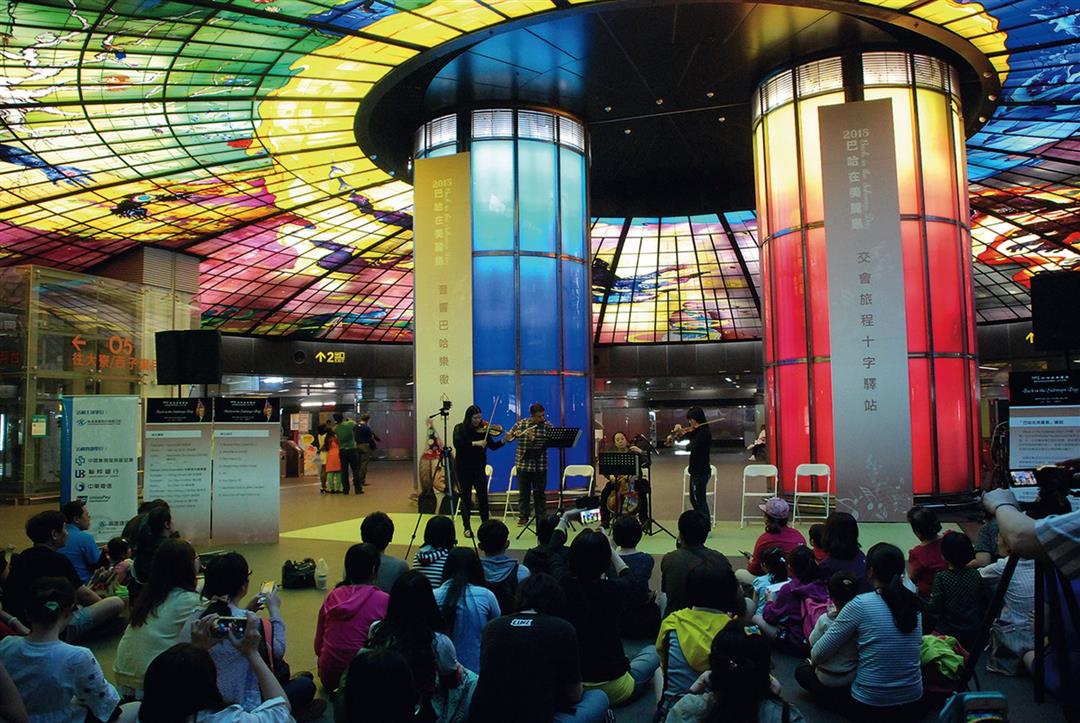
A Bach concert under way in the Kaohsiung MRT’s Formosa Station. (photo by Cheng Nai-hua)
From Dagou Harbor to Hamaxing
Hamaxing is one of the oldest regions in Kaohsiung. The name is a transliteration of the Japanese Hamasen (“coastal lines”), referring to the two very busy railroad lines that used to run to Kaohsiung Harbor. Today, those living on Qijin Island have to either travel through the harbor tunnel to Xiaogang District, or take the ferry if they want to go downtown. The joy of watching a beautiful sunrise or sunset from the ferry is a constant in the lives of Kaohsiung commuters, and a blessing considered romantic by visitors.
The southern part of the old Hamaxing coastal railway line has been transformed into the Kaohsiung Railway Cultural Park by the city’s Bureau of Cultural Affairs. The park’s southern end is next to Kaohsiung Harbor wharves and the Pier-2 Art Center, always packed with visitors on weekends and holidays. The park includes the old Kaohsiung Harbor Station—Kaohsiung’s first railway station—which now houses the Takao Railway Museum. The museum is close to Sizihwan Station, the MRT orange route terminal, making it very easy to get to.
The Hamaxing area is surrounded by many attractions including Xiziwan, a favorite spot for viewing the sunset; the former British Consulate and the official residence of the British Consul at Takao; and the Wude Temple Butokuden (martial arts hall), built in a Japanese architectural style.
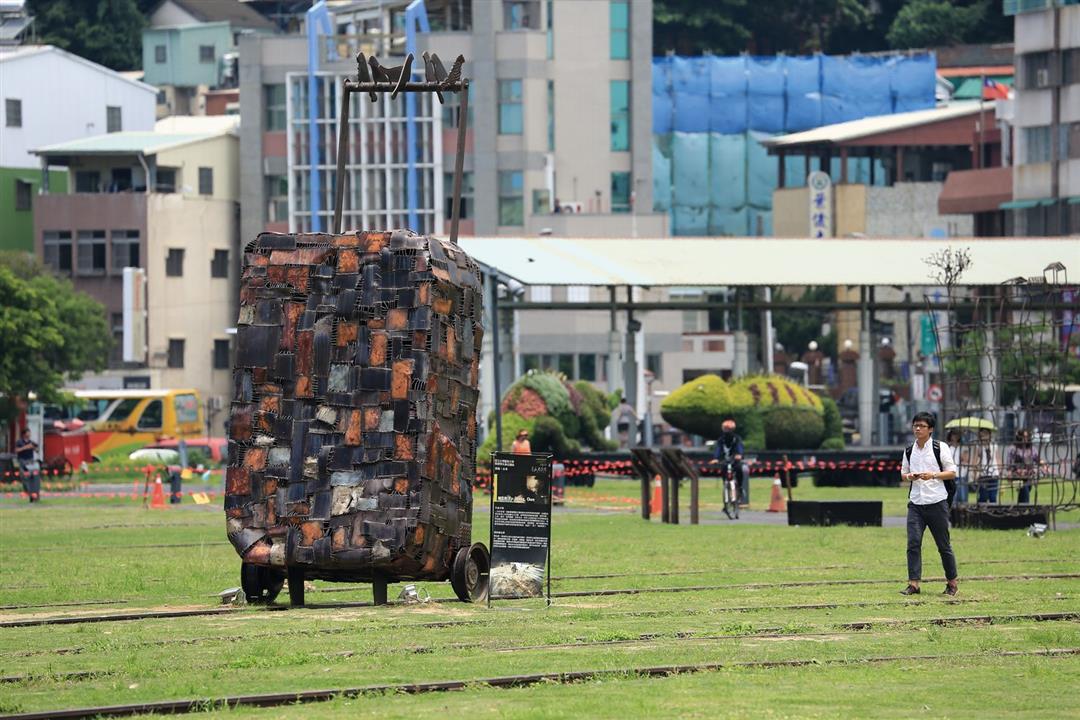
The Kaohsiung Railway Cultural Park in Hamaxing is home to the Takao Railway Musuem, housed in Kaohsiung’s earliest train station, the old Kaohsiung Harbor Station.
Arts in the Yancheng District
The sea is the final destination for all rivers; the sea is great and immense, accepting all who come to her. A city can also be great in accepting all comers, and can create a diverse and common historical remembrance. Kaohsiung is such a city, one fortunate enough to possess a profoundly diverse cultural heritage.
Immigration has always been a key feature of the port city of Kaohsiung, with Hamaxing and Yancheng among the earliest immigrant areas.
Yancheng District is second only to Hamaxing as the earliest development in Kaohsiung. In Juejiang (a part of Yancheng), the old complex network of streets has been preserved. Visiting an old-fashioned cafe, chatting to its ancient owner about the history of the city and the rise and fall of Kaohsiung’s industry—these are rich resources for those interested in maintaining history and culture.
The Thirty-Eighty Hostel on Wufu 4th Road, formerly a wedding salon founded in 1959, is now run by its third-generation owner Qiu Chenghan. Qiu returned to Kaohsiung from Taipei about three years ago to renovate his grandmother’s old business into a more artistic style. Although the building’s exterior is simple compared to others on the once bustling main streets of Yancheng, it is well regarded by the young and trendy.
Another Kaohsiung native playing an active part in the city’s transformation is a man by the name of Xie Yilin. Xie is an advisor to the Takao Renaissance Association, and is one of the owners of TakaoBooks.
Founded only two years ago as Kaohsiung’s first independent bookstore, TakaoBooks has become one of the city’s best known venues. The bookstore selects and recommends quality books for its customers, holding events such as celebrity evenings, discussions and storytelling. Customers are led to feel very much at home regardless of whether they’re buying or just browsing and chatting.
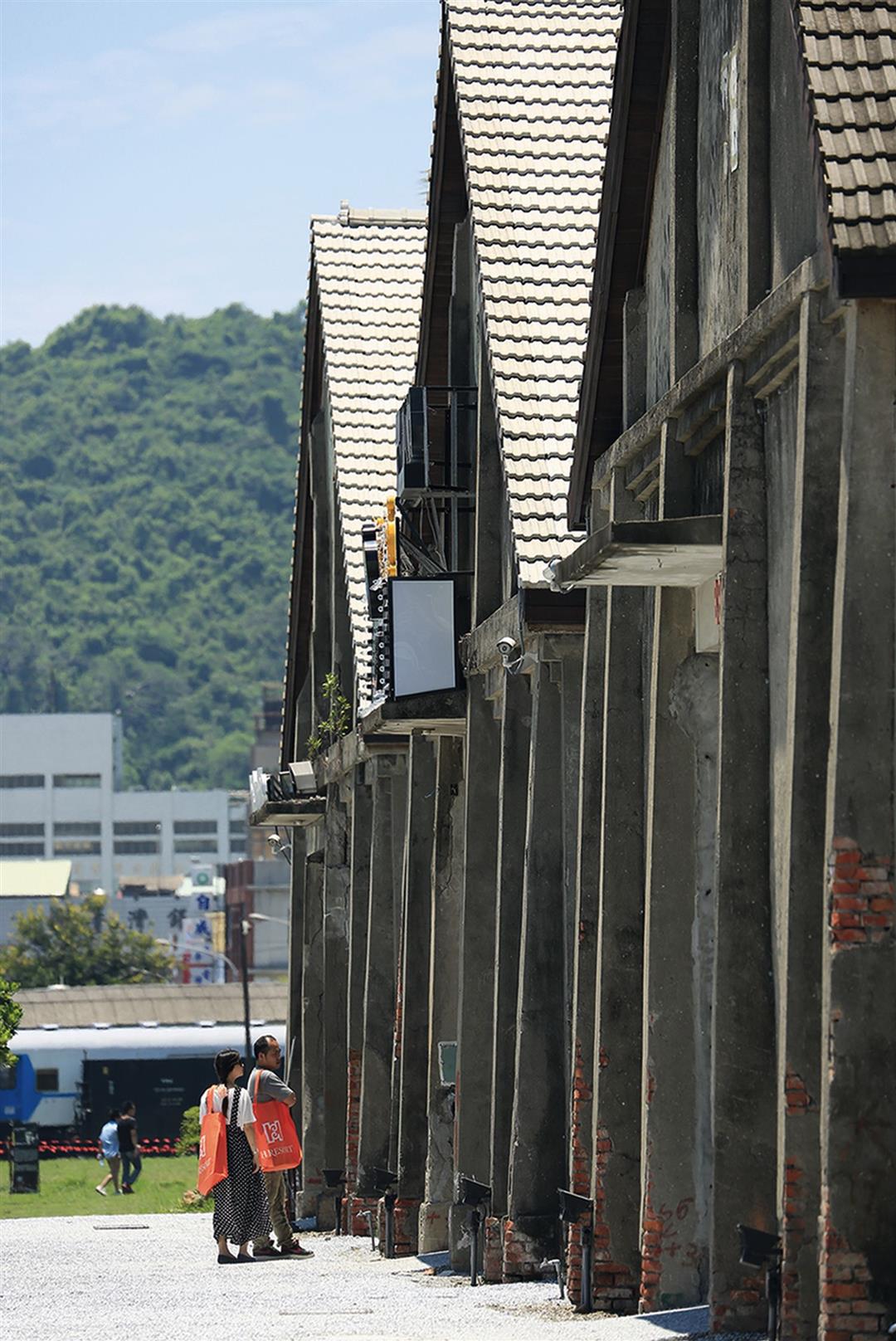
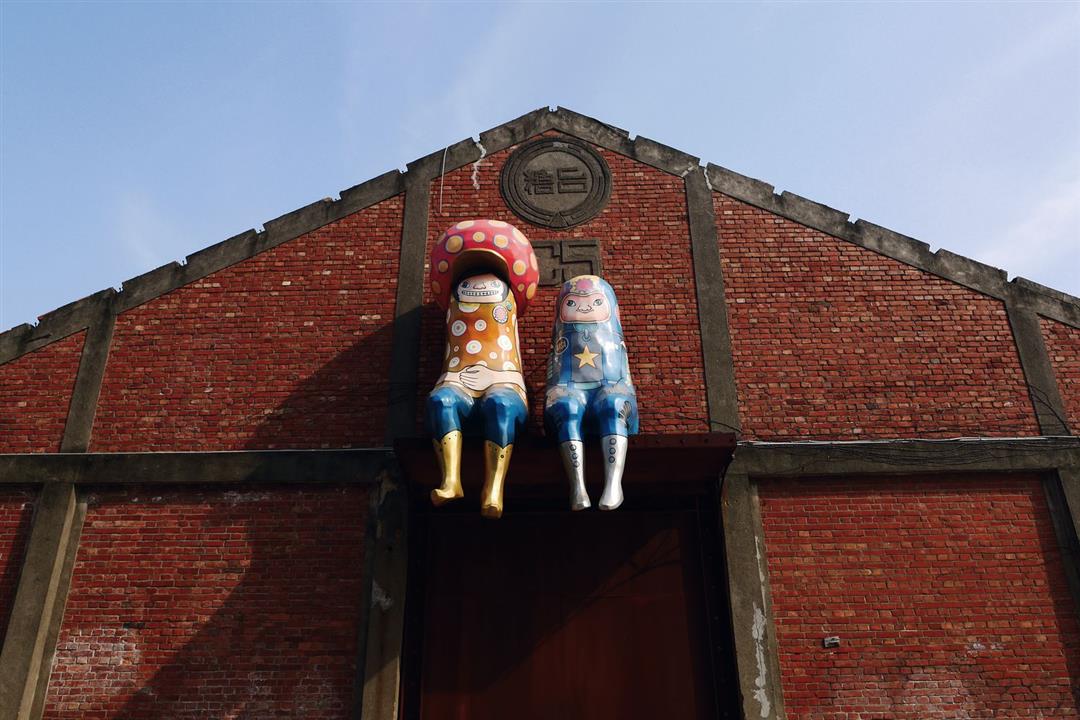
Shedding their old identity, these warehouses have become Pier-2 Art Center, an arts precinct and cultural base.
Transforming old warehouses
Macaca, born in the 1990s in Nantou County, is the owner of 72 Style Design Studio. After graduating from university in Kaohsiung, Macaca decided to stay there to work, renting as his studio a 40-year-old house in an alley off Xintian Road near the Hanshin business district, where he often works late into the night preparing briefs for customers. Macaca has become involved in a number of major cultural activities including the Kaohsiung Design Festival, and as a devotee of his adopted city, this year he has rented a second office in Dagouding, Yancheng District.
The Pier-2 Art Center at the end of Dayong Road in Yancheng is currently one of the most popular venues for the young arts crowd. The center was originally a warehouse built in 1973 on Pier 2 at the port.
While the center started in the Dayong warehouse area, in recent years it has gradually expanded to Dayi warehouse at the end of the Dayi Road, and Penglai warehouse on Qixian Road. As an arts platform and cultural/creative base, the complex is still getting under way.
Kaohsiung has transformed itself enormously since the Love River was cleaned up at the end of the last century, and in this century, the construction of the MRT has been a significant symbol of the city’s progress. This constantly evolving ocean-side city has founded its future on its old tales and stories, and continues to display the incredible energy that has made it the largest and most vital city in southern Taiwan.
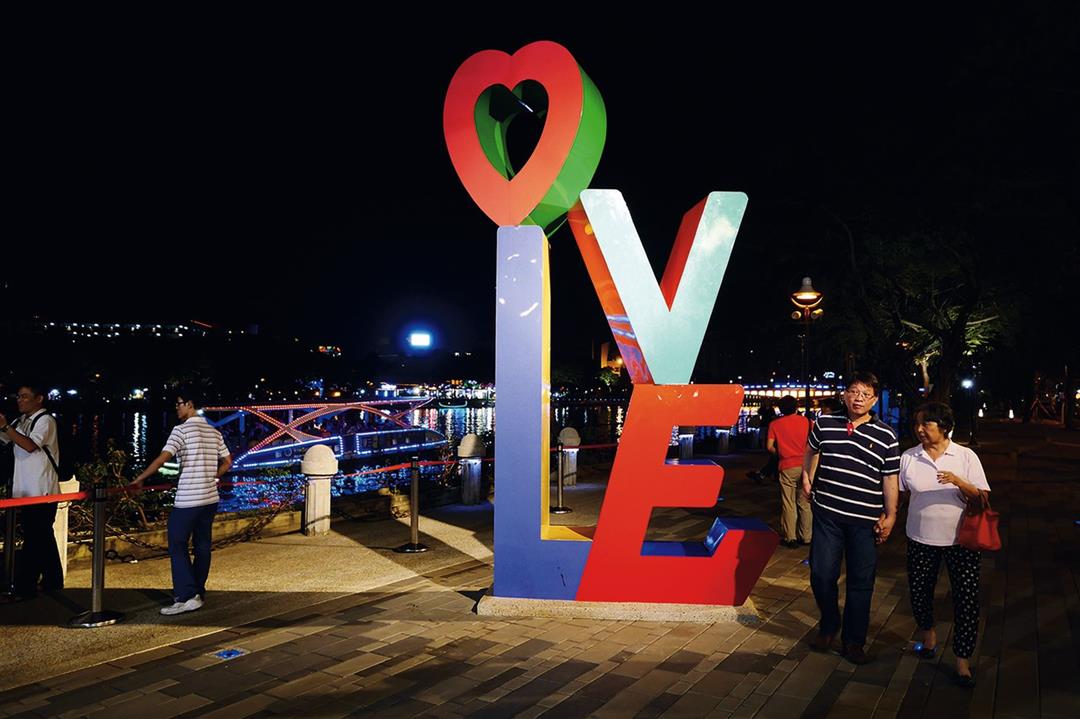
A major cleanup of the Love River has boosted tourism in Kaohsiung.
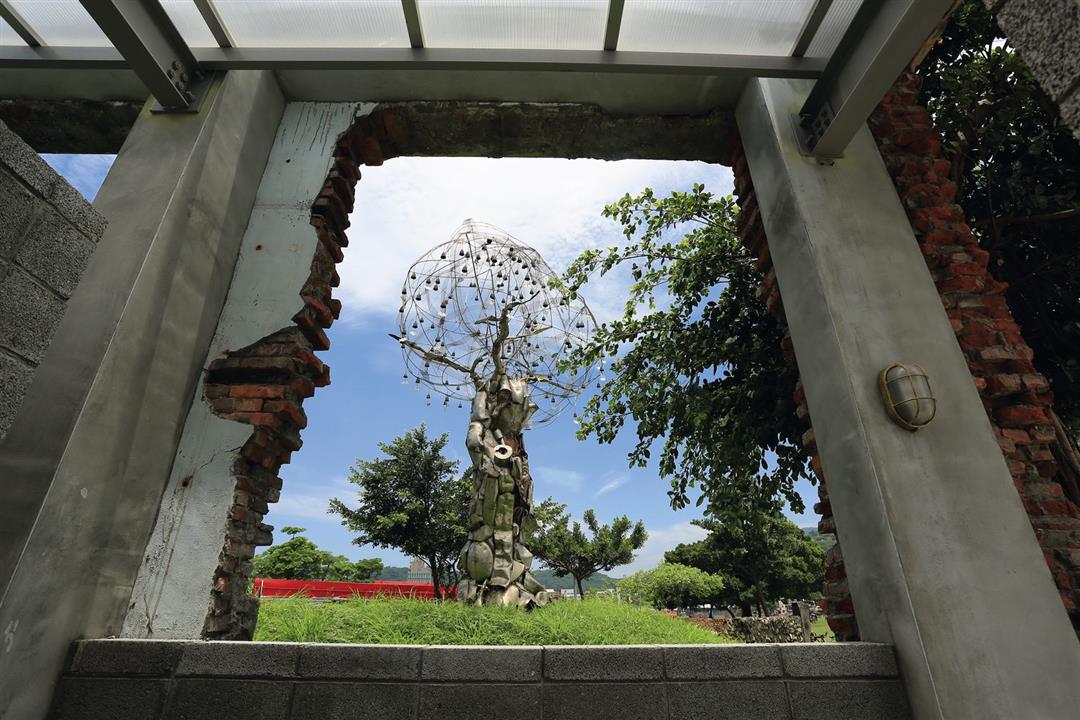
Once predominantly an industrial city, Kaohsiung has transformed its image with an injection of arts.
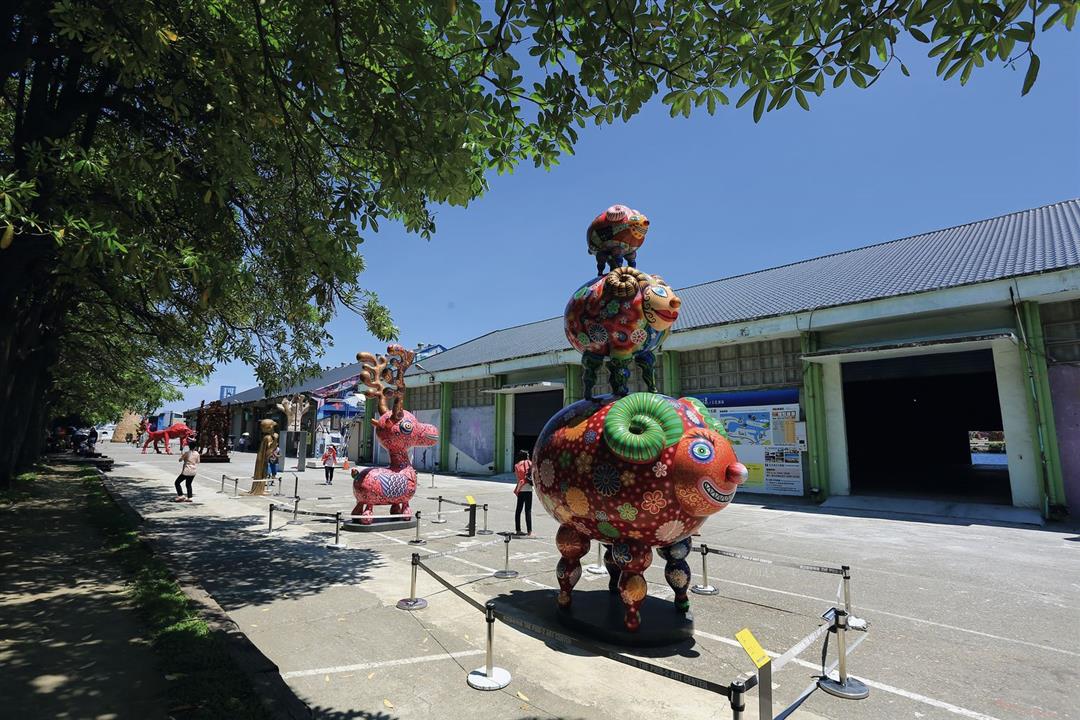
Managed by the city's Bureau of Cultural Affairs, the Pier-2 Art Center runs the Kaohsiung Design Festival, Art Kaohsiung and various other artistic events.
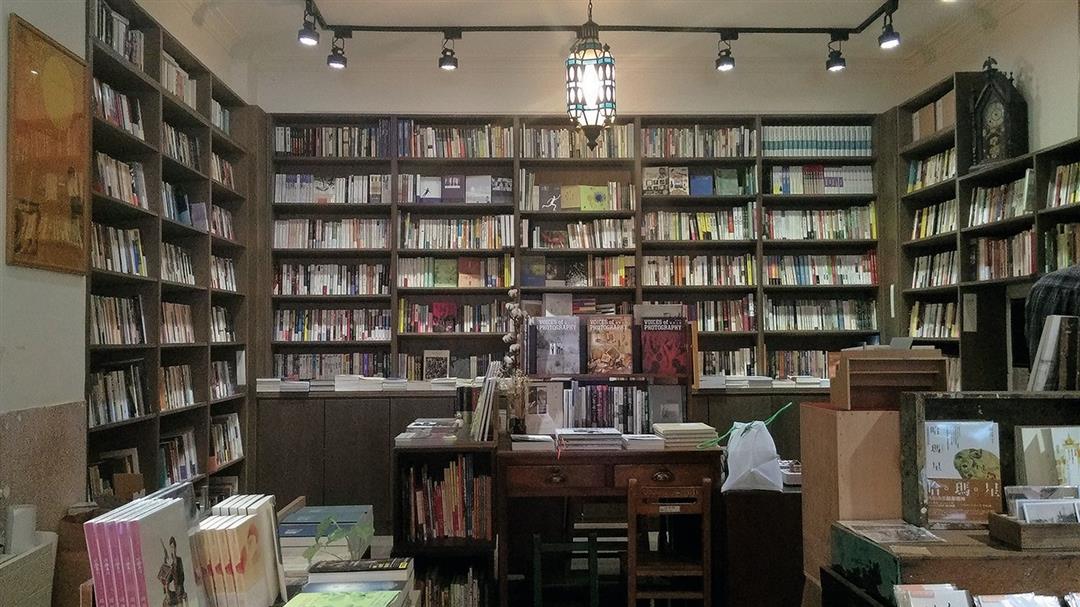
TakaoBooks has brought a touch of culture to this old building. (photo by Cheng Nai-hua)
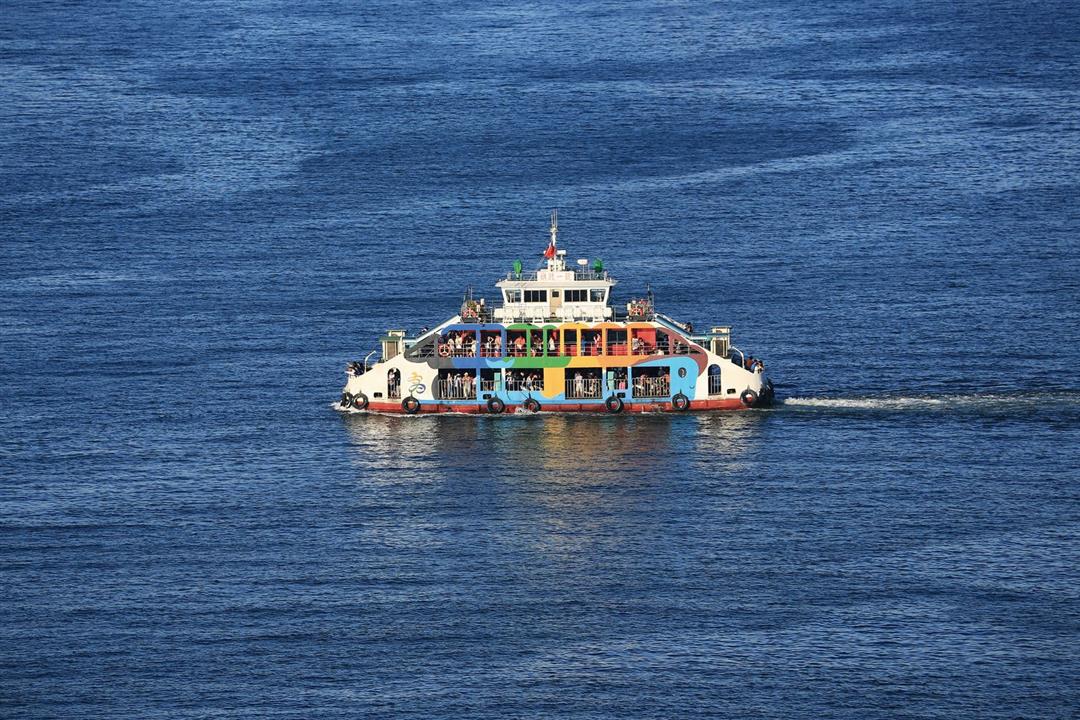
The Qijin ferry provides an essential service for residents as well as for visitors intent on experiencing the charm of Kaohsiung.


@List.jpg?w=522&h=410&mode=crop&format=webp&quality=80)


@List.jpg?w=522&h=410&mode=crop&format=webp&quality=80)
