"More Hawaiian than Hawaii," is one opinion of Taitung, the last piece of virgin territory in Taiwan. Bright, almost transparent ocean water, coconut trees gently swinging in the wind, snow-white beaches, it's almost too good to be true.
The eastern coastline of Taiwan, thanks to intensive geological activity and the unceasing influences of wind and water, presents a rugged appearance. Gorges, mountain creeks, coral reefs, sand dunes, and river valleys yield a landscape of rich texture, where natural barriers impede transportation and serve to keep the region unspoiled, as nature would have it.
All told, the distance between Changpin in northern Taitung County and Tawu in the south, is 176 km. Describing the area in its entirety unavoidably would omit many worthwhile spots, and Sinorama has described the Changpin area in an earlier issue, so this report concentrates on the part between Taitung and Sanhsientai, which stretches 65 km and can be seen easily in a two- or three-day trip.
Visitors can reach Taitung by air or ground transportation. Those coming by train or bus usually arrive in the middle of the day or in the afternoon. After a brief rest they may go to Hsiaoyehliu or Shanyuan Beach before turning in for the night in Taitung and setting out for Tulan or Chengkung the next day. Those coming by plane have much more time and can head directly to Chengkung and then go to Sanhsientai the second day before returning to Taitung.
From Taitung to Hsiaoyehliu is but 15 km, and visitors soon find that the area presents a myriad of different crags, platforms, and reefs. Some people like to camp and barbecue here. Lodging facilities for tourists, however, are still under construction and for those wanting to eat out, mountain cuisine, featuring masked civet, hawk, and flying squirrel, is the rule.
Two kilometers to the north is Taitung's only bathing beach, Shanyuan. Unmarked by signs, blessed by fine, white sand, and shaped like a crescent, the spot gives the effect of being inlaid into the coastline itself. Children often like to the plunge into the surf with but one piece of clothing, but teachers usually manage to persuade the boys to keep on an extra piece and the girls two before they rush off and swim and splash themselves silly with delight.
Said the writer Chang Hsiao-feng of Taitung's beaches, "It is difficult to fathom why people from Taiwan will spend so much money and wait in such long lines to get American visas to spend three days in Hawaii, when Taiwan already has a spot more Hawaiian than Hawaii." Shanyuan indeed bears up quite well in comparisons with Waikiki or Pattaya in Thailand, though the lodgings and eating facilities remain a bit primitive at present.
Leaving Shanyuan and proceeding to Tulan, visitors can view the apparent phenomenon of water going uphill. Beside the rock is a water ditch. Throw a leaf on the water... and yes, the leaf looks as if it is being carried upward. Experts, however, have found the water's source to be two centimeters higher than the bottom, with the snaking course taken by the ditch serving to deceive the untrained eye. Furthermore, owing to the ditch's being above the highest point of the mountain road, confusion results when road and ditch meet. In truth, the ditch runs even with sea level.
Tulan owes its fame to the precious gemstones that can be found in its earth, among them being sapphire, agate, and topaz. The prospects for sudden wealth have inspired many people to come and try their luck. Taitung County Tourism Section Head Liao Yuan-lung found a sapphire stone here, which he had inlaid and which his wife wears proudly around her neck. Says Liao, "No one believes I found it myself."
The Tulan Forest is also nearby. Owned by the Land Bank of Taiwan, the nursery raises a number of plants, such as white popinac, cinnamon, cocoa, sugar, passion fruit, and grapes. White popinac trees, used for making paper pulp, claim the greatest number, and are best viewed at dusk, in bloom with their pistils waving softly in the breeze.
From Tulan to Tungho and then onward eighteen kilometers is the fishing village of Chengkung. Lobster, bonito, abalone, and blood calms are caught in the waters nearby, but the town owes its fame to maki, a kind of fish dish. Making maki is a laborious process, resulting in hard, black "lumber." Sold by the strip in the market, maki is usually used to complement other foods, and visitors usually buy some packages to take back home.
Tulan at dawn presents a hazy sight of soft colors. The harbor is nearly empty, with most boats already out on the water fishing. Visitors wanting to view the sunrise at Sanhsientai should set out as early as possible, and then see the Tulan fishing harbor on the way back.
Sanhsientai, literally "The Platform of the Three Immortals" owes its name to myth. As the Eight Immortals were making their passage across the sea, the dashing Lu Tung-pin and the comely Ho Hsien-ku struck up a liaison, spied upon by T'ieh Kuai-li. All was seen, unknown to the others, by the keeper of heaven's south gate. Furious at the shenanigans, the keeper threw his sword at the parties concerned, but it missed its mark. Later, people referred to the spot where Lu, Ho, and T'ieh stopped as "The Platform of the Three Immortals," and said that it was the sword of the keeper that split the mountain in two, creating Spirit Sword Gorge.
One thousand meters long and 350 meters wide, Sanhsientai is surrounded by steep coral reefs. About two hours are needed to properly see the island, currently reachable via reef at low tide. Many visitors go to fish, returning the next day at ebb tide. Anglers can fish from the beach, the rocks, or a boat, but fishing from the rocks, with the surf pounding in, is perhaps the most challenging. Ocean stones, however, remain perhaps the best catch at Sanhsientai, coming in colors of bright green, mint green, sapphire, coffee, transparent and agate. Plans are afoot to build a bridge next year, which would lessen the excitement considerably.
Such beauty on a small stretch of seashore makes Taitung a most romantic place for those looking to get away for a few days.
[Picture Caption]
"Hurry up! Our jaws hurt and our mouths are full of sea water! Youngsters play in the surf at Shanyuan.
(Left) A large marble quarry near Tunghochiao. Workers drill steel rods into the rock and then split it apart.
(Right) Hemmed in between mountain and sea, Taitung offers both mountain cuisine and seafood When faced with mountain goat and rabbit, to eat or not to eat, that is the question.
"Is the water really going upward?" No, but it seems so.
A slow day for this coral seller at Sanhsientai.
(Right) Sorry, this catch at Chengkung isn't shark's fin, just shark's tail.
(Left) Paishoulien viewed from Sanhsientai presents a tranquil sight.
Dawn at Sanhsientai offers an ethereal scene.
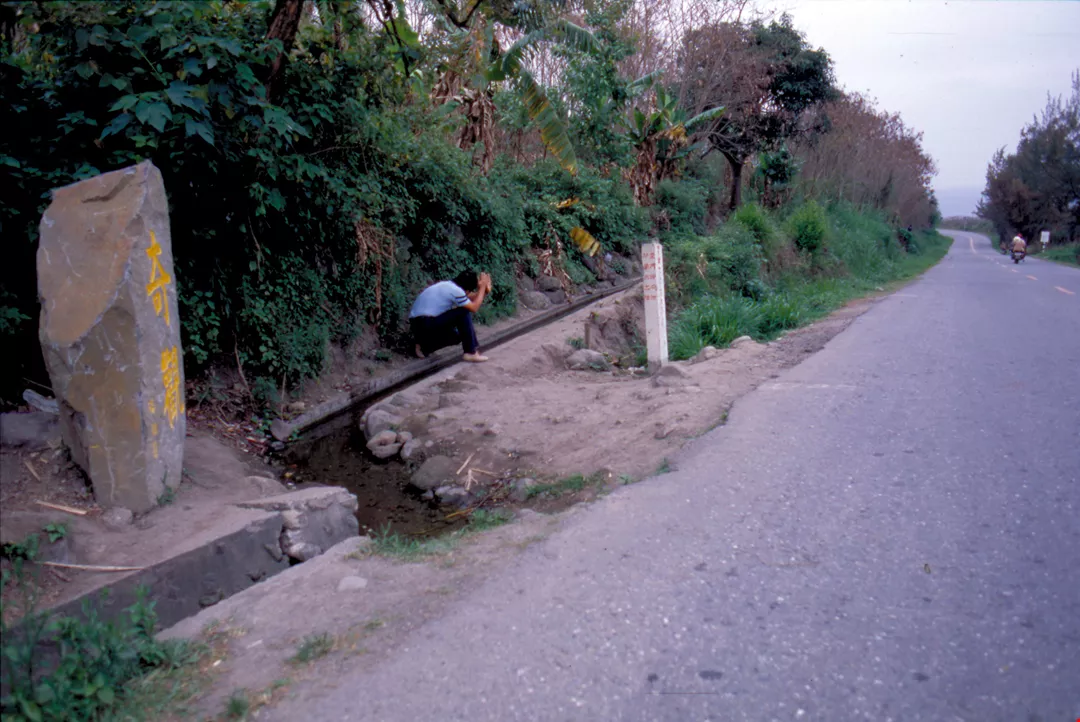
"Is the water really going upward?" No, but it seems so.
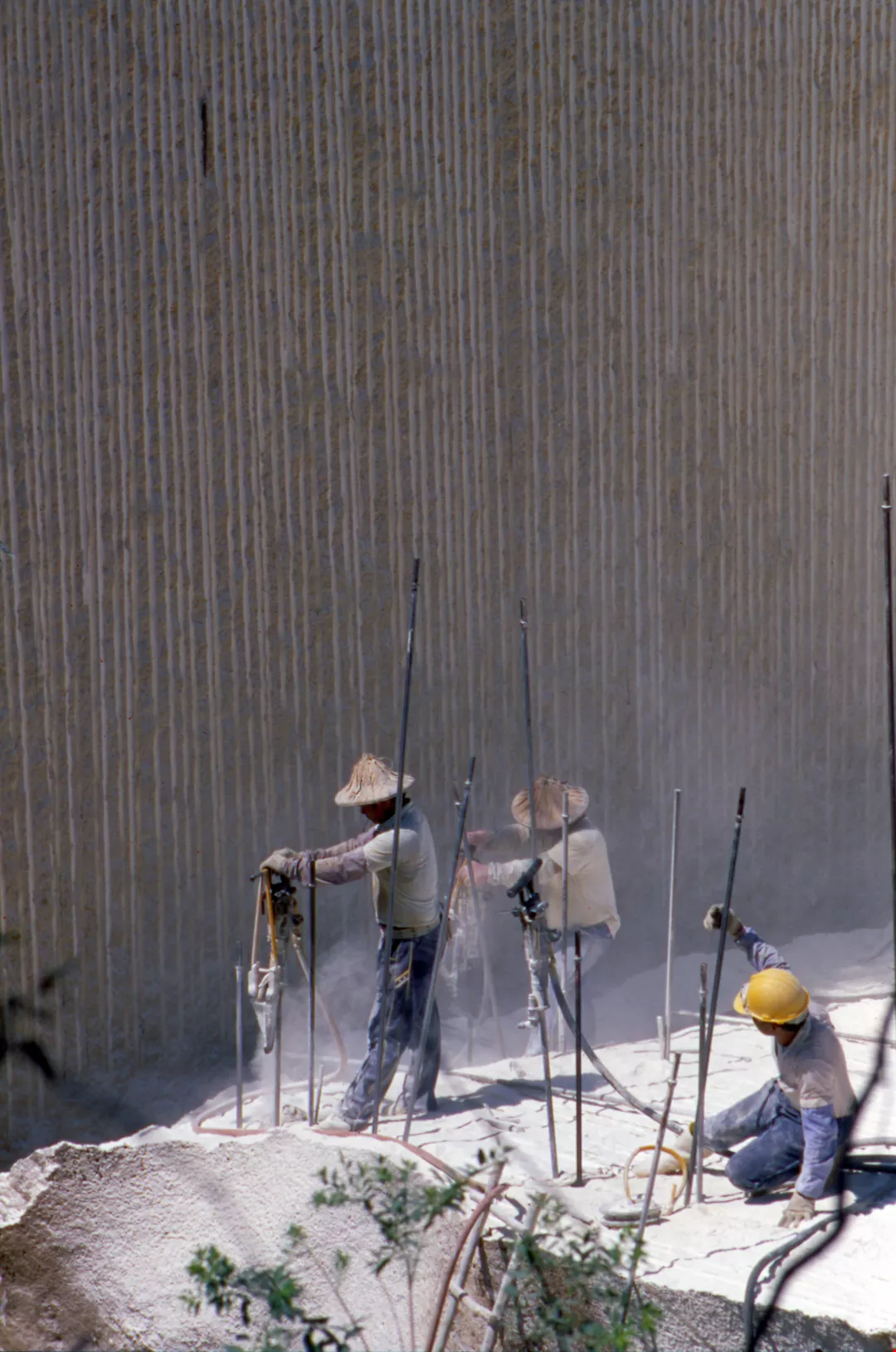
(Left) A large marble quarry near Tunghochiao. Workers drill steel rods into the rock and then split it apart.
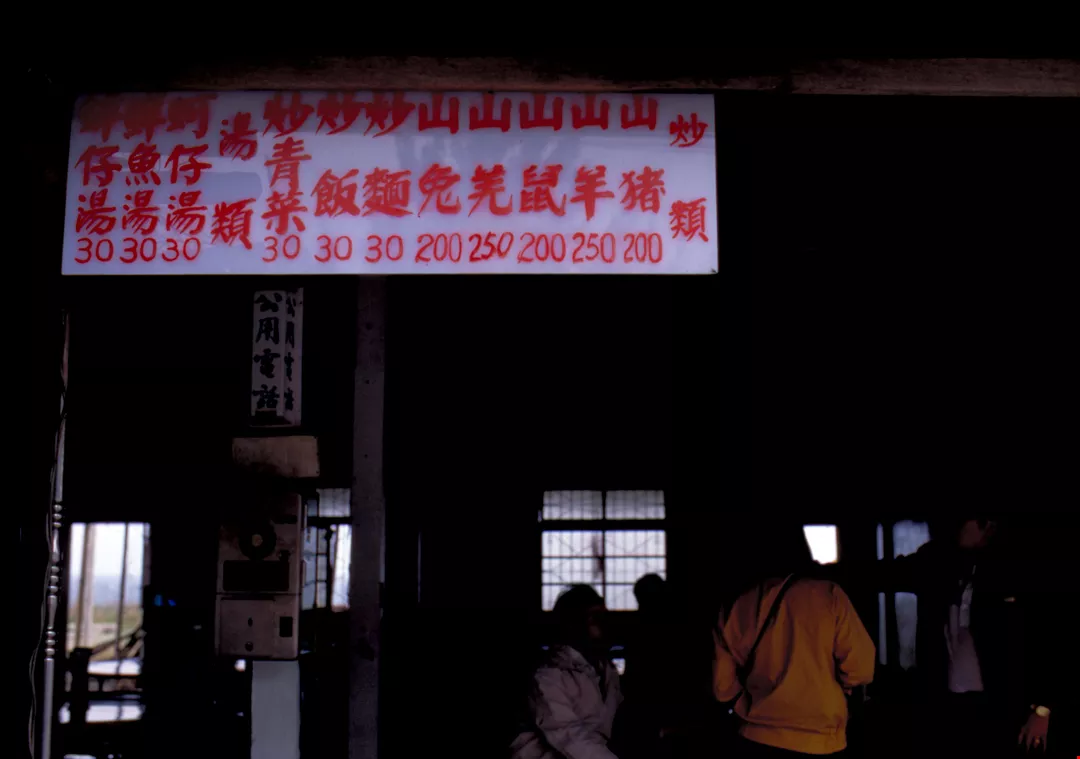
(Right) Hemmed in between mountain and sea, Taitung offers both mountain cuisine and seafood When faced with mountain goat and rabbit, to eat or not to eat, that is the question.
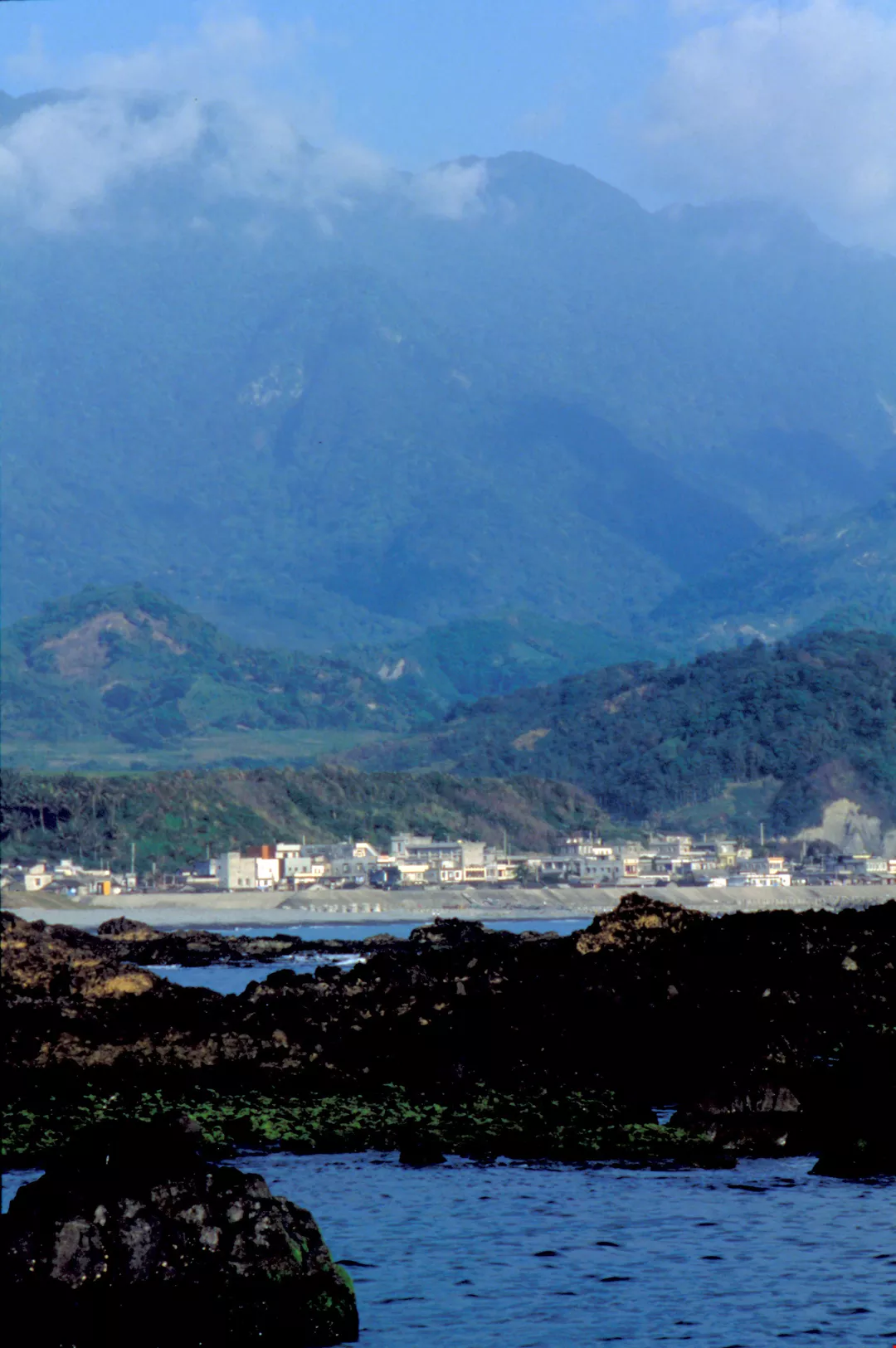
(Left) Paishoulien viewed from Sanhsientai presents a tranquil sight.
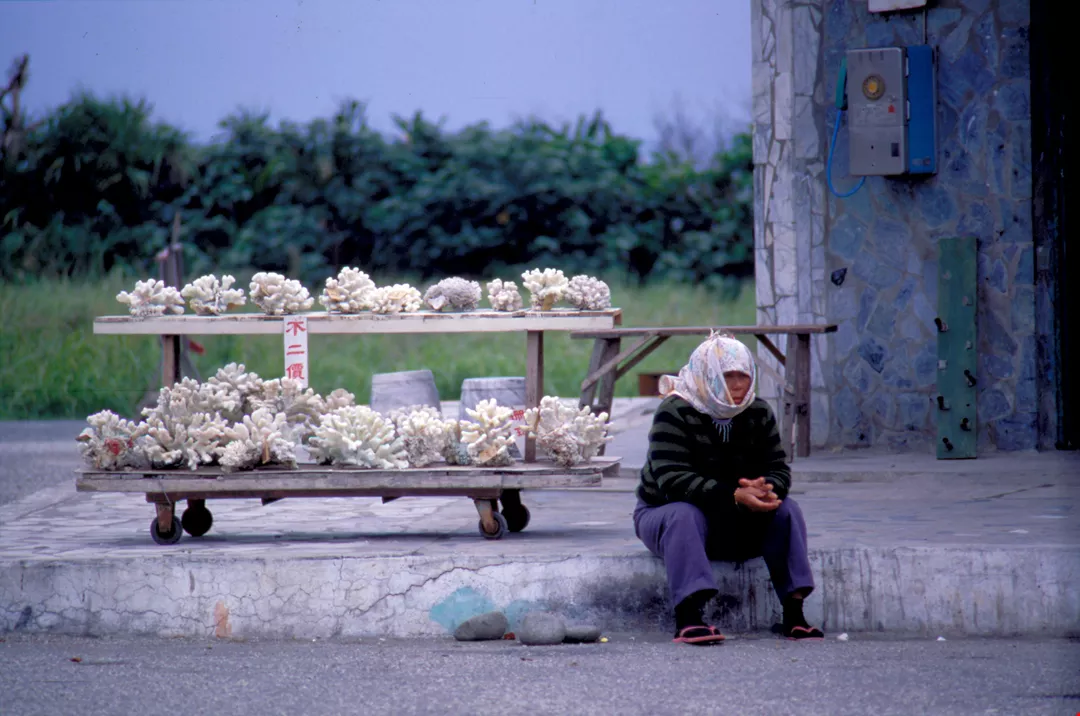
A slow day for this coral seller at Sanhsientai.
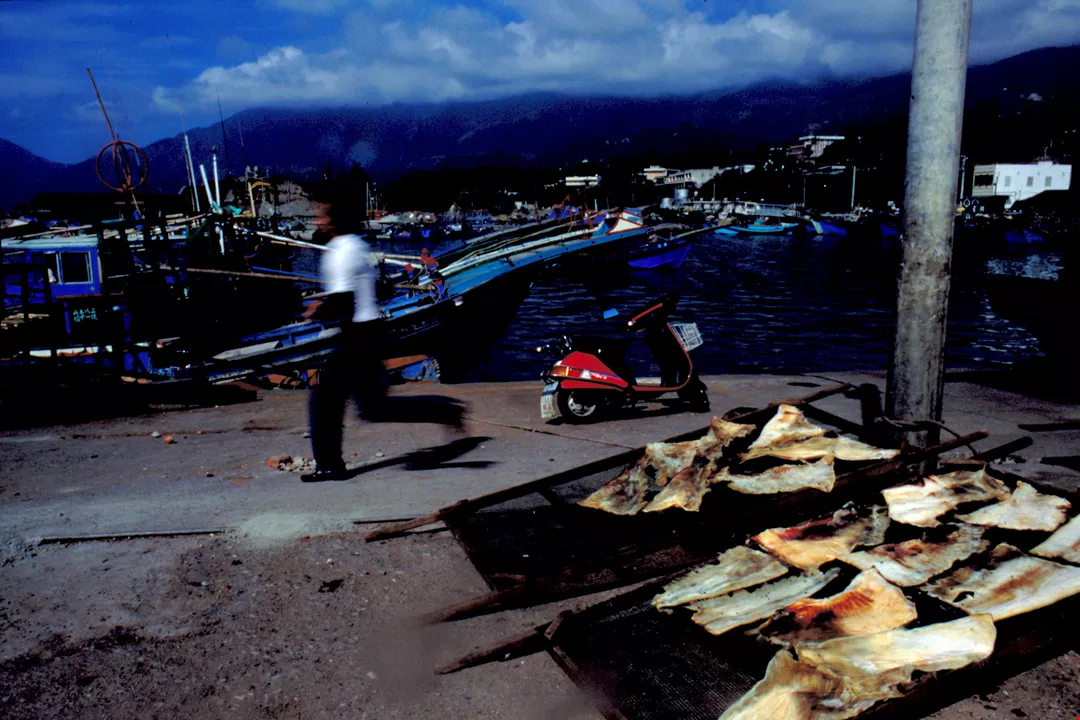
(Right) Sorry, this catch at Chengkung isn't shark's fin, just shark's tail.
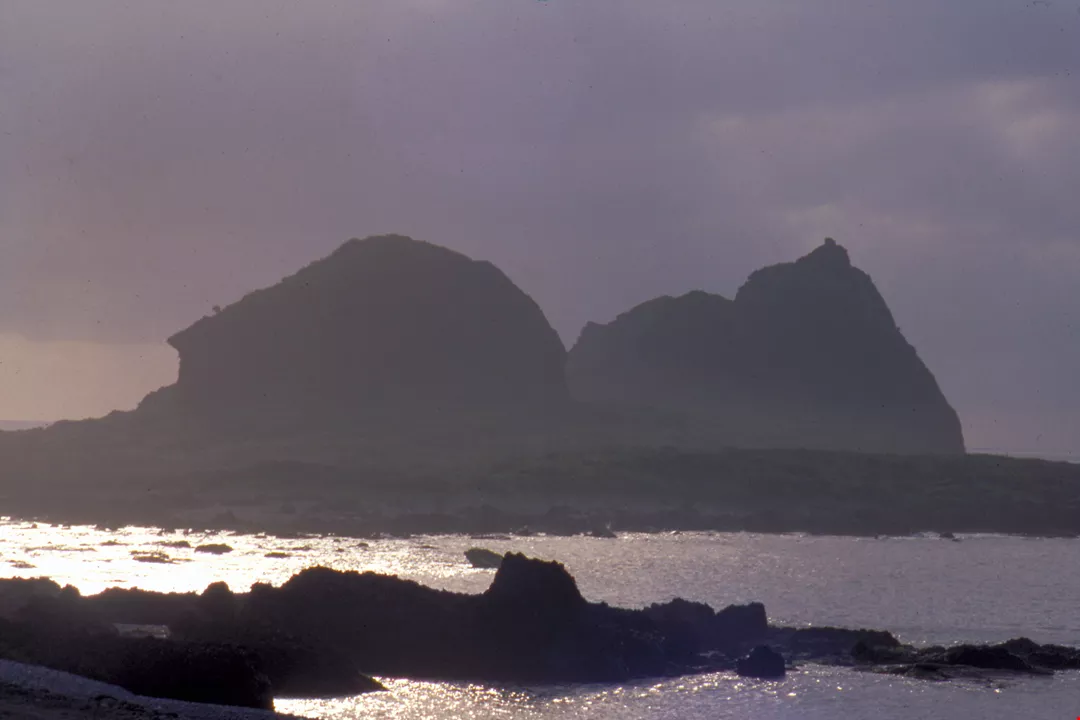
Dawn at Sanhsientai offers an ethereal scene.




@List.jpg?w=522&h=410&mode=crop&format=webp&quality=80)


@List.jpg?w=522&h=410&mode=crop&format=webp&quality=80)
@List.jpg?w=522&h=410&mode=crop&format=webp&quality=80)