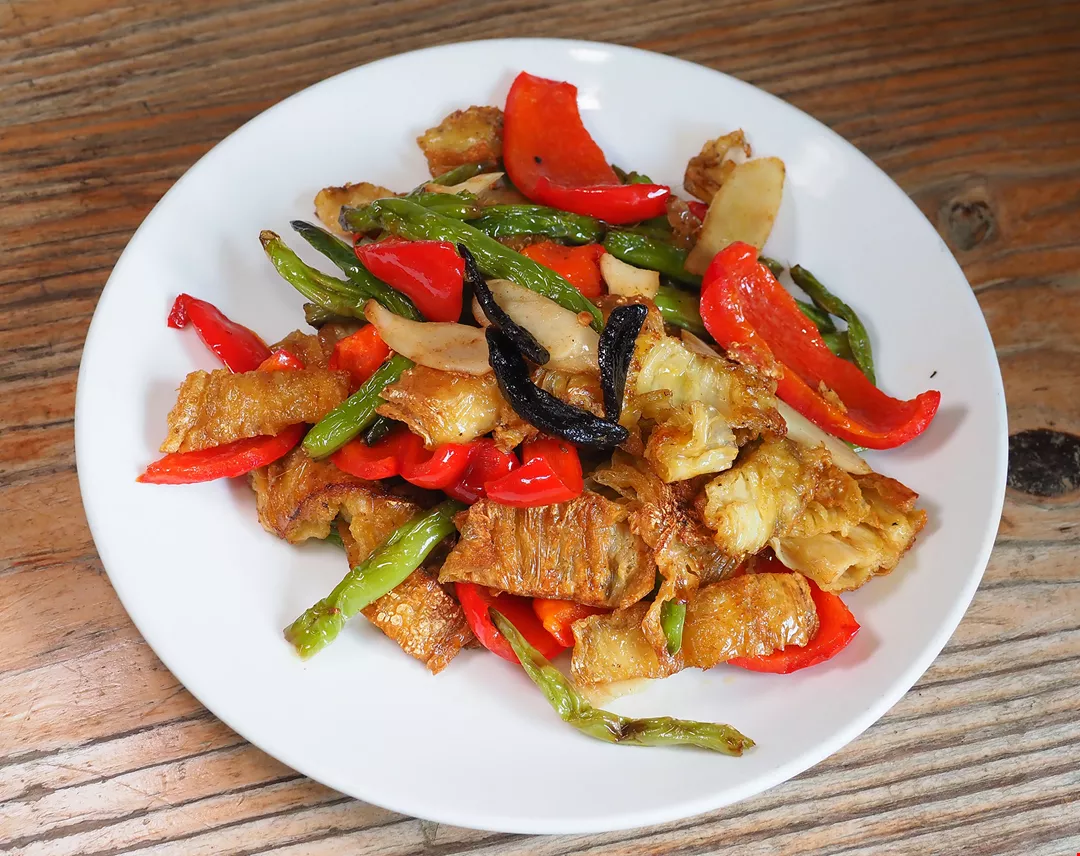
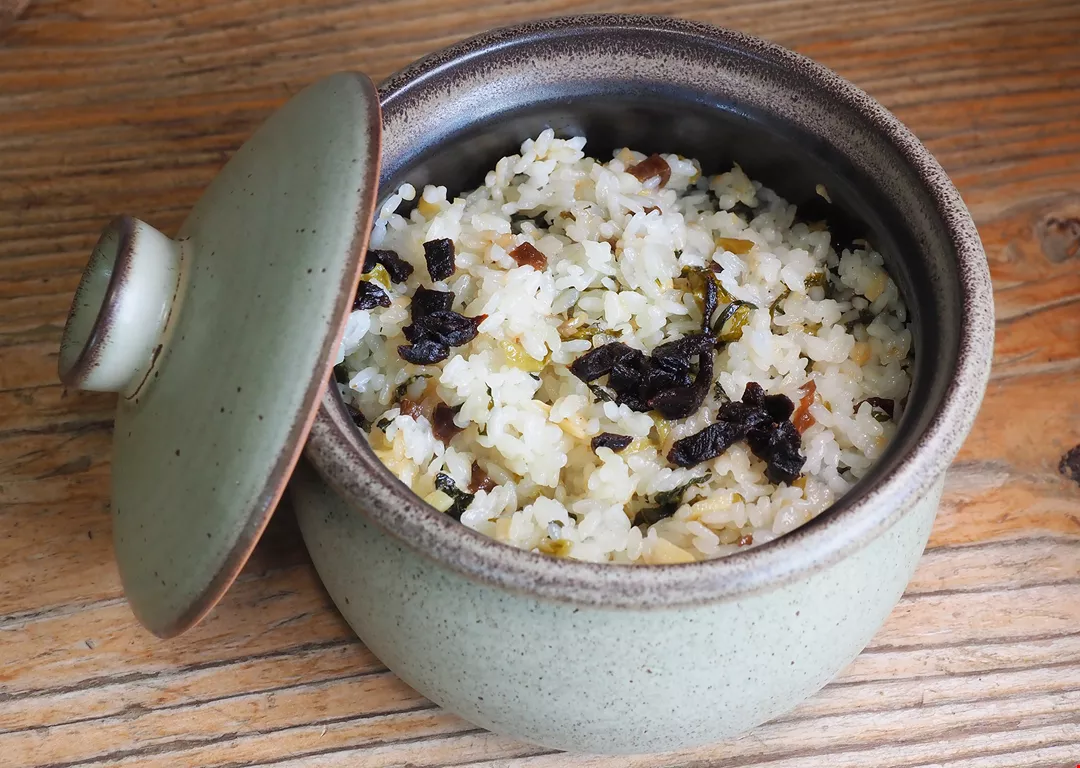
A beautiful misunderstanding
Liu, who worked in the printing and binding industry for more than 30 years, tell us her story from the beginning. In 1996 she became ill from overwork and began to pay particular attention to the sources of her food. In Hengchun, Pingtung County, she found mustard greens that “looked tough, but in fact were very tender,” making excellent raw material for pickled mustard greens. There were also niuyizai radishes, a small local variety. Grown in the red laterite soil under the intense Hengchun sunshine, with the föhn winds blowing off the mountains, they were exceptionally fresh and sweet.
Having found good ingredients in Hengchun, Liu went ahead and contracted an order for 10,000 catties (6,000 kilograms) of radishes from a small farmer to make pickled radishes.
Unexpectedly, when the radishes were delivered the farmer said he had 100,000 catties, and with each side sticking to their guns, the farmer declared: “You Taipei people always back out.” To save the reputation of Taipei people, she bit the bullet and accepted all 100,000 catties.
“If a small farmer pulls up 100,000 catties of radishes by hand, he would probably need to seek medical care. That applied all the more to us, since we had to wash them and pickle them in salt. We nearly went crazy doing it, but luckily I had done factory work in the past.” Liu’s description of the situation brings a smile to her listeners’ faces.
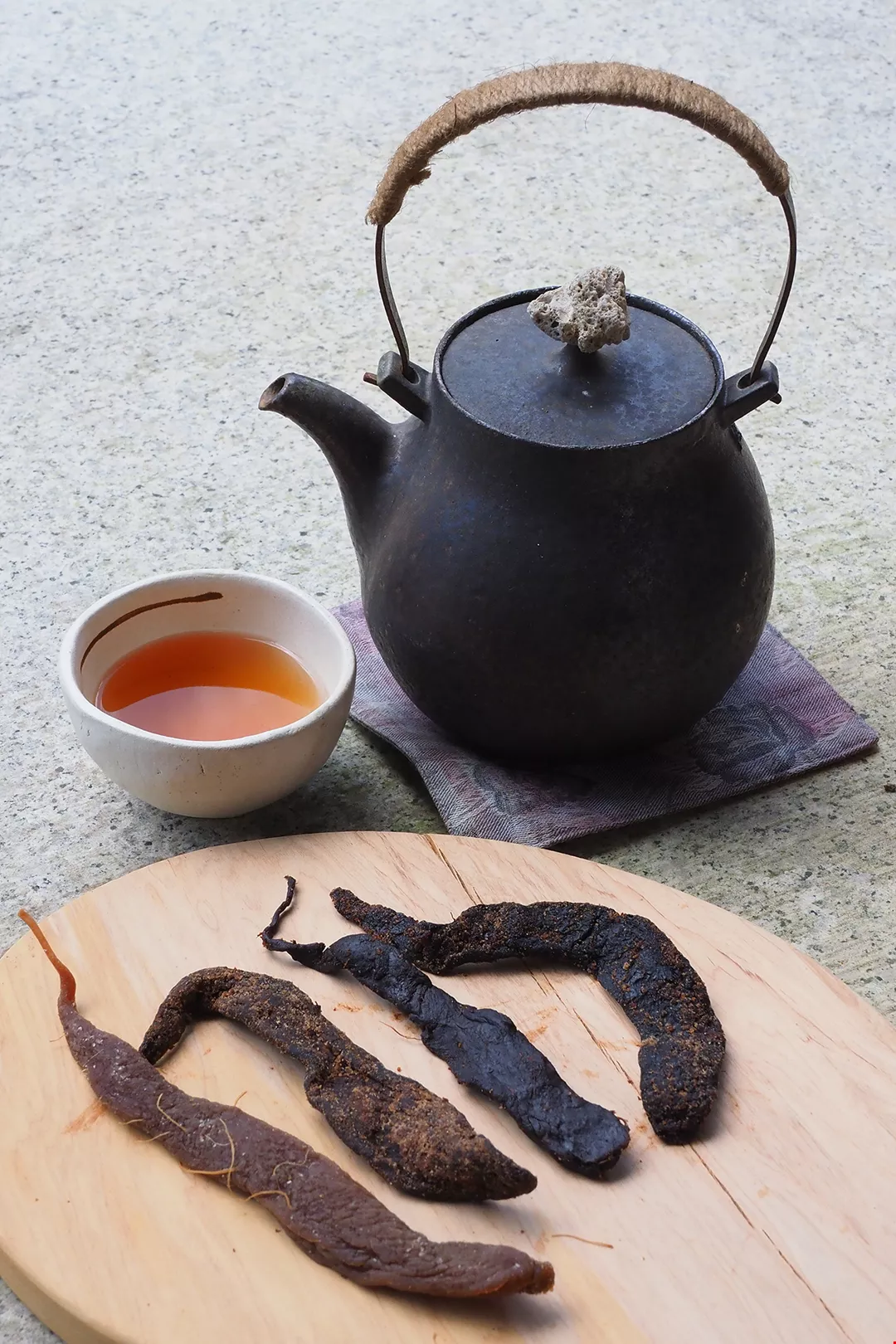
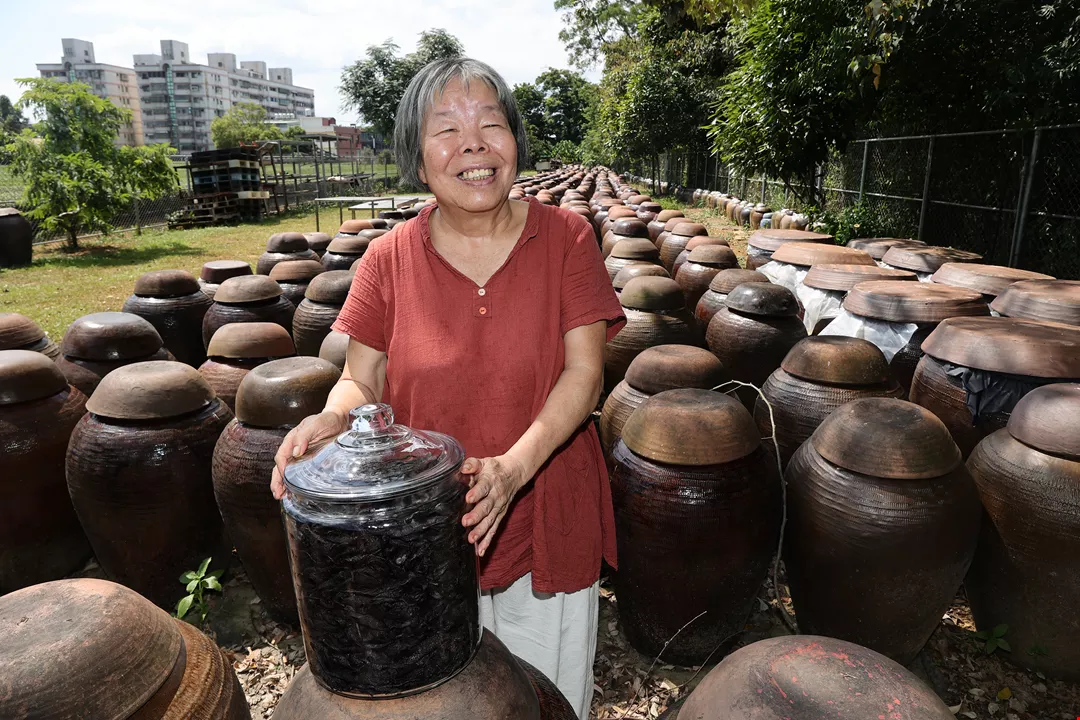
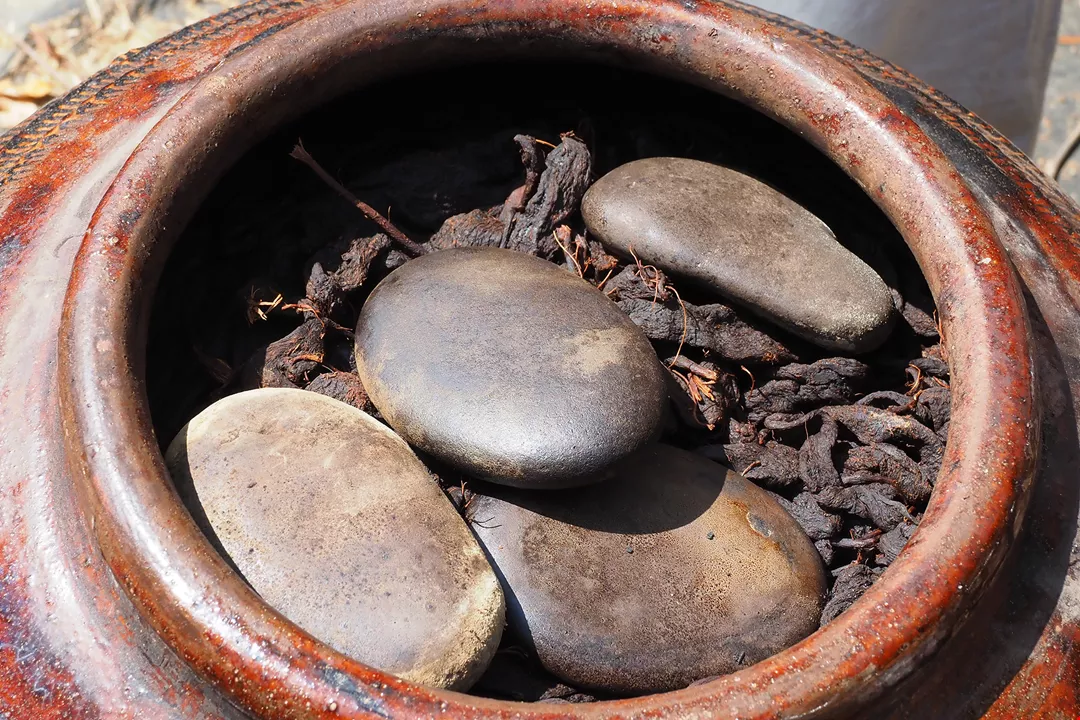
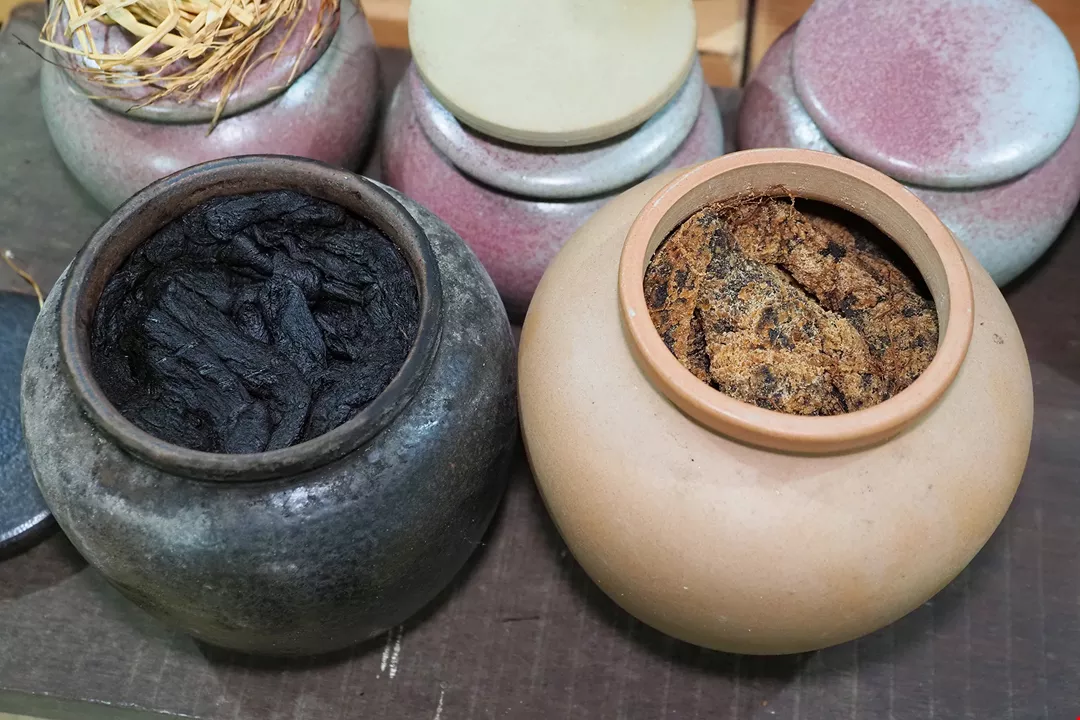
She decided in the end to leave the mistake uncorrected, and began to pickle 100,000 catties of radishes each year. This is how she ended up with more than 1,600 pickling vats filled with “black treasure,” as the hard work of the past became the joyous family tradition of the present.
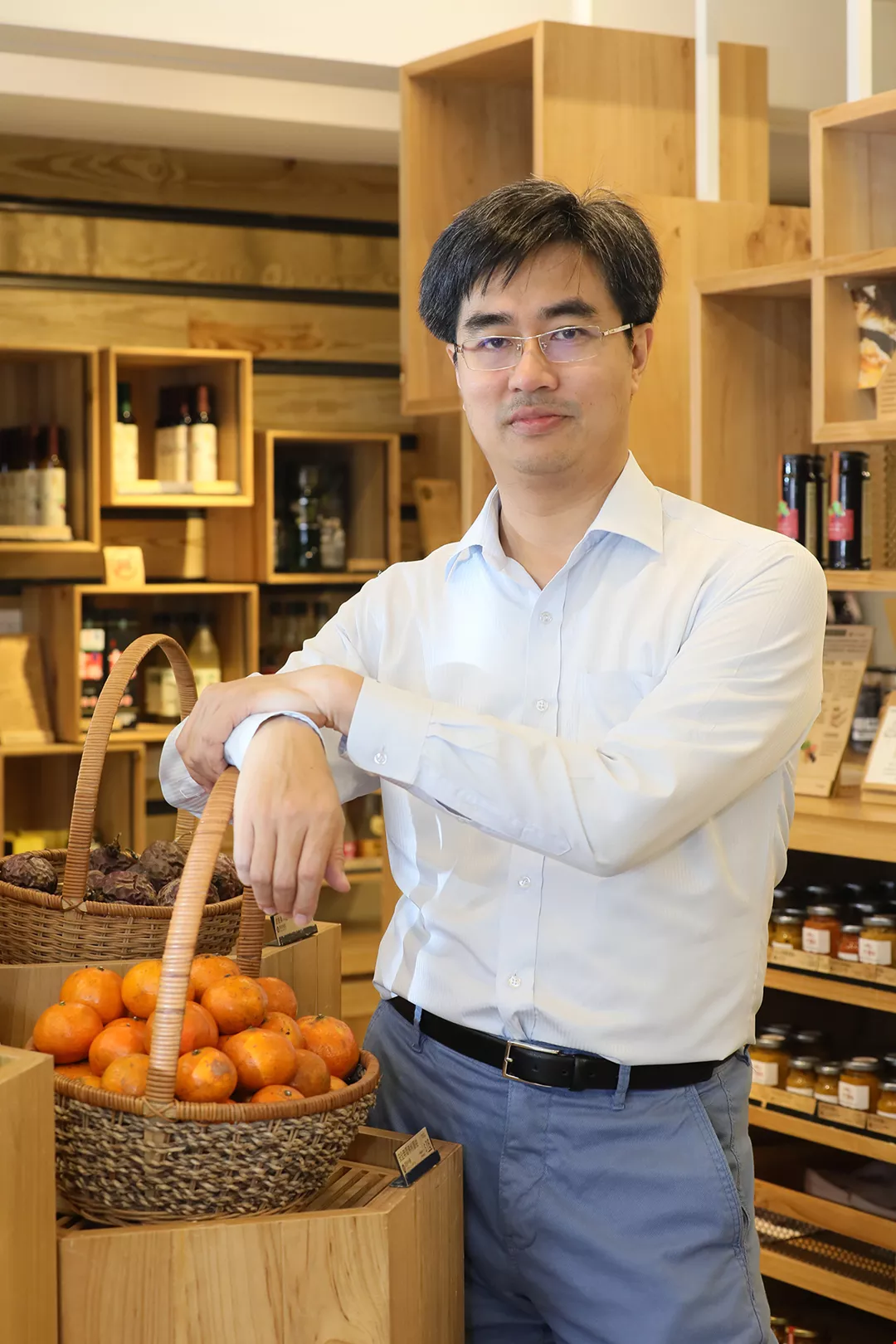
Hsu Zong, an expert on dietary culture, says that black radishes are one of Taiwan’s most representative foods.
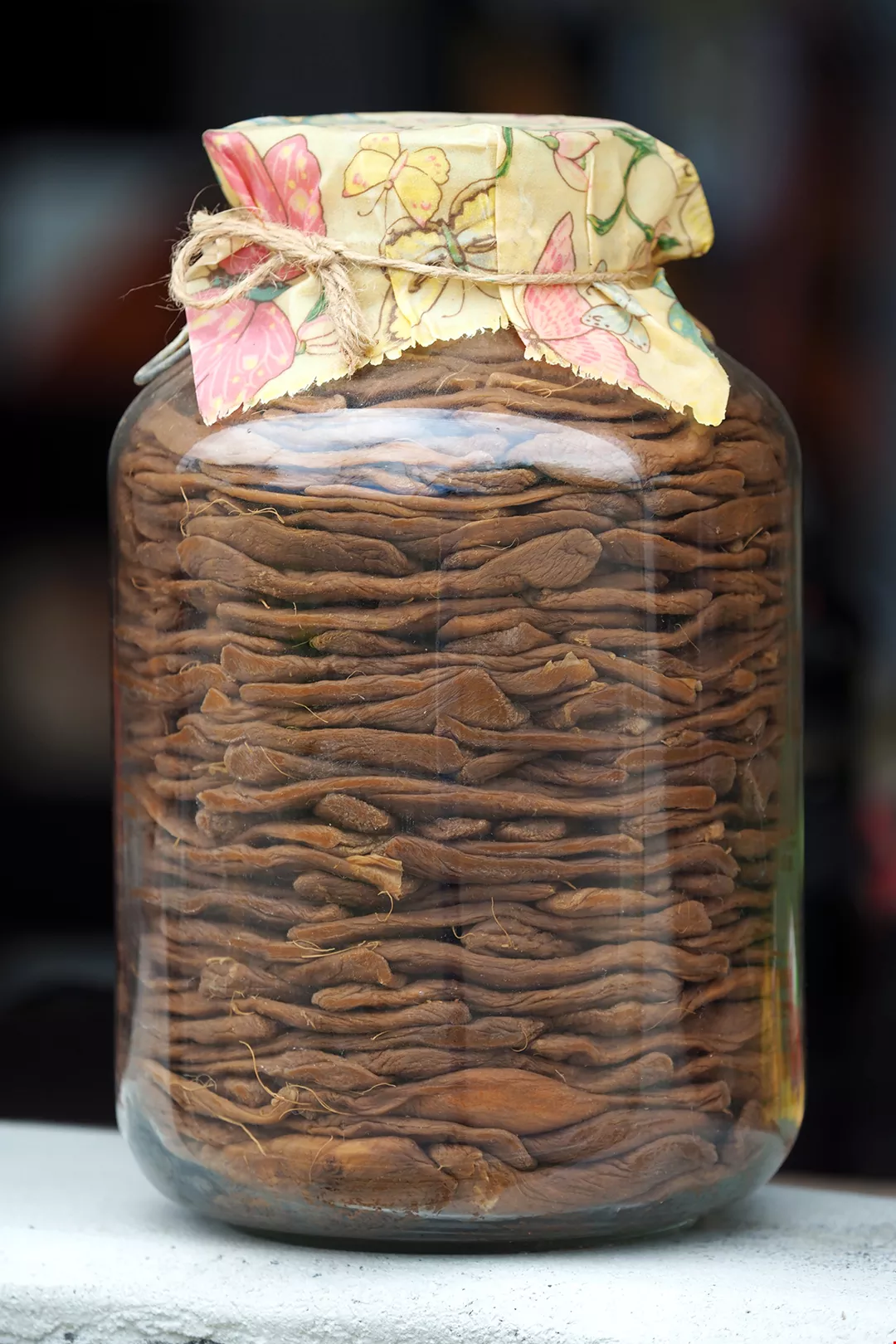
With the passage of time, this everyday food takes on a refined taste.