Unique shipbuilding techniques
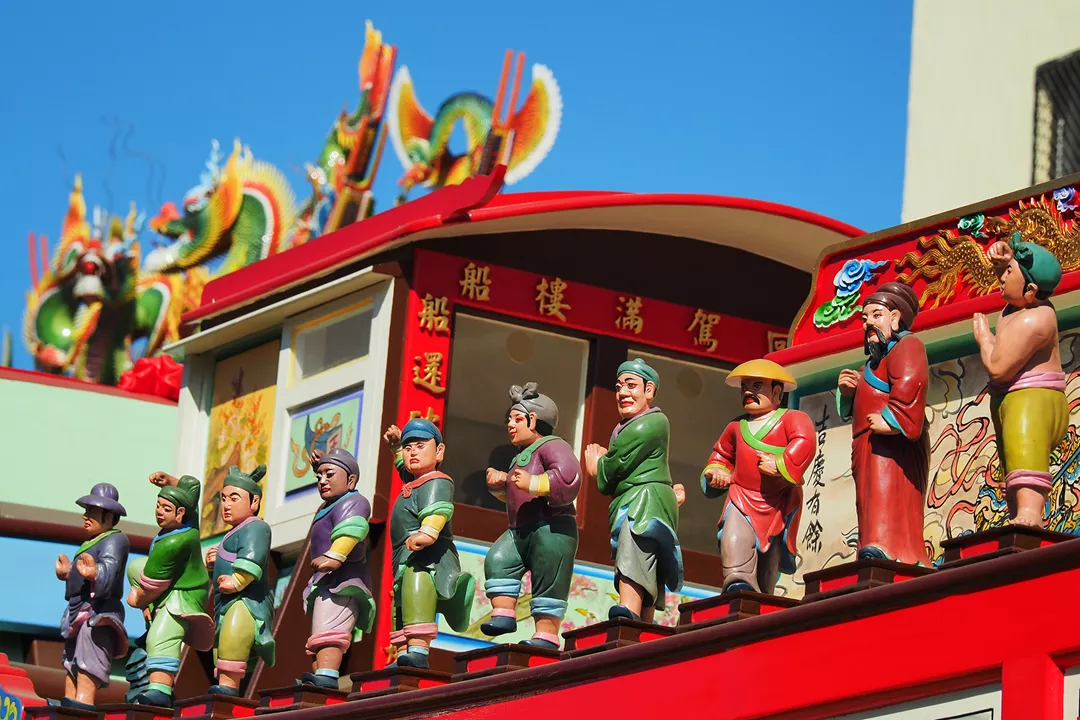
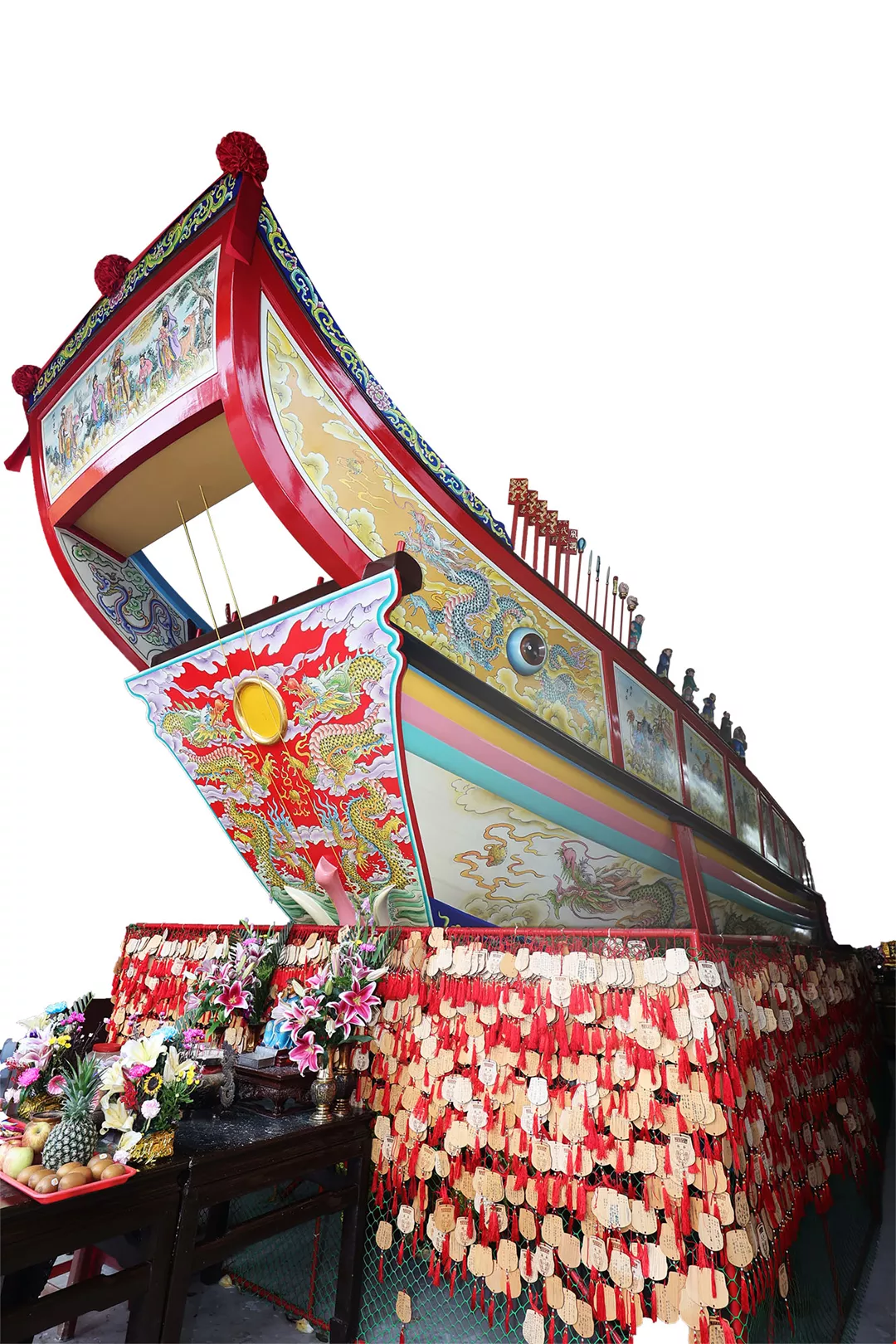
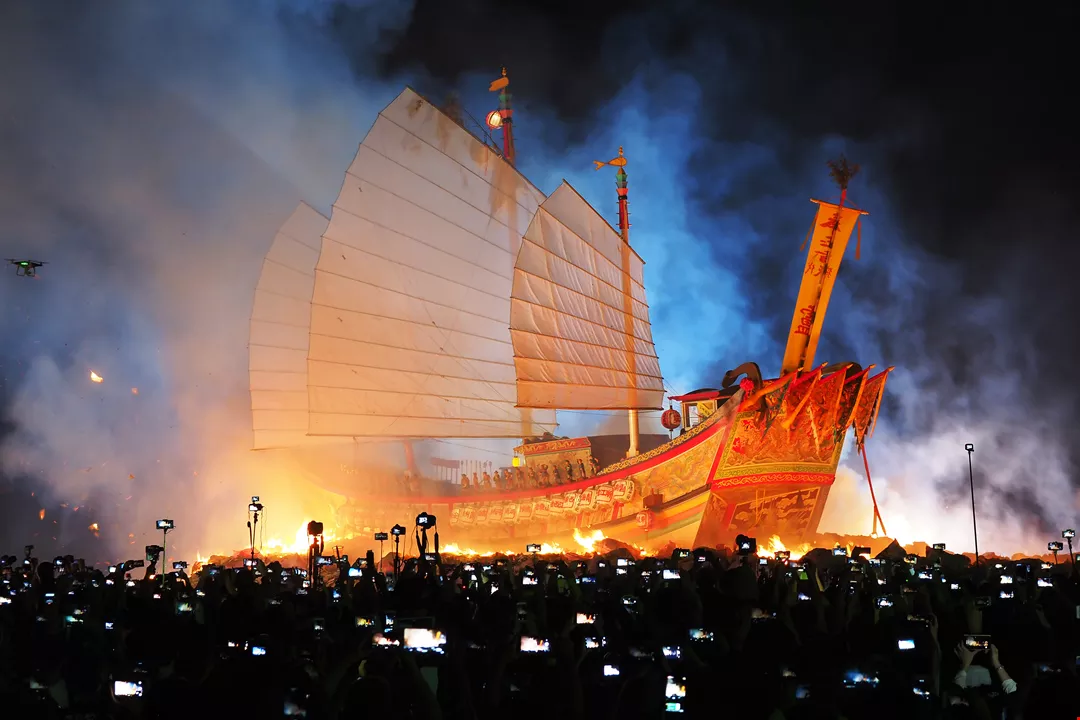
The trident symbol representing the sea god at the bow of the Kings’ Boat is jokingly called the “Maserati” by locals. The boat’s hull is embellished with a nine-headed dragon. Measuring 46 feet in length, 12 feet in width, and 16 feet in height, the Kings’ Boat weighs 12 tons. It is equipped with ten mobile cannons; four fixed turrets; handcrafted enclosures for cattle, pigs, and horses; and six horses for the Wangye deities to ride. It is also fully outfitted with a galley, bathroom, and furniture. The 36 sailors positioned on the deck’s rail are depicted in great detail.
Pan Fengde, executive director of the Kings’ Boat at Donglong Temple, explains that during the Qing Dynasty, the boat was made of wood. In the seventh cycle of the festival, it was changed to a papier-mâché boat, but after World War II, it reverted to being made from wood.
Su Huangwen, founder of the Donggang Cultural and Historical Space, explains that in the 1960s—a period of economic boom when the government was promoting the Ten Major Construction Projects—fishing boats were being built larger and larger. The industry’s growth helped to cultivate a group of shipbuilders who could transfer their skills to building the Kings’ Boat.
Those same skills have allowed Donglong Temple to take orders for Kings’ Boats from temples in Xiaoliuqiu and elsewhere.
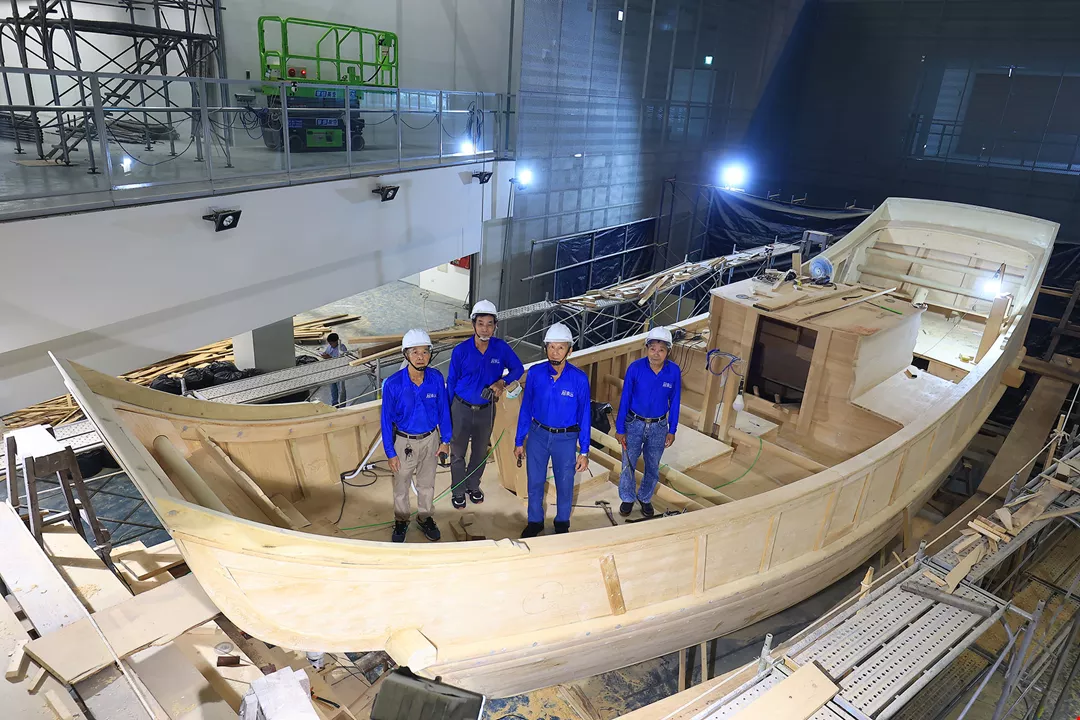
The Pingtung County Government is conducting 3D modeling of the Kings’ Boat to preserve the craftsmanship involved in its construction, and the Wangye Kings’ Boat Culture Museum, scheduled to open later in 2024, will feature a boat with the same proportions as the boats used in the festival. It will offer visitors a chance to learn about the craftsmanship and rituals involved even if they can’t attend the festival itself.
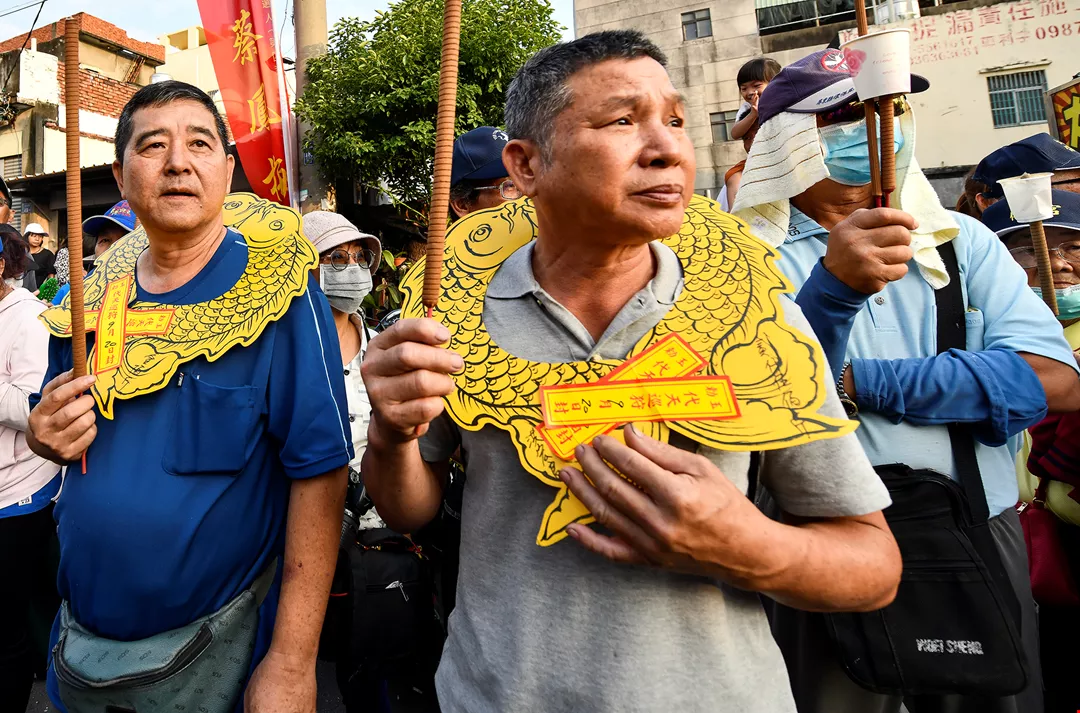
“Wearing the yoke” to fulfill a vow of redemption to Wen Wangye. (photo by Kent Chuang)
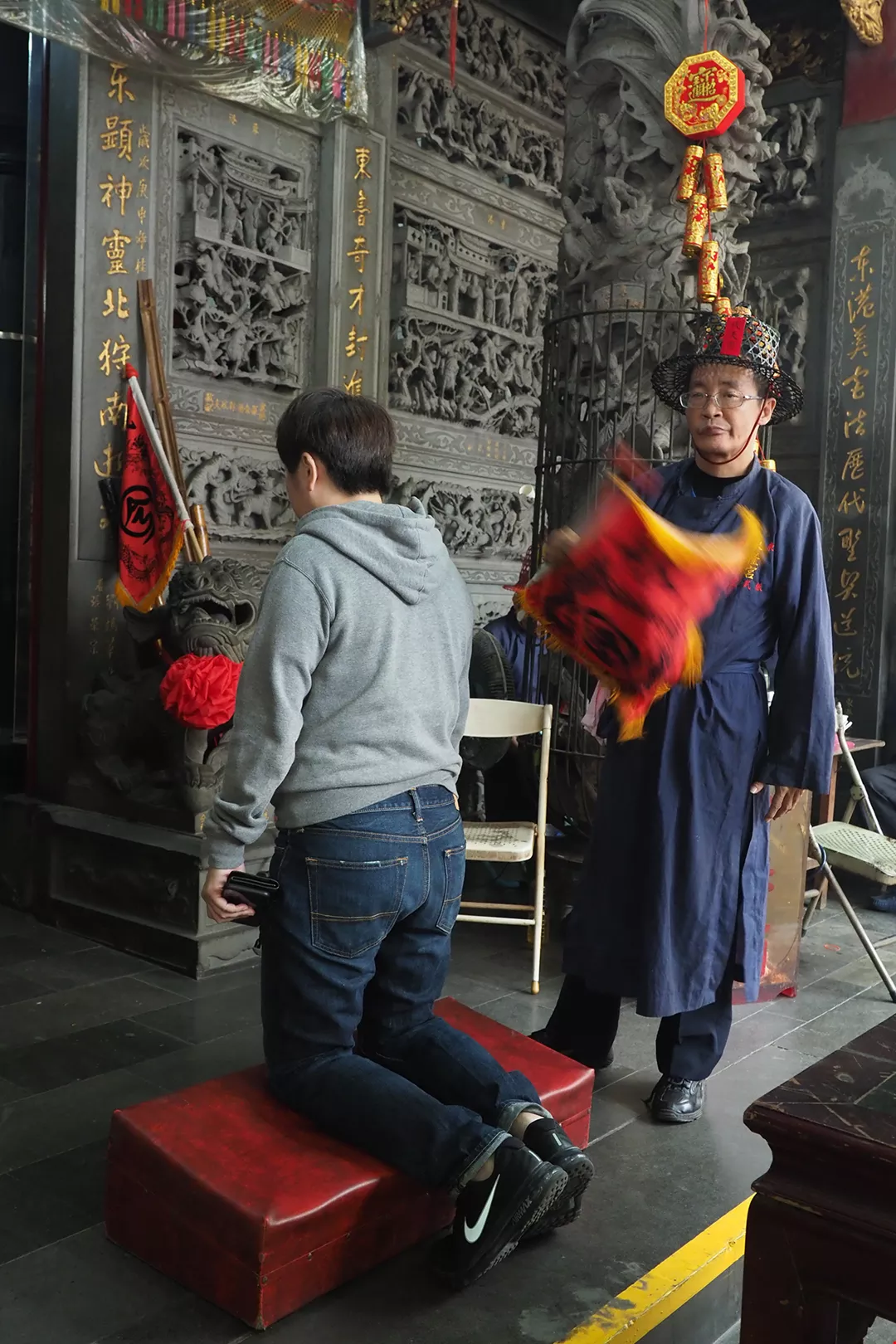
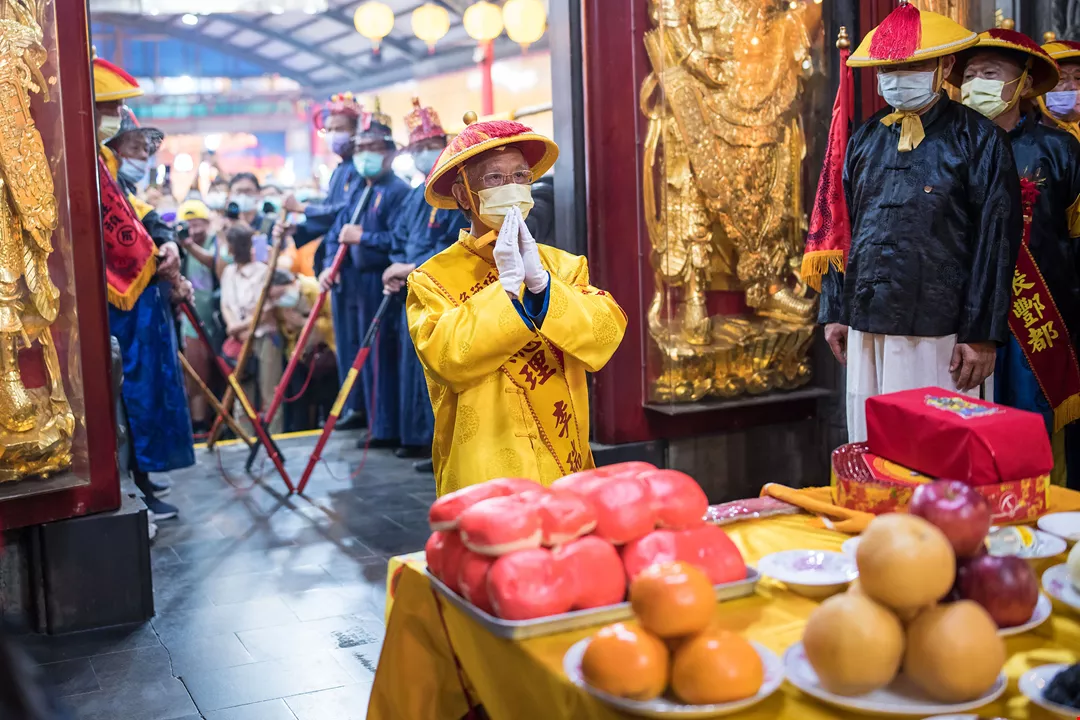
Changing one’s fortune: At Donglong Temple, an officer of the Martial Hall (zhenwu tang, one of two groups responsible for supporting the Heavenly Wangye during their stay) holds Lord Wen Wangye’s command flag to drive away evil, ward off misfortune, and pray for the safety of believers.
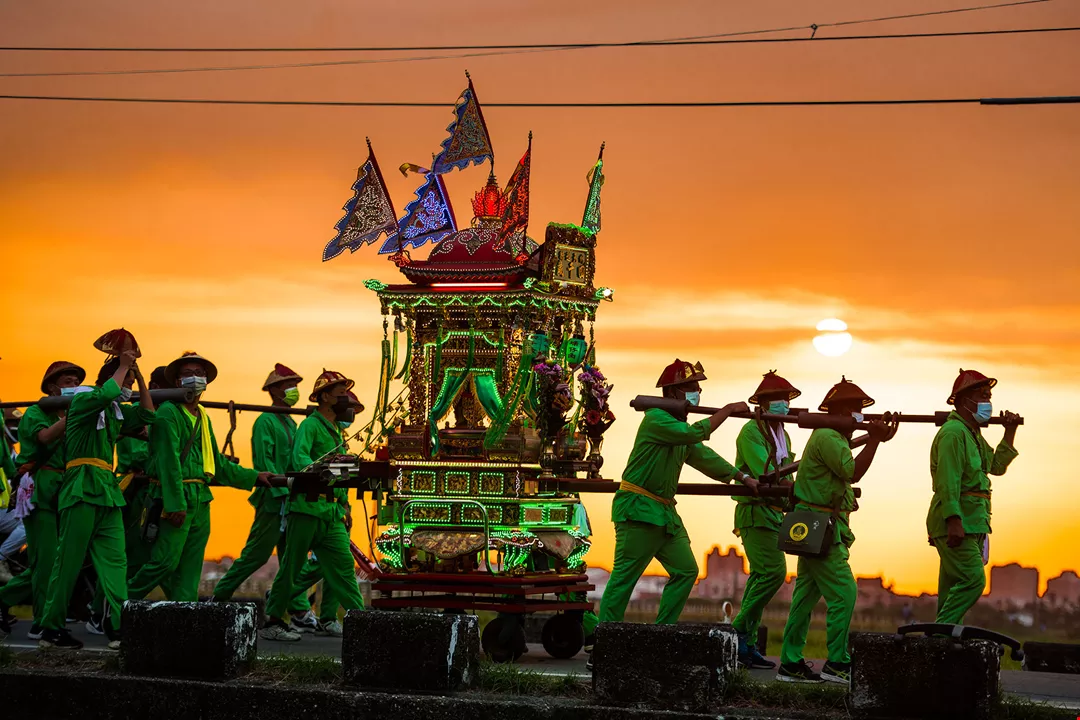
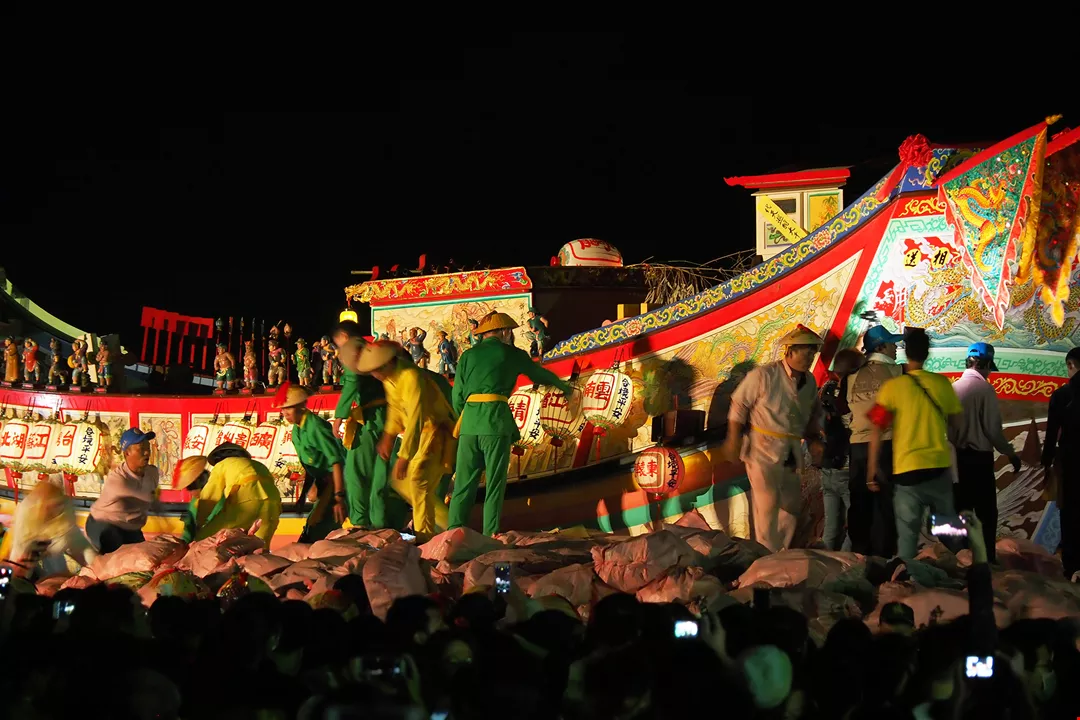
When making inspection tours, the Wangye set out early in the morning and return late at night. (courtesy of Donglong Temple)





@List.jpg?w=522&h=410&mode=crop&format=webp&quality=80)
@List.jpg?w=522&h=410&mode=crop&format=webp&quality=80)