A Different Kind of Food Book—Yunnan Cuisine: A Mabang Daughter’s Cookbook
Yu Yi-fang / photos courtesy of Motif Press / tr. by Scott Williams
April 2014


Home to ethnic Chinese from around the globe, Taiwan is one of the best places in the world to experience Chinese cuisine in all its variety. The island’s mix of regional Chinese dishes and their interplay and integration with international cuisines have earned the island almost legendary culinary standing. Uniquely skilled chefs abound, not just in restaurants, but even in ordinary homes. The reasons for this delightful culinary confusion are related to Taiwan’s history, and to the personal stories of the families caught up in its currents.
By relating a portion of one of these histories, Yunnan Cuisine: A Mabang Daughter’s Cookbook has introduced something brand new into the world of food books. Its author, He Guifen, is an ethnic Chinese woman from northern Thailand. Using straightforward recipes to introduce readers to the complex flavors of Yunnan cuisine, she simultaneously relates her family’s fascinating history.
Plates of thin-sliced pork and shredded pork with pickled vegetables are nearly obligatory parts of a meal at any of Taiwan’s many Thai restaurants. Interestingly, both are actually Yunnanese dishes. Most of us have eaten and enjoyed Yunnanese food without knowing what it was. He Guifen, author of Yunnan Cuisine: A Mabang Daughter’s Cookbook, sums it up succinctly: “Taiwanese are the only people to see Thai and Yunnanese food as a couple. In the rest of the world, they’re completely unrelated. The reasons stem from history. Anti-Chinese policies in Myanmar in the 1960s forced many ethnic Chinese children (most of whose families were originally from Yunnan) to go to study at Chinese middle schools in Thailand, and from the 1970s, these individuals often went to Taiwan for further study. Some of these students went on to enter the restaurant business in Taiwan, where their personal backgrounds inclined them towards combining Thai and Yunnanese cuisines. Which is why Taiwanese think of thin-sliced pork and green curry as related dishes.”
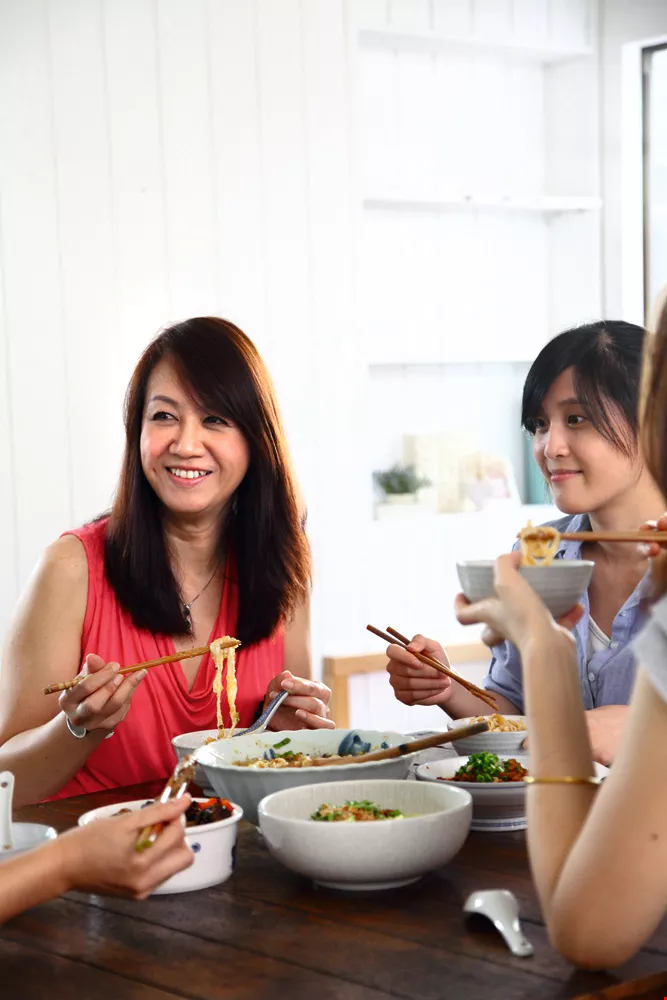
He Guifen cooks Yunnanese food as a way of remembering her hometown of Santikhiri in northern Thailand. A skilled chef, she needs less than an hour to prepare and serve a feast-sized meal of five dishes and a soup.
Yunnan Cuisine: A Mabang Daughter’s Cookbook is a difficult book to pigeonhole. It is unquestionably a cookbook, one filled with authentic spicy-sour recipes that offer readers an excellent introduction to Yunnanese cuisine.
But what makes it truly unique is the way in which it uses these recipes to recount a family’s personal history, one plated with a slice of a refugee community’s larger history. The recipe format provides He with a medium through which to convey her thoughts about and memories of her parents. She packs her lively and seemingly effortless prose with feeling, using it to trace Yunnanese cuisine back to its roots and to describe how food figured into the relationships within her family: her love for her parents, the way culinary traditions bind siblings together, and how she has used Yunnanese cooking to express her love for her own Taiwan-born daughter.
He Guifen is a Chinese Thai born and raised in Santikhiri, a town located at more than 1,000 meters of elevation in a mountainous part of northern Thailand. She came to Taiwan to study after completing middle school in Thailand, and now works as an editor at CommonWealth magazine. Many Taiwanese are familiar with Santikhiri through novelist Bo Yang’s famous The Alien Realm, which deals with the descendents of Nationalist Army soldiers living there. Historically speaking, a portion of the Nationalist Army’s 93rd Division (most of whom were Yunnanese) retreated through the Myanmar border region and took up residence in Santikhiri after the ROC government’s relocation to Taiwan. The Alien Realm tells the story of how these orphaned soldiers and their descendents struggled to survive in their new home. In more recent years, Santikhiri’s ethnic Chinese residents have emigrated to all parts of the world.
Perhaps the most moving parts of He’s book are her descriptions of her idyllic childhood in Santikhiri and her recollections of her family’s love of good food. As she tells it, her father liked to wear a traditional scholar’s robe and was the very picture of a refined gentleman of Kunming, the city in which he grew up. He was a food lover, and enjoyed spending each mealtime planning the next. Her mother was a gorgeous woman from Baoshan who managed everything in the family home. He writes that while the men were drinking, smoking, and pursuing gentlemanly pastimes, her mother was busy earning their daily bread and keeping the house in order. “My mother ran everything.”
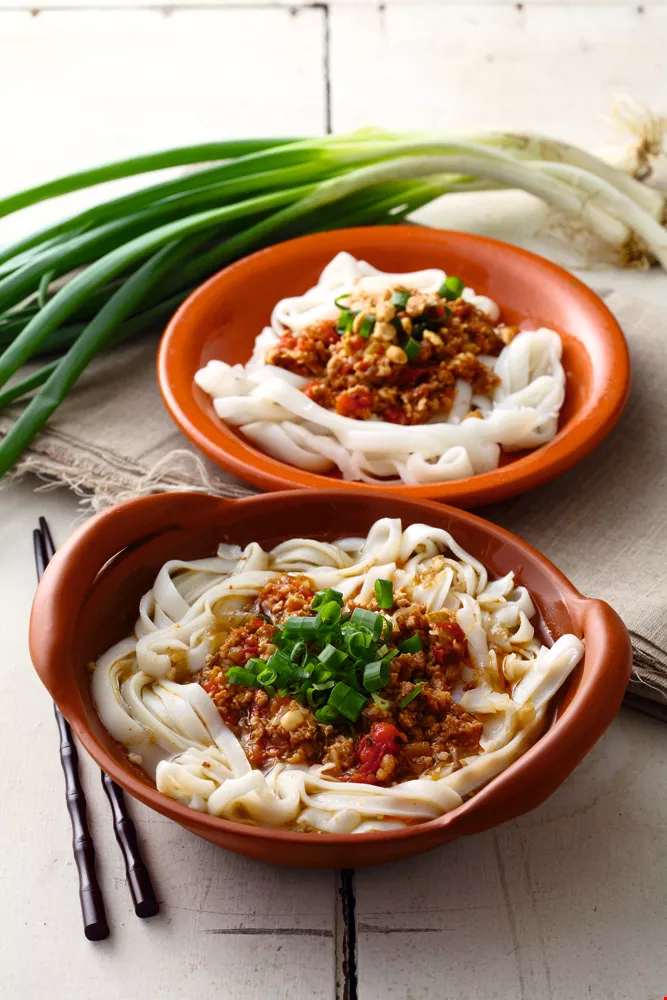
Blanched then sprinkled with a special sauce, these rice noodles make a delicious and filling snack.
Baoshan is located in west-central Yunnan, between Tengchong and Dali. He’s mother went to work handling administrative tasks for Nationalist Army guerillas in Yunnan while still a young girl. Rejecting the advances of a powerful, wealthy general, she instead married He’s tall, handsome, and dirt-poor father. After the retreat to Santikhiri, she began trading with locals in the mountains for opium and other agricultural products as a means of supporting the family. She would then travel down into the plains to exchange the opium and other goods for daily necessities that she resold to mountain residents. He writes that while her mother was a shrewd businesswoman and a veritable superhero, she was also a good host who loved to cook. Whenever she heard mention of a family’s special dish, she would find a way into their kitchen to learn to make it. With even the cuisine of northern Thailand’s minority peoples posing little challenge to her, the He family’s supper table became a cultural melting pot.
Traditional, spicy Baoshan dishes always remind He of her mother. Chicken with chilies is a case in point. He’s recipe calls for stir frying ginger, minced garlic, chilies and scallions until fragrant, then adding chunks of chicken. You pour in a measure of salty soy sauce while the dish is still on the heat, and serve it immediately after the fluid has cooked off. Her father’s favorite homestyle dish, it is also very flexible: pork liver, pork strips, or even beef liver can all be substituted for the chicken.
The “mabang” (“horse gang”) of the book’s subtitle A Mabang Daughter’s Cookbook refers both to the traders along the Chinese–Myanmar–Thai borders, and to He’s parents’ origins. When her parents passed away a few years ago, she resolved to explore Yunnan to seek out her roots and remember her parents.
She spent those two months roaming the length and breadth of Yunnan, visiting with relatives and sampling the cuisines of minority groups. Even more importantly, she was inspired to write her cookbook, ultimately spending five years on the project.
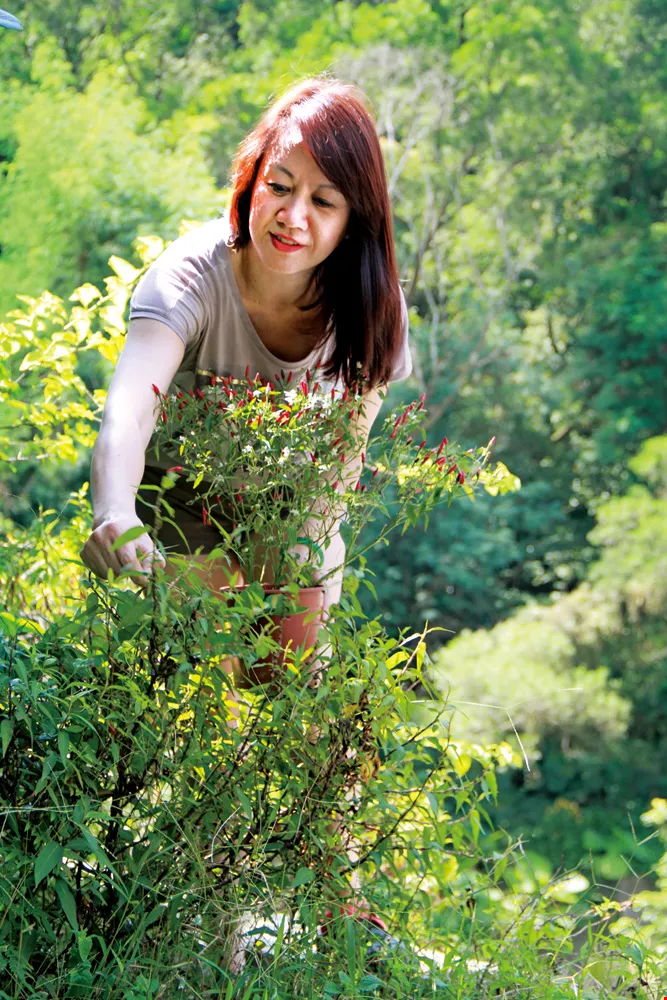
When He needs herbs or spices for a dish, she picks them fresh from the garden of her Taipei home.
Taiwan’s bookstores are filled with countless books on food. They come in basically two types—essay collections and recipe books—each with its own experts and advocates. The former range from Liang Shih-chiu and Tang Lusun’s essays on the food of Beijing, to more recent collections by noted authors such as Lin Wenyue, Jiao Tong, Jewel Tsai, and Shu Guozhi. Whether weighty or light, this type has a distinctively literary character. The second type of food book has authors who range from professionals like Chef Ah-chi to ordinary food bloggers, and contents that cover everything from home cooking to desserts.
He’s book is a bit harder to place. On the one hand, it’s a clear, step-by-step introduction to the flavors and techniques of Yunnanese cooking. It covers everything from cold dishes to soups and stir fries, and features exceptionally clearly presented recipes with photographs. Yunnan cuisine’s extensive use of herbs and its attention to the natural flavors of ingredients also make the book a good fit for the healthy-eating set. On the other hand, it’s also a moving family history with both temporal and spatial breadth, as well as a sketch of a particular food culture.
The book is as unique and fascinating as Yunnanese cuisine itself. Just as the latter excels at making use of flowers in dishes, the book can be likened to a brilliant and exquisitely fragrant new blossom, distinct from the drabber blooms that surround it.
He Guifen’s parents Li Yueqin (above, left) and He Wancheng (above, right) were traders in the Chinese–Myanmar–Thai border region. They also opened Santikhiri’s first inn, which received an early mention in a Lonely Planet travel guide.
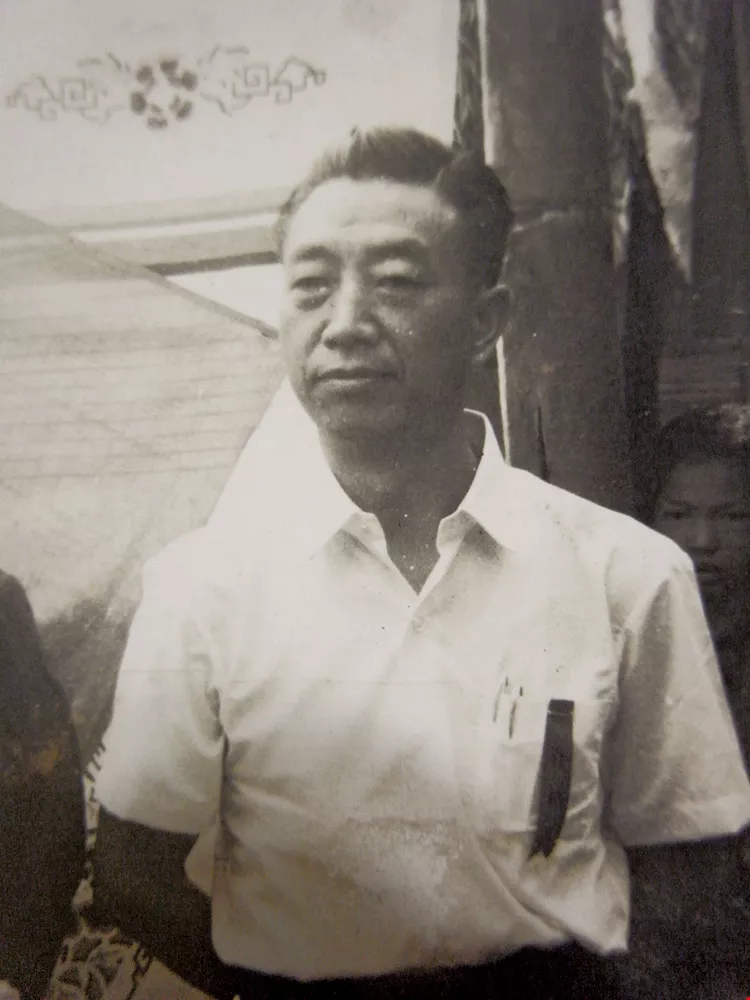
He Guifen’s parents Li Yueqin (above, left) and He Wancheng (above, right) were traders in the Chinese–Myanmar–Thai border region. They also opened Santikhiri’s first inn, which received an early mention in a Lonely Planet travel guide.
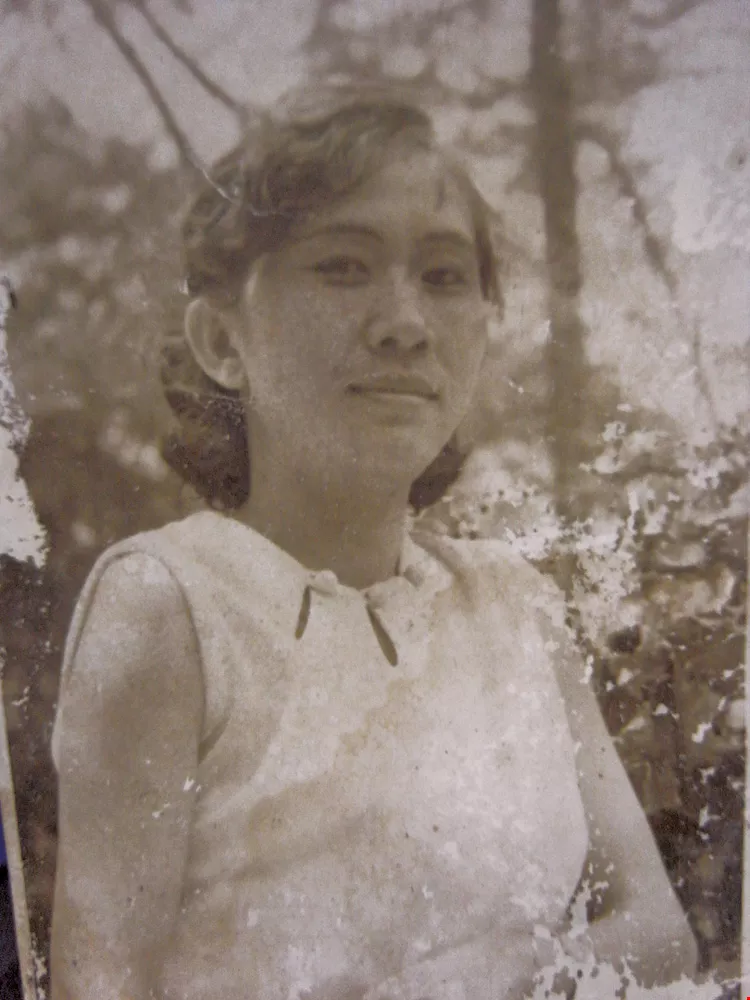
He Guifen’s parents Li Yueqin (above, left) and He Wancheng (above, right) were traders in the Chinese–Myanmar–Thai border region. They also opened Santikhiri’s first inn, which received an early mention in a Lonely Planet travel guide.
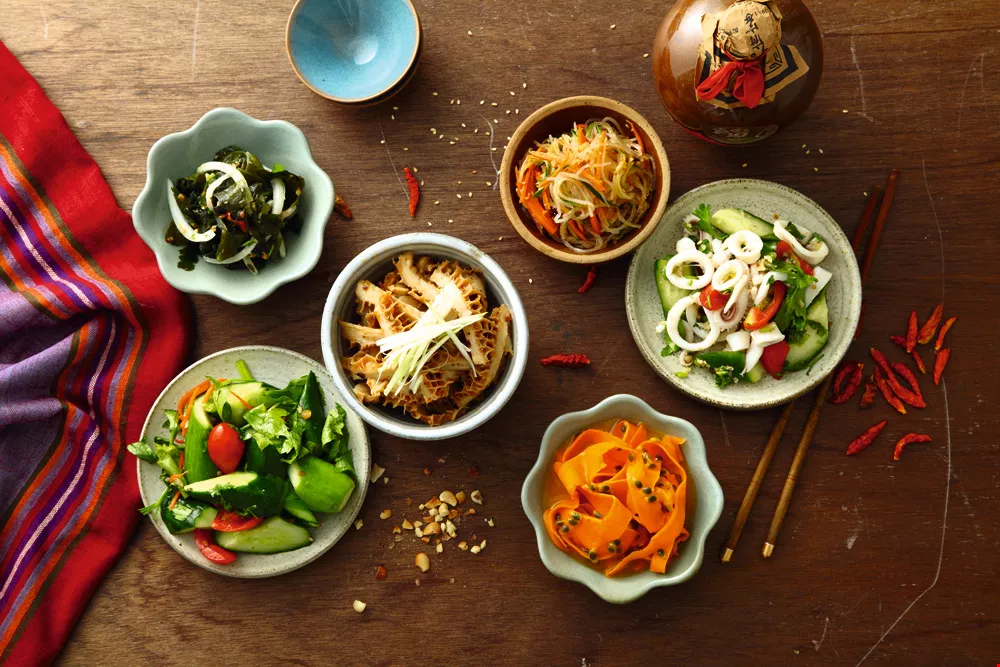
Yunnanese cuisine makes extensive use of herbs and spices in red hot dishes. Simple to prepare, they are just tossed, stewed or stir fried, then served.
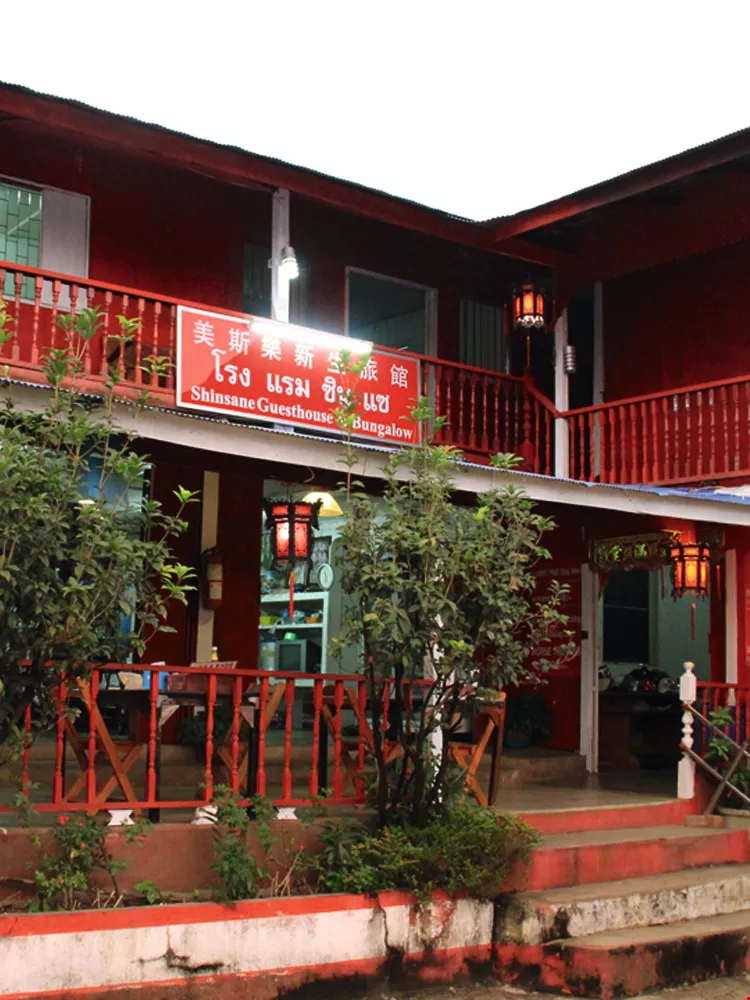
He Guifen’s parents Li Yueqin (above, left) and He Wancheng (above, right) were traders in the Chinese–Myanmar–Thai border region. They also opened Santikhiri’s first inn, which received an early mention in a Lonely Planet travel guide.


@List.jpg?w=522&h=410&mode=crop&format=webp&quality=80)


