Taiwan Panorama Turns 40
Chang Chiung-fang / photos Taiwan Panorama / tr. by Jonathan Barnard
January 2016

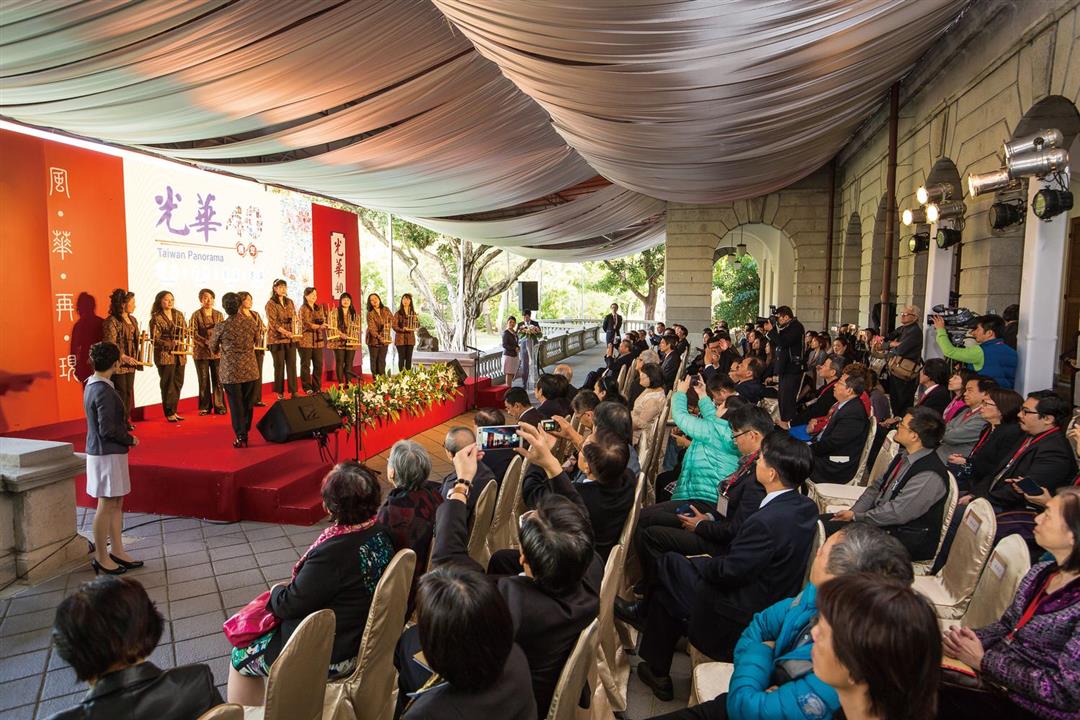
On the sunny afternoon of November 27, Taiwan Panorama celebrated its 40th anniversary with a festive reception at the Taipei Guest House. The gathering was aimed at both honoring the magazine’s past achievements and announcing the launch of Indonesian-, Thai- and Vietnamese-language editions.
The event was hosted by Deputy Minister of Foreign Affairs Simon Ko. ROC president Ma Ying-jeou and representatives from Indonesia, Thailand and Vietnam were also in attendance, as were luminaries from the publishing industry and the arts. The event managed to be both grandly dignified and warmly intimate.
In his speech, President Ma noted that he had written articles for a periodical aimed at Taiwan students studying abroad when he himself was enrolled overseas, but that that student publication wasn’t at the level of Sinorama (as Taiwan Panorama was then known). “In contrast we described Sinorama as a true luxury. That’s how popular it was.” Paraphrasing Confucius, Ma expressed his wish that the magazine would be “free from doubts” at 40, and would help readers to clear up uncertainties of their own.
Ding Mou-shih, who was director-general of the ROC Government Information Office when Sinorama was founded and is now a senior presidential advisor, appeared in a short video screened at the gathering. In it he explained how Premier Chiang Ching-kuo had issued the directive to establish the magazine. He praised it for constantly improving.
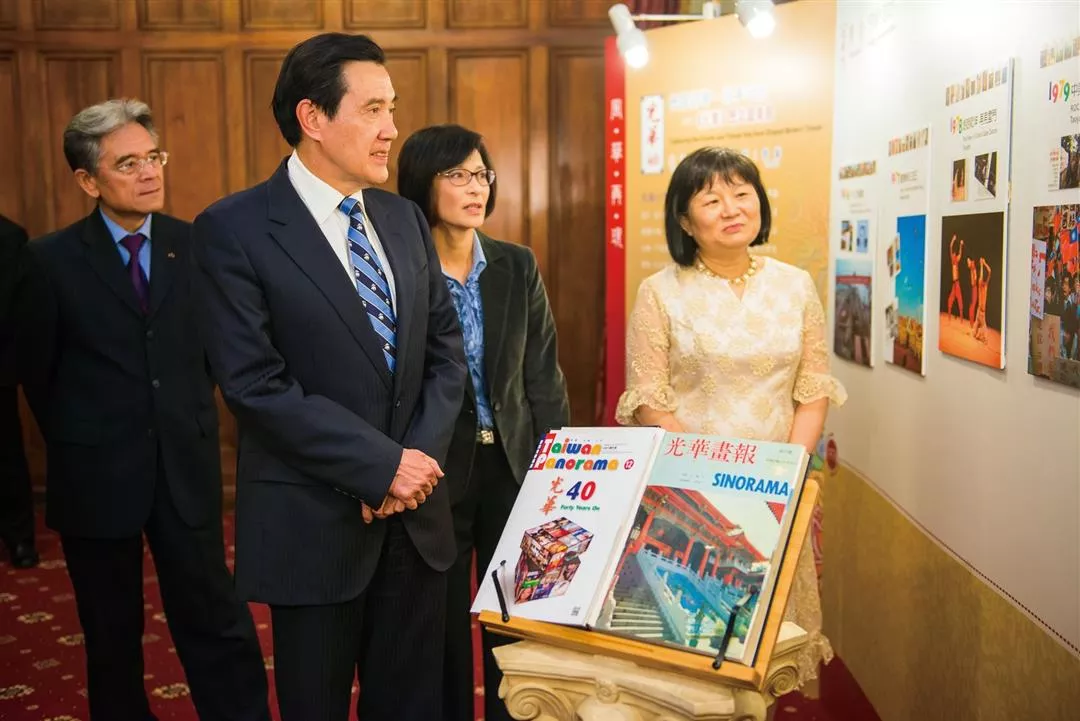
Accompanied by deputy foreign affairs minister Simon Ko (left), vice minister Vanessa Shih (second right) and Taiwan Panorama editor-in-chief Polly Peng (right), President Ma Ying-jeou takes in an exhibit of photographs from the magazine’s four decades.
A journey through time
The first Sinorama was published in January of 1976. With its English translation alongside the Chinese and its domestic and foreign editions, it was unique in Taiwan. It offered not only a window on Taiwan for the world, but it also accompanied those who ventured abroad, helping to ease their homesickness.
The video featured internationally famous film director Ang Lee recalling fond memories of reading Sinorama when he was an innocent abroad, as a student in the United States. Stanley Yen, chairman of the Alliance Cultural Foundation, highlighted how Taiwan Panorama has borne witness to key moments in Taiwan’s journey from poverty to wealth and from martial law to democracy. Senior radio broadcaster Tao Hsiao-ching described going on a tour of East Coast of the United States with her folk group Min Fon Yua Fu and being interviewed by a reporter from Sinorama. She said she remembered it like it was yesterday.
The 40th anniversary reception featured an exhibit of photographs from all four decades of the magazine’s existence. It provided an overview of the most important events and trends in Taiwan during those years.
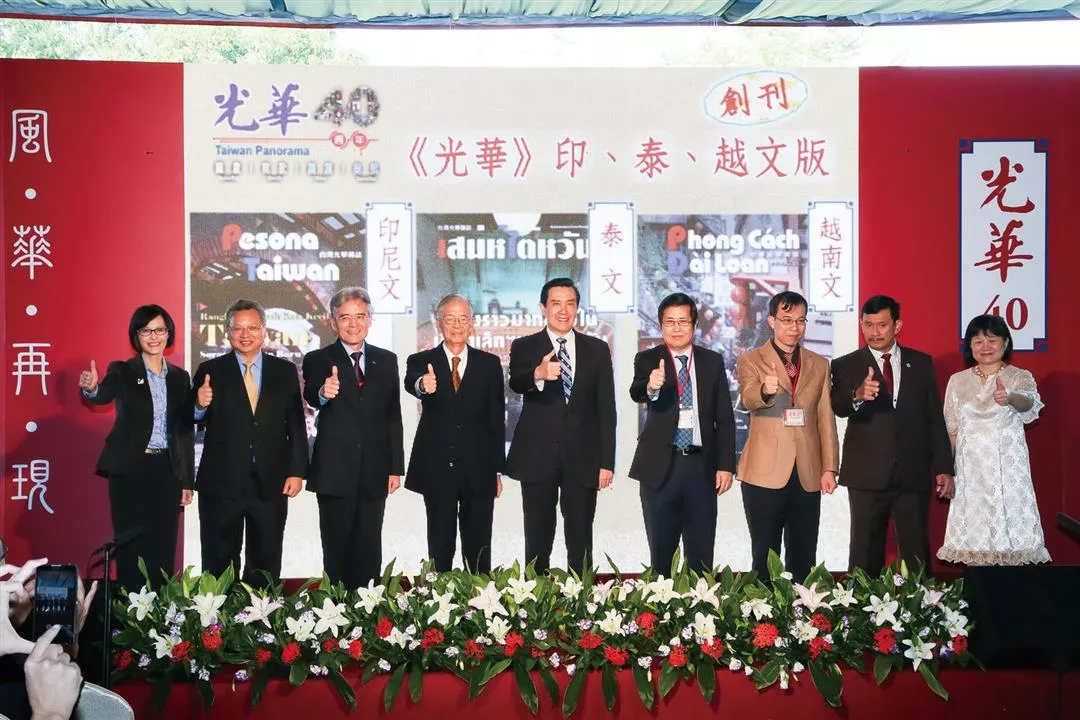
ROC president Ma Ying-jeou (center), senior presidential advisor Ding Mou-shih (fourth left), deputy ministers of foreign affairs Simon Ko (third left) and Bruce Linghu (second left), and vice minister Vanessa Shih (left), as well as representatives from Southeast Asian nations, participated in a reception to celebrate Taiwan Panorama’s 40th anniversary and the launch of Indonesian-, Thai-, and Vietnamese-language editions.
Southeast Asian editions
As the magazine celebrates an important milestone and looks back over the last 40 years, it is even more important that Taiwan Panorama set its gaze on the future.
In years past Sinorama broke new ground by sending staff overseas to report on the work of ROC agricultural missions. Today, in order to strengthen two-way cultural exchange between Taiwan and the nations of Southeast Asia, Taiwan Panorama is once again taking a position at the cutting edge by releasing new editions in the Indonesian, Thai and Vietnamese languages. For the reception, the magazine invited President Ma, along with representatives from Indonesia, Thailand and Vietnam, to co-host a ceremony marking the launch of those foreign-language editions.
The entire afternoon was pervaded by a sense of both the glories of history and the romance of Southeast Asia. Southern Duet, a “campus folk” duo, performed at the start of the ceremony, and the ending was marked with performances by the Vietnamese-born Taiwanese Opera performer Nguyen Ngoc Ahn, an ensemble of Indonesian angklung players, and a demonstration of the Thai martial art muay thai. We confidently anticipate that Taiwan Panorama will not only continue to flourish but that our three Southeast-Asian-language editions will be huge successes, writing a new chapter in the history of international cultural exchange.
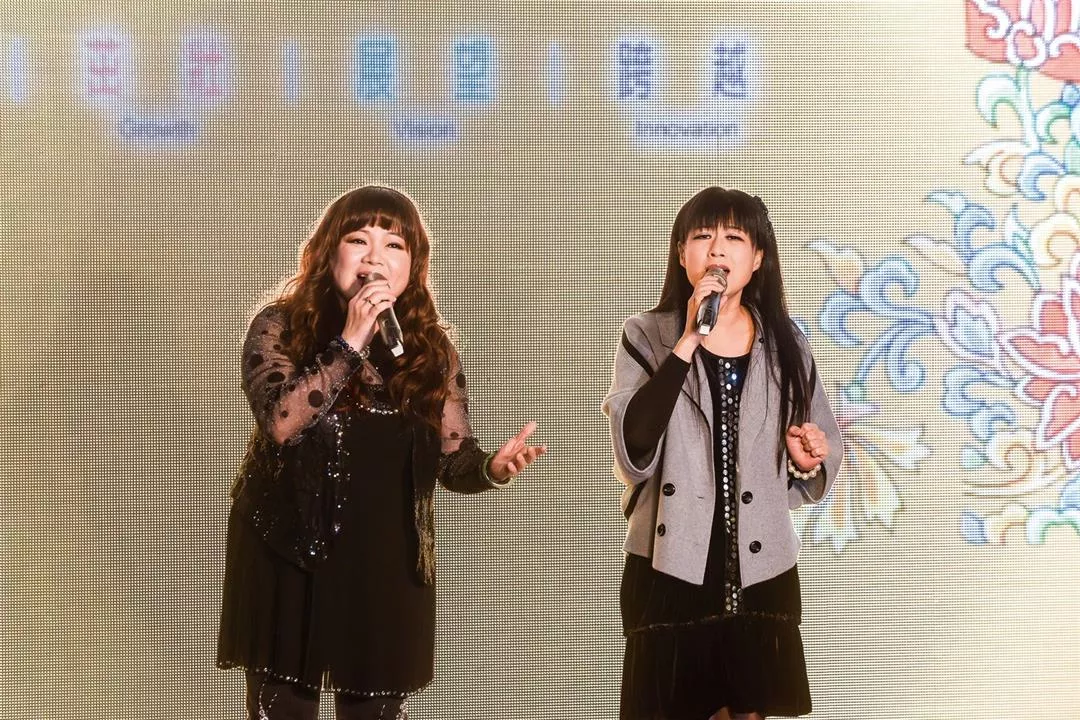
The “campus folk” singers Southern Duet, the Vietnamese Taiwanese Opera performer Nguyen Ngoc Ahn, an ensemble of Indonesian angklung players, and a demonstration of the Thai martial art muay thai enlivened the festivities.
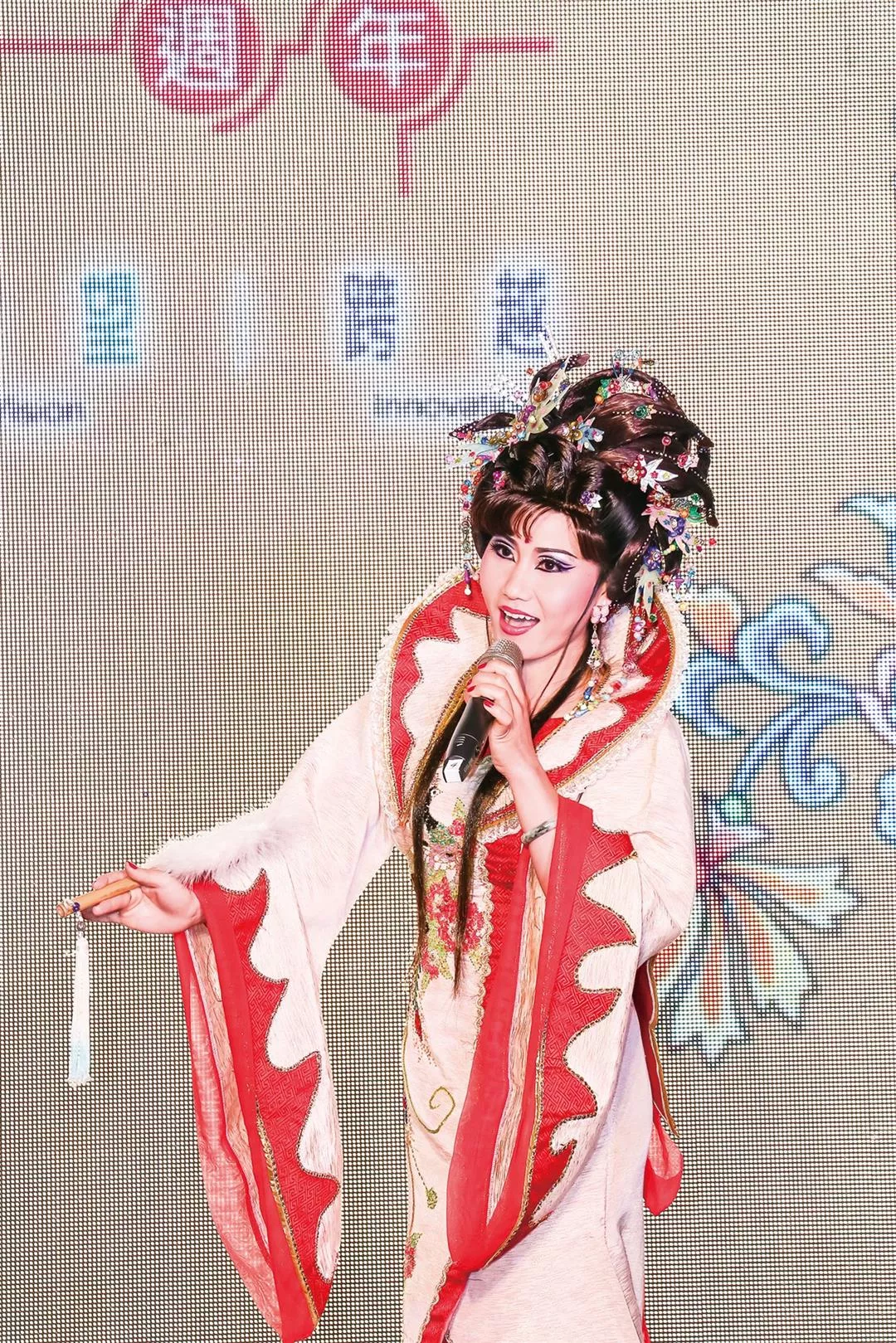
The “campus folk” singers Southern Duet, the Vietnamese Taiwanese Opera performer Nguyen Ngoc Ahn, an ensemble of Indonesian angklung players, and a demonstration of the Thai martial art muay thai enlivened the festivities.
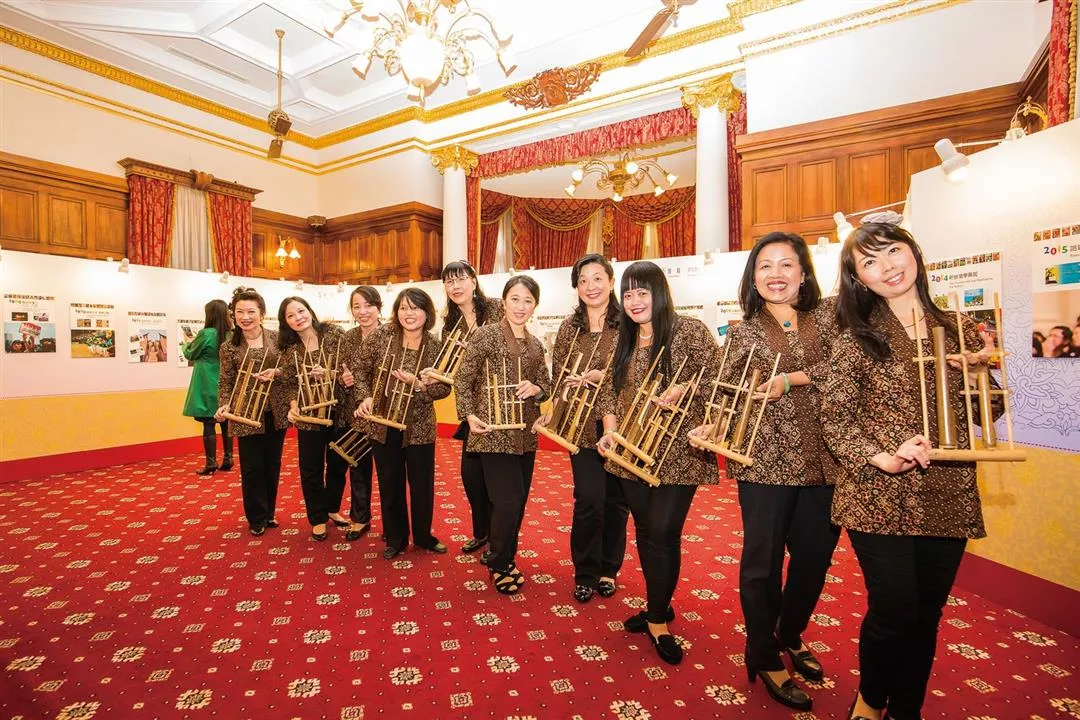
The “campus folk” singers Southern Duet, the Vietnamese Taiwanese Opera performer Nguyen Ngoc Ahn, an ensemble of Indonesian angklung players, and a demonstration of the Thai martial art muay thai enlivened the festivities.
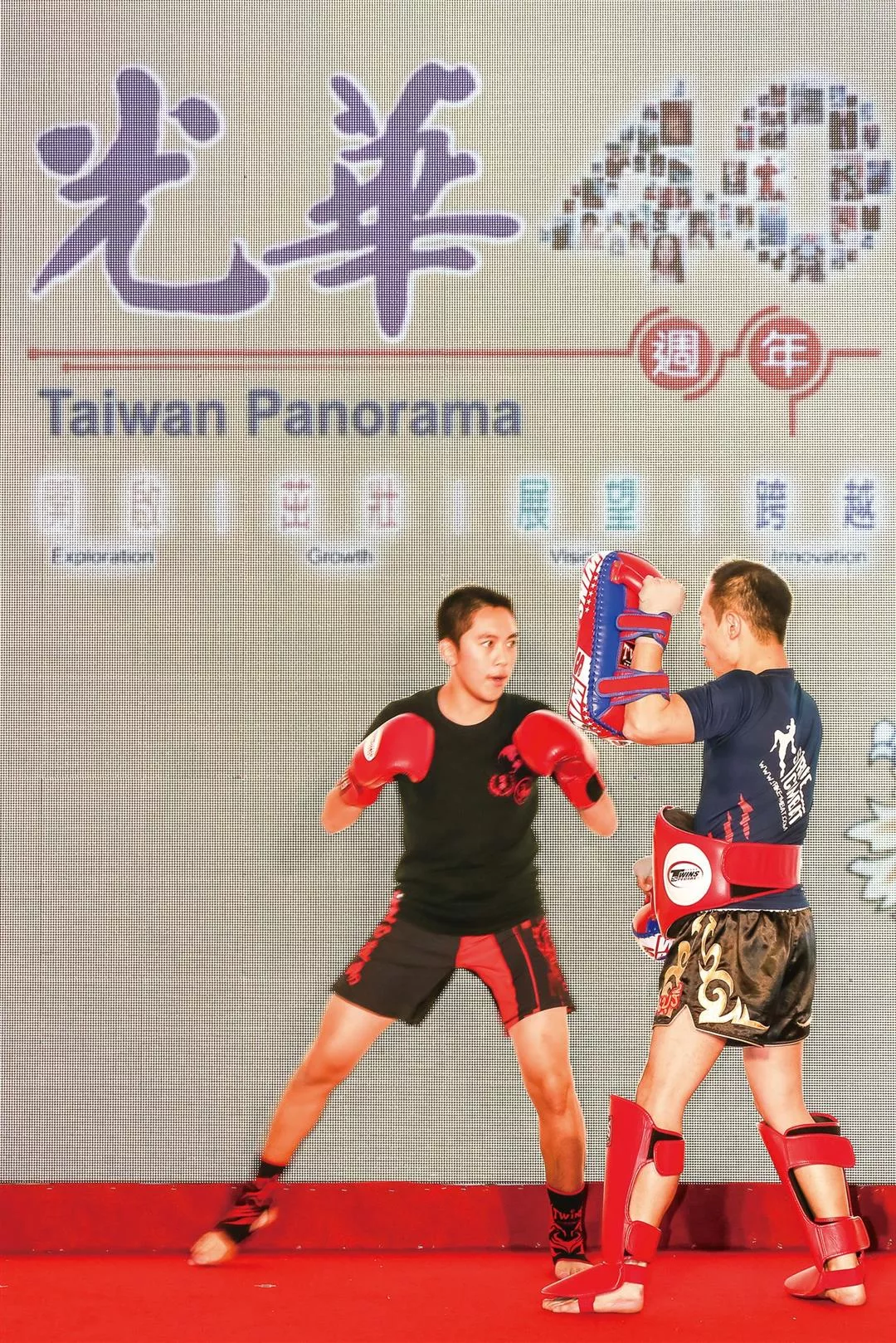
The “campus folk” singers Southern Duet, the Vietnamese Taiwanese Opera performer Nguyen Ngoc Ahn, an ensemble of Indonesian angklung players, and a demonstration of the Thai martial art muay thai enlivened the festivities.
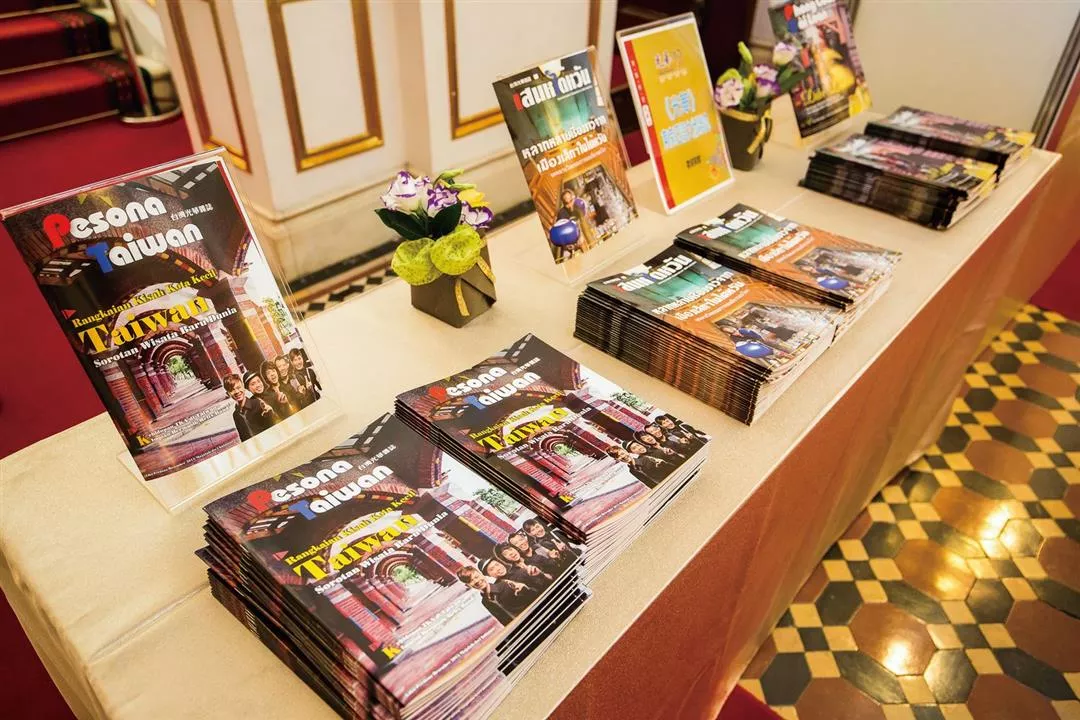
The Indonesian-, Thai- and Vietnamese-language editions of Taiwan Panorama have made their debuts.


@List.jpg?w=522&h=410&mode=crop&format=webp&quality=80)
