Rice transformers
Over 40 products are made with rice from Chishang, from puffed rice treats, rice noodles, and rice powder to rice crackers and genmaicha. In addition, for the convenience of visitors, fresh rice can be purchased in 150-gram, three-kilogram, and five-kilogram bags. These items generate annual revenues in excess of NT$100 million.
The development of Chishang rice products can be traced back to 2006. The motivation came from structural difficulties and market shrinkage. From 1989 to 2005, there was a stream of cases of imitation or adulteration of Chishang rice, and rice consumption in Taiwan was trending downward. Moreover, the price at which the government purchased rice for public stocks remained stagnant. With compensation for farmers being so low, something needed to be done to add value to this grain.
Huang Rong-lan, secretary of the Chi-shang Farmers’ Association (CSFA), where he has worked for 40 years, says it was really a case of “necessity being the mother of invention.” The CSFA began to produce processed rice products, and launched a branding strategy, creating Taiwan’s first geographical origin mark under provisions newly added to the Trademark Act. Later it introduced graded purchasing, with higher-quality rice earning higher prices.
Taiwan’s Public Rice Stocks Policy
The guaranteed-price rice purchasing system was instituted to stabilize rice prices and ensure rice farmers’ basic income. The government has spent a lot of money procuring rice for public stocks, while facing the problems of storage costs and limited storage life. To alleviate financial pressures, it has turned to farmers’ associations for help in reducing excess public stocks, especially by processing.
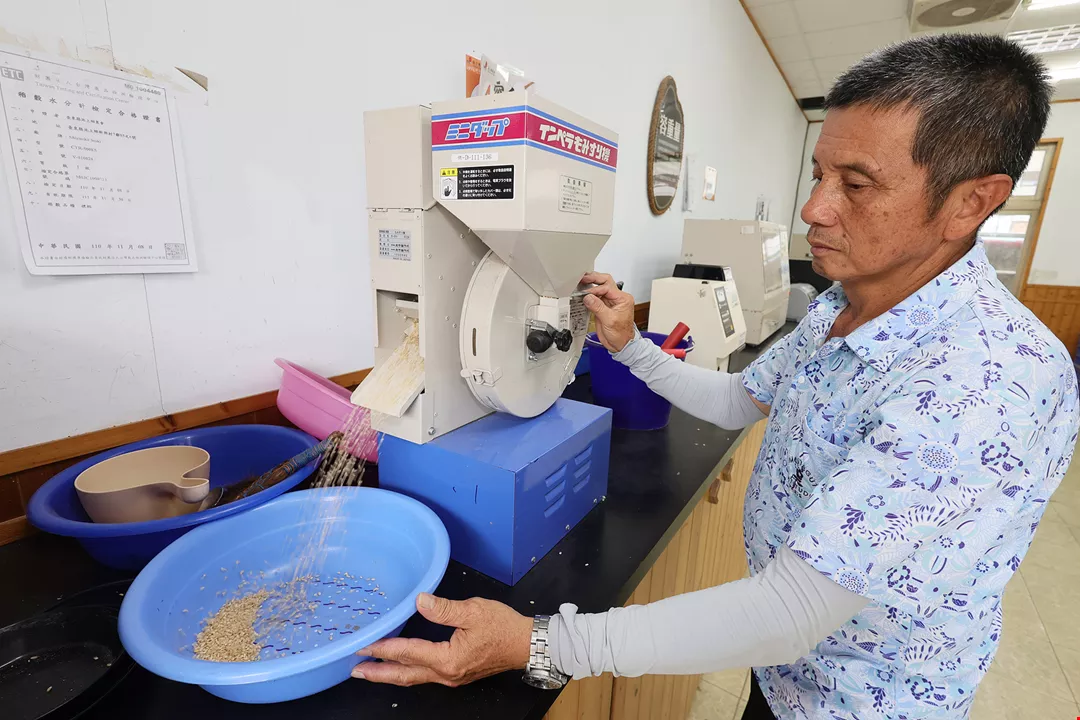
The CSFA has adopted “graded purchasing” of rice, with standard operating procedures for everything from field management to sales. The photo shows rice being hulled.

Chishang rice being packaged.



@List.jpg?w=522&h=410&mode=crop&format=webp&quality=80)


