A dialogue between civilizations: Death Is not the end
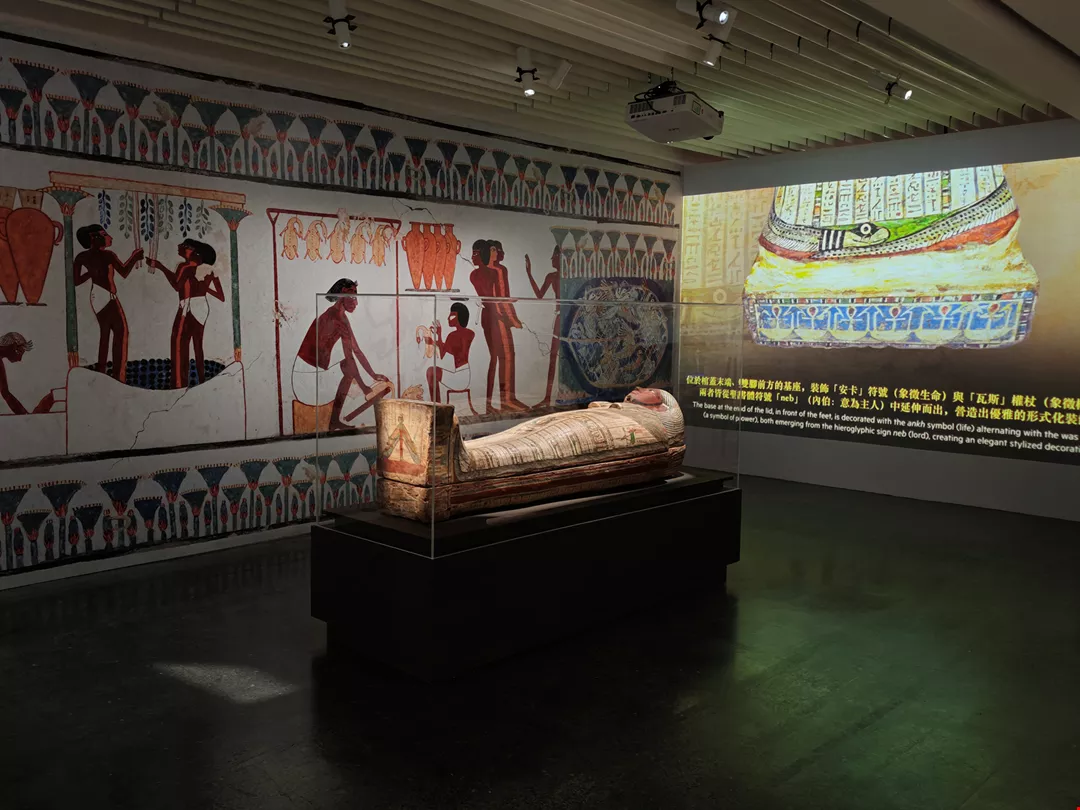
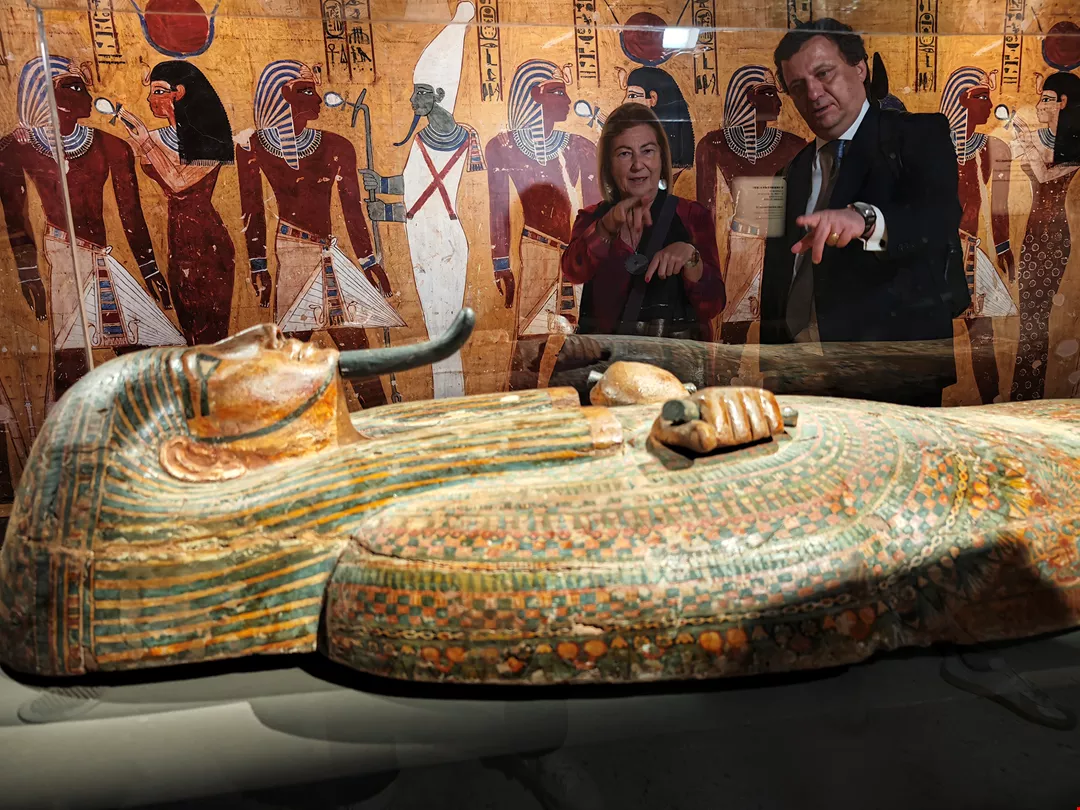
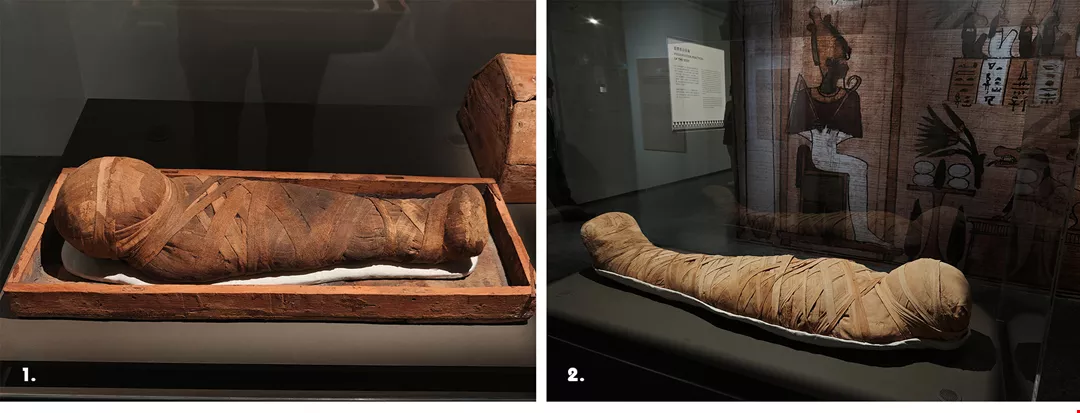
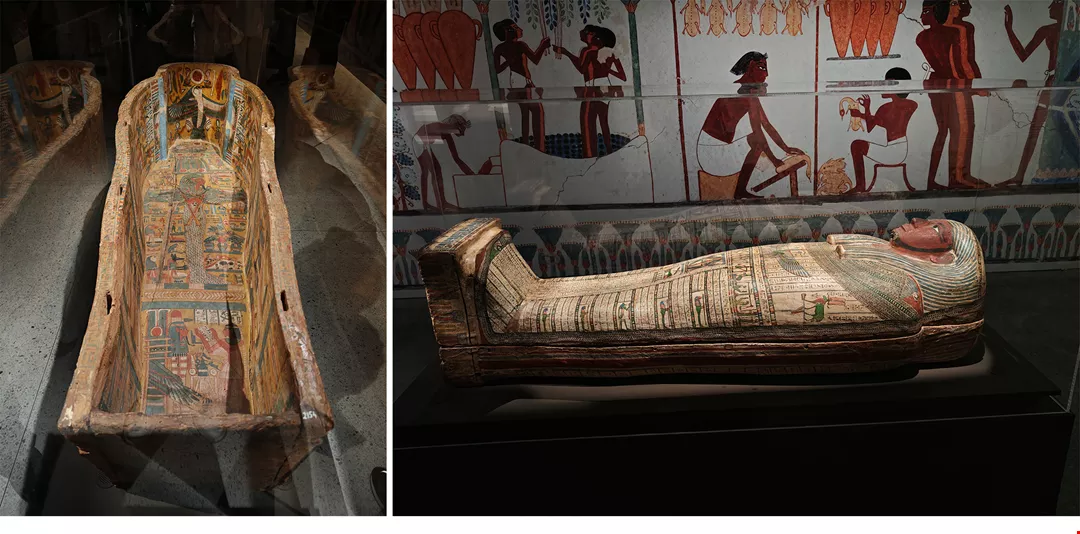
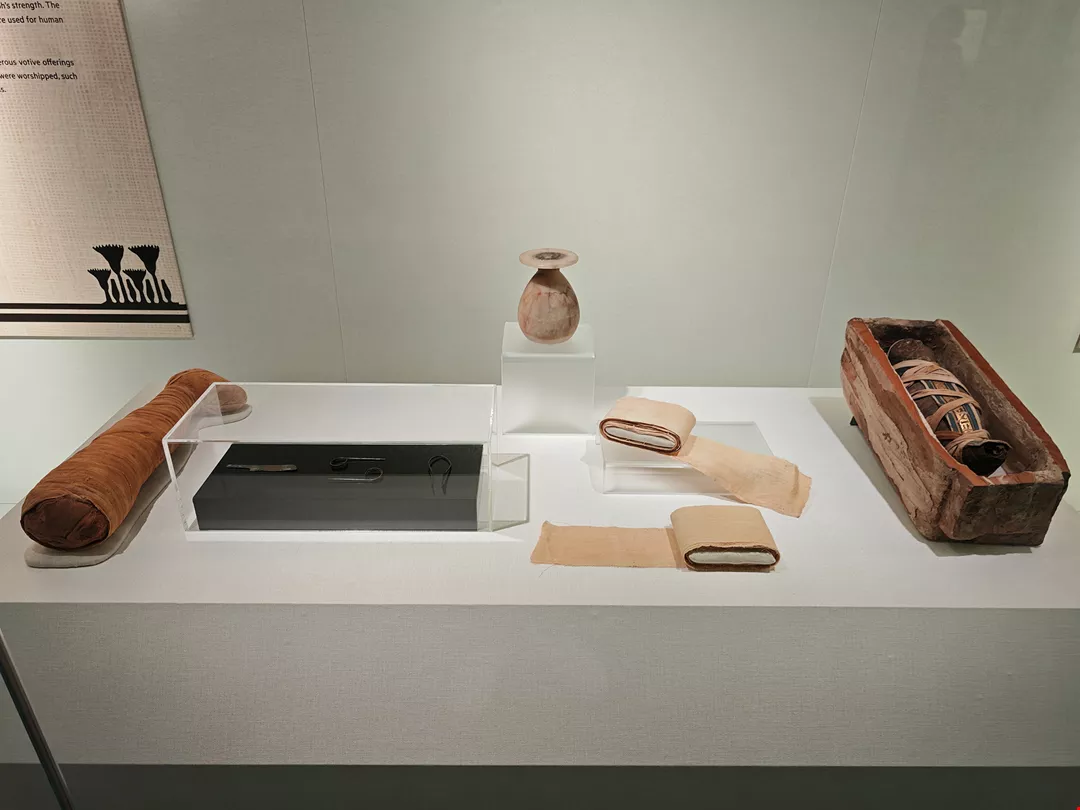
The ornate painted coffins, canopic jars used to preserve internal organs, funerary nets, and many kinds of amulets on display in Journey into Immortality recreate the sophisticated embalming techniques and material culture that ancient Egyptians developed to help the dead pass safely into the afterlife. Visitors can examine precious papyri, coffins with markers of status and artistic value, and heart scarabs, while audiovisual aids and illustrated explanations show how the ancient Egyptians built on beliefs and moral concepts to construct an order for life after death.
Curator Maria Cristina Guidotti observes: “Through the introduction of mummies and funerary objects, what is presented is not merely the end of life, but the beginning of life’s continuation in another form.”
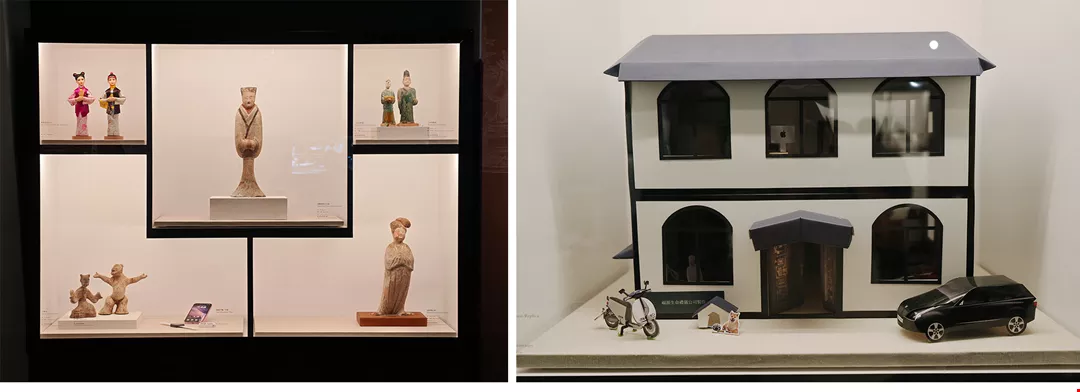
Ascending to the fifth floor, visitors enter To Be Continued, an exhibition organized around the themes of “cycle, transformation, ethics, and ancestral spirits.” It leads viewers from Buddhist reincarnation, Daoist visions of the Ten Kings of Hell, and the Confucian ethic of honoring the dead and remembering one’s ancestors to the ancestral-spirit beliefs of Taiwan’s Indigenous peoples. Among the highlights is the NMH’s Thangka of Amitāyus (Scroll Painting of Amitayus Buddha), an important antiquity. The exhibition also is working closely with the Laiyi Township Office in Pingtung County to bring in local Paiwan narratives. In coordination with the 170th anniversary of the Taipei Xia-Hai City God Temple, the temple has generously lent a statue of the City God to the exhibition, giving concrete form to the deity’s role in judging good and evil.
NMH director Hung Shih-yu emphasizes that the two exhibitions together reveal the emotions and wisdom human beings share when confronting questions of life and death. Both suggest that death is not the end. Whether in the ancient Egyptians’ pursuit of immortality through mummification, Eastern ideas of reincarnation, or Paiwan beliefs in ancestral spirits, death is understood as a transformation and continuation of life in another form.
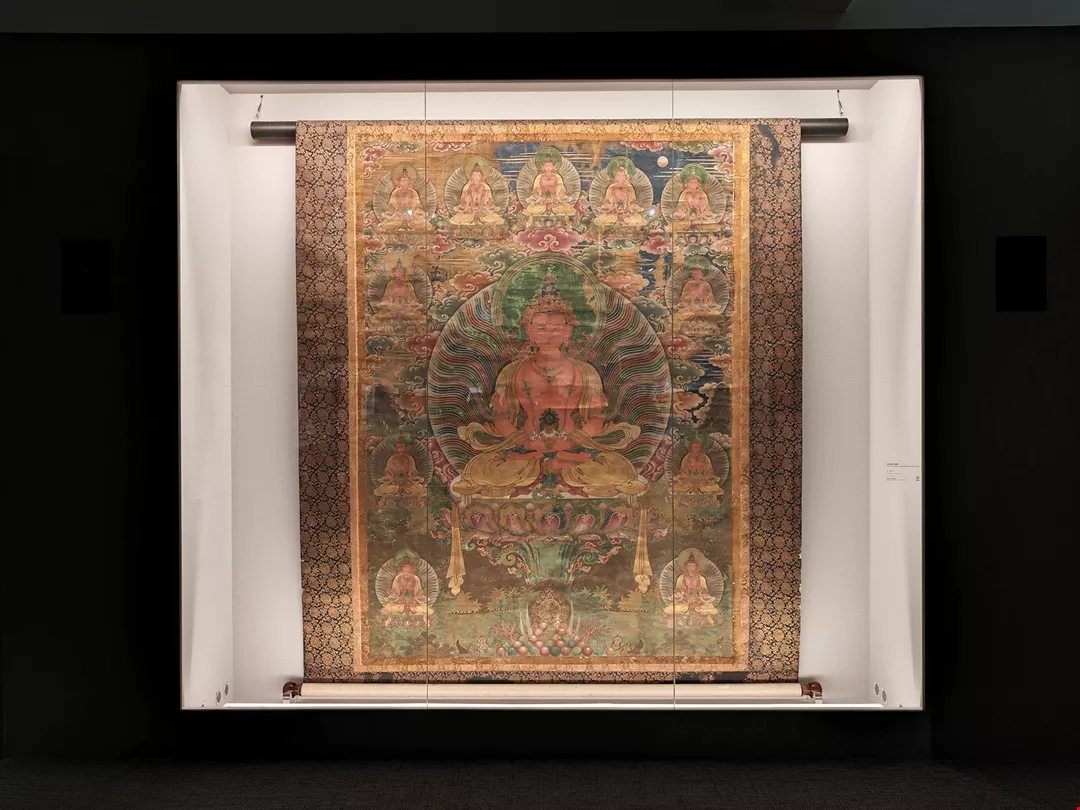
Thangka of Amitayus Buddha, designated an Important Antiquity by Taiwan’s Ministry of Culture.

Taipei Xia-Hai City God Temple has generously lent a statue of its City God to the exhibition. The City God is responsible for judging good and evil.
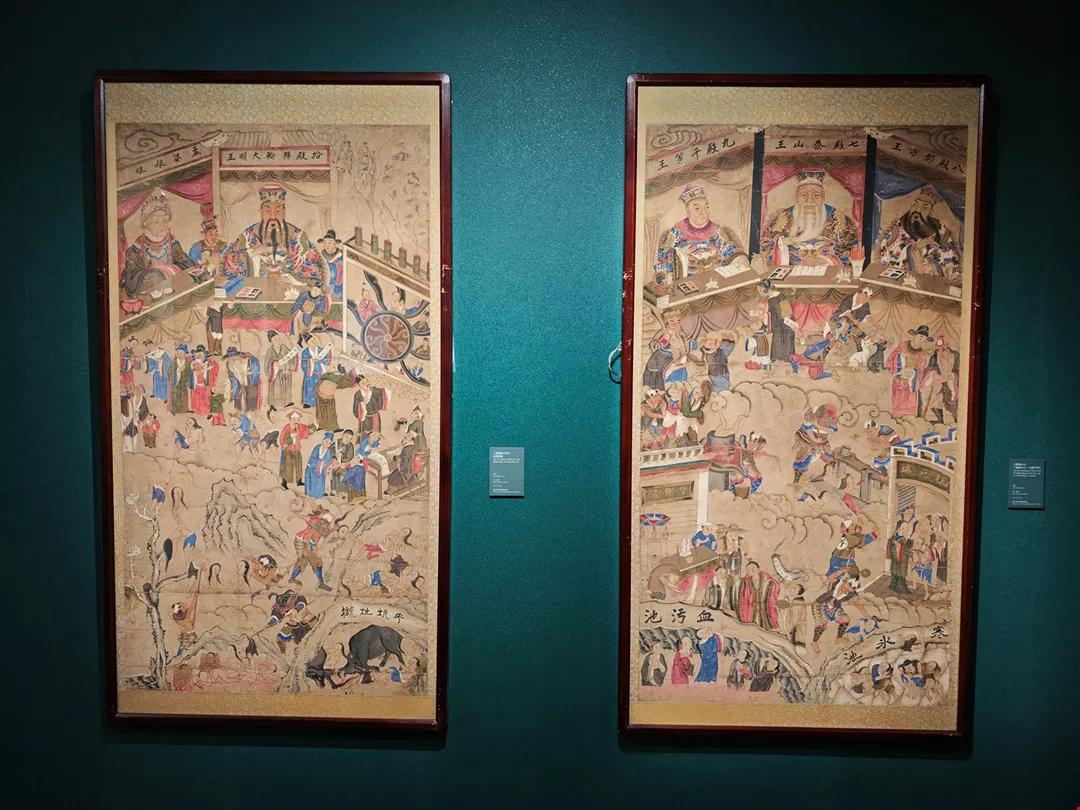
Once the deceased has successfully passed through the judgments of the Ten Kings of Hell, they may move from death toward spiritual transcendence.