Unflagging Loyalty--Where Next for the People of Rennie's Mill?
Chen Yueh-kuei / photos Chen Yueh-kuei / tr. by Phil Newell
October 1995


At the end of September, representatives of a group of residents of Rennie's Mill, Hong Kong, brought more than 300 ROC flags to Taipei, petitioned the government, and held a public seminar. They were hoping to win support to secure their interests in a dispute with the Hong Kong government over compensation for their displacement.
On the eve of the handover of Hong Kong to the people's Republic of China in 1997, when all eyes are on the dynamics of the triangular relationship between Hong Kong, Taiwan, and the PRC, there is little attention left over for the remote little town of Rennie's Mill. With the implementation of a clearance plan by the Hong Kong government, this locale-which has been called "a spiritual bastion of anti-communism" and "little Taiwan" --is about to disappear from the map. Meanwhile, the flag with the red ground and white sun against a blue sky, which has symbolized the loyalties of local residents for so many years, has already been taken down.
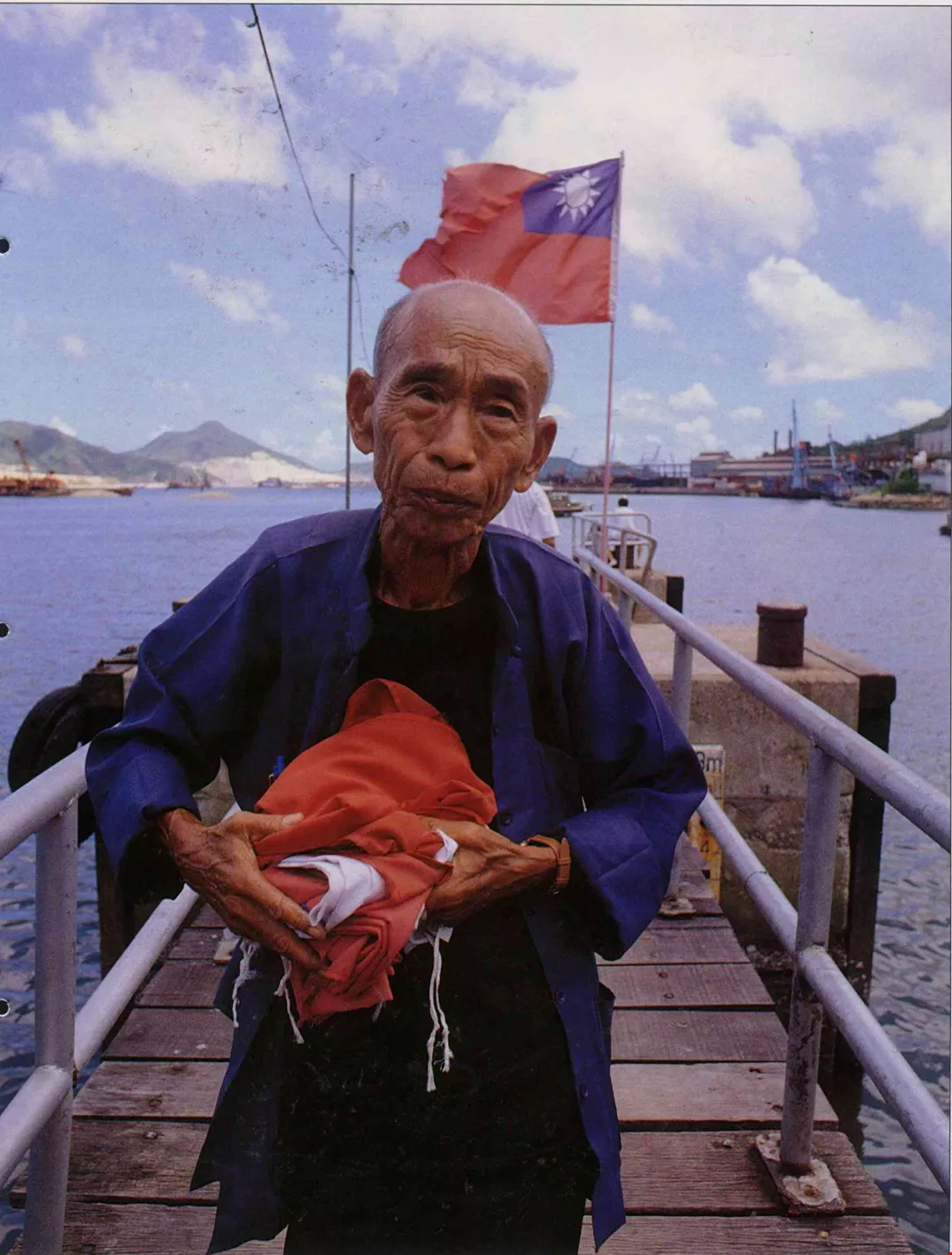
At the end of September, the "Anti-Relocation Committee" delivered their hundreds of ROC Flags to Taipei.
Flags to Taipei
At 1:25 in the afternoon on June 25 of this year, Hsia Chang-yun, an old veteran who has lived in Rennie's Mill for 45 years, took down the ROC flag flying over the dock. Some of the residents followed suit, taking down the flags hanging in front of their homes. The flags were sent to the "ROC flag collection point" at the pier. The flagpoles now fly sweatshirts emblazoned with slogans like "Resist compulsory relocation; fight for our rights," or "We are being ruined." Now that the row of flags has been replaced by a row of sweatshirts, there seems to be something wrong with this picture. It makes a sharp contrast with the slogan "Long Live President Chiang" set in concrete on the side of the hill.
Since 1950, nearly 30,000 refugees who fled from the Chinese Communists have made a home here. The ROC flag has continued to fly over this place for decades, and large numbers of visitors come here to pass ROC National Day each October 10. But on the day of our visit there are few outsiders, just a few reporters, and the atmosphere is anything but festive. That is because today is the day the colors of Rennie's Mill are struck. Rennie's Mill has been linked to the Republic of China for decades. How could you not feel sad seeing this?
Hsia Chang-yun says that his heart was pounding and he felt very sad when the flags were being taken down, but some things just have to be endured. The flags have already been folded away, and will be sent to Taipei.
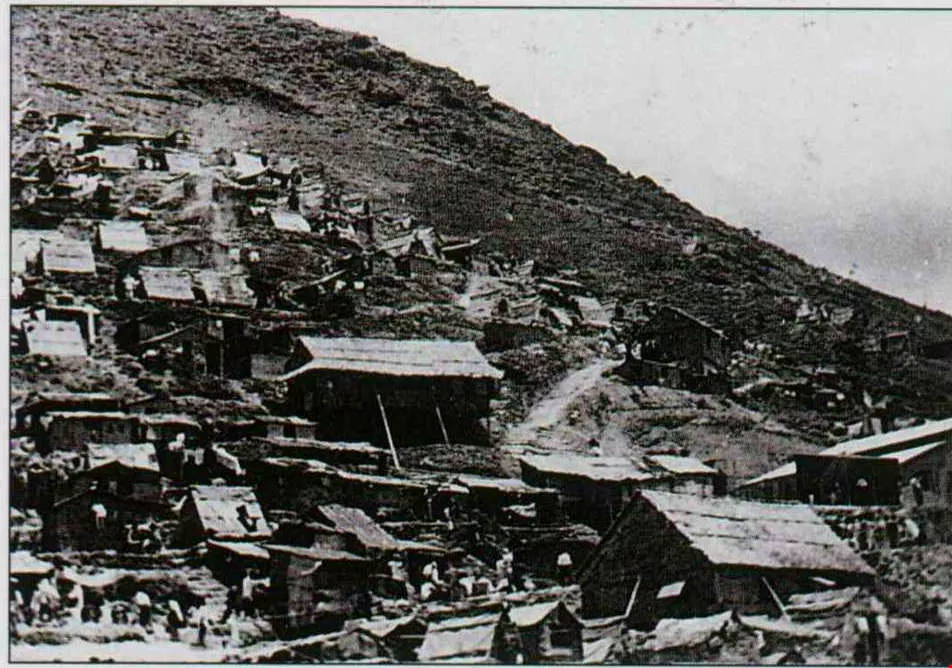
In 1950, huts were built at Rennie's Mill to accommodate 20,000 refugees from mainland China. (photo courtesy of FCRA)
Pioneering days
Rennie's Mill with its 1,500-plus households is built hard up against the side of the mountains. The squeezed-in roads and hillside homes are reminiscent of Chiufen in Taiwan. The roads, with back alleys often only a meter or so in width, twist and turn like a labyrinth, while the houses on either side are pushed right against one another. The water pipe network, produced by the sweat of the early refugees themselves, is intricate.
After the Communists came to power in mainland China, many refugees escaped to Hong Kong. Of these, about 20,000 were moved to remote Rennie's Mill by the Hong Kong government. At that time Rennie's Mill was nothing but an old burial ground overrun by weeds and grass. There were no people, much less buildings. The Hong Kong authorities built two makeshift cafeterias for the refugees. Here these 20,000 ROC loyalists, considered "far rightists" by Hong Kong officials, lived a Robinson Crusoe existence. They ate what they could and lived virtually in the open, each day struggling against the elements to build a home.
Within a couple of years, the town had been declared an official post-war refugee area by the United Nations, and the residents received shipments of flour, edible oil, soap, and other essentials. Not long after, the ROC's Free China Relief Association (FCRA) began providing economic assistance, building medical and school facilities, and hooking up water and electricity. The residents rolled up their sleeves and worked together to open up roads and replace their thatch huts with brick houses. Although Rennie's Mill was poor, it was a place where these people could settle in peace.
The residents of Rennie's Mill harbored hopes they could return to the mother country. That is why the ROC flag has always flown there and why the characters meaning "Long Live President Chiang" were set into the hillside, marking this place as a strongpoint of anti-communism. Every year around ROC National Day, local students still go up to clean off the characters and clear away the grass so that the slogan is even more clearly visible.
In June of 1961 the Hong Kong government announced that it was going to reclaim Rennie's Mill. The residents boycotted classes and went on strike to protest the decision. Ku Cheng-kang, then head of the FCRA, issued a declaration demanding that the residents' land and residence rights be guaranteed, and that schools and welfare agencies continue to be allowed to operate there.
After discussions, the Hong Kong government relented. It declared: "The management system of the past will remain unchanged. We will not put up high-rise housing there, and all those originally resident can remain indefinitely. Money has already been appropriated for use in upgrading the school facilities." The situation stabilized after this.
But after many years of development, densely populated Hong Kong has a shortage of living space, and the developed area of the colony has steadily expanded. It has been impossible for Rennie's Mill to avoid being drawn into these changes. And things get even more complicated when you consider what the coming of 1997 means, given the town's political orientation.
From this high point you can see all of Rennie's Mill. (photo courtesy of FCRA)
The coming storm
In 1989, the Hong Kong government announced its intention to demolish Rennie's Mill. But it has been unable to come up with any compensation package acceptable to the residents. In response, the residents, working with Hong Kong staff of the FCRA, organized the "Committee of the Residents of Rennie's Mill to Resist Compulsory Relocation and Protect Our Rights." They hope to use their unified strength to negotiate with the authorities.
Sun Wei-jung, who came with his parents to Hong Kong when he was six and grew up in Rennie's Mill, says that the committee at first took a firm position, and mobilized people to demonstrate in front of Hong Kong's Legislative Council. But as the eviction deadline approached, some core figures changed their positions. They no longer opposed the compulsory relocation and agreed to accept a compensation formula which came out to an average of about HK$200,000 (just over US$25,000) per household. As the situation took a dramatic turn, the attitude of the Hong Kong government also hardened. Some Committee members suspect that within their own group there may be some individuals colluding with the Hong Kong housing authorities to make a fast buck. Shih Kuei-tsai, another resident who opposes the compulsory move, says, "Maybe when things reach a certain point we will go to the Independent Commission Against Corruption so we can find out what these people are really up to."
The residents simply want reasonable compensation. Generally speaking, when the Hong Kong government wishes to acquire land by compulsory purchase, it must follow a specific process and compensation formula. When urban renewal is adopted for old sections of the city, the government offers the original residents a new apartment the same size as their original, and also covers part of the moving costs. But the residents of Rennie's Mill aren't even getting this minimal standard of treatment.
The housing authorities argue that the land rights in Rennie's Mill have never actually belonged to those staying there. Although the government acknowledges that the residents have ended up there because of "special historical factors," it does not believe they are entitled to be compensated on the basis of "a house for a house."
As for the problem of legal ownership of the land and houses, all the residents believe that these belong to those who live there, and that there should be no question at all about it. Shih Kuei-tsai states that back in 1961 the Hong Kong authorities promised that "the majority of the residents of Rennie's Mill could continue to live in their current residences and remain indefinitely." Later on, when residents applied for permission to build two-story homes, they received legal permits to do so. A variety of such precedents testify to the extent of their rights.
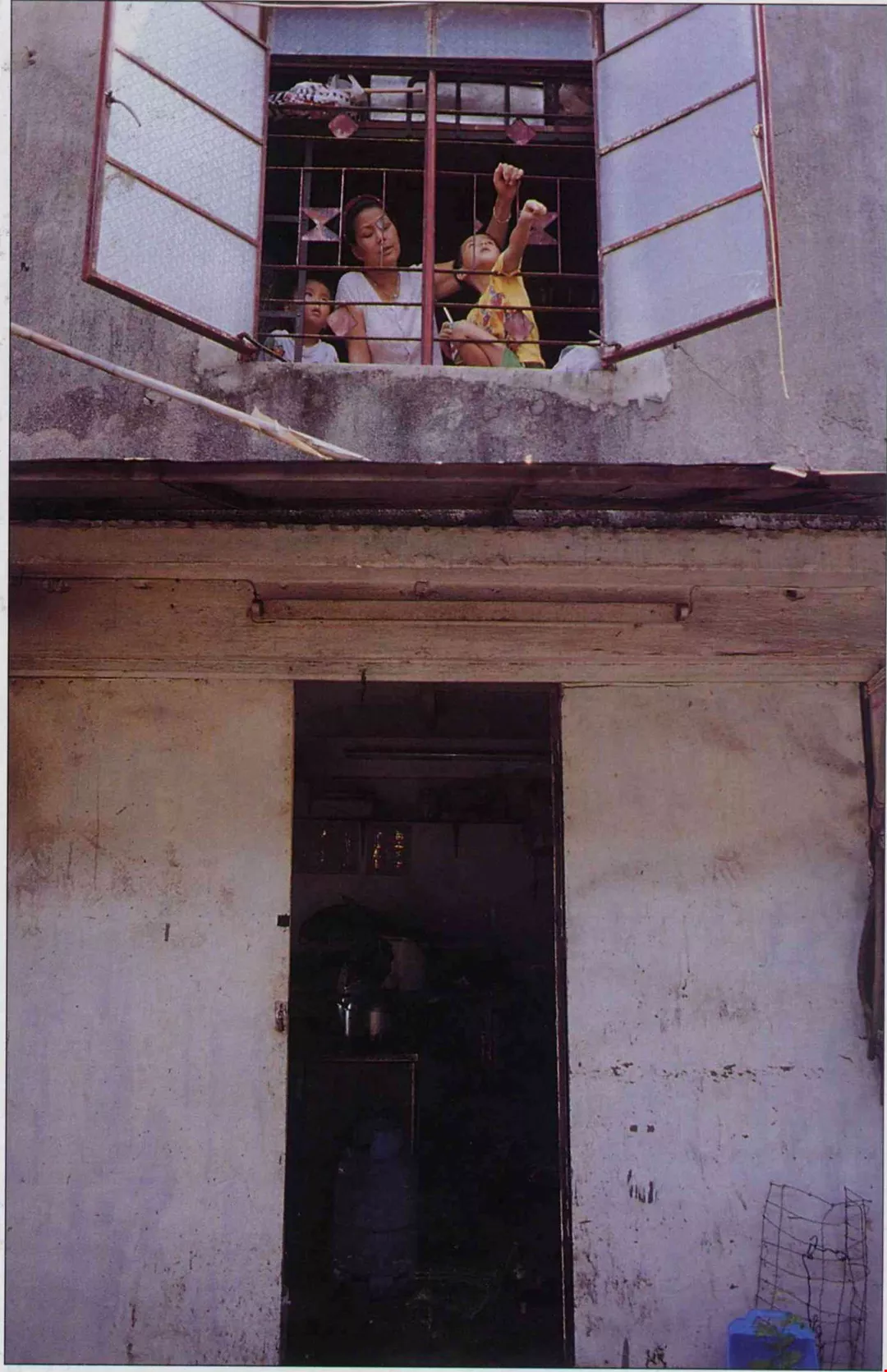
Although the houses in Rennie's Mill are old, they still beat the "rabbi t hutches" in the high rises.
Bring out your flags
The housing authorities are prepared to provide HK$900 million in compensation. But after deducting the more than HK$300 million for the schools, post office, hospital, and welfare organizations, and deducting the money for roads and other public infrastructure, there will be little left for compensating the residents themselves. "Just look at the current price of a house, which is a million or two, and the result is simply that the residents are left with no place to go," states Chen Sui-hsin, a 50-plus-year-old resident strongly opposed to relocation who helps put up posters and signs.
After so many disappointments, the residents feel that if they don't stick up for themselves even more strongly, then their rights will be given still less consideration. Thus they decided on the "Send Our Flags to Taipei" plan. They hope to get some response and assistance from Taiwan. This is because the flag represents not only a political stance, but also a national identity. Many older soldiers at first opposed this idea because they hated to see the flags come down, but after the motivation was explained to them they promised to support the idea.
But the residents also understand the difficult position of the ROC government on Taiwan. So they are not looking for Taiwan to represent them, much less for ordinary people in Taiwan to donate money. They simply hope to "build a legal foundation for their claims" and fight for the rights of Rennie's Mill residents through the Hong Kong judicial system. But lawsuits need money. There is still about HK$1.2 million left of the HK$2 million raised by the FCRA and residents, and they are hoping that the FCRA can provide some more funding for them to undertake a legal battle against the Hong Kong government.
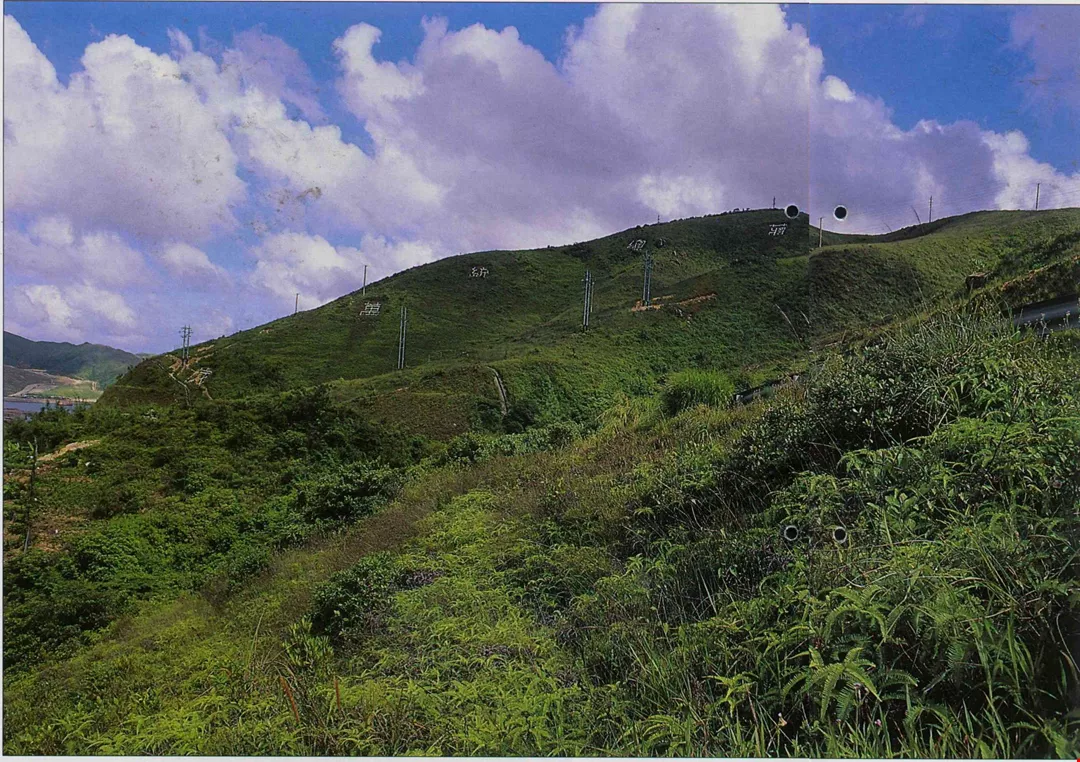
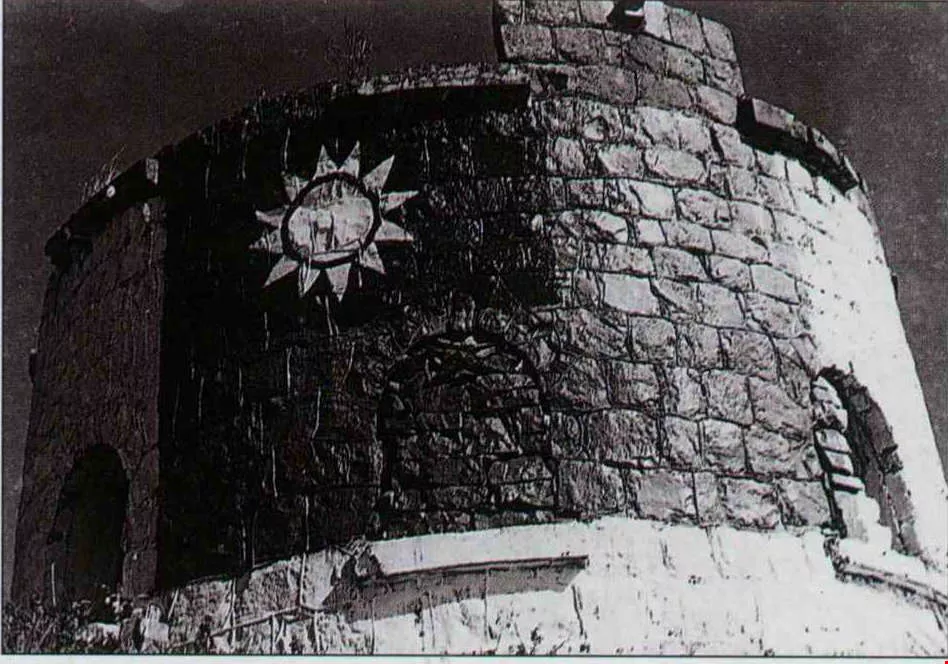
The slogan "Long Live President Chiang" is embedded on a hillside. It will disappear with Rennie's Mill.
Forced out of their homes--again
Looking out over the sea from the high ground around Rennie's Mill, on one side you can see the progress of the government's land reclamation project; the sea has already been filled in all the way from Junk Bay in the north to the vicinity of the Rennie's Mill middle school. Over to the west, a construction ship is already closing off the sea passage. These facts indicate that there is little time left.
Major construction is going on in nearby Junk Bay. Altogether nearly one hundred 30- to 40- story buildings are going up. If the negotiations work out, that is where Rennie's Mill residents will go. Still, many people would rather stay in their humble abodes in Rennie's Mill than live in a high rise. The air is clean and neighbors are close. There is a spirit of mutual support, and strangers could never just wander in as they will. Not to mention the fact that every blade of grass and tree is a product of the residents' own hard work, so that in fact the older a house is, the harder it is to give up.
Walking up the hill toward the bus stop, an elderly gent is taking an afternoon nap by the side of the road. Looking down from the slope, the British flag flies over the post office. Beyond it, the ROC standard still flies on the middle school flagpole. Looking at the juxtaposition of these two banners, one cannot repress a sigh. In any case, within two years "the striking of the colors" will be inevitable. Then, if these patriotic people still have no place to settle, who will be able to lend a helping hand?
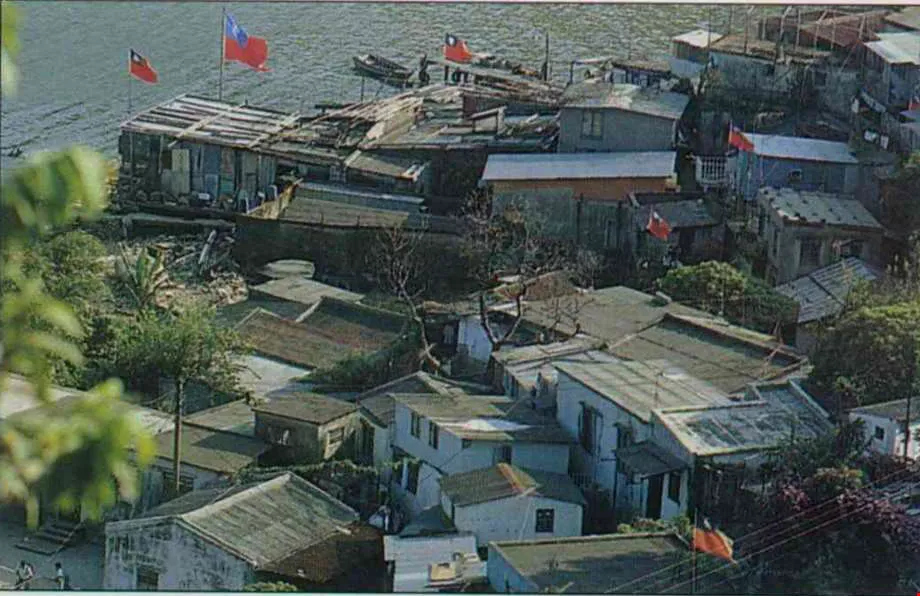
Every October 10, the ROC National Day, flags flutter all around Rennie's Mill, attracting many tourists from Hong Kong and beyond. (photo by Vincent Chang)
A dignified plea
On September 24, ten representatives of the residents of Rennie's Mill delivered the more than 300 ROC flags they had gathered to Taipei. They immediately attracted attention, and many members of media carried related stories.
They held a public seminar in Taipei, and filed a petition with the Executive Yuan. They are asking Taipei to provide funding to help the residents hire legal services to win reasonable treatment from the Hong Kong government; to establish a special unit to handle matters related to Rennie's Mill; to clearly acknowledge the desires of the residents there; and to help residents move to Taiwan permanently.
Huang Ming, just in his thirties, who grew up in Rennie's Mill and graduated from the Department of Law at National Taiwan University, is currently the chairman of the residents' committee. He says that in fact most of the people in the anti-relocation committee have, to one degree or another, received help from the FCRA to complete their studies in Hong Kong or Taiwan. They are not by any means ungrateful. It's just that they want to make sure that, at this sensitive time in relations between Hong Kong, Taiwan, and the PRC, the rights of the residents of Rennie's Mill are given due consideration.
[Picture Caption]
p.118
(right) At the end of June of this year, old veteran Hsia Chang-yun took down the colors from the Rennie's Mill dock, initiating the activities to send their flags to Taiwan.
p.118
At the end of September, the "Anti-Relocation Committee" delivered their hundreds of ROC flags to Taipei.
p.120
In 1950, huts were built at Rennie's Mill to accommodate 20,000 refugees from mainland China. (photo courtesy of FCRA)
p.120
From this high point you can see all of Rennie's Mill. (photo courtesy of FCRA)
p.121
Although the houses in Rennie's Mill are old, they still beat the "rabbit hutches" in the high rises.
p.122
The slogan "Long Live President Chiang" is embedded on a hillside. It will disappear with Rennie's Mill.
p.123
Every October 10, the ROC National Day, flags flutter all around Rennie's Mill, attracting many tourists from Hong Kong and beyond. (photo by Vincent Chang)
p.123
The once bustling middle school in Rennie's Mill had to close its doors as residents increasingly moved away and the number of students declined.
p.123
Although it was hard for them to do, in order to make a point and gain support for their claims, the residents regretfully hauled down their ROC flags to be sent to Taipei.
p.124
The Hong Kong government's land reclamation project has gotten as far as the vicinity of the middle school. The sea route will soon be cut off. The Junk Bay residential district in the distance is where the people of Rennie's Mill may be resettled.
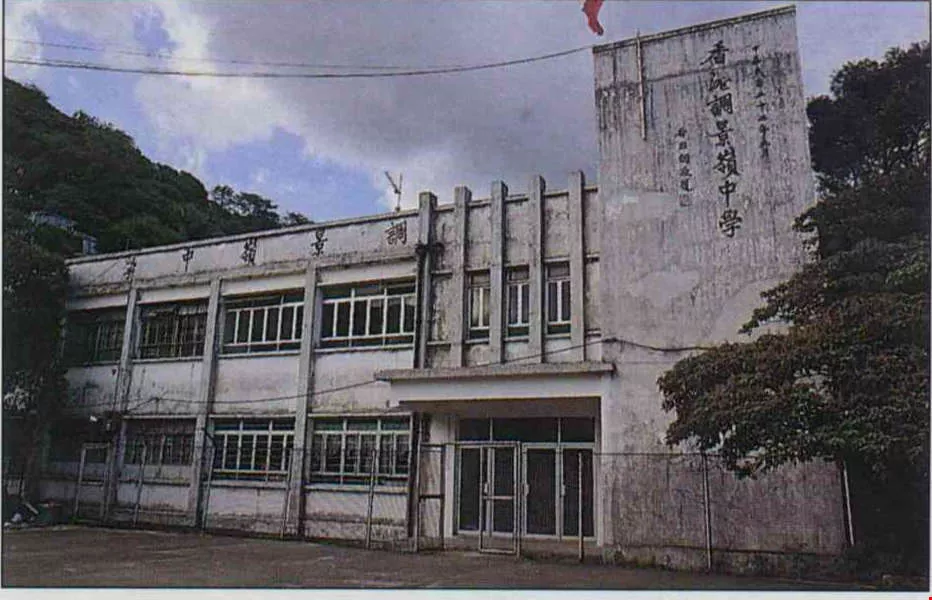
The once bustling middle school in Rennie's Mill had to close its doors as residents increasingly moved away and the number of students declined.
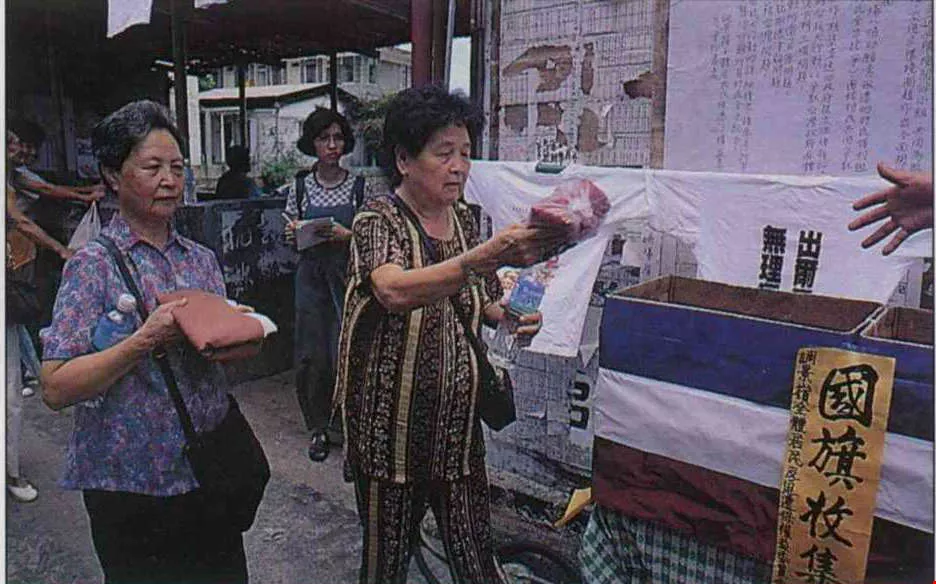
Although it was hard for them to do, in order to make a point and gain support for their claims, the residents regretfully hauled down their ROC flags to be sent to Taipei.
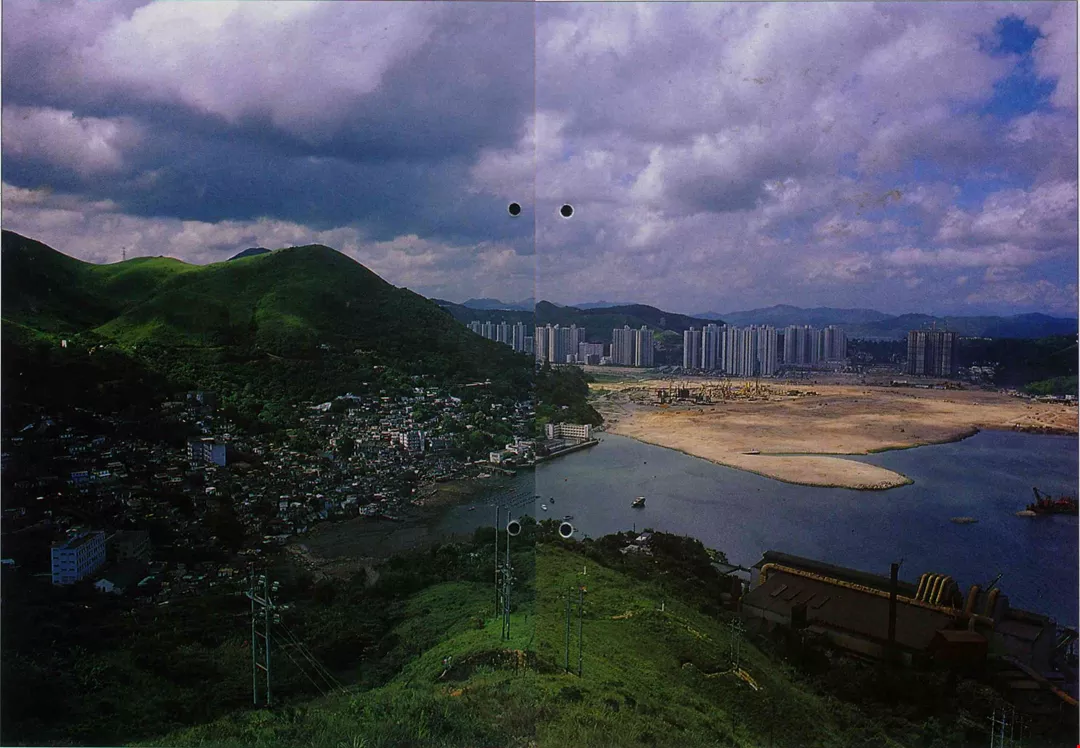
The Hong Kong government's land reclamation project has gotten as far as the vicinity of the middle school. The sea route will soon be cut off. The Junk Bay residential district in the distance is where the people of Rennie's Mill may be resettled.


@List.jpg?w=522&h=410&mode=crop&format=webp&quality=80)


