

Judicious planning by the government and the spirit of perseverance and hard work among the people have been behind the Republic of China's economic progress over the past years.
When the central government moved from Nanking on the mainland to Taipei on Taiwan, one of the most valuable assets it brought with it was talented people--scholars, scientists, engineers and economists. These people laid the foundation of Taiwan's development and built the groundwork for Taiwan's economic take-off.
But in recent years, the Republic of China has been facing competition from such rapidly developing countries as Korea and Singapore.
To meet this challenge, the ROC is pressing ahead with economic research. Two high-level institutes have been established, The Chung-hua Institute of Economic Research, and the Taiwan Economic Research Institute.
The Chung-hua Institute was established in July 1981. Among its 50 research personnel, a third are doctors and the rest have master's degrees.
The institute is headed by Dr. Tsiang Sho-chieh, Professor of Economics at Cornell University, in the U.S.A. Because Dr. Tsiang spends most of his time at Cornell, Vice President Yu Tsung-hsien acts for him in coordinating studies.
According to Dr. Yu, most of the researchers and assistant researchers are recruited abroad and assigned to their posts after a couple of years of additional training. The assistants are recruited from post-graduate schools in Taiwan and begin their independent studies after four or five years training.
The assistants here are required to take one course at the postgraduate school of economics at the National Taiwan University. Well-known economists at home and abroad are often invited to give lectures at the Institute. Every Friday, a symposium is held with one research worker serving, in turn, as keynote speakers. Because of this system, the researchers have never slackened in their work.
The subjects of research are either proposed by the researchers or assigned by the government. As soon as a research project yields some results, all the leading workers are assembled to conduct a "collegiate trial." They are free to criticize and offer their views. The report will not be published before all the necessary revisions are made.
As all the researchers are young, they adapt easily. One assistant researcher says: "Each time I present a paper, it is like having an oral test for a master's degree. If there is any difference, it is in the number of 'examiners,' who are more than a dozen, instead of the two or three required for a degree test. Under such circumstances, how can one not do one's best?"
This hard work has been reflected in the value of production. In only a year, the Institute has produced more than 40 prestigious papers. According to a visiting professor from the University of California Berkeley, the standards of the papers are comparable to those in the U.S. in every respect.
The research is not limited to local subjects. In August last year, a conference on the East Asian Economic Outlook was held with 120 Chinese and foreign scholars participating. On May 20 this year, a conference on inflation in East Asian nations was held, attended by about 150 scholars from Europe, America, Japan and Korea as well as the Republic of China. Some Nobel Prize laureates were invited to give lectures at the Institute in order to raise research standards.
The Institute has three sections, the first of which is in charge of the study of mainland economy. Yen Tsung-ta, an assistant researcher attached to the first section, says, "In trade competition, the advantages of the Chinese mainland are its sufficient labor supply, lower wages, and low production costs. But the mainland has been isolated from the rest of the world for more than 30 years, and therefore is backward in industrial production. Its major exports are raw materials and labor-intensive products of low quality, while Taiwan exports semi-finished and finished products. There is a considerable gap between the two economic structures."
He continued: "Since the end of the 1970s, the Chinese Communists have vigorously pushed economic 'modernization' and export trade. They have gone so far as to adopt the 'capitalist line' characterized by the offer of material incentives. Exporting enterprises are allowed to keep part of their profits, indicating that the Communists have come to understand that only in a free market economy can economic growth be accelerated. Nevertheless, this approach contradicts Communism, so they cannot achieve much with their skin-deep imitation. Taiwan's economic level is much higher than that of the Chinese mainland and in addition, Taiwan can be flexible in keeping with the principle of a free market economy. In such circumstances, there is little hope for the Chinese Communists to catch up with Taiwan."
The second section is in charge of the study of business information collected from various parts of the world. Each of the 18 researchers has his own special area of study. The Institute maintains connections with major research institutes in Europe, the U.S. and Japan in keeping with the principle of reciprocity for mutual benefit.
Chang Tung-lung, an assistant researcher at the Institute and a doctoral candidate at the National Chengchi University, noted, "Basically each nation is just a small part of the big world market. A change in one country will cause a chain reaction worldwide, like falling dominoes. By studying business information from various countries, a researcher can detect and predict the course of change."
The third section is responsible for the study of industrial upgrading to boost Taiwan's trading ability. Taiwan is now at the threshold of economic transition from labor-intensive to technology-intensive industry. Because of social progress and rising standards of living, the island has lost the competitive edge of lower wages. It cannot compete with low-wage nations in the production of labor-intensive goods. On the other hand, the production of capital and technology-intensive goods has not yet become the mainstay of the economy. In terms of value-added products, Taiwan cannot compete with industrially advanced nations.
"We must automate our manufacturing and, at the same time, develop our information and machinery industry," said a bespectacled assistant researcher.
The Taiwan Economic Research Institute is a brainchild of the Taiwan Cement Corp. and the China Trust and Investment Co. Established in 1976, it was at first also headed by Dr. Tsiang Sho-chieh. But now leadership has been transferred to Dr. Liu Tai-ying, who completed his post-graduate studies after working on economic planning for years with the Council for Economic Planning and Development.
As TERI is a private organization, it earns its revenue from studies assigned by private enterprises which are eager to understand the development trends in their fields. Besides economics, the researchers are also trained in business management and even in industrial engineering.
Despite the wide-ranging training of its researchers, TERI maintains close connections with the Industrial Technology Research Institute and the Taiwan Power Co. to obtain its expertise.
The Institute has been building up a data bank for the reference of local and foreign banks in processing applications for loans.
According to Dr. Liu, the absence of such a data bank has been the cause of great inconvenience for both banks and loan applicants. To reduce their risks, the banks require collateral security. An enterprise often cannot obtain loans to invest in a promising business because of the lack of such security. "If a reliable data bank is established, this problem can be solved and banking in Taiwan can be modernized," said Dr. Liu.
[Picture Caption]
1. Yu Tsung-hsien, vice president of the Chung-hua Institute for Economic Research, said, "The economists use scientific methods to measure accurately domestic manpower, material power and resources and propose their most optimum uses for reference of the government and the industrial and business circles. This enables them to make economic decisions scientifically." 2. Dr. Wang Tung-Ying, a visiting researcher said that domestic economic research has attained international standards. 3. The Chung-hua Institute has a good collection of books and other reference materials.
The Chung-hua Institute often sponsors various activities. 1. A brainstorming meeting of the researchers. 2. Data and statistics are computer processed. 3. A discussion is held every Friday, which is presided over by researchers rotationally.
1. Dr. Liu Tai-ying, director of the Taiwan Economic Research Institute said "TERI is a bridge between the government and the industrial and business circles." 2. Wu Chih-yen, deputy director of the institute, noted, "Economists must make forward-looking studies. TERI is now studying the problems involved in turn-key plant exports." 3. The Institute possesses many valuable materials. It spent about US$3,750 to buy this set of indexes regarding the livelihood of people in the world's major cities.
Many of the books were donated by the late Dr. Liu Ta-chung. Dr. Liu and his wife are permanently remembered at the Institute.
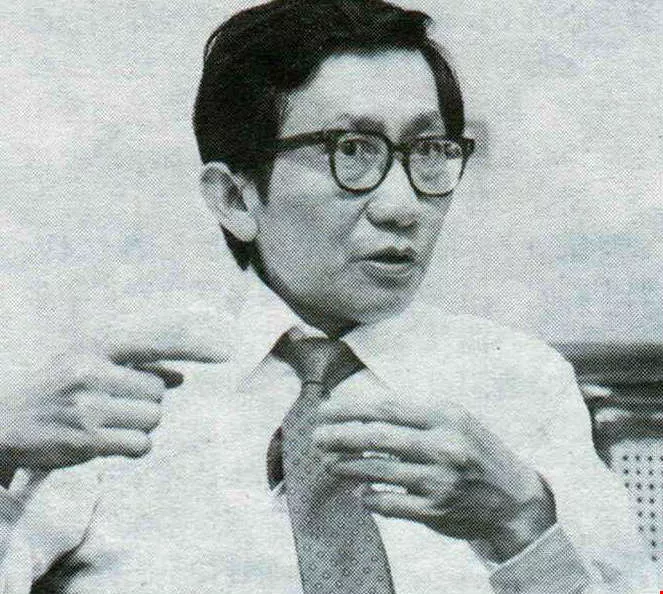
2. Dr. Wang Tung-Ying, a visiting researcher said that domestic economic research has attained international standards.
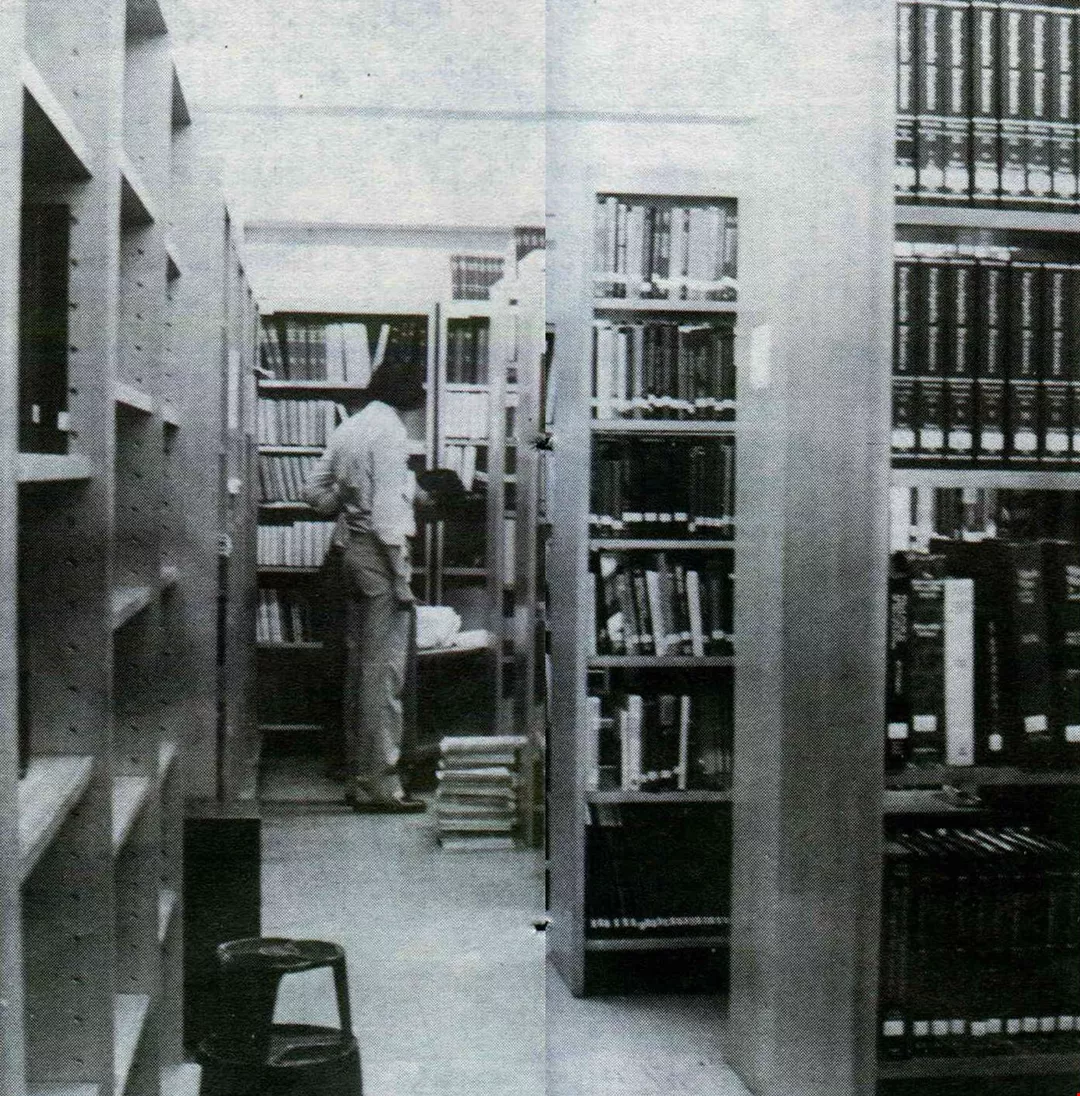
3. The Chung-hua Institute has a good collection of books and other reference materials.
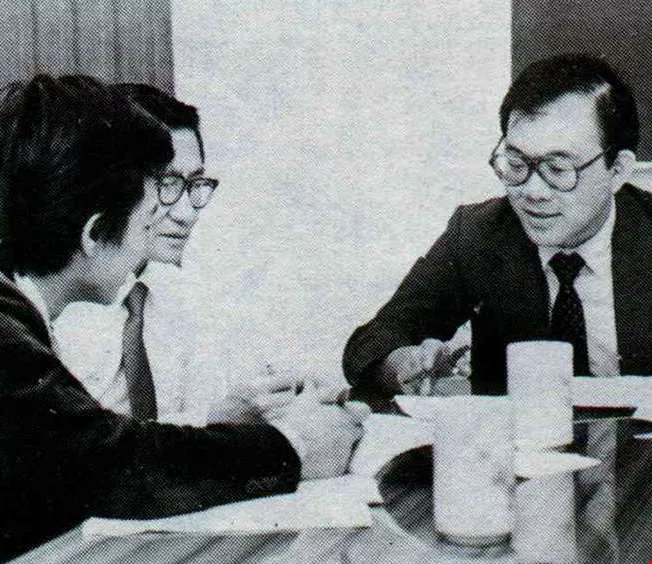
The Chung-hua Institute often sponsors various activities. 1. A brainstorming meeting of the researchers.
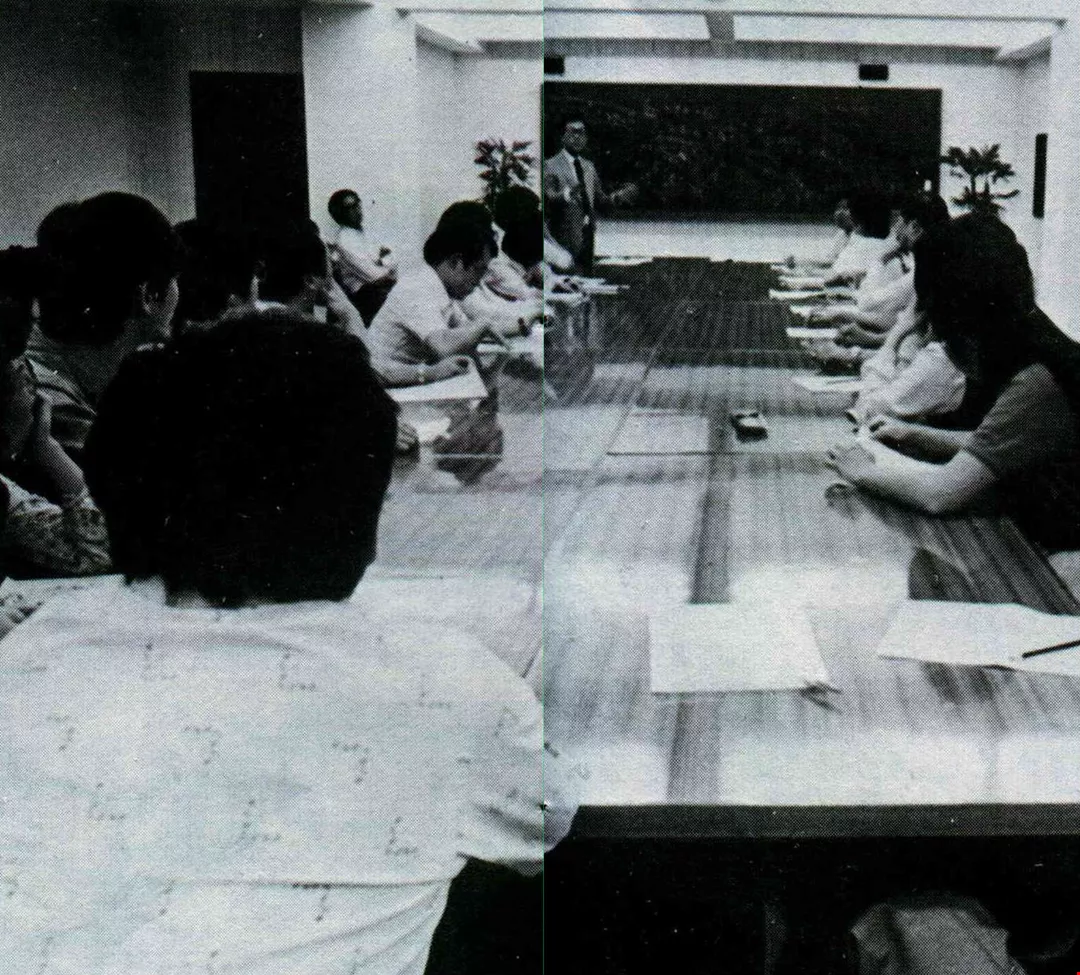
3. A discussion is held every Friday, which is presided over by researchers rotationally.
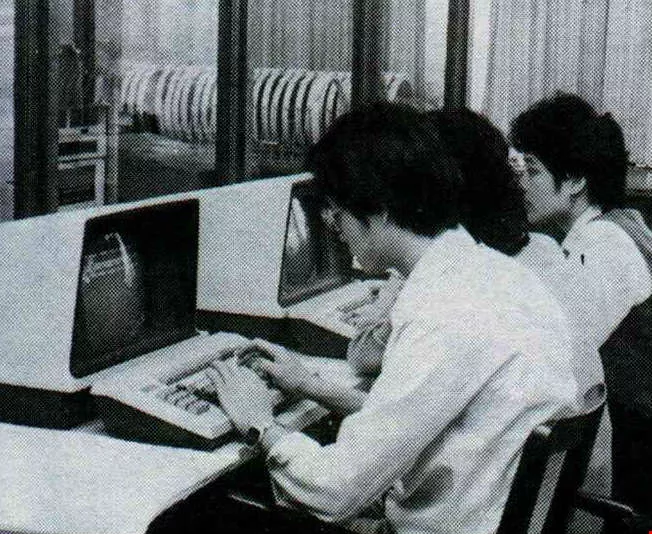
2. Data and statistics are computer processed.
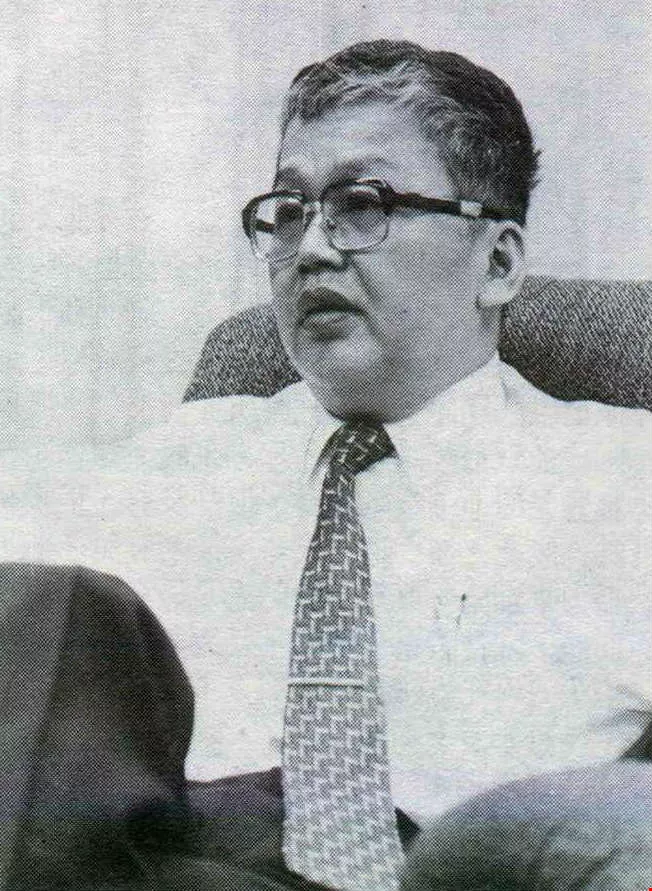
1. Dr. Liu Tai-ying, director of the Taiwan Economic Research Institute said "TERI is a bridge between the government and the industrial and business circles.".
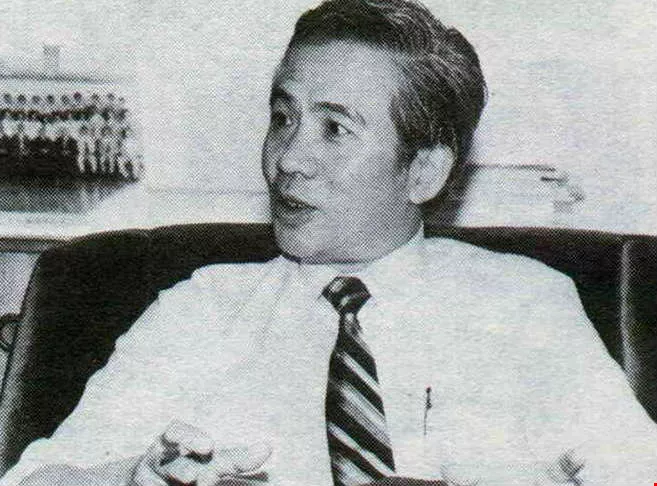
2. Wu Chih-yen, deputy director of the institute, noted, "Economists must make forward-looking studies. TERI is now studying the problems involved in turn-key plant exports.
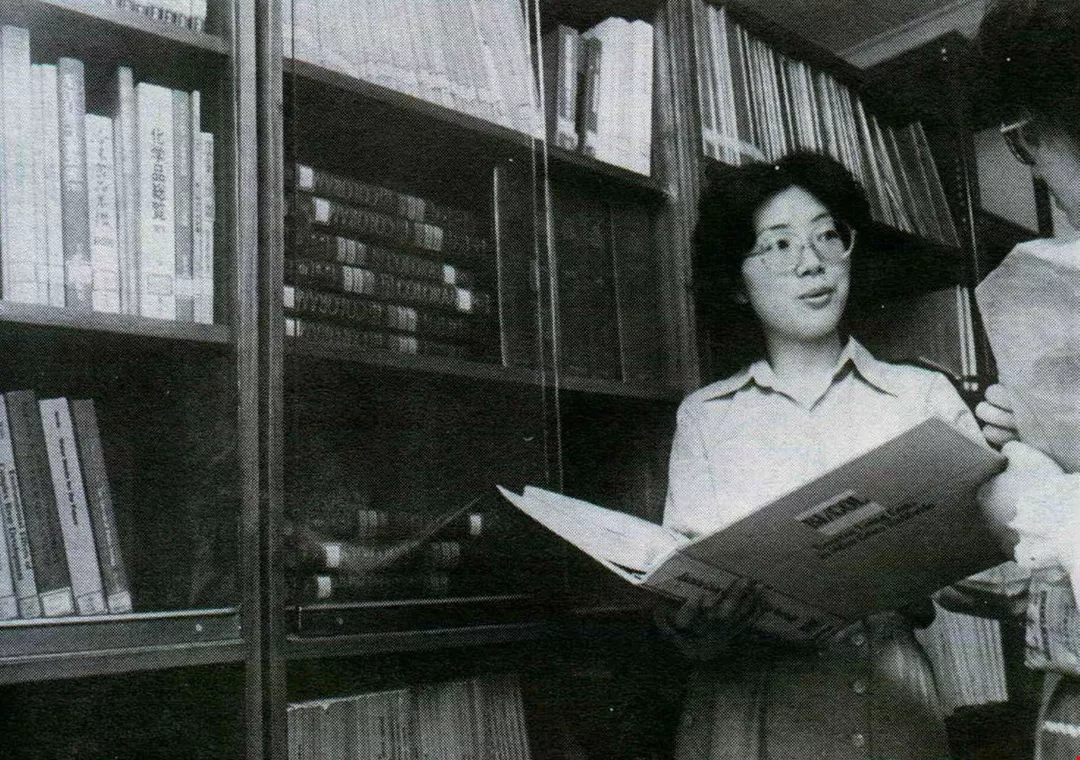
" 3. The Institute possesses many valuable materials. It spent about US$3,750 to buy this set of indexes regarding the livelihood of people in the world's major cities.
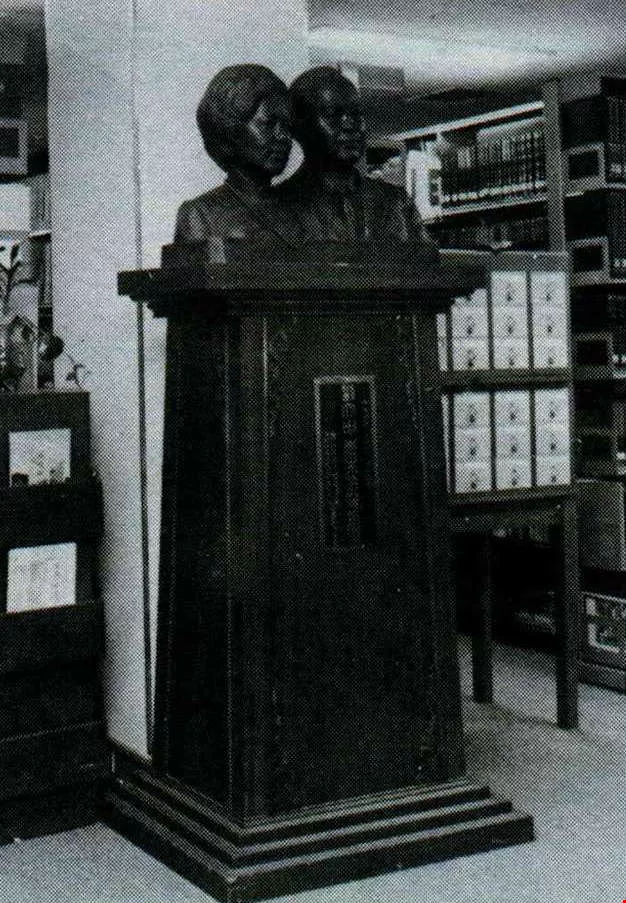
Many of the books were donated by the late Dr. Liu Ta-chung. Dr. Liu and his wife are permanently remembered at the Institute.


