Green Getaway--The Chilan Forest Recreation Area
Cheng Yuan-ching / photos Diago Chiu / tr. by Phil Newell
June 1994


Chilan, which means "resting orchids," got its name because many orchids grew on the trees, appearing to rest there. During the blossoming season, you can see many orchids poking their way through indentations in the trunks or limbs. But today it's not the orchids that make Chilan famous, but trees which have no flowers on them. There is one juniper here that was born in the same era as Confucius.
In ancient times areas 1000 to 2000 meters above sea level in Taiwan were dominated by trees hundreds and thousands of years old. But after hundreds of years of constant pioneering and development, there are few places on the island where one can still see large groups of trees of this type. Because fewer trees in Chilan have been cut down, it might be fair to say that this is the only place in Taiwan where it is still possible to see a primitive forest whose trees go back centuries.
Although the Chilan forest is very unique, as far as most people are concerned it has long only been seen as a seedling nursery. Located on the Ilan spur of the Central Cross-Island Highway, it nearly intersects the Northern Cross-Island Highway, being only three kilometers distant from the eastern entrance to the latter roadway. Just beyond Chilan is where the Lanyang, Tuowang, and Tienkuer rivers come together. It is about 37 kilometers from both Ilan and Luotung cities, and the trip from either takes about an hour. The tourist attractions in the area are under the jurisdiction of the Forest Development Administration (FDA), an enterprise unit under the central government's Vocational Assistance Commission for Retired Servicemen (VACRS).
Although the FDA does controlled cutting of forest areas, they also actively engage in reforestation. In order to get the large volume of seeds needed for reforestation, they set up seedling nurseries in Chilan and Mingchih.
In recent years, as conservationist sentiment has spread and the volume of lumbering has declined, the nurseries ceased to be needed for their former function. In order to provide more leisure space for citizens, in July of 1990 Chilan and Mingchih were transformed into new recreation areas, which would accommodate visitors with the resources and experience of the FDA. Mingchih opened to the public at the end of last October.
When Chilan was redesignated a recreation area back in 1990, they thought up special ideas to attract visitors. They took 62 enormous trees left behind from this former lumbering area and built a trail, thus turning the place into the "Historical Venerable Tree Reserve."
The Venerable Tree area is on the eastern section of the Northern Cross-Island Highway. Just go about 20 kilometers along the highway from Chilan until you get to Forestry Road #100 (owned by the FDA). After taking care of the procedure for a Type A Restricted Mountain Area Pass, head up this gravel road which is only wide enough for one vehicle at a time. Along the route you can see a combination of primitive forest and manmade fir forests. There is also ongoing lumbering, and you can see scattered wood along the roadside.
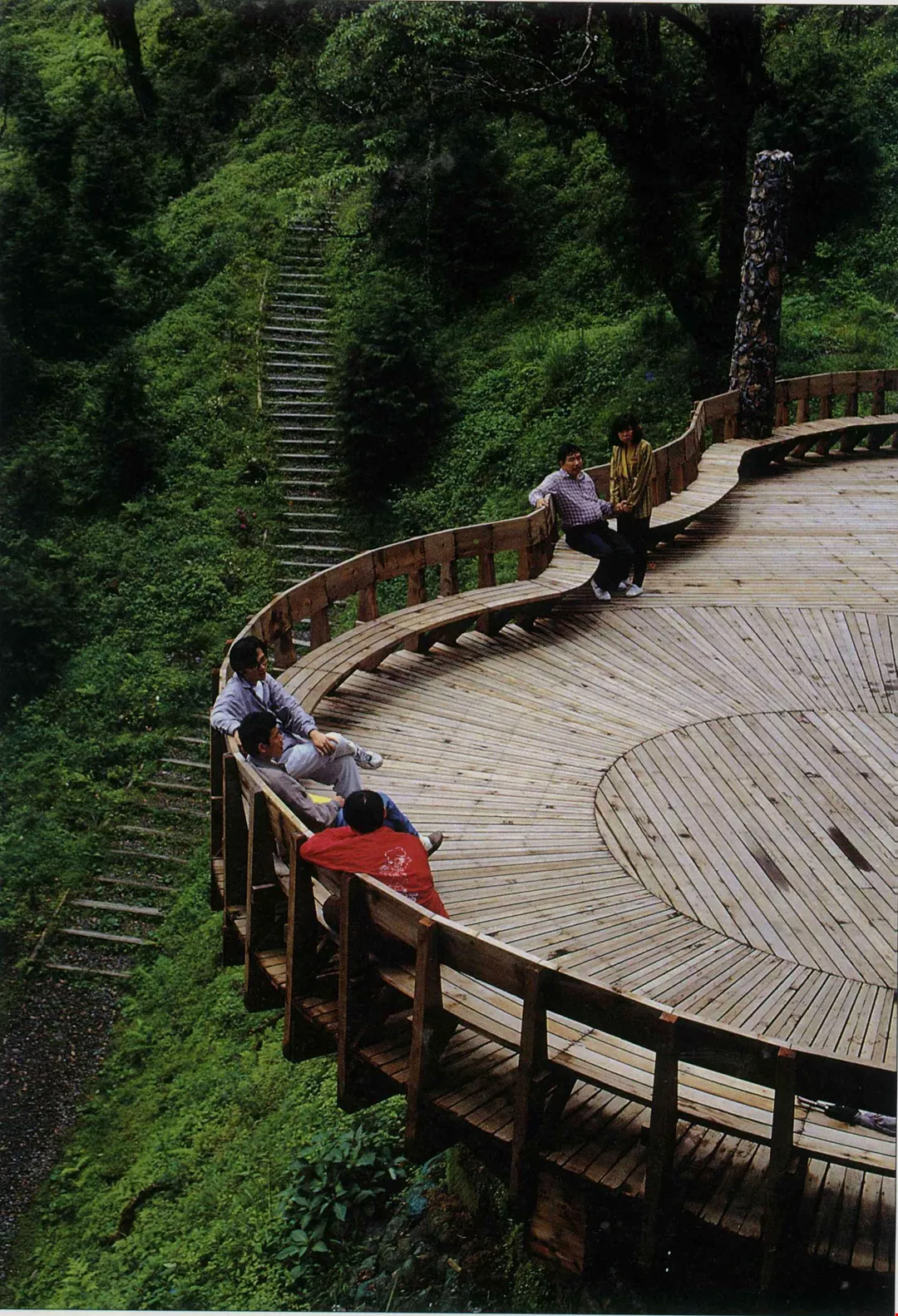
After a day at the Venerable Tree forest, visitors can stop at the service center for a bite to eat.
A branch of history
There are 62 venerable trees in the Historical Venerable Tree Reserve. Most of these are juniper, while a few are Chinese cypress. Of these, 51 have been named after historical figures.
The ages of the trees have been verified by the Department of Forestry at Chinese Culture University. Although the dating method they employed left some margin of error from the actual age, so the figures are only an approximation, at least they provide an era for reference.
Each tree is named after a historical figure from the corresponding era in Chinese history. The trilingual explanatory signs (in Chinese, English, and Japanese) tell visitors the (in)famous deeds of the historical figure. After reading the panel and listening to the guide embellish it with a few spicy tales from the past, it seems like the ghost of the actual person is standing there before you. Of course, visitors have to be willing to use a little imagination in order to get into the spirit of things.
The ages of the personified trees were set using1989 as the base year. The oldest of them is "Confucius," at 2542 years old. The tallest and strongest is "Ssuma Chien" (after the great Han dynasty historian): it has a "chest measurement" (130 centimeters from the ground) of 13 meters--it takes eight or nine people to form a circle around it--and stands 42 meters high. Cheng Chengkung(named after the Ming dynasty general who expelled the Dutch from Taiwan) is the baby of the group at 300 years of age.
In order to guard these renowned personages, the FDA has placed a number of lightning rods on high ground in the area in order to protect these "outstanding" targets from being struck during storms.
The Venerable Tree Reserve is located on a slope at an altitude of about 1600 meters above sea level. Pathways have been constructed along the slope using gravel, flowers and saplings, and wood rails. For tired travelers, there are two small rest pavilions--named after Sun Yat-sen, father of the Republican Chinese revolution, and Hsia Chih-ching, a renowned man of letters. There are also two bridges to cross, called "Talking of Ancient Times" and "Discussing Current Events." The trail winds for about two kilometers, and the guide speaks as you go; it only takes about two hours for travelers to complete the course.
In the neighborhood of Wu Tzu-tien (a tree named for the only female emperor in Chinese history), there is a small stretch of Taiwan sassafras growing. The supple leaves of this plant are a favorite food for Papilio xuthus butterflies, and if your luck is running good you'll be able to see these two protected species, one plant, one animal,side-by-side.
If you start early enough, it will be almost noon when the trail is completed. At the terminal point is an all-wood-construction service center where visitors can eat boxed lunches brought along from Chilan. Taiping Mountain is across from the service center, and if you look in the direction of the ocean, on a clear day you can see the busy Lanyang Plain.
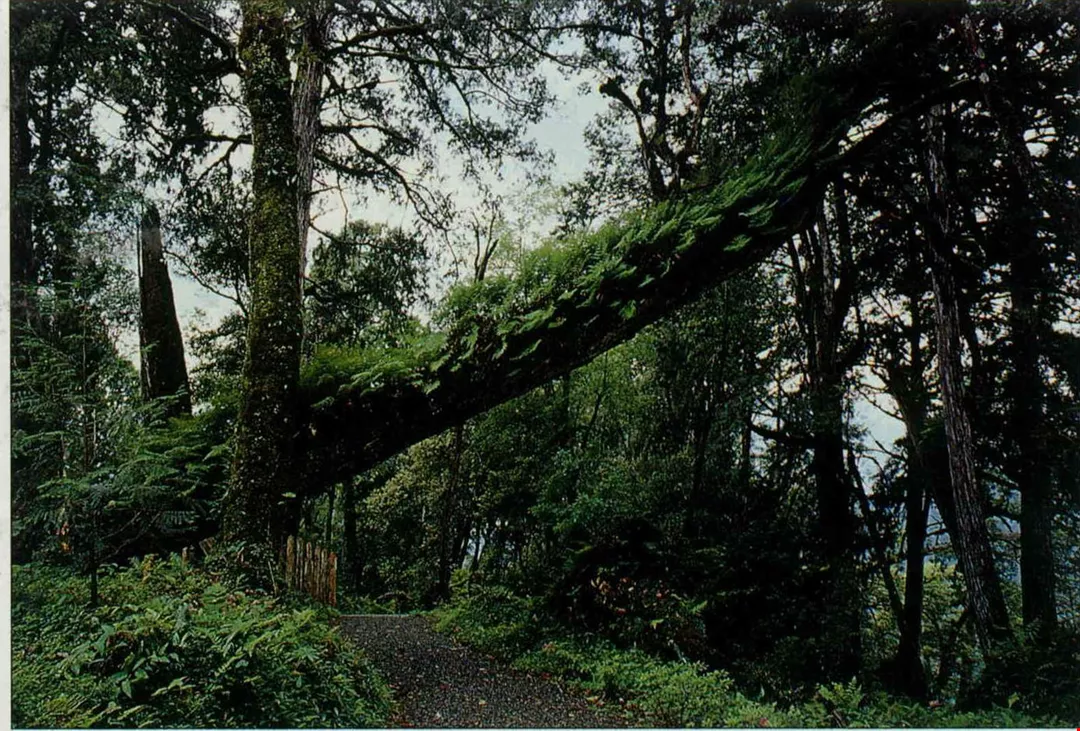
Moss growing on trees is a common sight in the mountains of Chilan.
Man-eating cats
The guides will often specially warn people to be careful of one particular type of plant while doing outdoor activities--the dreaded "man-eating cat."
The leaves of the man-eating cat are shaped somewhat like those of a poinsettia. On contact with the skin they cause an unbearable itch which only gets worse if you scratch it. For immediate treatment, symptoms can be moderated by applying urine or kupoyu plant, which have high salt contents. But according to those with many years experience in the mountains, the only long-term treatment is to tough it out.
About two kilometers from the Venerable Tree Reserve, there is a high point with a great view looking out over a long stretch of woods below the mountains. Below is the famous natural juniper seed forest, which covers as much as 300 hectares.
The juniper bear seeds in the autumn and winter. The seeds, being small and light, can be scattered by the wind as far as a radius of 100 meters around the tree. The Forest Development Administration has cleared the ground around this area so that the seeds can fall directly to earth and grow naturally. After the process of natural selection, the wood that finally grows is of high quality, and the trees have grown tall and beautiful; this has been called a miracle of forestry management. The natural juniper forest has been around now for twenty-some years, and the trees have grown to four or five meters tall.
Be forewarned, however, that it's not so easy to get to the Venerable Tree Reserve, because it is not only in a Type A Restricted Mountain Area, it is also a forest enterprise area belonging to the FDA. This means that even if you get a pass to enter the restricted mountain area you still might not be able to get in. You must first make a collective arrangement at the Chilan Mountain Villa of the FDA to be brought in; individual travelers may not go in unescorted.
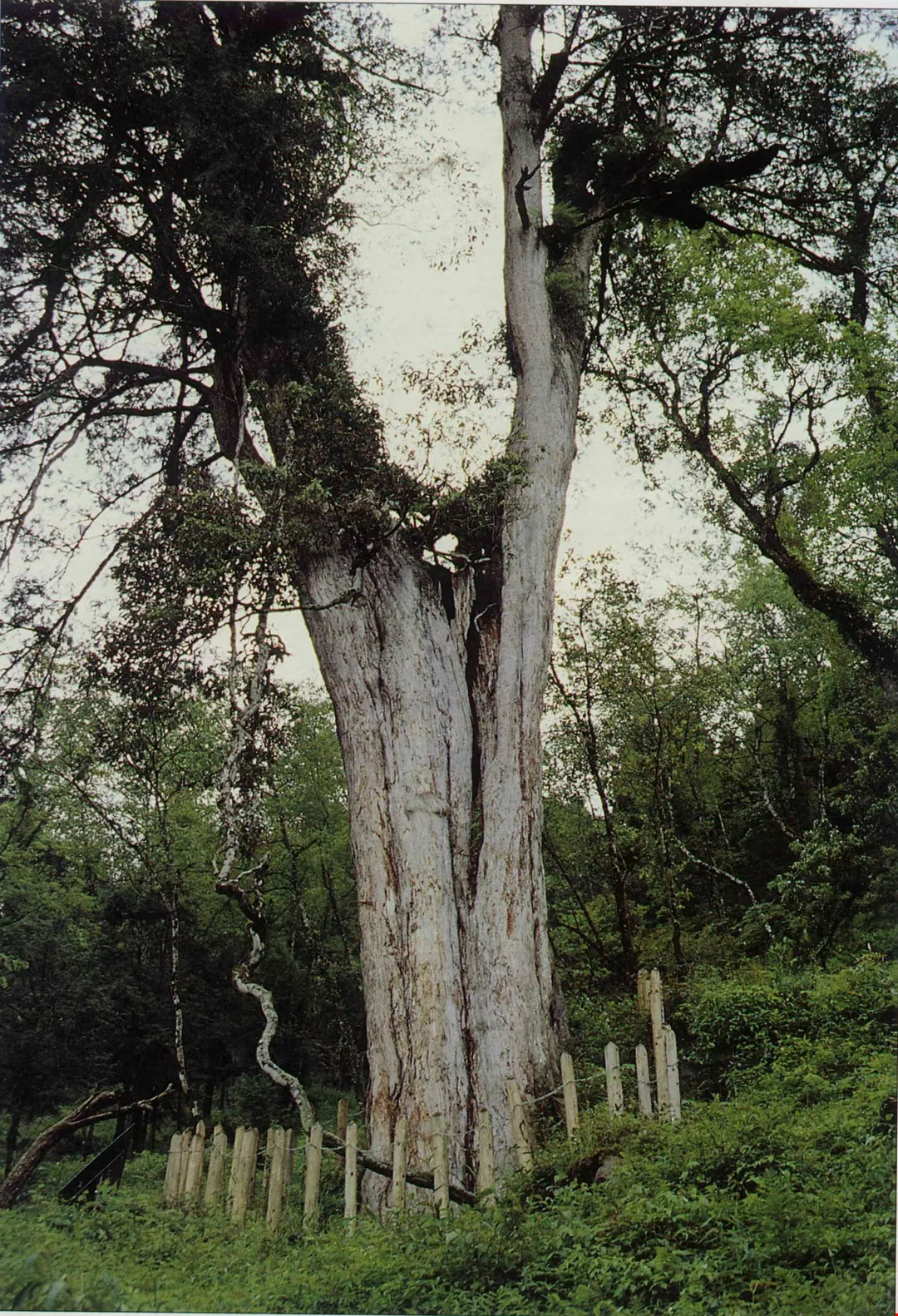
Of the 62 mighty trees at the Venerable Tree area, 51 have been christened.
From tiny seeds grow great recreation areas?
Although visitors can't stay overnight in the Venerable Tree Reserve and share the Chilin dawn with these old friends, it is possible to stay in the Chilin Villa and enjoy the scenery presented by the river valley, the mountains, and the seedling nursery.
The Chilan seedling nursery is shaped in terraces, and each level is separated off and held back by a wall. These walls, made with "goose egg" rocks, were built by military veterans, stone by stone. Originally here is where the seedlings were transplanted; now there are a few sprouts for Chinese cypress, tea plants, azaleas, and oleander. Most of the seedling nurseries are now used to add a little color to the recreation area, and have been changed over to flowerbeds. There you can see rank after rank of poinsettia, baby's breath, and other flower varieties. It is wondrously beautiful when the blossoming season rolls around.
On the lowermost several terraces 26 small wooden cabins have been built for guests to stay in, and a health walkway has been assembled nearby using "goose egg" stones.
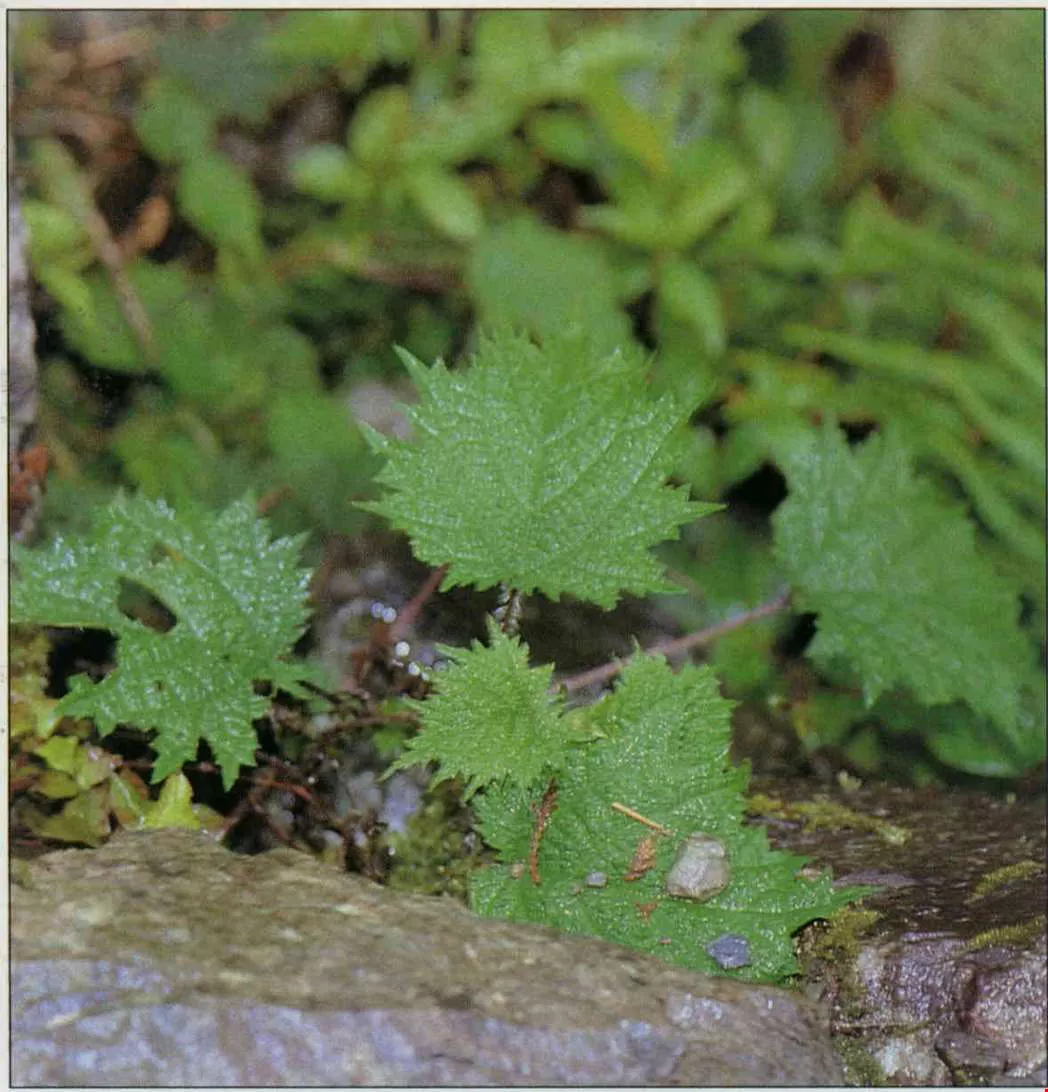
Guides specially introduce the"man-eating cat" plant so that visitors can be a little more prepared.
Bathing in the forest
Behind the mountain villa is a forest "bathing" area--where the air is so refreshing you feel like you are taking a bath--ranging in altitude from 400 to 700 meters above sea level. There are three signs at the entrance explaining, respectively, the healthful benefits of phytoncid, the trail situation, and 14 types of aerobic exercise equipment.
Following the pathway along the "bathing" area upward level by level, to the left there is a spot from which you can get a bird's eye view of the whole Chilan Villa. There are also two pullup bars here, so that people in good shape can get a little exercise.
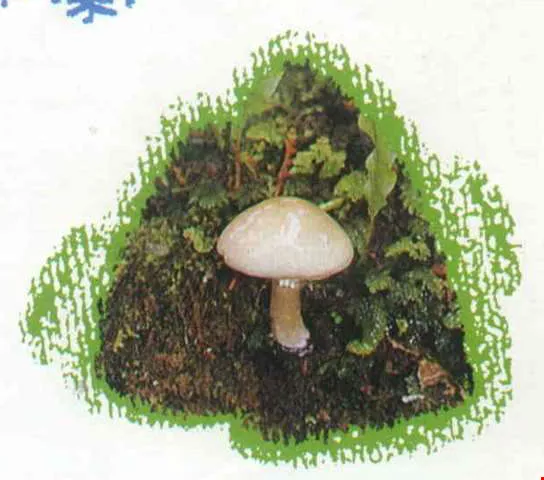
Next comes the "Spring Green Autumn Red" maple wood slope. If you come here in the fall you can understand what the old poets meant when they wrote:"Azure skies, ground covered in yellow leaves, the colors of autumn come in waves, cresting on the charcoal grey of winter." You might see a great spread of white mushrooms growing on the withered trunk of an old dead maple, truly manifesting the idea "working even at the time of death." It used to be that maple trees provided the best place for raising mushrooms, but sadly, in recent years the maples were almost all cut down, and they are very rare these days, so production has shifted to germ-free packaged propagation.
As you move on, don't neglect the field of small white flowers. This area was mostly Taiwan paulownia, and these are the flowers of that plant. The explanatory placard says, "A beautiful melody is unforgettable." It is only when you read the commentary that you know that this wood is excellent material for pianos or violins because it is light, soft, and does not burn easily.
Another slope is covered with the very common acacia tree. When these trees bear fruit, you can pick up the red-colored seeds underneath. For Chinese these symbolize "forget me not," and the Chinese term for acacia translates literally as the "thinking of each other" tree. The wood from these trees is very suitable for boats, furniture, or burning into wood charcoal.
It takes about an hour to finish this walk which allows one to revel in the cleansing forest air while learning the identities and uses of the local vegetation from the explanatory placards.
At the highest point along the trail there is the "Little Tai Mountain" playground made entirely of wood, where families can play altogether.
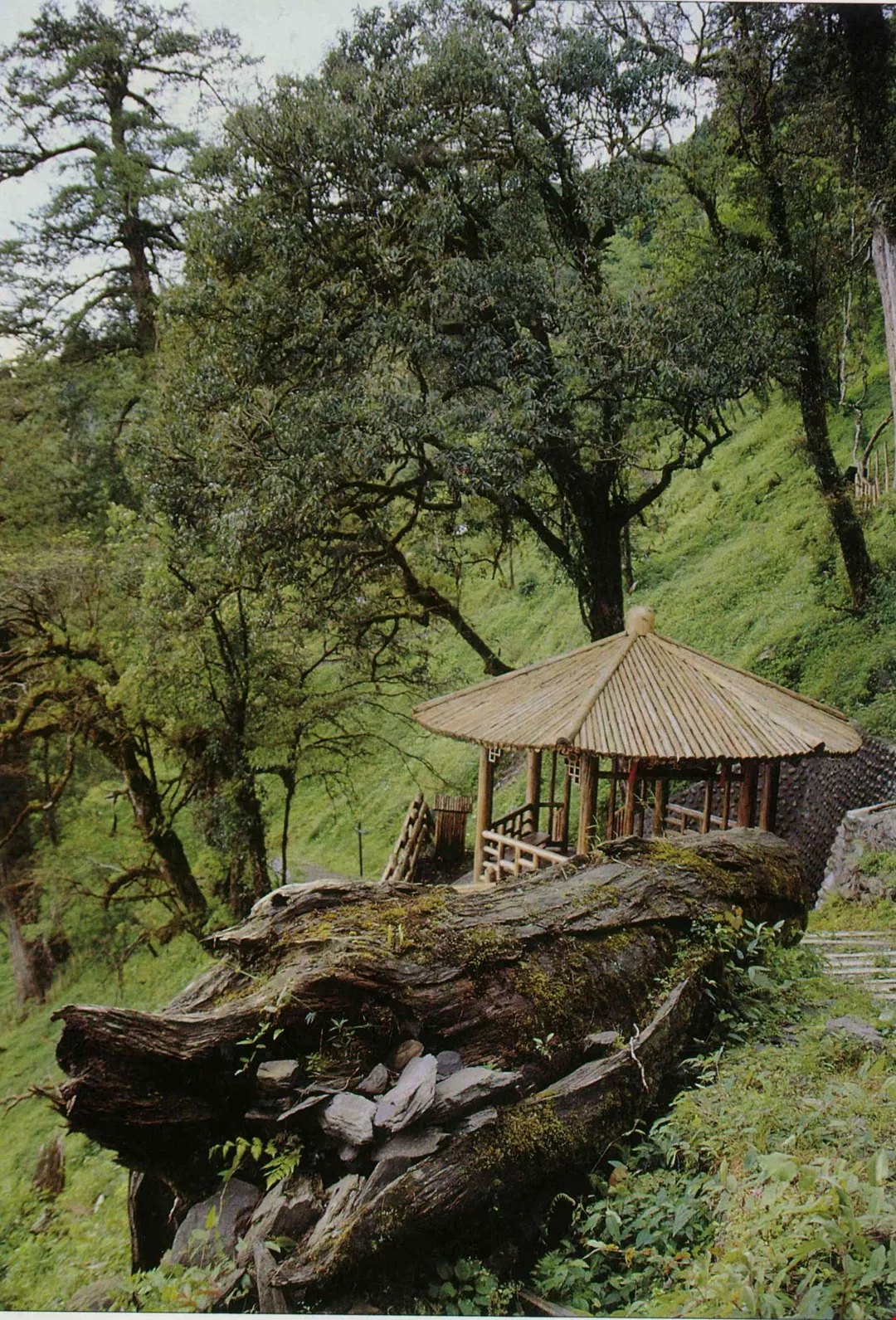
Isn't it dangerous to build the pavilion on withered wood? Actually the two are about 20 meters apart, so there's no worry.
Rare animals
While checking out the flora, there's also no harm in investing a little extra energy in looking for some rare fauna. You can see things even better if you bring a decent pair of binoculars.
Each time the fruit trees in the park bear fruit, people get a chance to see the Formosan rock monkey as it arrives to forage. The most interesting time is when the loquats next to the kitchen ripen; several monkeys come for food and just eat away without being the least concerned about whether or not there are people in the area. They are not afraid of human beings, even if you get right up close and look them in the eyes, and of course they keep eating until the loquats are finished off. Some say that these are lucky monkeys indeed, since they seem to have their own private orchards.
These Formosan rock monkeys live on the back side of the mountain, and come foraging only around dawn and dusk. Sometimes traces of them can be found around the rock wall at the entrance to Chilan, and there are also marks of monkey business on the rocks stretched out alongside the northern cross-island highway.
Because of the spread of conservationist attitudes in Taiwan in recent years, there has been a tendency for the numbers of some animals to increase. When we went to do our report and were walking on the trail near the swimming area, we suddenly heard the call of a hawk from the sky; we looked up, but because of the dense foliage we only caught a glimpse of a pair of crested serpent eagles.
There are a great many Chinese bulbuls here, and their calls reverberate ceaselessly. You can spot some just by looking at the end of tree limbs. There was a group of grey-headed pygmy woodpeckers living in a large tree right next to the cottage where we stayed. They can stand on the branches at any angle. They can even hang upside down and use their sharp beaks to peck for food in the wood. There was also a pair of bamboo partridges, which had the loudest calls bar none in the forest. Here the great symphony of nature plays 24 hours a day. City folks who don't know the names of the flora and fauna may have to bone up and ask questions in advance to be able to distinguish between the different birds.
After enjoying Chilan and the Venerable Tree area, another area of development not to be overlooked is the Mingchih Forest Recreation Area. This is where you'll find the largest seedling bed for the juniper anywhere on Taiwan.
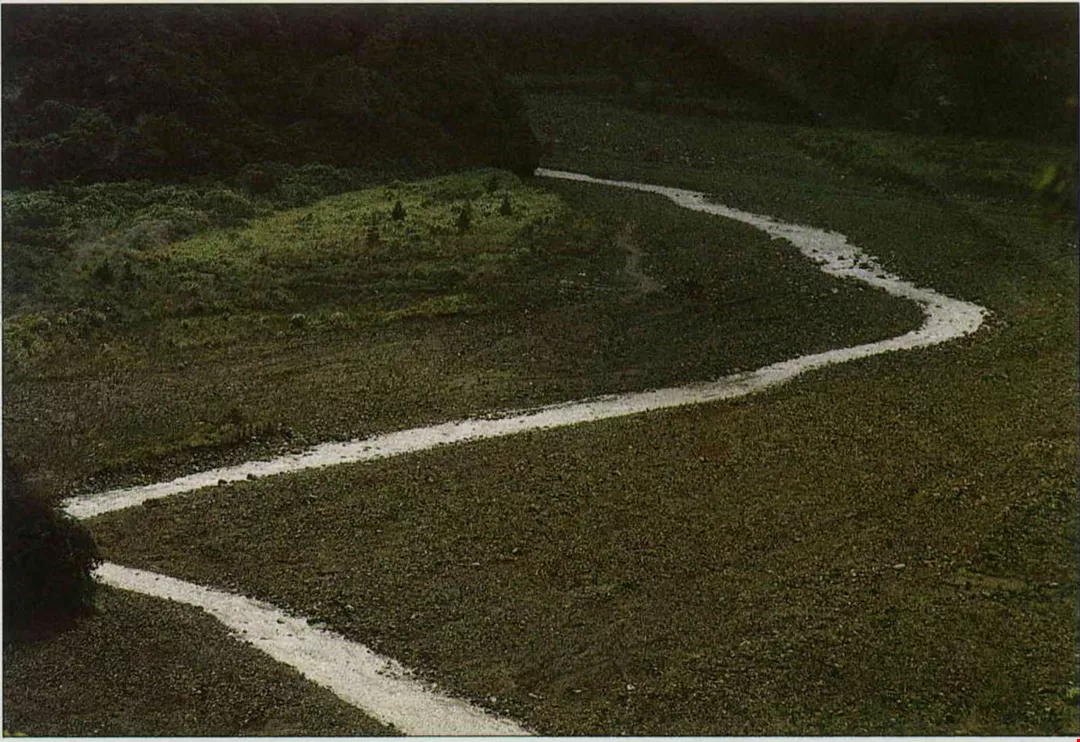
During dry season, the broad bed of the Lanyang River is cut by only a trickle. (photo by Cheng Yuan-ching)
Respect nature's design
Mingchih, which means Clear Lake, is located at a relatively high altitude, about 1400 meters above sea level. Although it is but a small blip on the Northern Cross Island Highway, the fact that it includes a high mountain lake makes it an attractive proposition. In fact this recreation area has already been turned over to a Japanese institute of environmental management for planning, and work is going on at a tremendous pace. It is estimated that work will be partially completed by the end of June, in time to greet summer travelers.
To the right front of the visitors' service center there is an enormous eye-catching juniper which serves as a landmark. It is more than 30 meters high, and there are more than 35 other varieties of plants growing on it. This is a natural phenomenon that urbanites would do well to examine in detail. When the area was first planned out, the service center was to be built about 20 meters in front of where it now stands, but then it would have been impossible to see the juniper from the entrance, and it was decided to move the whole center backwards to open up the line of sight and draw attention to this tree.
This respect for nature's own designs also comes through in the small all-wood cottages that have been newly built. The structures follow the lay of the mountain, and have been built on the principle of clearing out as few trees as possible. The houses don't seem out of place; each house has tall strong pine trees for neighbors, and when you open your window in the morning you see waves of green.
When you go to Mingchih, you shouldn't miss the forest trail. The path is very short, and you can reach the top in about ten minutes. Because of the fear of damage from too many tourists, only people staying in the cottages are allowed up, accompanied by a special guide.
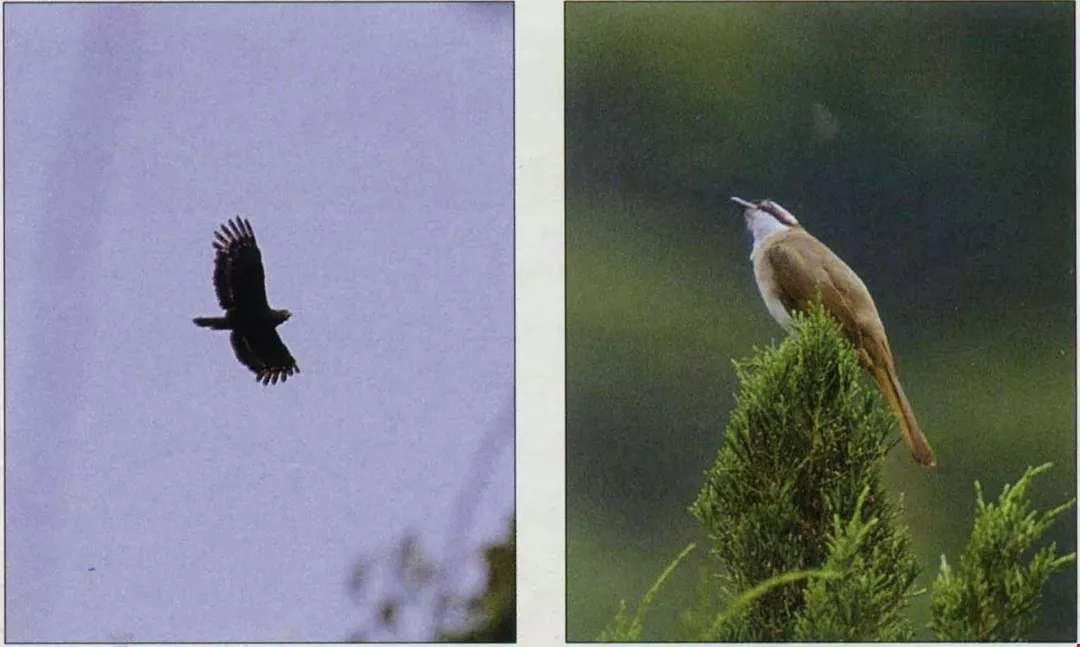
(left) If you're lucky you may see a crested serpent eagle. (right) Bulbuls are a more common sight at Chilan. (photo by Cheng Yuan-ching)
Clean water deep in the mountains
Not far from the entrance there is a "Taolan Pavilion." This indicates that this is the border between Taoyuan and Ilan counties. Originally there was a woodcut map of the border hung on the wall here, but a visitor carried it off, leaving only two nails. The table is also made of wood, and depicts maps of the Northern Cross-Island Highway and Taoyuan and Ilan counties. It's lucky that it is anchored to the ground or it might be gone, too.
There is a "three-generation tree" next to the pavilion. The original tree, an enormous juniper, was cut down, leaving only the trunk. However, other generations of trees have grown from that, thus accounting for the name.
At the peak are the Pavilion of Charity and the Pavilion of Filial Piety. From this height of 1700 meters you can see Clear Lake off to the left, the sprout nursery straight ahead, and the Lanyang Plain to the right.
In this little basin surrounded by mountains on all sides, nature has given us a pool of clear water. Clear Lake is about 300 meters long and about 150 meters wide. It is a naturally formed mountain lake.
Because there is no river running into Clear Lake, it depends entirely on accumulated rainwater. But because the bottom is a porous layer, the lake often dried up. Eventually the recreation area brought in specialists to dredge up the porous layer and replace it with nonporous material, so that now the lake is often full.
One of the special features of this place is the lichen garden. Next to the seedling nursery there is a stretch of coniferous trees, and the ground is covered with lichen and moss plants--350 different varieties. Perhaps it is because of the altitude, the topography, and the rain that so many types of lichen have flourished here.
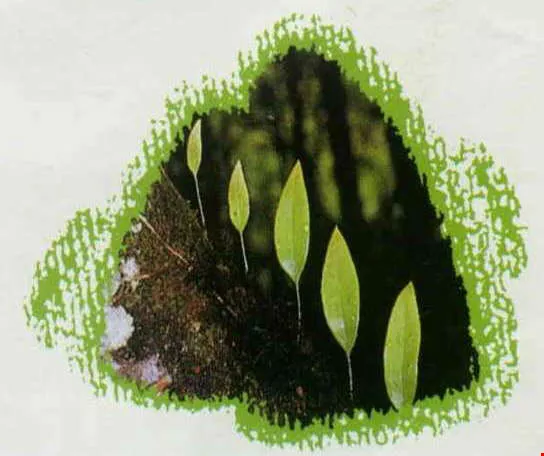
The greening of the mind
In an area like the stretch from Chilan to the Venerable Tree Area to Mingchih (Clear Lake), when the weather is clear, of course everything will be perfect. But even if it rains, there is still much to see, especially the way the rain rolls off the trees and falls on the land.
Next time you go to the mountains, don't forget to bring a little green consciousness away with you, because the green sensation you can get here is limitless, and can never be exhausted.
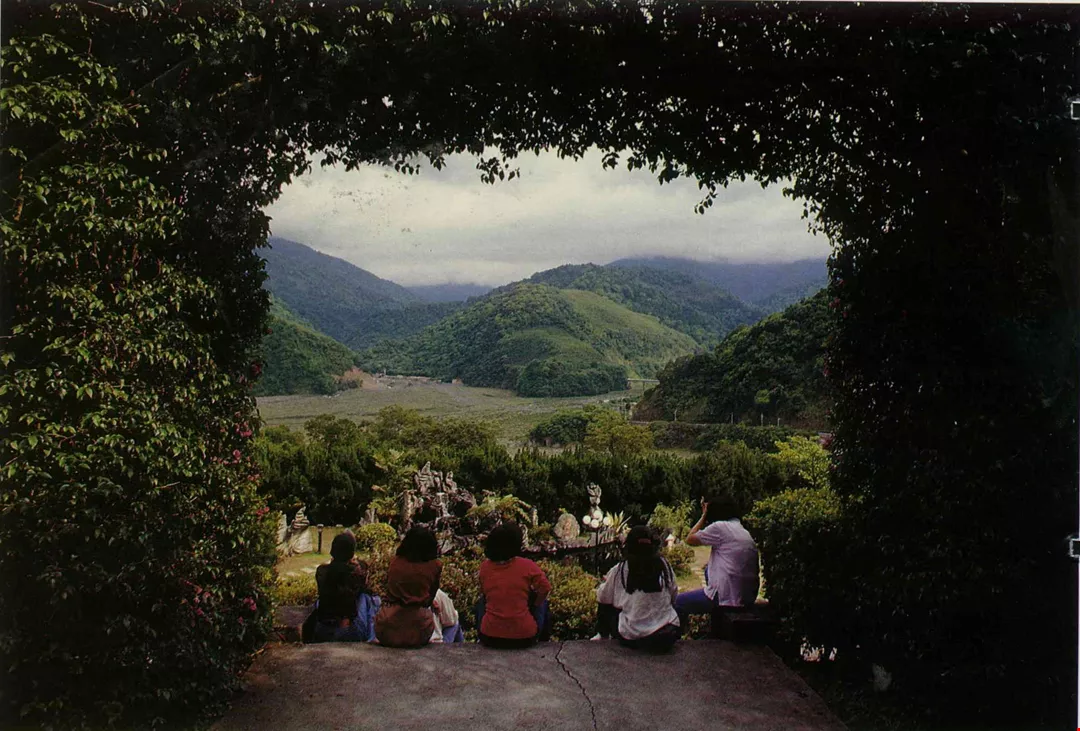
From the highest point at the Chilan Forest Recreation Area you can see the beautiful scenery just at the confluence of the Lanyang, Tienkuer, and Tuowang rivers.
Travel InformationFood and Lodging:
The only locations for food and lodging are the Chilan and Mingchih Villas (hotels). There are few visitors on weekdays, but reservations are necessary on holidays and weekends. The telephone number at Chilan is 039-80-9606 and at Mingchih it is 039-89-4104.
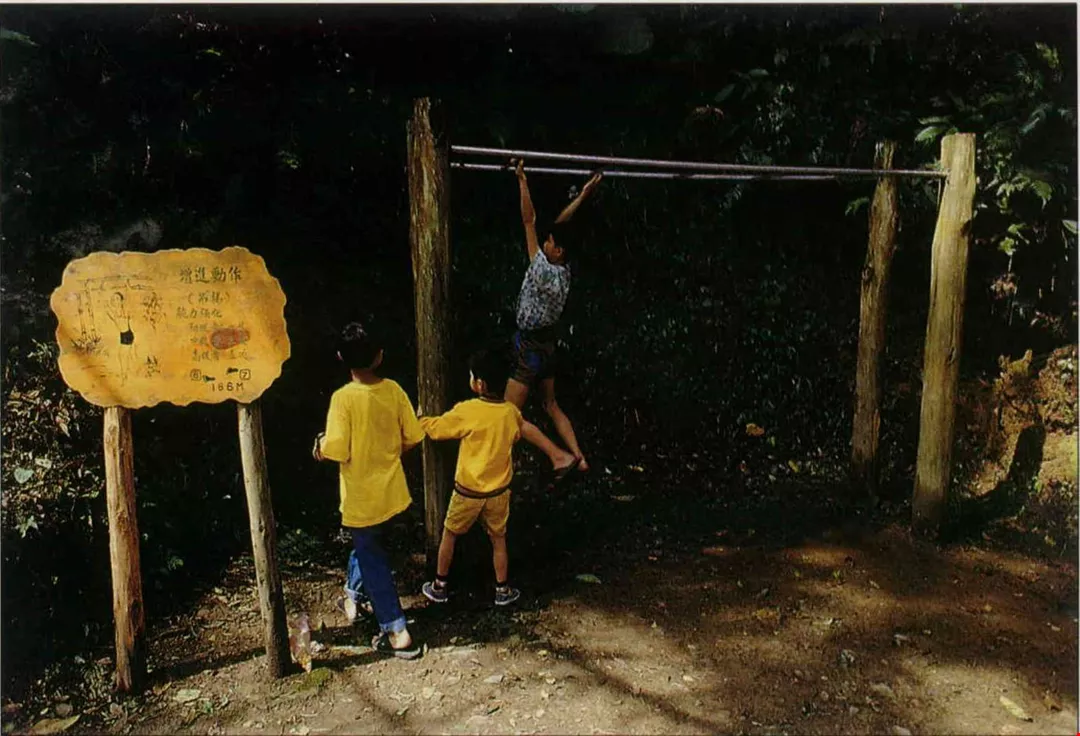
There is some exercise equipment on the hiking trail through Chilan where sprightly children can play.
Transportation:
Its easiest to drive yourself, but you can also take buses that go from Ilan or Luotung to Lishan, Nanshan, or Taipingshan, and get off at the Chilan stop; however, there are few buses, so check departure times beforehand. The Chilan Villa takes care of transportation, insurance, and lunch to see the Venerable Tree Forest (cost: NT$600 per person, minimum eight persons). From Taichung you can get to Chilan via Lishan. From the Miaoli-Hsinchu-Taoyuan area, take the Northern Cross-Island Highway.
A three-day two-night itinerary is best. After arriving in Chilan on the first day, go up the back of the mountain for a "forest bath," to see the Chiang Kai-shek Travel Lodge, and to see the flowers and trees in the park. Then notify the service personnel to tell them your interest in going to the Venerable Tree Reserve. See the Venerable Tree Reserve on Day 2; if you get back to Chilan by 2:00 or 3:00 pm you can still go to Mingchih (Clear Lake). At Mingchih, after a walk through the lichen and fir tree forests, stay in the Mingchih Villa. On the third day, walk the trail and then return home.
[Picture Caption]
p.96
As a way of putting the forest to new uses, it became the Chinese Historical Venerable Tree Reserve. (photo by Cheng Yuan-ching)
p.98
After a day at the Venerable Tree forest, visitors can stop at the service center for a bite to eat.
p.99
Moss growing on trees is a common sight in the mountains of Chilan.
p.100
Of the 62 mighty trees at the Venerable Tree area, 51 have been christened.
p.101
Guides specially introduce the"man-eating cat" plant so that visitors can be a little more prepared.
p.102
Isn't it dangerous to build the pavilion on withered wood? Actually the two are about 20 meters apart, so there's no worry.
p.103
During dry season, the broad bed of the Lanyang River is cut by only a trickle. (photo by Cheng Yuan-ching)
p.103
(left) If you're lucky you may see a crested serpent eagle. (right) Bulbuls are a more common sight at Chilan. (photo by Cheng Yuan-ching)
p.104
From the highest point at the Chilan Forest Recreation Area you can see the beautiful scenery just at the confluence of the Lanyang, Tienkuer, and Tuowang rivers.
p.105
There is some exercise equipment on the hiking trail through Chilan where sprightly children can play.
p.106
The Mingchih seedling nursery has the largest cypress seedling nursery in all of Taiwan.
p.107
Even in a manmade forest you can really enjoy nature's beauty.
p.108
The natural mountain pool called Clear Lake greatly enhances the beauty of the surrounding area.
p.109
Small wood cottages follow the lie of the land and are surrounded by trees; a night there gives one some idea of how interesting it would be to live in the mountains.
p.110
Main Scenic Spots in Chilan and Mingchih
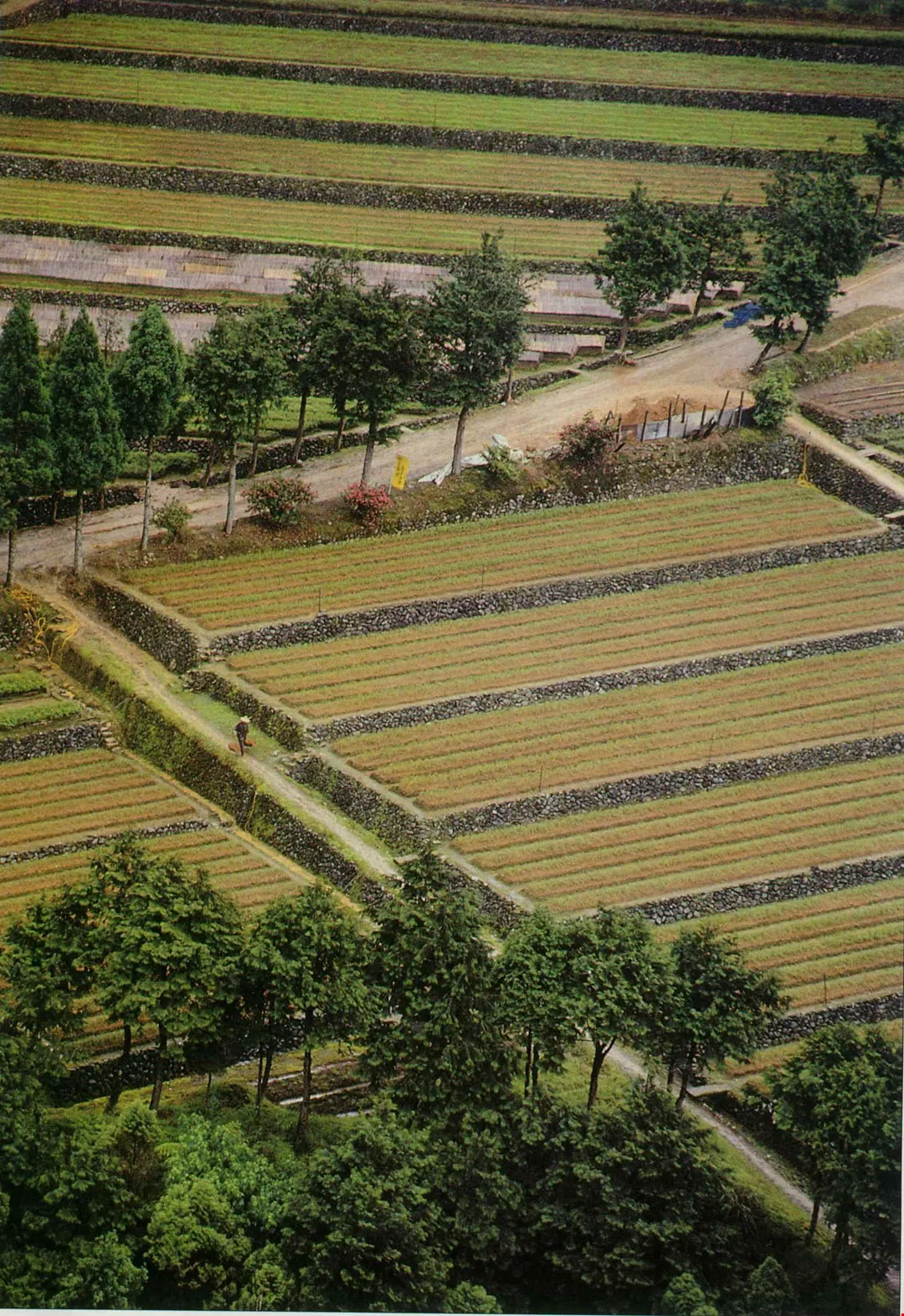
The Mingchih seedling nursery has the largest cypress seedling nursery in all of Taiwan.
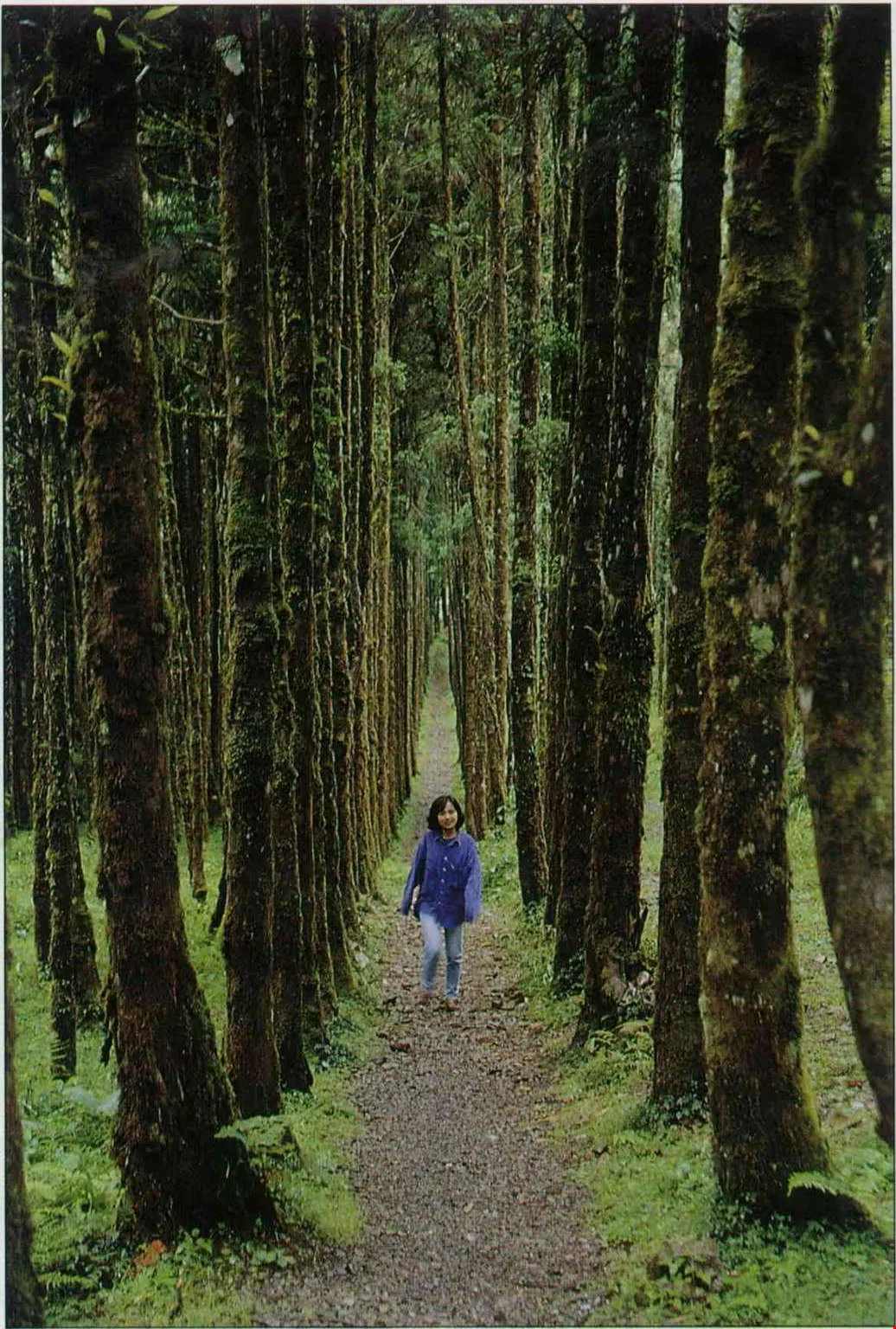
Even in a manmade forest you can really enjoy nature's beauty.
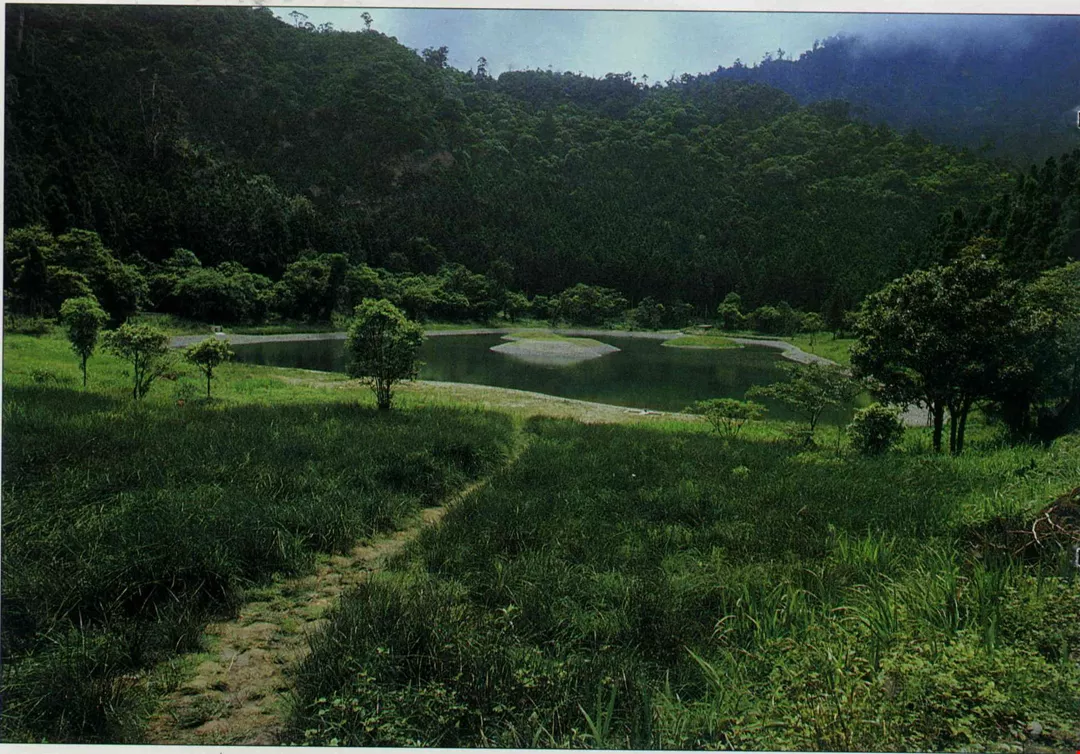
The natural mountain pool called Clear Lake greatly enhances the beauty of the surrounding area.
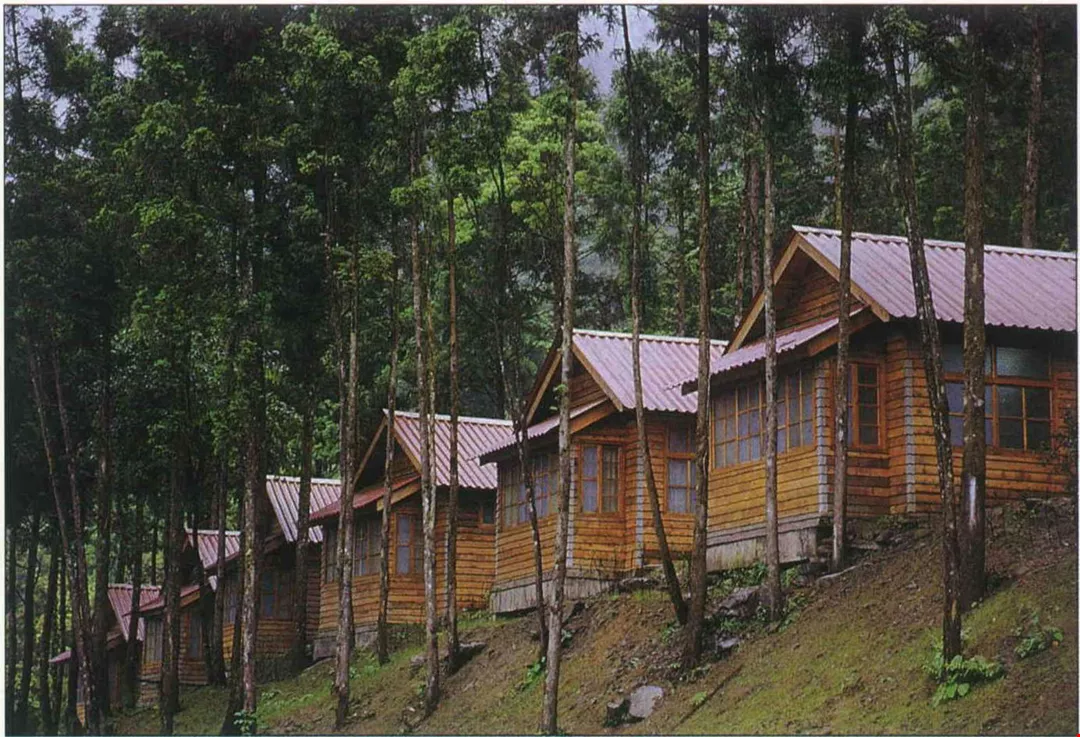
Small wood cottages follow the lie of the land and are surrounded by trees; a night there gives one some idea of how interesting it would be to live in the mountains.
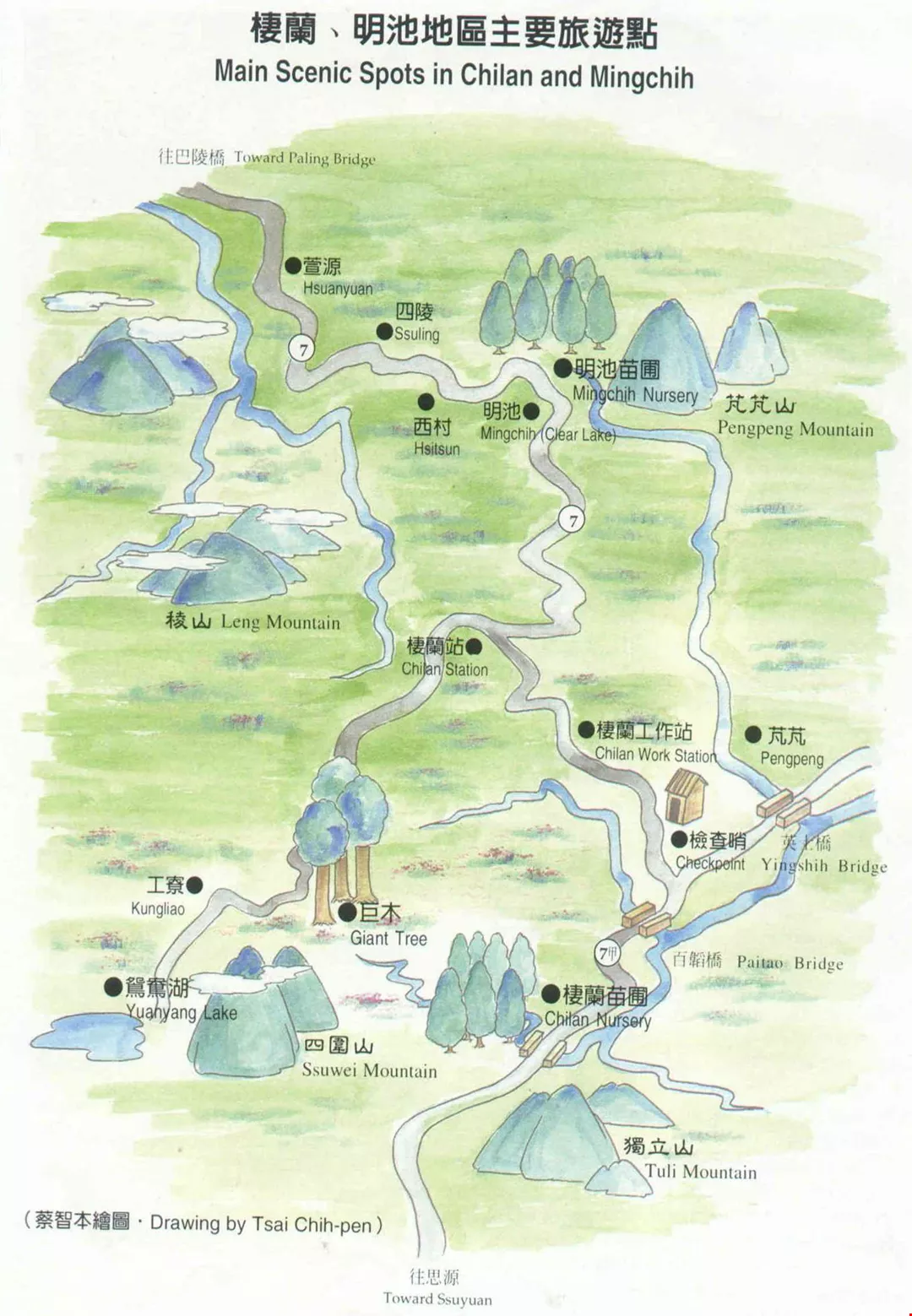
Main Scenic Spots in Chilan and Mingchih.


@List.jpg?w=522&h=410&mode=crop&format=webp&quality=80)


