Taiwan’s White Gold
Chang Chiung-fang / photos Jimmy Lin / tr. by Geoff Hegarty and Sophia Chen
September 2016


There’s a large tree in the second-floor exhibition area of the Taiwan Salt Museum. Many objects dangle from its branches: light globes, CDs, objects of ceramic and glass, plastic bottles, containers of dye and bottles of soy sauce. While these objects may seem at first glance totally unrelated to the theme of the museum, in fact salt is the one essential component used in the manufacture of each and every one.
Salt is not only an essential seasoning used in kitchens worldwide, but it also has more than 14,000 other uses in agriculture and other industries. In recent years, certain innovative enterprises have found ways to augment the value of common salt by adding a cultural element, instantly transforming the image of this everyday mineral.
Apart from its obvious use as a seasoning, what else can you do with salt?
In 2009, Taiyen Biotech launched a project called “Yan Ru Yu” (“salt like jade”), creating sculptures made of salt. Among the works, their take on the National Palace Museum’s famous Jadeite Cabbage is the most appealing. The color and silky feel of the carved salt is just like that of real jade—the work is quite amazing, so much so that the one-meter-high sculpture has attracted a number of orders from mainland China.
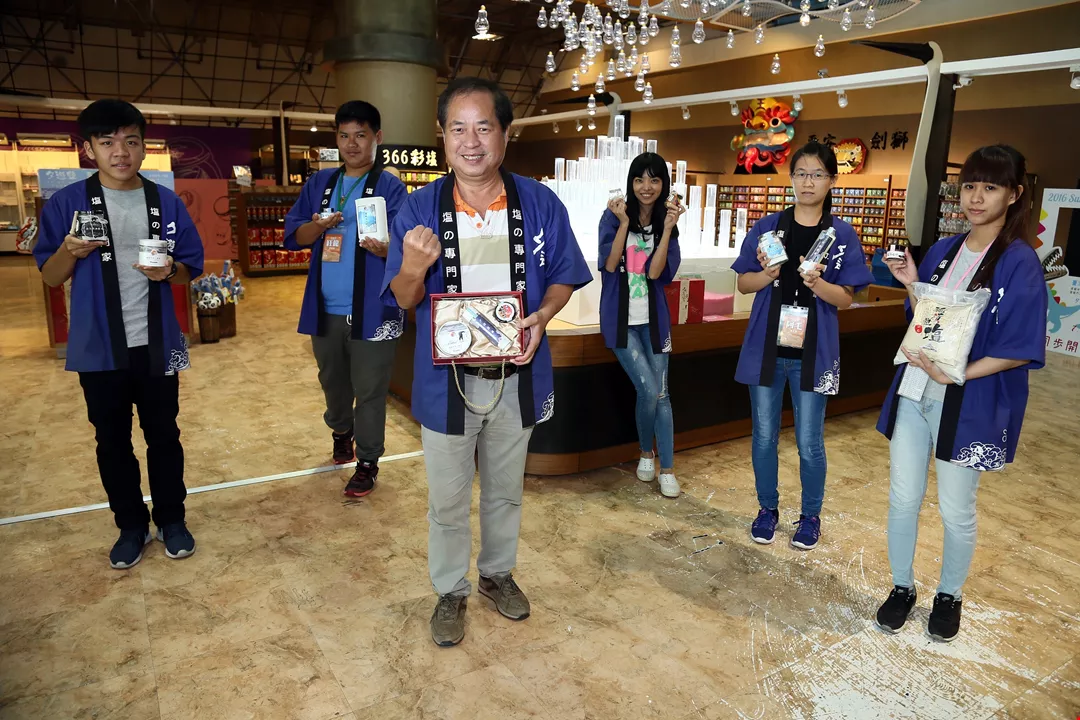
Hwang Sun has expanded into seven Sio stores. The photo shows the outlet at the Taiwan Salt Museum, featuring Hwang Sun vice chairman Lin Guoming (center).
Taiyen Biotech art
So how did the idea of making sculptures from salt emerge?
“Taiyen Biotech works with resources from the ocean,” says vice president Bobby Chen. After privatization, the company diversified and branched out into cultural undertakings. Salt is important in Chinese culture, bringing good fortune, so Taiyen Biotech decided to work with renowned sculptor Luo Guangwei to develop salt sculptures.
Taiyen Biotech has launched three series of salt sculptures to date: classical Chinese zodiac signs, the Boutique Collection, and Culture and Creation. The works include the Jadeite Cabbage, pixiu (a Chinese mythical hybrid creature), the wind-lion god, the 12 Chinese zodiac signs, and the Bodhisattva Guanyin.
To manage the creative side of the business, the Taiyen Museum was established in one of the company’s salt plants in Tongxiao Township, Miaoli County. Lin Xihong, a manager at the plant, points out that the museum has been attracting an average of 300,000-plus visitors annually since it opened in December 2011.
Salt sculptures are the main attractions of the museum’s displays. One of the teachers of salt sculpture at the museum, Liu Suyan, says that salt blocks (originally produced as animal feed supplements) were utilized as carving material in the past, but they weren’t really suitable and the quality of the sculptures suffered as a result. So these days Taiyen Biotech employs refined salt bound with a unique Japanese compound as a material for sculptures.
The process of creating a salt sculpture is quite complex. As well as the creative inspiration necessary for any artwork, the process includes carving the form, making the molds and melting and mixing the salt with the Japanese binder under pressure at high temperatures. Then the mixture is poured into molds, and after removal, the work is finished off, painted and coated with a protective layer. The entire process involves no less than a dozen manual operations.
Liu also teaches salt painting at the museum, which has in fact become one of the venue’s greatest attractions.
They use salt rejected from the refining process, adding food colorings to create multicolored salt. “The skills required are similar to those of sand painting,” explains Liu as she demonstrates her technique. With some degree of skill, adding colored salt layer by layer, one can easily create a salt painting in a glass.
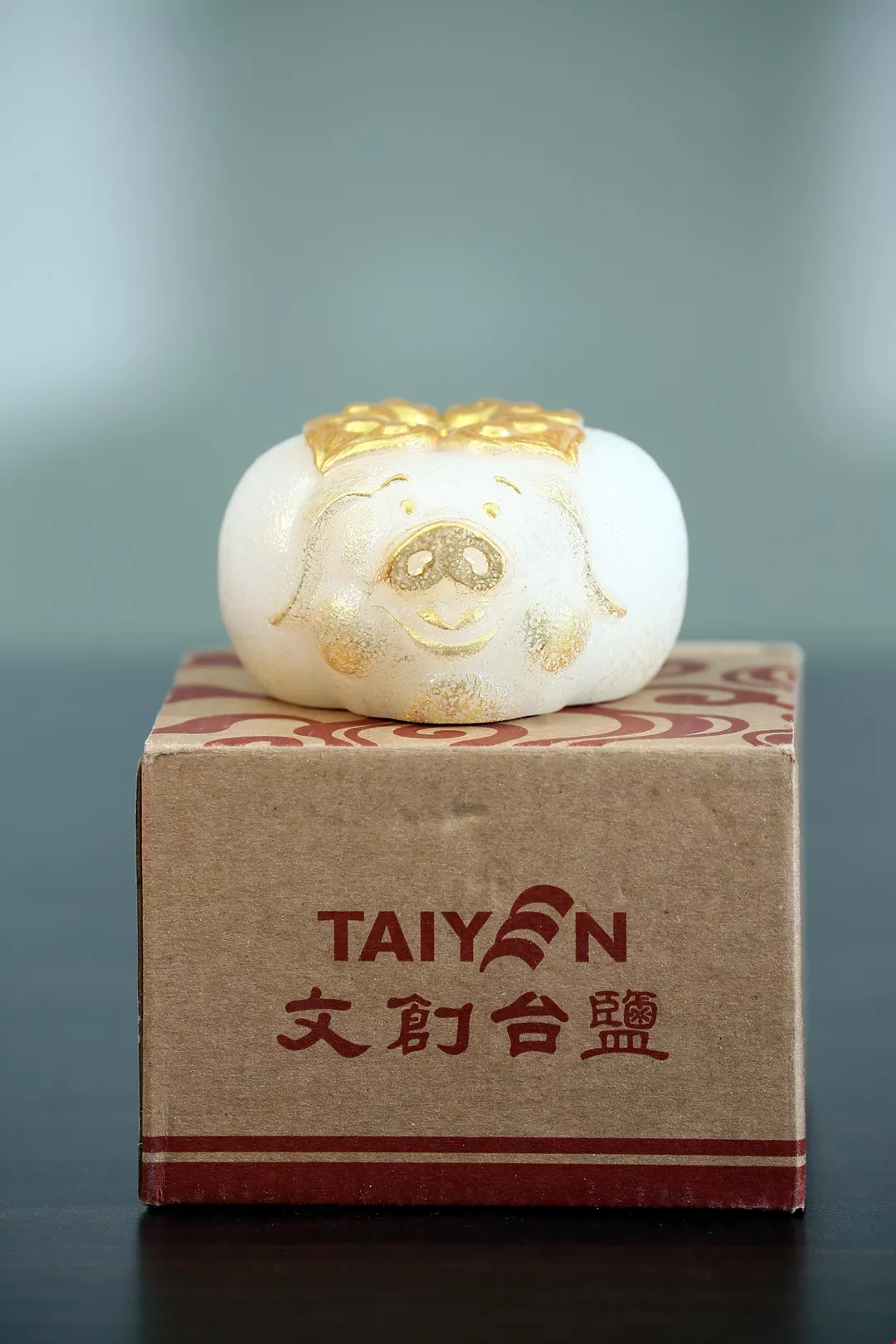
Taiyen Biotech’s imaginatively designed salt sculptures are always well received by the public.
Birthday blessings
Colored salt as a birthday gift is another popular item in their range of cultural and creative products.
But what’s the link between salt and birthday celebrations?
Lin Guoming, who retired last year from his position as district director of Tainan City’s Anping District, is now the vice chairman of Hwang Sun, a creative enterprise. Lin says, “Sprinkling salt about is a common custom in folk tradition, such as in groundbreaking ceremonies and to ward off evil. With such a positive image, salt is a great source material for creative work.”
When visitors enter one of Hwang Sun’s Sio stores they are immediately fascinated by the range of colorful salt products. Known as “the salty shops,” branches can be found in Sio House in Anping, in the Songshan Cultural and Creative Park in Taipei, and in the National Center for Traditional Arts in Yilan County. One cannot help thinking: “Is this really the common salt that I know from daily life?”
Sio has the same pronunciation as the word for “salt” in Japanese. In the past five years, Hwang Sun has set up seven Sio stores across Taiwan, focusing on colored salt for birthdays. Among the stores, the first branch in Anping has the most character due mainly to its location in one of the area’s historic buildings.
Constructed in 1922, Sio House is one of Tainan’s historic sites, and was originally the Anping branch office of the monopoly bureau under the Office of the Taiwan Governor-General during Japanese colonial rule. Salt was one of the commodities subject to a state monopoly. “The creative salt enterprise being conducted in Sio House links up this historic site with Tainan’s traditional salt industry,” says Lin.
Sio stores carry 366 different shades of birthday salt, creating a spectacular display. Each day has a different color, with one extra for leap years.
There is also a range of different birthday product designs such as hanging glass ornaments, Anping lion’s-face ornaments and Chinese seals, all of which contain birthday salt. All come with a card describing the character of the birthday person for that color. Delicately designed and with a great sense of fun, these salt products are always well received.
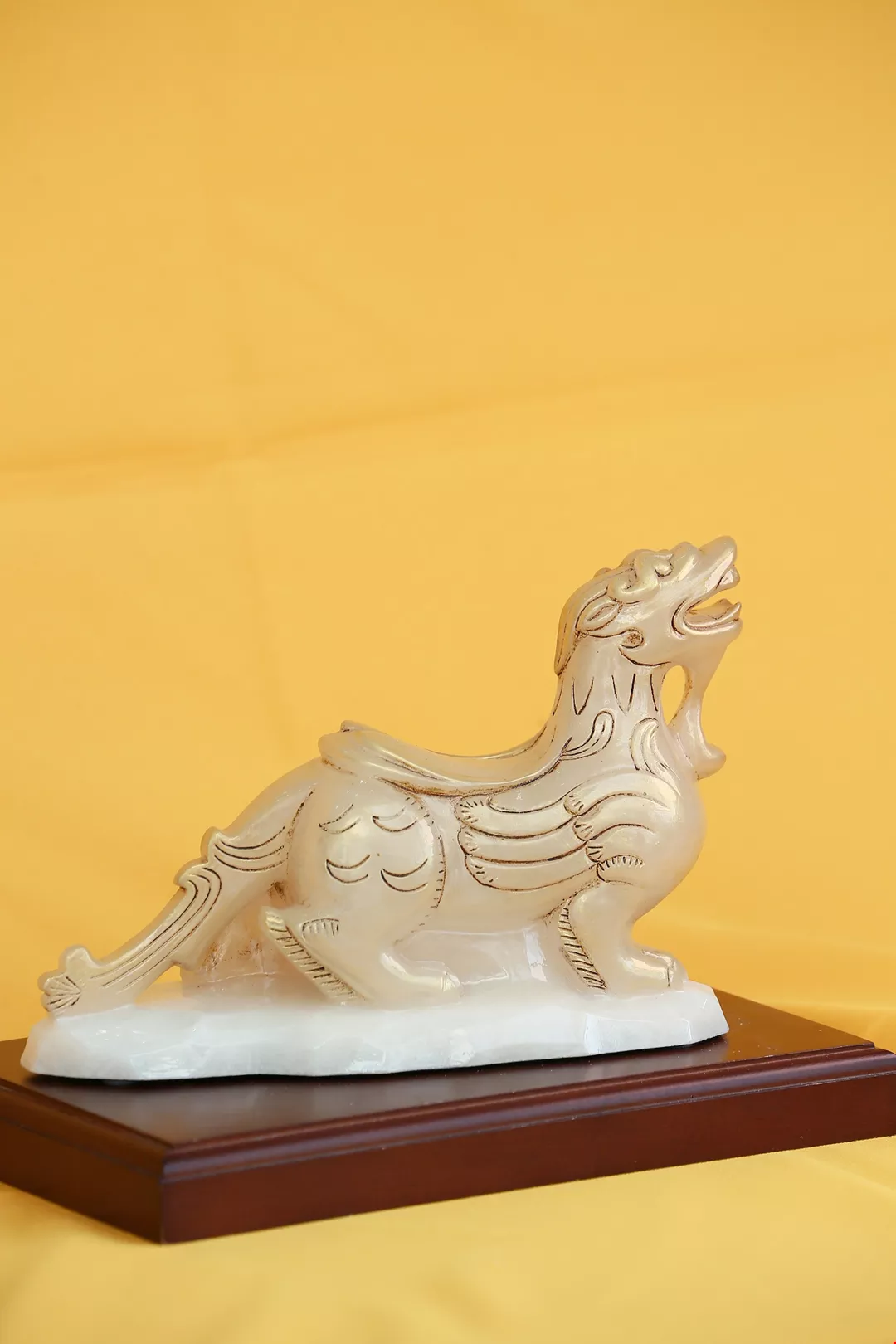
Taiyen Biotech’s imaginatively designed salt sculptures are always well received by the public.
Sunset in Jingzaijiao
In February this year, Hwang Sun took over management of the Taiwan Salt Museum in Tainan and began restoration of the Jingzaijiao salt fields in the city’s Beimen District.
With an average of 30,000 visitors per month, the museum maintains a complete collection displaying the history of the salt industry in Taiwan, as well as holding occasional salt sculpture exhibitions.
Jingzaijiao is famous for its beautiful sunsets. Maka Kao, personal assistant to the chairman of Hwang Sun, says that an annual sunset event is held there at the end of each year to watch the sun disappearing below the horizon for the final time of the year. Tainan is the most westerly city in Taiwan.
The region is also loved by birdwatchers. Every winter, a group of black-bellied terns fly from mainland China to the Beimen Lagoon.
Jingzaijiao possesses many classic country scenes like withered vines, old trees, crows, little bridges, streams and smooth sand (all scenes described in popular verses from the Yuan Dynasty), but the region also boasts Taiwan’s oldest paved salt fields which continue to use traditional methods of drying salt in the sun. Tu Dingxin, a retired Taiyen Biotech specialist, is currently working in these fields to provide technical assistance and advice.
“Fleur de sel (“flower of salt”) is a precious commodity—like caviar,” says Zheng Guilian, manager of Hwang Sun’s Sio store in Jingzaijiao. Fleur de sel is harvested only once a year. In the northeast monsoon season, when the wind blows across the salt fields, fleur de sel is formed as a thin, delicate crust on the surface of the salt fields. This variety of salt contains least sodium but the greatest variety of minerals, so it’s generally regarded as the preeminent salt product.
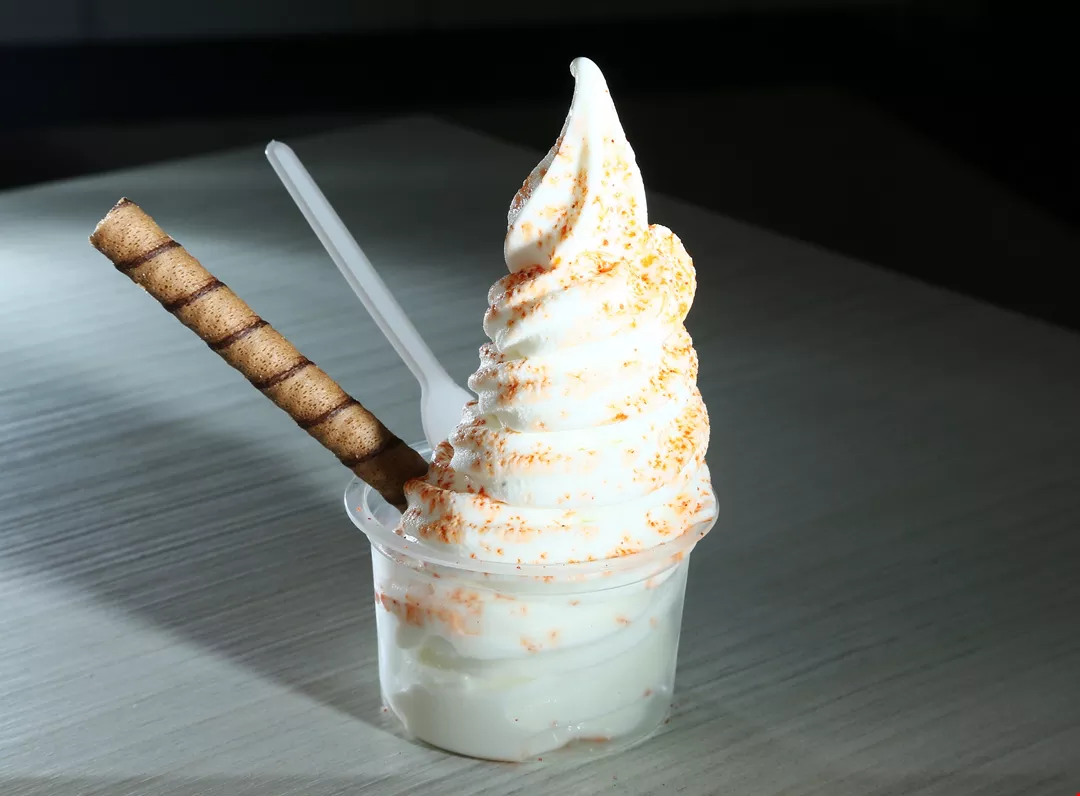
Hwang Sun has introduced a number of other salt-related products, including colored salt-coated eggs, fleur de sel coffee, and fleur de sel icy pops.
A salt-themed amusement park and a series of salt-themed eco-cultural tours are also in the planning stages. “We want to use salt-related cultural and creative themes to encourage people’s love for the land and let them experience the great beauty of our island—and also to recall the hardships experienced by our ancestors in building Taiwan,” says Lin Guoming.
If oil is the “black gold” of the Middle East, then salt can be regarded as “white gold” for Taiwan. As salt is integrated into cultural pursuits through a range of innovative ideas, it is being transmuted into white gold. The allure of this common but charismatic mineral continues to grow.
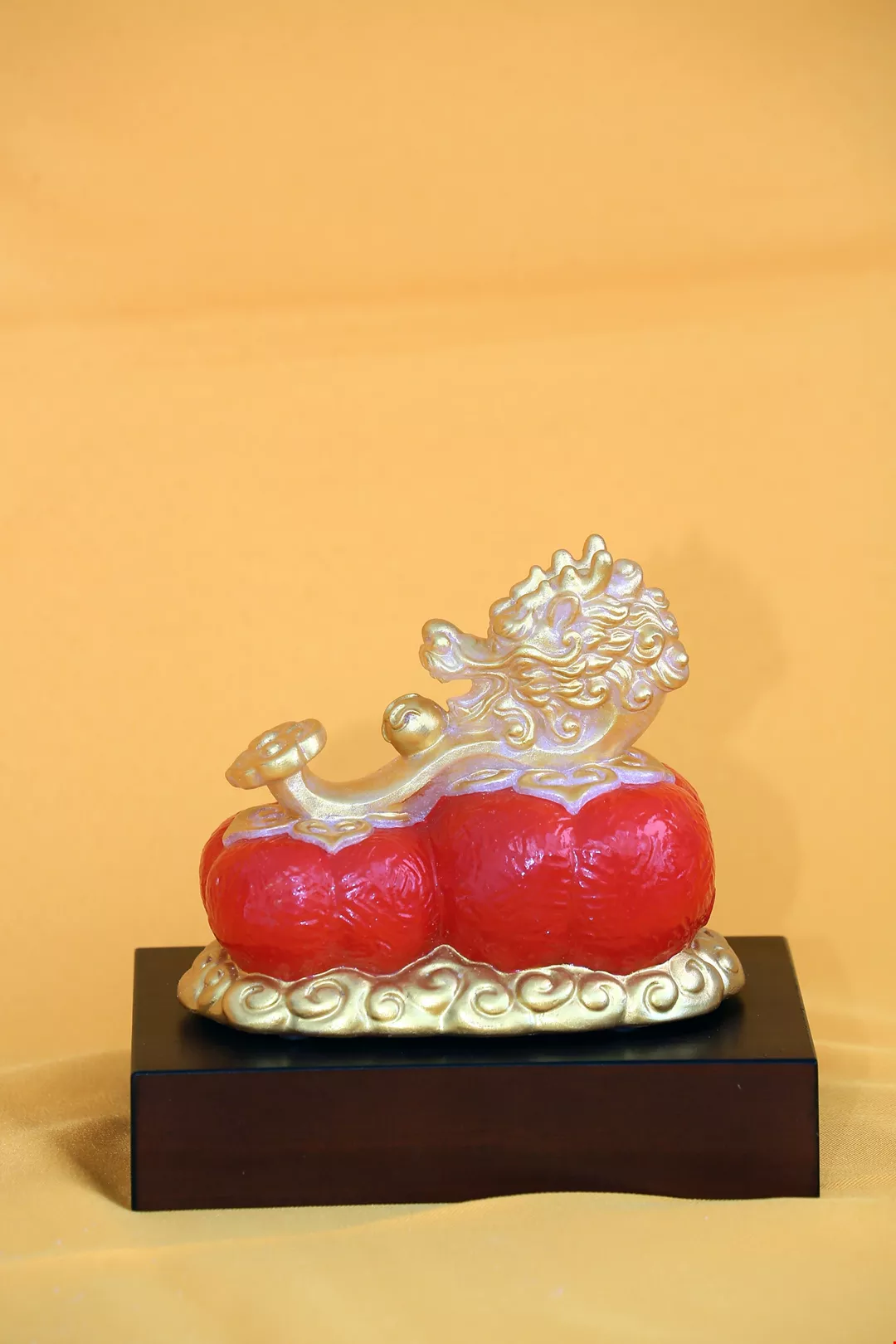
Taiyen Biotech’s imaginatively designed salt sculptures are always well received by the public.
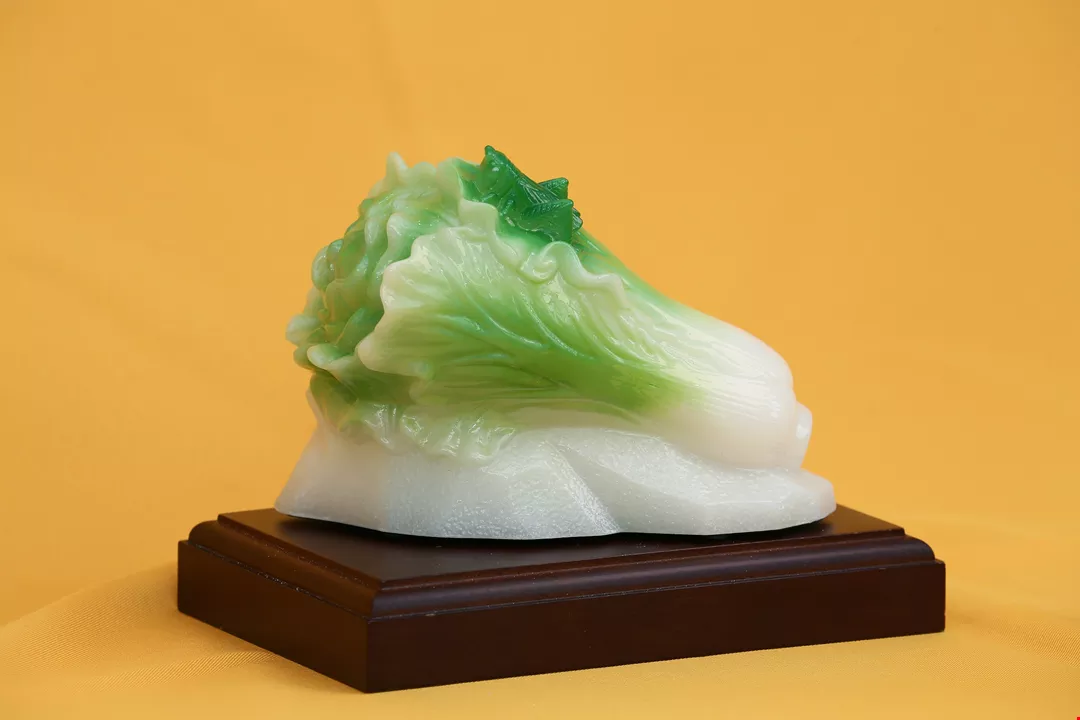
Taiyen Biotech’s imaginatively designed salt sculptures are always well received by the public.
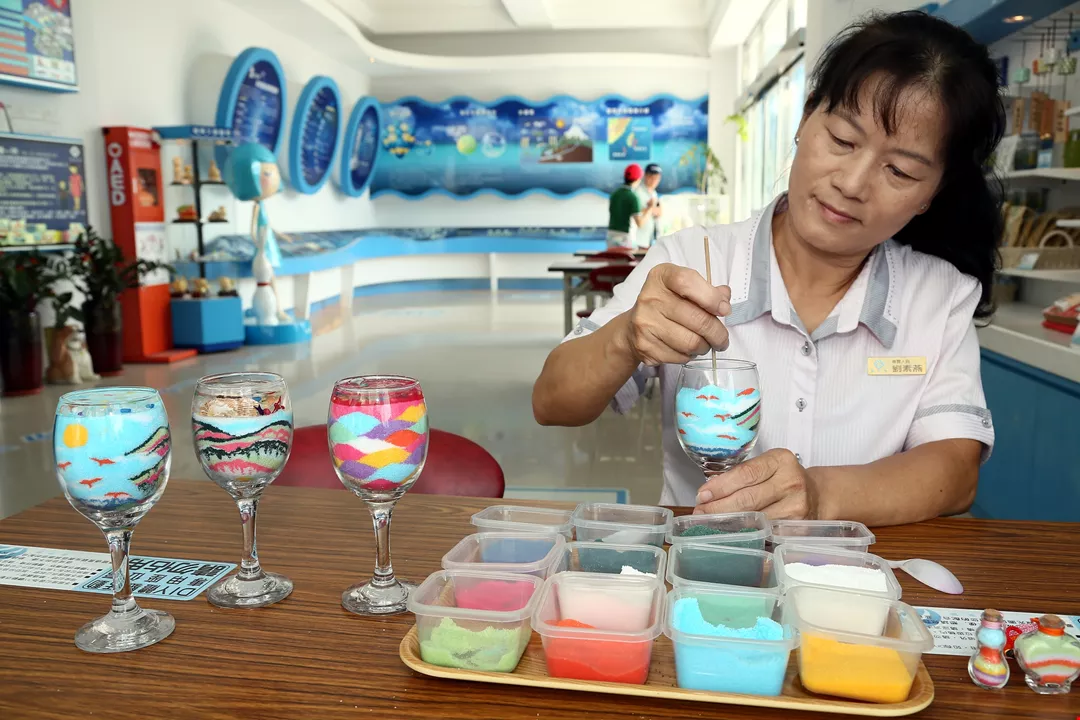
Liu Suyan teaches salt painting at the Taiwan Salt Museum. Whatever the materials, even a simple spoon or a stick of bamboo can become the basis of a meticulous artwork.
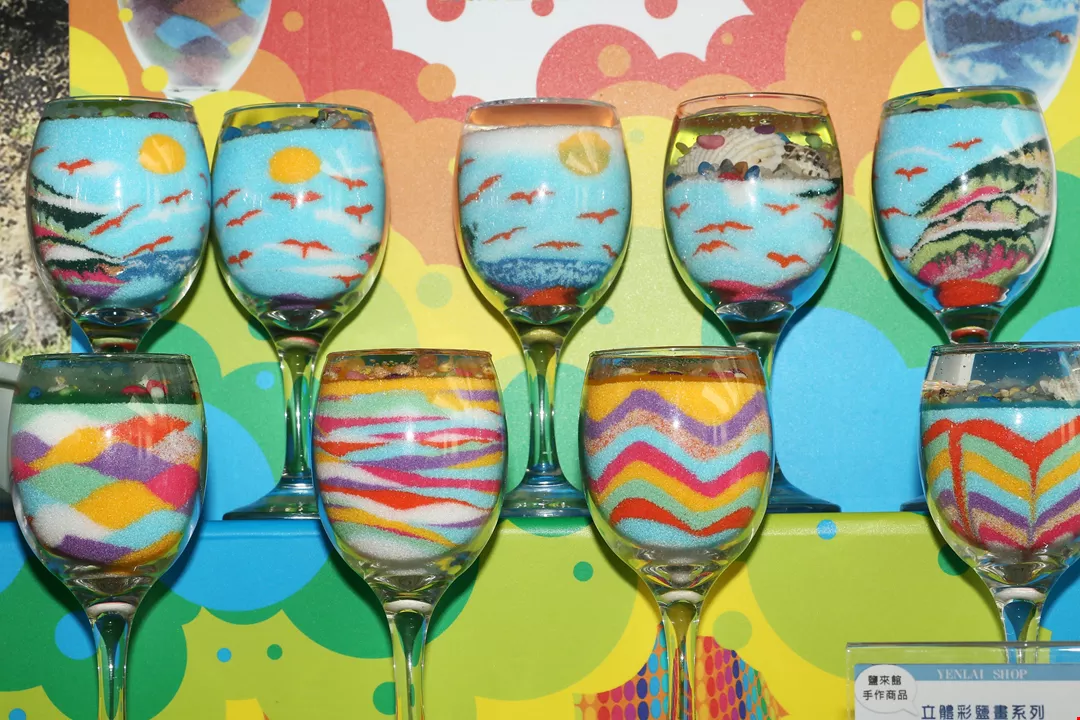
Liu Suyan teaches salt painting at the Taiwan Salt Museum. Whatever the materials, even a simple spoon or a stick of bamboo can become the basis of a meticulous artwork.
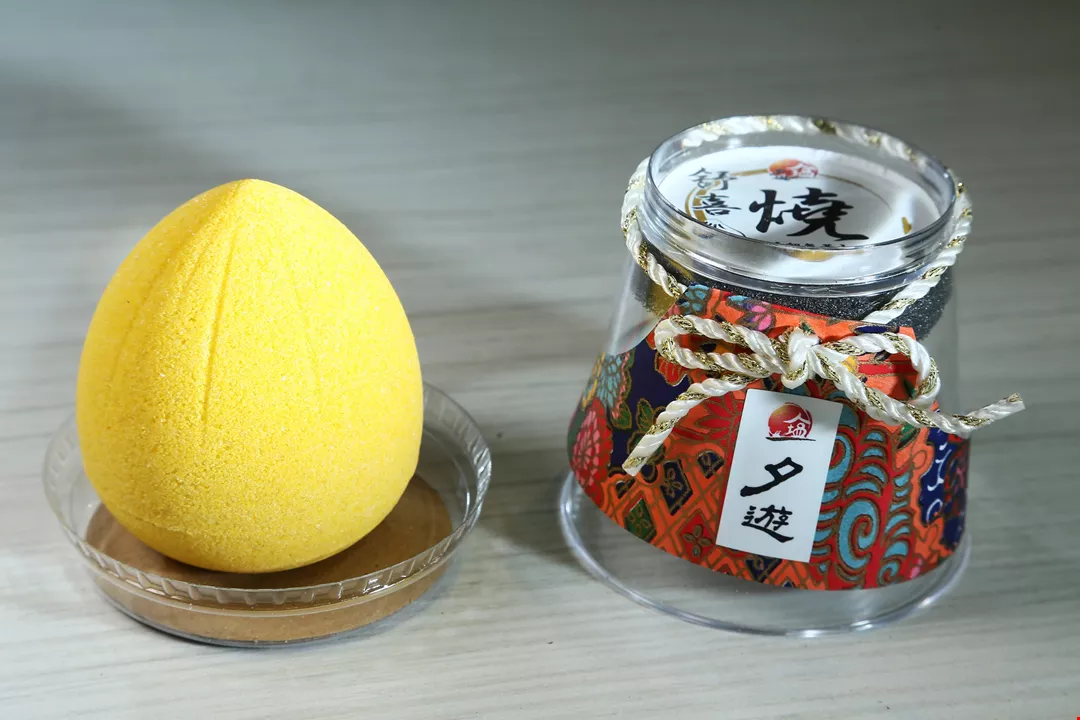
Crack a colored salt-coated egg, and inside you’ll find a perfectly edible salt-baked egg.
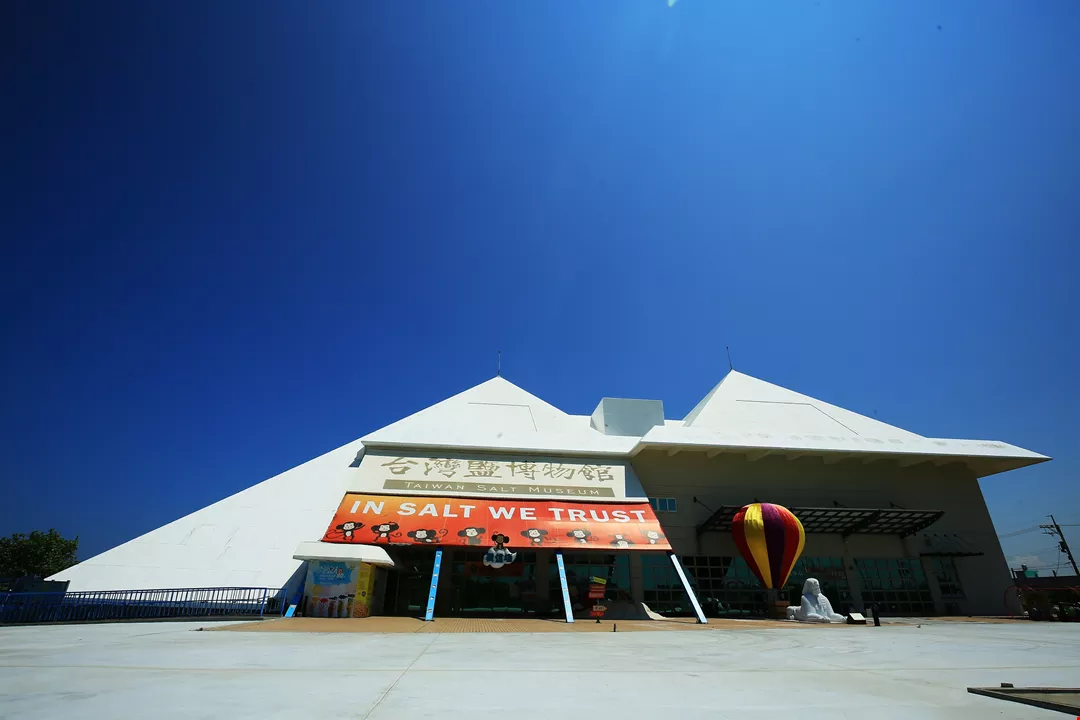
The Taiwan Salt Museum in Tainan boasts a rich collection exhibiting the history of Taiwan’s salt industry. The photo shows one of the museum’s special salt sculpture exhibitions, “Our Salty Family,” especially popular with visitors who like to take photos alongside the works.
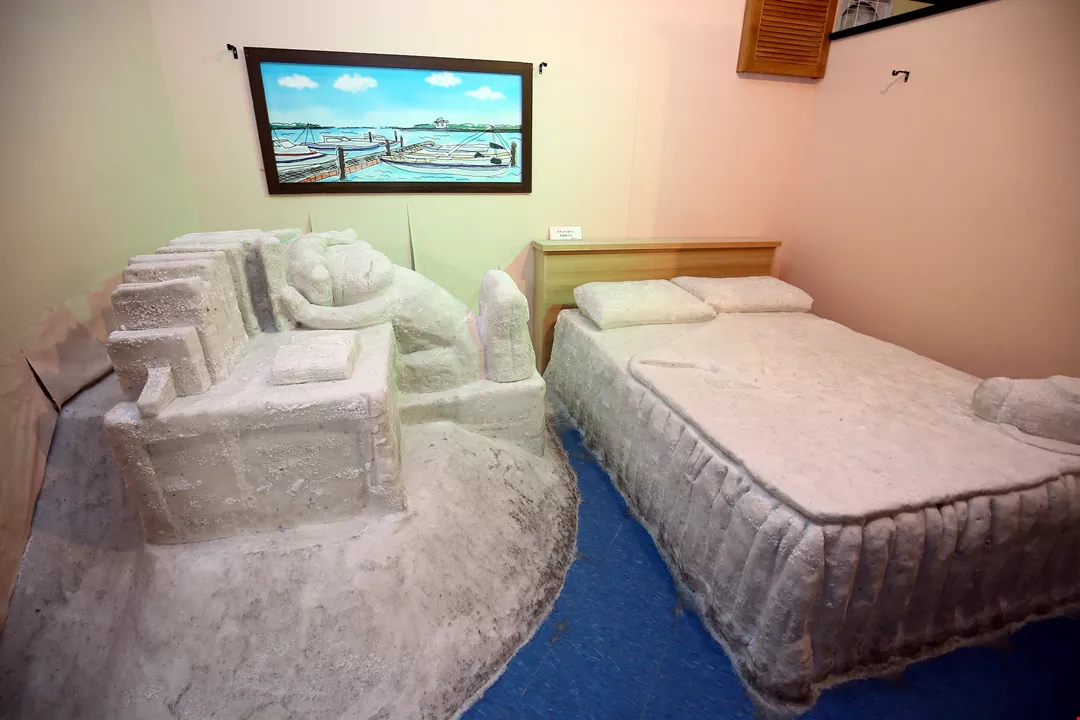
The Taiwan Salt Museum in Tainan boasts a rich collection exhibiting the history of Taiwan’s salt industry. The photo shows one of the museum’s special salt sculpture exhibitions, “Our Salty Family,” especially popular with visitors who like to take photos alongside the works.
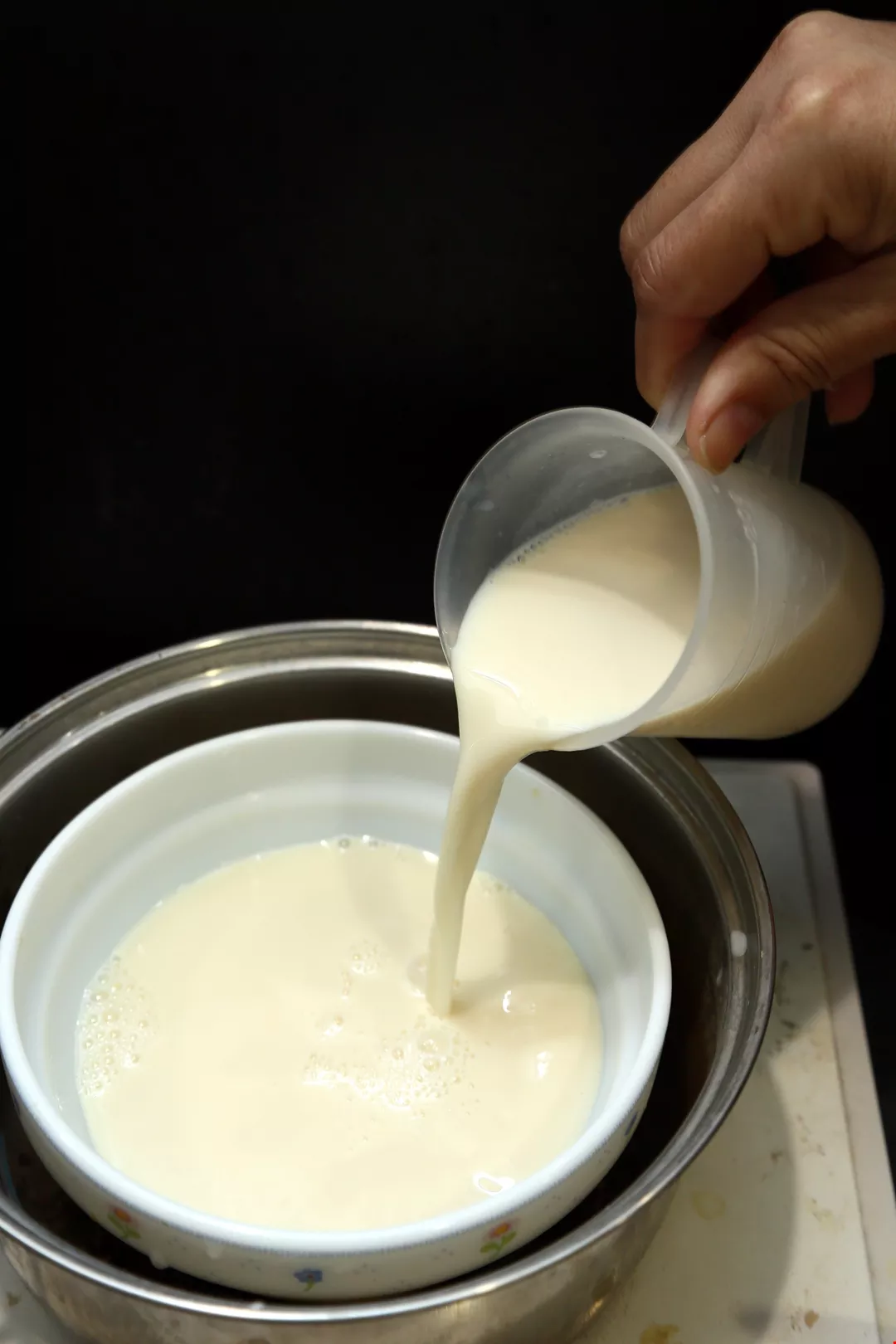
A DIY course in making salted tofu pudding, products like fleur de sel ice-cream—there’s no end to the creative possibilities around salt.
A DIY course in making salted tofu pudding, products like fleur de sel ice-cream—there’s no end to the creative possibilities around salt.


